

“The Keystone Corner: Thomas Edison Turns Two”
The author:
J.B. Manheim
The publishing info:
Sunbury Press; 241 pages; $22.95; released Jan. 10, 2024
The links:
The publishers website; the authors website; at Bookshop.org; at Powells.com; at BarnesAndNoble.com; at Amazon.com
The review in 90 feet or less
A lot of electricity was generated in October of 2002 at Edison International Field of Anaheim when the Anaheim Angels lit up the Halo for their first (and so far only) World Series title.
It also cause some to blow a fuse.

“It’s particularly sour to see Edison’s name in lights because consumers in Southern California are shelling out billions of dollars to bail it out,” said Doug Heller, a senior consumer advocate at the Santa Monica-based Foundation for Taxpayer and Consumer Rights told the Los Angeles Times in a story that ran in its finance section at the time. “It’s unsavory to see their name associated with the baseball glory of the Angels.”
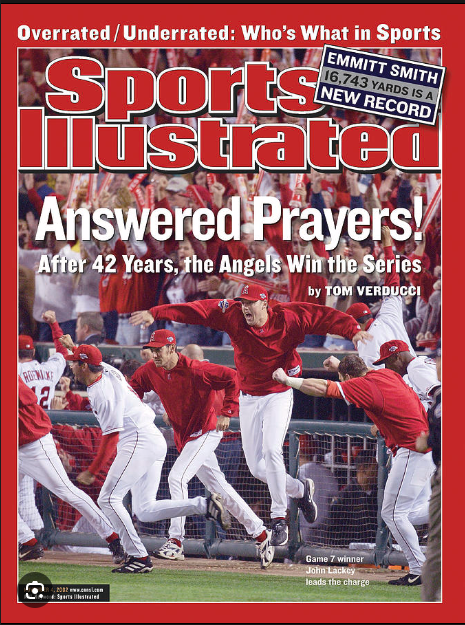
Heller’s point was that while Edison International had been caught up in the stadium naming rights game — putting up as much as a reported $50 million in a 20-year deal so its brand would be plugged into all mentions of the place — there were new surcharge increases approved by the state Public Utilities Commission.
Who was really footing the bill for this folly, trying to normalize the new name having the media play around with it and refer to the Big A as “The Ed”?
The end was near for The Ed.
Anaheim Stadium went 20 years without a title sponsor before Edison came in for 1997. The team juiced up its profile in the World Series. Then it opted out early after the 2003 season when billboard mogul Arte Moreno took over franchise ownership from Disney. The place has been called Angel Stadium of Anaheim ever since.
Southern California Edison explained how, at the turn of the century, there was a intrinsic value having its name out there, with about 12 million customers in the area at the time. It helped to put a positive spin on its existence.
“It lends itself to what you look for in naming rights — the halo effect,” Charles Basham, a senior project manager at Edison, also told the Times.
We see what you did there … Angels … halos …

Imagine if Thomas Alva “Big ‘A’ In the Middle” Edison could have seen his name affixed to a Major League Baseball ballpark — especially as the game was embracing the Juiced Ball Era.
There might have been some satisfaction as well to see the Angels’ World Series opponents, the San Francisco’s Giants, go through their own ballpark naming rights issues. A series of communication companies like Pac Bell and AT&T kept being bought out and consolidated, so the name kept changing to everyone’s confusion.
And then there was once the energy giant Enron that failed as a naming rights partner in Houston. Poof …
In the fifth edition of Jerry Manheim’s fictional series called “The Deadball Files,” the great inventor Edison becomes an inventive way to give the main character, investigator Andy Dennum, along with his assistant/girlfriend/cartographer Keiley Barefoot, a new angle to launch into connected material.
Manheim has steamrolled his way into this sub-genre based on research into things that are closely associated with the grand beginnings of baseball. He calls his homepage the “Home of History, Mystery, Deception, Intrigue.” All smelling of horsehide, tobacco juice and maybe even pine tar. It seems perfect for a display at the Baseball Hall of Fame in Cooperstown, in a “Believe it Or Not!” section bound to draw theorists from all parts of the map who love this kind of mind-bending drama.
Our intrigue into the series first entry — “This Never Happened: The Mystery Behind the Death of Christy Mathewson,”came in 2021 when it was published Summer Game Books and was included in that year’s group of baseball fiction titles we sauntered through.
The basis of that is how Mathewson and Ty Cobb were part of a World War I chemical warfare unit, exposed to poison gas, leading to Mathewson dying of tuberculosis in 1925. Or is that what really happened?
Just from that, reviews popped up, most notably from D. Bruce Brown have called Manheim as having a “Dan Brown meets George Will” type approach to this. (It’s combining the author of “DaVinci Code” and “Angels and Demons” to the political writer/baseball fan … makes perfect sense to me).
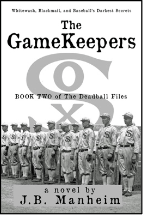
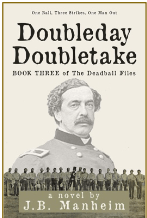
Summer Games Books also published “The GameKeepers: Whitewash, Blackmail and Baseball’s Darkest Secrets” about the 1919 Black Sox Scandal and “Doubleday Doubletake: One Ball, Three Strikes, One Man Out” relating to the game’s sketchy origin story. It soon became a trilogy. But it lacked some visual cohesion.
Since then, Manheim has aligned with Sunbury Press, and those three titles were reproduced in the fall of 2023 with new covers.
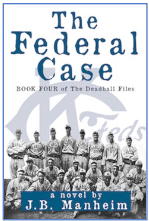
It added a fourth in the series called “The Federal Case,” about the one-and-done professional league of 1914 that went away after a settlement by the National and American Leagues.
Now comes this Edison log added to the fireside chat/detective work. Edison’s self-proclaimed enjoyment of baseball brings him into the fray and moves the plot forward.
After all, it was Edison who said in a 1927 interview: “I don’t believe you can find a more ardent follower of baseball than myself, as a day seldom passes when I do not read sporting pages of the newspaper.” Most likely at the time dominated by the exploits of the ’27 Yankees.
Coming to this point, the story focuses on Edison’s last surviving offspring, Uncle Frank Culbertson, and … maybe we’ve already said too much … The author can best take it from here:
Author Q&A
Through email correspondence, Manheim, based in Annapolis, Maryland, told us more about his project:
Q: How did your previous professional life prepare you for this baseball book journey?
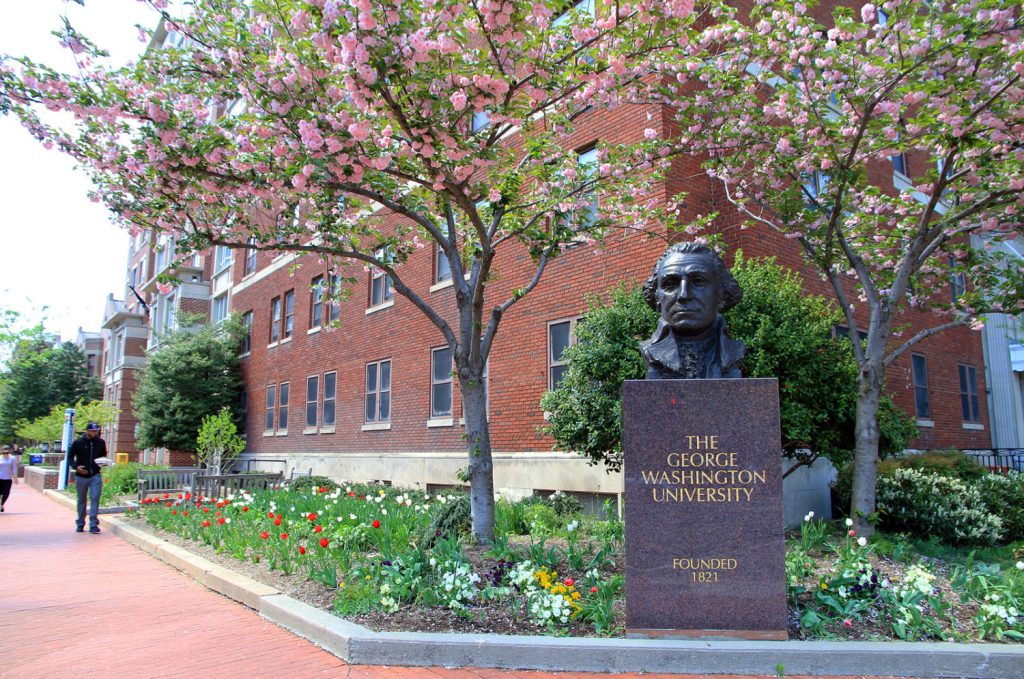
A: I am Professor Emeritus at The George Washington University in D.C., where I developed the world’s first degree-granting program in political communication and was founding director of the School of Media & Public Affairs. I am a political scientist by training, and back in the early 1970s at City College of New York (and later at Virginia Tech) taught one of the very first courses in the field we now call political communication. To the point of the question, my research through the years focused on how governments and agencies, political leaders, interest groups, corporations, insurgent and terrorist groups, and others use information and pressure campaigns to get what they want. My professional interest in propaganda and political strategy, and my appreciation for a good cover-up or conspiracy, are reflected in the stories in The Deadball Files. My fiction is published under the name J.B. Manheim to distinguish it from my academic writing, which is still floating around in obscure corners of the world.
Q: Can you explain more your entry point into baseball and how you watch games today versus how you did growing up?
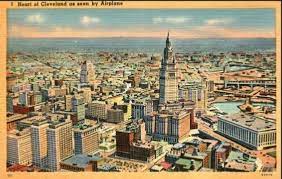
A: I grew up in a family of baseball fans. My dad was a fan (I still have his old pancake glove), and as I recently learned, his father played on a championship amateur team in the 1920s. In the days when major league players were home grown, my mother grew up in Cleveland down the street from some Indians players. I grew up watching Texas League games, and on July visits to family in Cleveland we would always take a night or two off and revisit winter weather at the Mistake by the Lake. As for my own career as a successful left-handed batter… well, that ended early when I met my first left-handed curve-baller.
Q: If you are asked to summarize this series in a couple of blurbs, how do you best convey it to a first-time reader who’s just curious enough to invest the time and intelligence into this?
A: Behind the green grass and iconic heroes, professional baseball has always been driven by greed, ambition, a lust for power, and a ceaseless conflict of motives that goes far beyond winning and losing. All these forces were at work in the so-called Deadball Era, roughly the years 1900-1920, that was also a period of dynamic political and social change that extended well beyond the game but doubtless impacted it. Now, a series of present-day mysteries and legal thrillers grounded in that history takes readers to the secret heart and soul of contemporary professional baseball and challenges them to question how much of what they think they know about the game is true, and how much is simply a facade masking a far deeper and more complex reality. Where is the line between fantasy and reality? The Deadball Files.
Q: There are baseball history books. There are baseball-related fiction books. Do you think you’ve carved out a more specific genre of based-on-baseball-history-fiction?
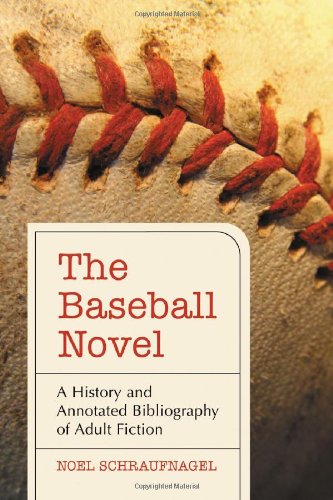
A: There are a great many works of baseball fiction. Back in 2008, Noel Schraufnagel published an annotated bibliography that included hundreds of them dating as far back as 1838. Of those I have read, many focus on individual players or teams or seasons, or even specific games, and many are pure fantasy. Some, including those I value the most, have a broader reach or in some other way bring in historical context — baseball or general — which their authors explore through fiction.
I believe my own novels draw inspiration from this latter writing, but I have attempted something a bit different. Each book of The Deadball Files is grounded in some event and/or personality of the Deadball Era, which I explore through a mixture of true history and invented history. Each book is fully annotated with respect to the true history, which goes well beyond the baseball. But the books themselves are not about the Deadball Era per se. Rather, they are present-day mysteries or legal thrillers whose plots arise from Deadball roots but play out in today’s media and political environment and courtrooms while tying, as well, to contemporary trends and issues in the business of baseball. I view all of that through the lens of my background in strategic communication and politics. I think that makes for a unique mix of history, mystery, deception, intrigue, and baseball. At least I hope so.
Q: When D. Bruce Brown calls you a mashup of Dan Brown and George Will, does that ring accurate to you?
A: I love this comment. Like Dan Brown, I make a lot of use of historical documents — one or two of them real — and existing suggestions of conspiracies like the one surrounding Albert Spalding’s designation of Doubleday as the inventor of the game — and all the books, even the legal thrillers, include the element of the quest. On the George Will side, the books include a lot of behind-the-scenes dynamics, including a lot of little-known or otherwise under-appreciated bits of baseball history. So yes, I like to think the characterization fits. Others have likened the books to the writing of John Grisham, Harlan Coben, or even Charles Dickens. What can I even say to that?
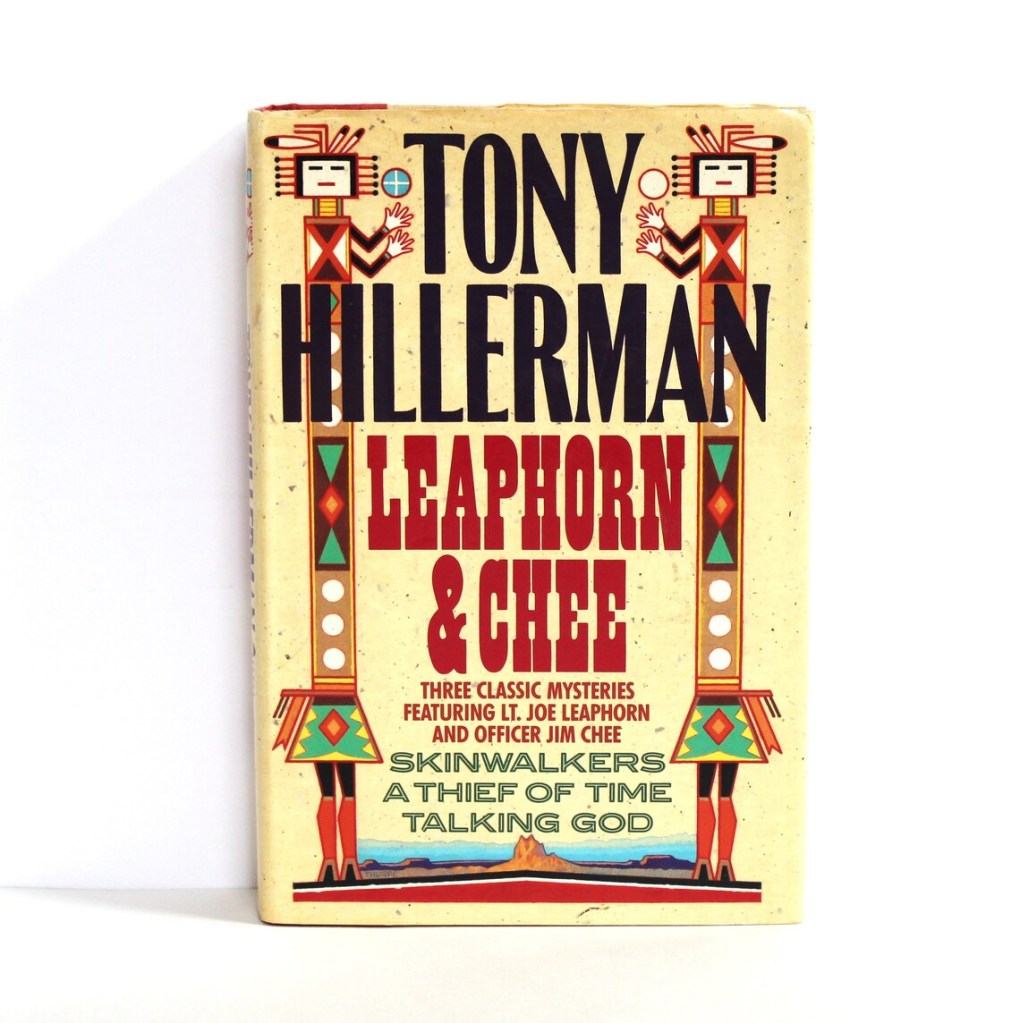
If it were me, I would set the gold standard as the Joe Leaphorn and Jim Chee novels by the late Tony Hillerman. Each of those books offered a mystery the solution to which required an appreciation for Navajo culture and life on the reservation, which the stories provided in a most entertaining and engaging fashion. I like to think that my novels are similar — I try to engage my reader in solving each mystery while at the same time learning some things about history in general and about the history of baseball in the Deadball Era.
Q: What have you learned most about the game having researched and written these books?
A: Back in 2018, when I stumbled into writing what has since become a series of novels, my knowledge of baseball history was superficial at best. I couldn’t have told you what the Deadball Era was.
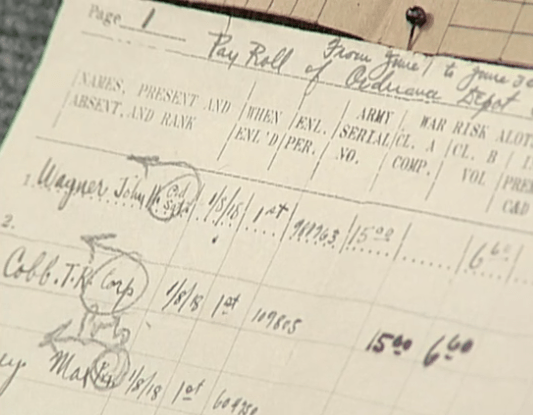
One thing I did know was that Christy Mathewson had been a great pitcher back in olden times, but he had died from poison gas exposure after he and Ty Cobb were shipped off to France as officers in World War I and there was some sort of accident. Imagine my surprise, then, when I was watching one of those 15-year-old reruns of “Antiques Roadshow” and there was a box of military papers that seemed to tell a very different story. According to the papers, Mathewson and Cobb had been training on ordnance in June of 1918 along with a handful of other prominent major leaguers who would be early inductees into the Hall of Fame many years later. That started me on the search for an explanation that eventually led me to write “This Never Happened.”
It also got me started learning a great deal more about the Deadball Era, which included such behind-the-scenes elements as the consolidation of the major leagues, the creation of the Doubleday-centered creation myth, and the redesign of the baseball, not to mention the emergence of Babe Ruth and the debacle of the 1919 World Series and its organizational aftermath.
All of that took place during an era of seismic technological, social, and political change in the U.S. and elsewhere — an era of firsts. The first powered flight. The first large-scale assembly line. The development of mass-audience media. The First World War. The birth of American empire. The first pandemic of the modern era. All those changes and others had an impact on the National Pastime.
I was hooked.
Q: What kind of topics might be coming up next in the series?
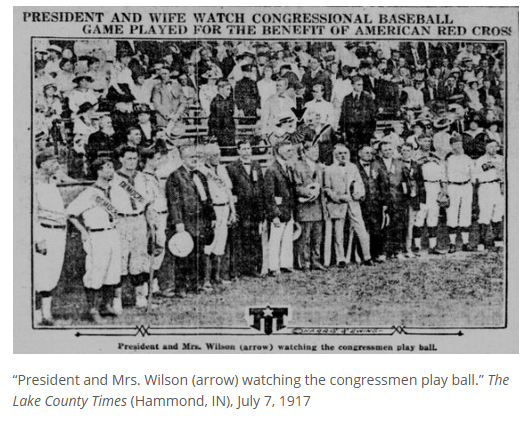
A: The sixth book in the series, which is half-plus written, follows the same plot dynamic as the first five: An event from the Deadball Era with connections to a contemporary secret of some sort. In this case, the historical hook is the very first Congressional baseball game, which was played in 1909. I have turned up some really fun facts about that game, including the actual box score, and I also think I know why it was played. Beyond that… well, you’ll just have to wait for the book.
I am quite gratified that the books have been relatively well received. Though none has yet won “the big one,” whatever that may be, three of the titles have been judged Finalists in national competitions: “This Never Happened” in the American Book Fest competition for Best Sports Book of the Year, “Doubleday Doubletake” in the Readers’ Favorite competition for Best Sports Fiction of the Year, and most recently, “The Federal Case” in the Best Thrillers competition for Best Legal Thriller of the Year. I think of them as the three bridesmaids.
For what it’s worth, I also like to point out that these books are not self-published. There is nothing at all wrong with self-publishing, especially in this day and age. But I take pride in the fact that these books come from Sunbury Press, a mid-sized traditional publishing house with perhaps 1,500 titles. Sunbury just celebrated its 20th anniversary last year.
How it goes in the scorebook
More than just enlightening. There is distinct afterglow to Volume Five. It’s a nice flow of info and dialogue that keeps this moving to a point where can appreciate how history is always something we can relearn, re-examine and, perhaps, re-appreciate. This series does it for us.
You can look it up: More to ponder
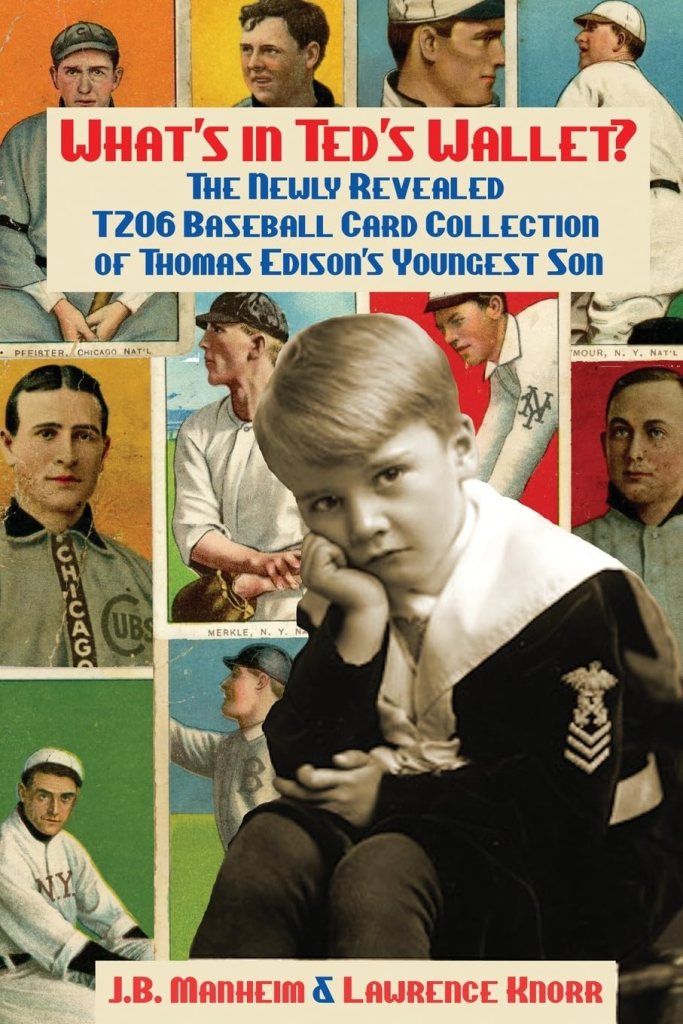
== Manheim, co-authoring with Lawrence Knorr, have also released this non-fiction book in April, 2024: “What’s In Ted’s Wallet?: The Newly Revealed T206 Baseball Card Collection of Thomas Edison’s Youngest Son” (Sunbury Press, 112 pages, $19.95). When researching for the Thomas Edison fiction book, they came these baseball cards owned by his youngest son, Ted, and they want to share what cards exist and the stories around them. h readers both the cards themselves and the story surrounding them. Ted’s collection began in 1909, at age 11, kept in a ratty old wallet. There were 61 cards, featuring 58 players from the most prized tobacco company collection in the sport’s history. Edison had cards of Ty Cobb, Christy Mathewson, Walter Johnson and many more. When Ted passed away in the 1990s, his family donated many of his personal effects to the Thomas Edison National Historical Park — including these cards.
== So more about Thomas Edison and his baseball fandom:
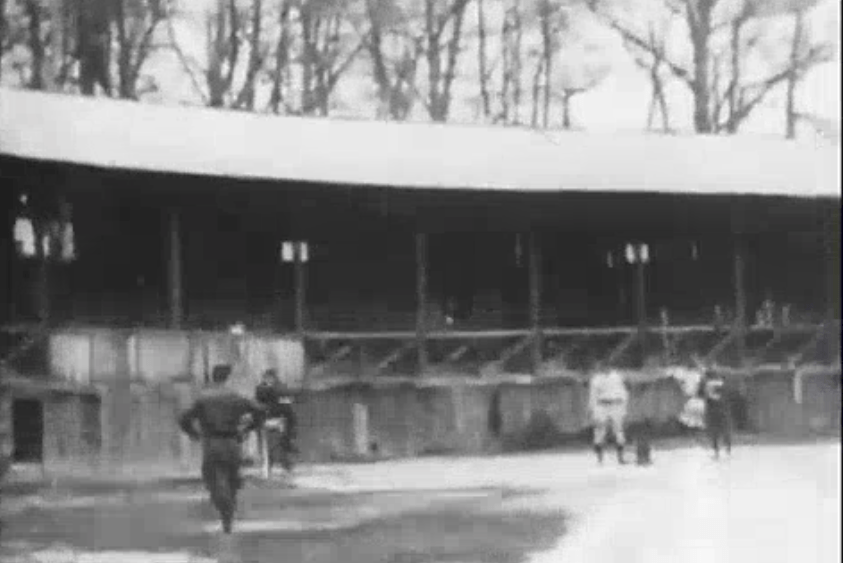
= The Library Of Congress has in its archives a short 27-second film clip called “The Ball Game,” with the creator credit assigned to “Thomas A. Edison, Inc., 1898.” The description: “Photographed from one camera position behind home plate, the film shows a baseball game in progress. The Reading pitcher has just let a Newark (New Jersey) batter walk to first. He gets up on his toes, ready to head for second base. The next batter up cracks first ball pitched for a two bagger, and races for the base with a burst of speed. The first baseman just misses a put-out. A man on the coaching line yells, the umpire runs up to make a decision, and a small boy runs behind the catcher, close to the stands, where there is a great commotion.”
= The EdisonMuckers.com blog posts about how at Edison’s legendary West Orange Labs, “with his many employees, probably 10,000 or more, it was only natural for many healthy young men to engage in sports, what would later become known as industrial leagues. Tom supported his different sports teams. Here in the photo below, he is surrounded by one of those baseball teams, circa 1920s.”

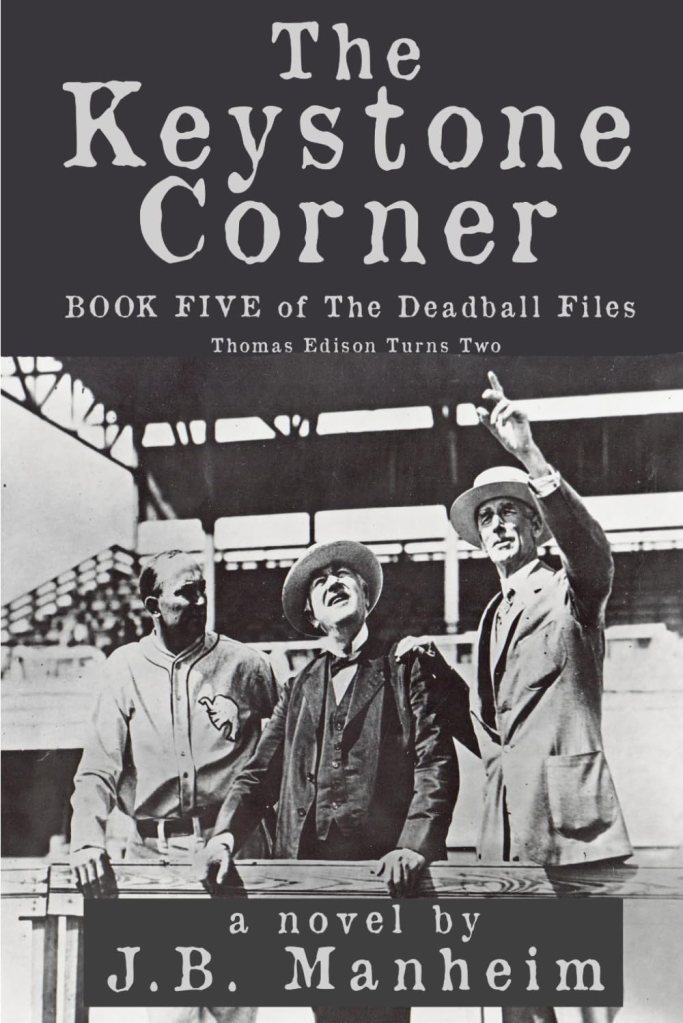
And alluding to Manheim’s book cover shot of Edison with Ty Cobb and Connie Mack, there is this added context: “Down at his winter home in Ft. Myers Florida, Edison enjoyed watching the boys tune-up their Spring training for the up-coming season. His attraction to the Philadelphia Athletics was enshrined in this circa 1925 photo of Tom with Ty Cobb and Connie Mack. He befriended legendary team manager Connie Mack, often socializing with him and other members of the team, and even occasionally hosting them at his estate. Edison remained a loyal fan, attending Athletics’ spring training and regular season games.”
== Manheim has also written “The Death of a Thousand Cuts: Corporate Campaigns and the Attack of the Corporation” in 2001 and “Empirical Political Analysis: Research Methods in Political Science” in 1986.

 Tom Hoffarth's The Drill: More Farther Off the Wall
2 thoughts on “Day 4 of 2024 baseball book reviews: A light-bulb moment in the Deadball mysteries”