


This is the latest post for an ongoing media project — SoCal Sports History 101: The Prime Numbers from 00 to 99 that Uniformly, Uniquely and Unapologetically Reveal The Narrative of Our Region’s Athletic Heritage. Pick a number and highlight an athlete — person, place or thing — most obviously connected to it by fame and fortune, someone who isn’t so obvious, and then take a deeper dive into the most interesting story tied to it. It’s a combination of star power, achievement, longevity, notoriety, and, above all, what makes that athlete so Southern California. Quirkiness and notoriety factor in. And it should open itself to more discussion and debate — which is what sports is best at doing.
The most obvious choices for No. 66:

= Yasiel Puig, Los Angeles Dodgers
= Bruce Matthews, USC football
The not-so-obvious choices for No. 66:
= Andrew Bogut, Los Angeles Lakers
= Myron Pottios, Los Angeles Rams
= Tanner Scott, Los Angeles Dodgers
= Carl Weathers, Long Beach City College football
The most interesting story for No. 66:
Yasiel Puig, Los Angeles Dodgers outfielder (2013 to 2018)
Southern California map pinpoints:
Los Angeles (Dodger Stadium), Rancho Cucamonga

An immigrant’s journey seeking a place in the United States, politically motivated asylum or otherwise, can be harrowing.
Yasiel Puig had his own disturbing version.

It reads as bizarre, in some ways, as the arrival he made with the Los Angeles Dodgers in June of 2013, just one year after he survived to arrive in Southern California.
June of 2012 was said to be the fifth time Puig tried to escape from Cuba, navigate the Caribbean waters, finally set foot in Mexico, pay off coyotes, and head go north. By some reports, he may have attempted and failed this task more than a dozen times previously.
A Santeria priest started this latest trip with a blessing that included a splash of rum and a sprinkle of chicken blood. Puig and two others climbed aboard a tiny speed boat, which eventually went adrift when it ran out of gas. It forced the group to wade ashore through crocodile-infested waters, then become confused as they were held captive by a Mexican-based trafficking ring on an island off the coast of Cancun. There, they awaited a $400,000 payment from a small-time crook in Miami so they could proceed by whatever means next.
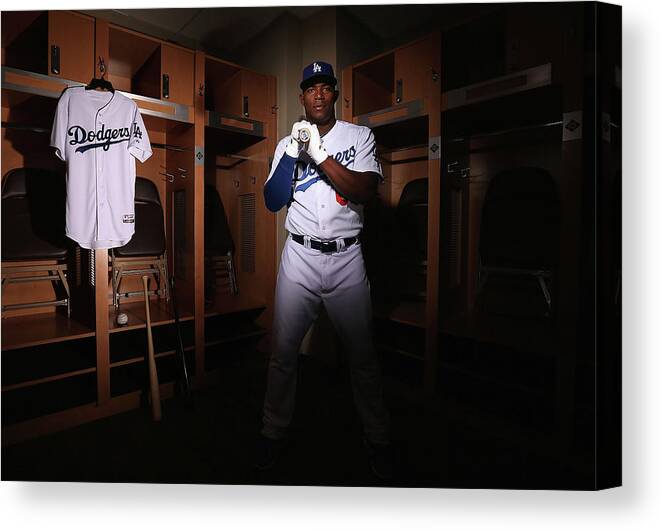
Somehow, this journey not only panned out for Puig, but just weeks later, the Los Angeles Dodgers would sign him to a $42-million, seven-year contract. It was based on really nothing more than a batting practice session to assess his talent first hand after seeing him play in the recent past.
Puig’s story became the latest example of what some were calling the MLB endorsement of a human trafficking ring. Did the rewards outweigh the risks? Depends on who you asked.
All and all, Los Angeles had itself the next big “wow” attraction.
The enigmatic 22-year-old elicited comparisons to Bo Jackson by Dodgers manager Don Mattingly. Puig’s aura, smile and personality were likened to Magic Johnson. Scouting director Logan White believed Puig could be the LeBron James of baseball.
Then something got lost in translation.
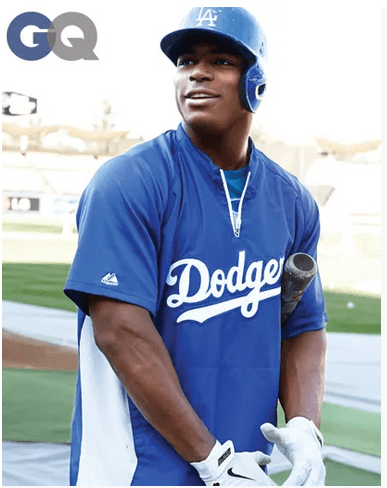
Wild horses couldn’t drag Yasiel Puig out of the spotlight in 2013.
By the time the calendar ended, GQ included Puig in their “Men of the Year” issue, one that also had Pope Francis, Matthew McConaughey, David Beckham and Kendrick Lamar. The Puig full-page spread called him “Phenom of the Year.”
Vin Scully’s endearing nickname, “The Wild Horse,” became the Puig brand. His Instagram account documented encounters with well-known celebrities who wanted to be in his circle.
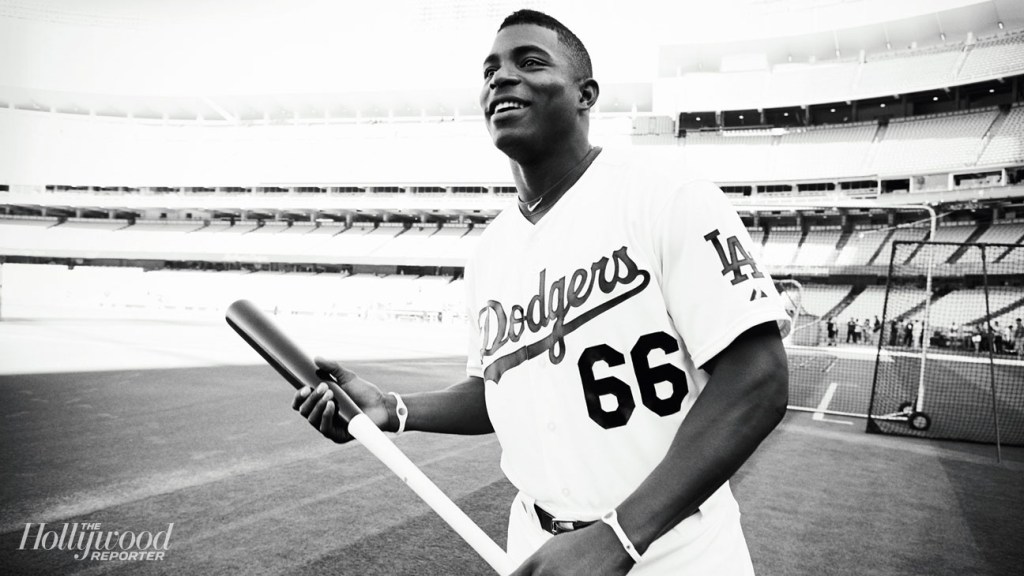

The Hollywood Reporter did a splashy piece in August of 2013 that included Puig front with Lindsay Vonn and Kevin Durant in a piece about how “athletes are TV’s new stars.”
“(Puig’s) sizzling debut has propelled Dodger baseball into must-see TV again and fueled sellouts at home and on the road. … Puig notes that Dodger Stadium — and his downtown L.A. apartment — are his favorite places in the city, where he frequently is spotted in his now-trademark white Rolls-Royce. … As for going Hollywood, he jokes that he’s open to a Puig biopic — with one stipulation. “If anyone wants to do a movie about my life, give me a call, I’ll star in it,” the 6-foot-3 star says with a roaring laugh.“
In 2014, Puig was voted onto the NL All Star team’s starting lineup.
By 2015, MLB OK’d him as the the headliner for its official video game.
For those first three seasons, Puig was the greatest showman of reckless abandon with a variety of results.

His last three season, storm clouds gathered.
In 2016, a banishment to Triple A to gather himself, coming after the Dodgers tried to actually trade him away. It was supposed to be a wake-up call as team chemistry was questioned. To the extent that the Dodgers went to the World Series in ’17 and ’18 with Puig in tow, but still came up short, it showed perhaps the mojo returning.
But by 2019, the Puig Phenomenon was fading. Traded away to Cincinnati, then to Cleveland, then out of the big leagues by the 2020 COVID pause, trying to find work, and a work ethic, ever since in Mexico and South Korea.
It didn’t change his origin story, which remains as baffling as it is worthy of a docu-drama.

In August of 2013, the Los Angeles Daily News pieced together a news-graphic story to focus on “66 things we now know about Yasiel Puig.” It was based on his No. 66, given to him in spring training and something he took pride in having something that could be interpreted as something borderline demonic.
The story included more about how Puig was first viewed by the Dodgers organization when scout Mike Brito saw him as a teenager in an international tournament in Cuba. There was a large gap in Puig’s resume by the time three Dodgers scouts eventually watching him at a brief workout in Mexico City. All Puig did was hit — no running, fielding or throwing. Enough for the Dodgers to approve a contract on June 29, 2012 that had to be done in a bit of a rush. Had the signing come four days later, it would have been invalid because new MLB restrictions on international signings.
As Jeff Passon wrote for Yahoo! Sports: “If it seems as though Puig materialized from nowhere and became one of the biggest things in baseball overnight, it’s because he did. The first 21 years of his life remain almost a complete secret. … Baseball demigods don’t just appear out of nowhere. Even Cubans who defect arrive with some sort of a backstory. Puig is an anomaly: a burgeoning legend without a past.”
Before Puig’s second season with the Dodgers, there was new evidence to consider.
In the spring of ’14, L.A. Magazine published a story by Jesse Katz chronicling how Puig was smuggled out of Cuba by an elaborate team of fugitives. This time he came with a friend who was a boxer, also escaping to find riches in America, and someone who was known as Puig’s girlfriend. Puig promised to pay his coyotes with money from his new MLB contract — he didn’t know it would be the Dodgers yet. He received death threats for those who arranged this all.
“I don’t know if you could call it a kidnapping,” said boxer Yunior Despaigne, Puig’s friend since high school, “because we had gone there voluntarily, but we also weren’t free to leave. If they didn’t receive the money, they were saying that at any moment they might give him a machetazo (hit Puig with a machete), chop off an arm, a finger, whatever, and he would never play baseball again, not for anyone.”
ESPN had its own version of the story headlined “No One Walks Off the Island” by Scott Eden. It included:
“That Yasiel Puig — who can now be seen in paparazzi photographs, his arms around the shoulders of the likes of Jay Z — departed Cuba in a clandestine operation that involved a 50-kilometer swampland trek and a cigarette boat piloted by Zeta-affiliated gangsters speaks to a certain root absurdity in the ways of man. “Puig would have had no reason to embark on his strange odyssey were it not for the adversarial relationship between Cuba and the United States, still nurtured by both nations 25 years after the collapse of communism nearly everywhere else on the planet.”
It pointed out that since 2009, at least 20 defectors from Cuba signed MLB contract worth more than $300 million. Now it could be asked: Was the MLB encouraging human trafficking of its players? According to news reports, in March 2015, a Miami businessman, Gilberto Sanchez, was sentenced to one month in prison and five months’ house arrest for his involvement in part of Puig’s journey. Puig wasn’t punished.
Some of that horrific survival technique may better explain Puig’s approach to the big-league experience. What did he have to lose?
He started playing professionally in Cuba at age 17 but hadn’t played organized baseball in more than a year when the Dodgers swooped in for the signing. They knew he played for the Cuban National team and was a member when they won the World Junior Baseball Championship.
After Puig hit .330 with 17 homers, 47 RBIs for Cienfuegos in 2011, he was unsuccessful trying to defect to the U.S. with teammate Gerardo Conception, who did make it. Puig was punished by being banned from playing in Cuba for the 2011-12 seasons.

After signing with the Dodgers, Puig was sent to Single-A Rancho Cucamonga (14 games), then the Arizona Instructional League (nine games), the Puerto Rican Winter League (20 games) for 2012. He started 2013 at Double-A Chattanooga and in 40 games hit .313 with eight homers, 37 RBIs, 13 stolen bases and a .982 OPS.
Then came the call up. Ready or not.
The launch

It wasn’t so much that Yasiel Puig’s coming-out party in June of ’13 during a week’s worth of games at Dodger Stadium produced four homers, 10 RBIs and a .464 batting average.
His powerful 6-foot-2, 240-pound frame showed every piece of the five-tool potential along with some playful innocence. Observers who already saw his potential in spring training knew there was a lot of polishing needed.
Yet Puig was immediately transformative. A Dodgers squad last in the NL West at 23-32 and 7 ½ games out saw star outfielder Matt Kemp go on the injured list. Called up from Double-A Chattanooga, Puig was thrown now into the deep end, hitting leadoff and given the right-field spot, which meant moving veteran Andre Ethier over to center field.
Puig’s major league debut on a June 3 Monday night saw him flick his bat away after he launched a single to center field to lead off the first inning. It was followed by a sixth-inning single. But the prize move came in the top of the ninth inning. With one out and the Dodgers holding a 2-1 lead, Puig sprinted toward the right-field wall to haul in a long fly ball by San Diego’s Kyle Banks. Chris Denorfia, the Padres’ runner on first, did nothing wrong by going halfway to second and stop to see what would happen. By the time Denorfia turned and hustled back to first, Puig had gunned the ball on the fly to Adrian Gonzalez, executing an electric game-ending double play.
Dave Roberts, the Padres’ first-base coach, put his hands to his helmet in disbelief. That was only putout and assist Puig had all night.
One night later, Puig hit a lead-off double, cracked a three-run homer in the fifth to push the Dodgers ahead, and blasted a two-run homer an inning later to secure a 9-7 win. Scully proclaimed: “Viva Cuba! Viva Puig!”
Two nights later against Atlanta, the Dodgers held a 1-0 lead with one out in the bottom of the eighth inning. Puig launched a grand slam into the right-field pavilion. The Dodgers had a 5-0 win and a full-fledged mania brewing through the national media.
“He does some amazing things, and the other guys love seeing that,” Mattingly said. “It’s hard not to watch this guy. He looks like he plays with such joy. He’s got that juice.”
The next night, a solo homer in the sixth tied the game at 1-1. The next night, Puig had two more hits and from right field shot down Andrelton Simmons in the fifth inning trying to go from first to third on a single. In the series finale against Atlanta, Puig went 3-for-5 and played the last two innings in center field to see what he could do there with more land to roam.
Puig was not only the NL Player of the Week after that auspicious debut, but he would end up as the NL Player of the Month, gate-crashing the game with a .436 average and seven homers.

The 44 hits he had in June were the most by any Dodgers player in any month, and the most by a rookie in his first month since Joe DiMaggio’s 48 in May of 1936.
By July, the Dodgers gave away “Puig Factor” T-shirts for a Sunday afternoon game against the Rockies. The park was a sellout. Some made a case for adding Puig to the NL All Star team for the Midsummer Classic in New York, even thought Puig had played in just 32 games (but was hitting .407 with an OPS of 1.114). It didn’t happen, but … it could have.
On July 28 when the Sunday afternoon shadows were creeping across at Dodger Stadium, Puig did another video-game move. He ended a scoreless game against Cincinnati in the bottom of the 11th by launching a homer to left field. It wasn’t just a walk-off. After sprinting around the bases, Puig danced through his celebratory teammates and slid into home plate.
Fun and games. Until it wasn’t.
Mattingly and his staff tried to give him the freedom to do his thing, but there were daily teachable moments about how the game was played. It was a high-wire act. Puig could be a lightning rod for criticism for his emotional outbursts — but so long as the team was winning …
A Wednesday afternoon at Dodger Stadium on Aug. 28, ’13 was one example. During the Dodgers’ eventual 4-0 win over the Chicago Cubs, Mattingly pulled Puig from the game to start the fifth inning. Two innings earlier, Puig struck out to end the third. In the fourth, he seemed disinterested in making plays on fly balls that came his way in right field. After the game, there were closed-door meetings involving club president Stan Kasten, general manager Ned Colletti, Mattingly and Puig.
“I felt the meeting went well,” Puig said through an interpreter. “We talked about what I and every player needs to do to prepare for every pitch. I thought it was a good meeting. If I’m in the lineup on Friday, I will make sure to give 100 percent. If not, I will prepare to make sure I’m ready when my turn comes.”

Puig’s talents allowed him to think he could miss hitting a cutoff man to catch a runner advancing, even if it meant the trail runner took an extra base during this act of showmanship. Puig’s speed allowed him to think he could just hit the ball and never stop running because he could beat out someone else’s throw.
The formula meant the Dodgers were 66-38 in the 104 games Puig took part in –64-32 when he started. They finished 11 games ahead of Arizona to win the division — the team’s first in four seasons.
Heading into the playoffs, the Orange County Register’s Bill Plunket was being realistic when he wrote:

Vin Scully has dubbed Dodgers rookie Yasiel Puig “The Wild Horse.” The Hall of Fame broadcaster is too polite to call him a loose cannon. … At times unbridled and unsophisticated, Puig has shown equal abilities to make the spectacular play … as the thoughtless one.
“My whole thing is — what’s our record when he’s in the lineup?” Dodgers first baseman Adrian Gonzalez said. “So why are we talking about the mistakes he makes? Yeah, he’s made mistakes when he’s out there. But we’re ballplayers. We all make mistakes. Why point out the bad parts when there are so many good parts to his game? Again, what’s our record when he plays? It’s just people who want to be haters.”
In the bottom of the eighth inning of the Dodgers’ Game 4 in the NL Division Series against Atlanta, Scully sang from the Dodger Stadium radio booth: “And the Wild Horse is loose!” Puig shot a grounder past Braves first baseman Freddie Freeman and, as the ball headed toward the right-field corner, dove head-first into second base with a lead-off double. A Juan Uribe homer followed to give the Dodgers an eventual 4-3 win to wrap up the series, and Puig went 8 for 17 with five runs and a .471 average in the four games.
The spotlight grew as Dodgers charged into the 2013 NL Championship Series. Puig struck out four straight times in a 1-0 Game 2 loss in St. Louis. He went 2-for-3 with an RBI in each of Games 3 and 4. In a 9-0 loss that ended the series in Game 6, Puig made a couple of unwise throws that led to Cardinals’ runs, causing Scully to scold him for “thoughtless” decisions.

“It’s been our battle,” Mattingly said. “He’s always trying to make plays. We’re trying to teach. I don’t know how else to say it.”
Strictly by the numbers, Puig’s .319 batting average with 19 home runs and 42 RBIs in his first year, playing 104 games, were very, very nice. But he only got four of the 30 first-place votes for National League Rookie of the Year. Another Cuban-born player, Miami’s Jose Fernandez, would take the Jackie Robinson Award, the first to get it from his country.
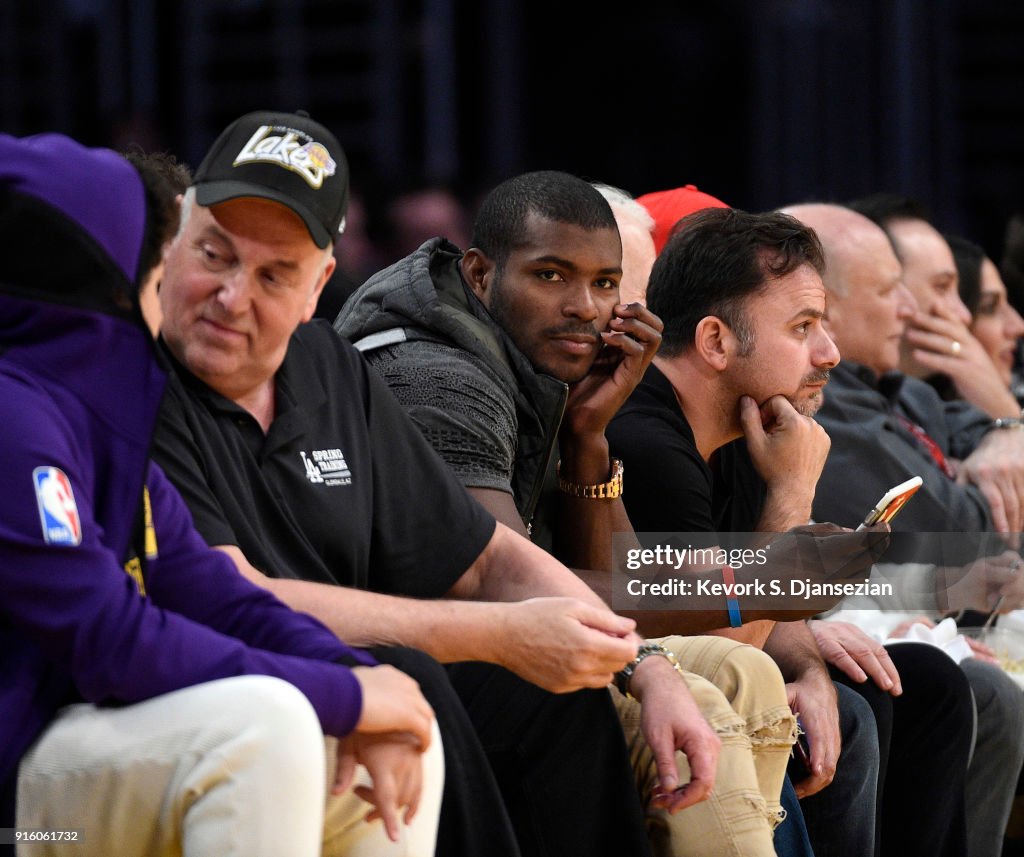
Once the Dodgers’ season ended, it’s as if Puig didn’t want to leave L.A. He tagged along with Dodgers executives Lon Rosen and Stan Kasten to the Lakers-Clippers season opener in late October and immediately made known his loyalty.
Puig noticed a Clippers fan who kept parading loudly behind his row of seats. By the third quarter, Puig waved him over and offered to sign his hat. Puig not only wrote his name, but included: “Go Lakers.”
“I didn’t think much about it until they called Puig up and he set things on fire,” said Lakers chief of business operations Jeanne Buss. “I made a point to tune into every Dodger game to see if the kid was for real. Watching the fans react to him was, for me, the most intriguing aspect. They were falling in love with him. “I hope he keeps that joy and passion for life because it’s contagious for anyone around him.”

From the GQ story, Tim Bravo, a high school teacher by trade hired by the Dodgers as its “director of cultural assimilation,” explained: “You would never, never believe what it was like to be involved with Puigmania. We couldn’t go anywhere without him getting mobbed. One afternoon in Pittsburgh, he said, ‘Teacher, let’s walk to the stadium,’ and fans followed us like the Pied Piper. … He loved that he could watch The Three Stooges whenever he wanted. When coaches needed to yell at him, I was the guy in that triangle, translating … Sometimes we’d fight, like family: mostly me saying, ‘Yasiel, no no no,’ and him saying ‘Teacher, yes yes yes.’ He just does everything hard in life. He’s aggressive; he likes to have fun. I love him like a son.”
Even as he was cited for reckless driving in December of 2013 — a repeat offense of something he did earlier in April — Puig somehow got a pass.
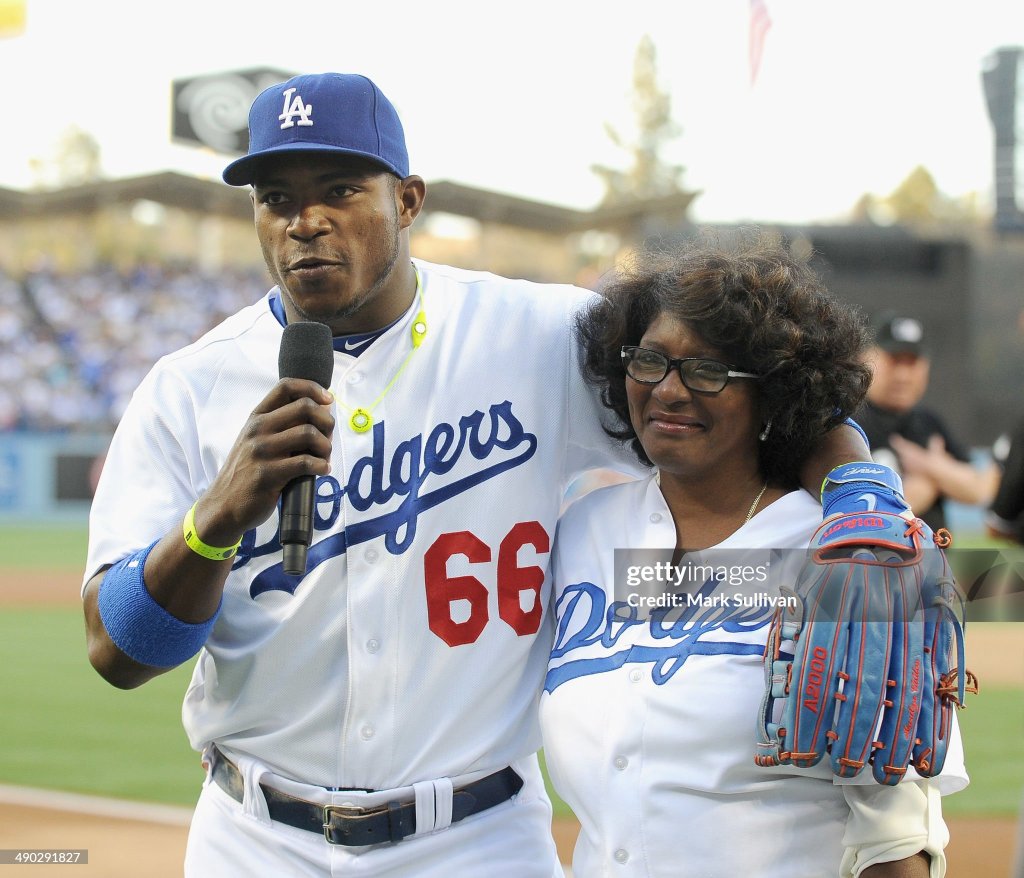
Puig’s 2014 season included the NL May Player of the Month Award (.398 with eight homers and 25 RBIs in 28 game), boosting his season average to .347 overall, second in the league. At one point, he drove in runs in eight consecutive games.

Hitting coach Mark McGwire — now called the “Wild Horse Whisperer” — became more influential. Teammate Adrian Gonzalez could speak the language, trying to help transform reckless abandoned into something more refined.
For the 2014 MLB All Star Game played in Minneapolis, Puig was voted in as the NL starter in right field, batting second. He struck out swinging against Felix Hernandez, struck out looking against Yu Darvish and struck out swinging against Max Scherzer.

The day before, Puig was recruited for the Home Run Derby where he overswung on just six pitches and hit no homers, the only goose egg of the 10 competitors.
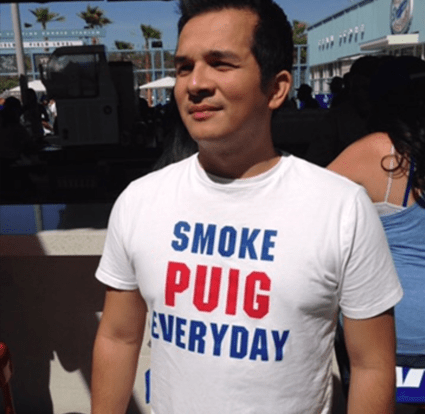
A couple weeks later in a game in San Francisco, Puig went 4-for-5 with three triples and a double in an 8-1 win, lifting his average to .315.
The Dodgers would win the NL West again.
But in losing the divisional series to St. Louis, Puig struck out seven times in a row during the first three games and went 3-for-12 with eight K’s. The Dodgers lost the best-of-five round in four games.
A new set of eyes were on Puig’s development for 2015 — Andrew Friendman was in as the new head of baseball operations, with Farhan Zaidi as the new GM.

In and out of the lineup with hamstring injuries, Puig was said to be late to rehab visits, late to games, not listening to those trying to help. He hits .255 in 79 games with 11 homers and 38 RBIs, stealing just three bases. The numbers panned out: The Dodgers were 38-32 when he was in their starting lineup and 51-38 when he wasn’t.
In the playoffs, Puig went hitless in six at-bats as the NL West champs again fizzled out in the first round, this time to the Mets.
Mattingly was left wondering what motivated Puig any more.
“Like three days ago, he was running at 80 percent and having pain,” Mattingly said. “And then, all of a sudden, he’s going 100 percent and feels fine. … miraculous … legendary.”
Mattingly’s tipping point would be chronicled in a 2018 book by former Dodgers GM Ned Colletti. There was a shouting match with Puig in his Mattingly’s office that nearly came to blows.
“As long as I have known Donnie, he has been one of the most dignified, thoughtful people I know in baseball,” wrote Colletti. “It was painful to see him go through this confrontation.”
Dodgers teammates, for that matter, weren’t holding their tongues.
For the 2016 season, the Dodgers let Mattingly go and brought in Dave Roberts as the manager. Another new voice.
The next classic Puig moment came on June 22, 2016. With one on and one out in the bottom of the ninth and the Dodgers trailing by one, Puig shot a grounder up the middle for a base hit. As Washington center fielder Michael Taylor ran in to field it, the ball skipped past him. Puig never looked back. He circled the bases, slid head-first into home, and the Dodgers won in what was called a classic “Little League Home Run,” walk-off style.
None of that could cover up for the injuries, ineffectiveness and insubordination that put Puig him on precarious ground. The Dodgers floated trade proposals for him as the August deadline came. At one point, the Dodgers put him on revocable waivers. When Milwaukee claimed him, the Dodgers pulled Puig back. All that was left for the Dodgers and Freedman to do was dispatch Puig to Triple-A Oklahoma City for a month. The move even made headlines in Rolling Stone magazine.
Although the Dodgers traded for Oakland’s Josh Reddick to play right field heading into the playoff run, they brought Puig back in September. Although the Dodgers reached the NLCS against the Chicago Cubs — baseball’s team of destiny that year — Puig, who went 0-for-5 in the NLDS against Washington, was 4-for-14 against the Cubs in six games.

When April of 2017 came around, MLB was trying to help rehabilitate the Puig narrative. It allowed him to do a first-person re-introduction to himself — “Me In Real Life,” an explainer that gave him a chance to explain how his 3-year-old son Diego and newborn son Daniel made him more settled in. Puig said:
“I want to get back to that place where I had more focus, more discipline at the plate, more discipline with my teammates. Being at the stadium on time to prepare every day is what helps you succeed, and that’s what I want to do this year. Sounds easy doesn’t it? I know it is. That’s why I know I’ll do it. …
“There is a passion I have and we have as Latinos because we love to have fun, we love to show our joy on the field, and I think sometimes that confuses people. Sometimes, other teams get upset with our bat flips or expressions, but that’s how we show our joy. The pitcher can strike you out four times in a game so we like to show our joy when we hit that one home run. Baseball is fun. It’s exciting. I enjoy it. It’s a game.”
Puig also had a new walk-up song when he stepped up to the plate by mid-July, in a game where he hit a game-winning three-run homer to beat Miami. It was called “Wild Horse” by another Cuban star, Chamuel. The English translation to the song’s lyrics: “When he’s coming up to bat and he holds his bat tight / He’s looking at the horizon he’s going to hit it out of the ballpark / Fire, fire, call the firefighters / The hottest Cuban ballplayer that this game has, has arrived.”
New Dodgers hitting coach Turner Ward was seen as the new positive influence — Puig showed his affection by planting kisses on Ward in the dugout.It led to Puig’s career-best marks in games played (152), homers (28), RBIs (74) and walks (64) to produce a .263 batting average. Puig had a new habit of licking his bat and waggling his tongue.
He was lovable, and tolerable, again.
A September, ’17 story in The Ringer called this “The Redemption of Yasiel Puig,” as all was supposed to be OK as he could be a feature player on a roster with Cody Bellinger, Corey Seager and Clayton Kershaw.
“Yasiel is like a diamond in the rough,” said Dodgers coach Manny Mota. “You keep cleaning it and shining it, but it’s still not as bright and pristine as it could be.”
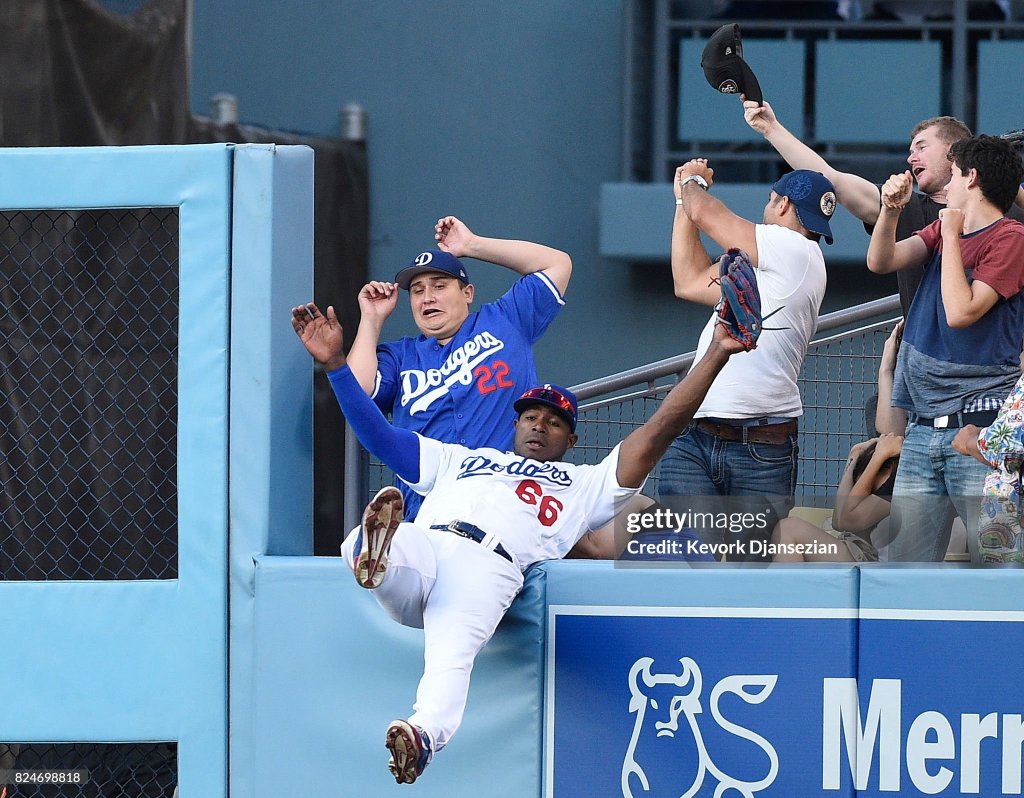
Puig hit .455 in the NLDS (5-for-11 with a double and triple in a three-game sweep of Arizona) and .389 in the NLCS (7-for-18 with a homer, six runs scored and 11 total bases in a four-game series win over Chicago).
“The Taming of Baseball’s Wild Horse” said The Wall Street Journal headline. It called Puig one of the game’s “most ebullient talents” heading into the World Series.
But a .148 showing (4-for-27) in the seven-game title series loss to Houston, despite hitting two homers, wasn’t helpful in assessing what could have gone better for the Dodgers in a seven-game series eventually known for other nefarious things.
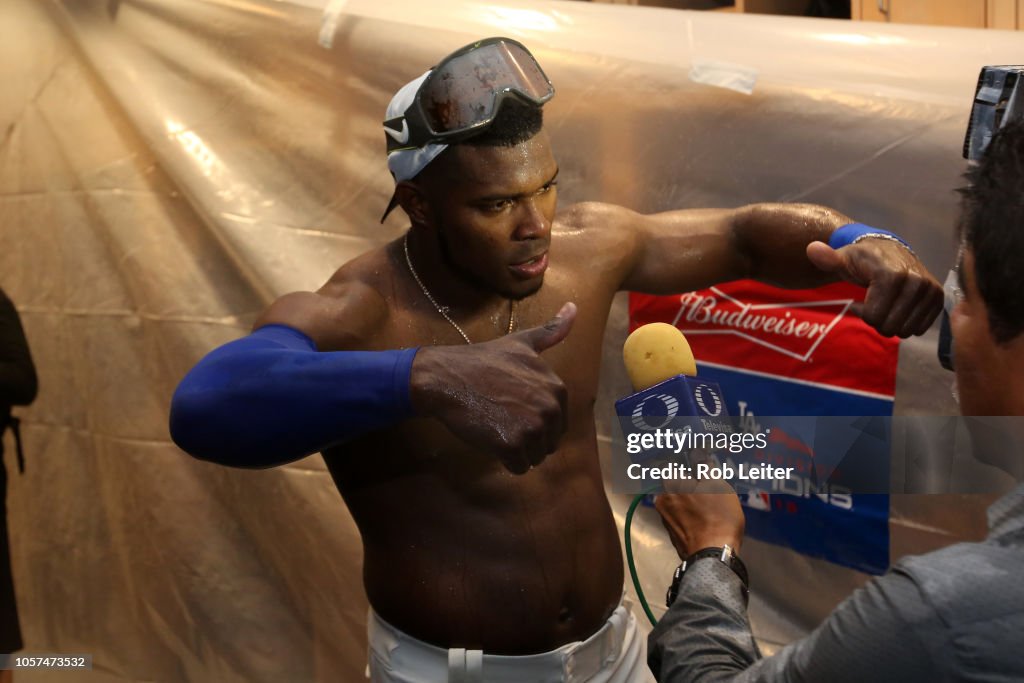
When his representation at Wasserman Media Group didn’t renew his contract, leading him to the Beverly Hills Sports Council, Puig launched into a 2018 season where he hit .267 in 125 games with 23 homers and 63 RBI. He also loved showing himself off for those who wanted to see more:

Some of the press was about how Puig was improving his relationship with his coaches and teammate. More visual evidence was that Puig had an altercation with Chicago Cubs catcher Nick Hundley in August after Hundley chewed him out for throwing his bat in the air after fouling off a pitch.
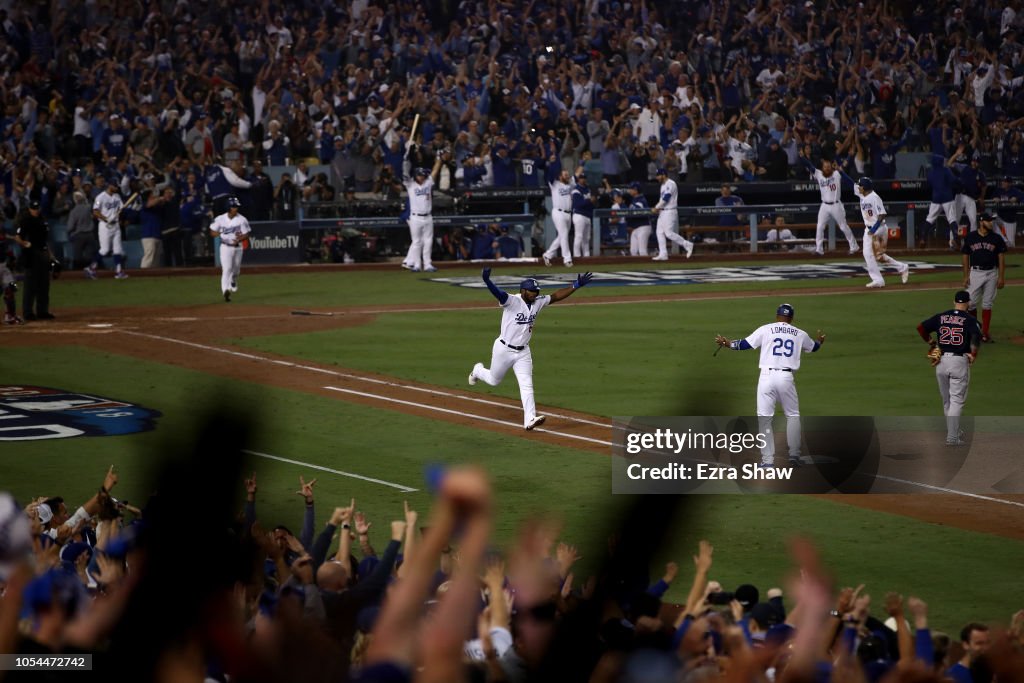
In 16 post-season games for the ’18 October run, Puig held his own. A three-run homer in the NLCS helped the Dodgers secure a Game 7 win over Milwaukee. In the World Series loss to Boston, Puig’s three-run homer in the sixth inning of Game 4 against Eduardo Rodriguez would be the last of his fireworks show in a Dodgers’ uniform.
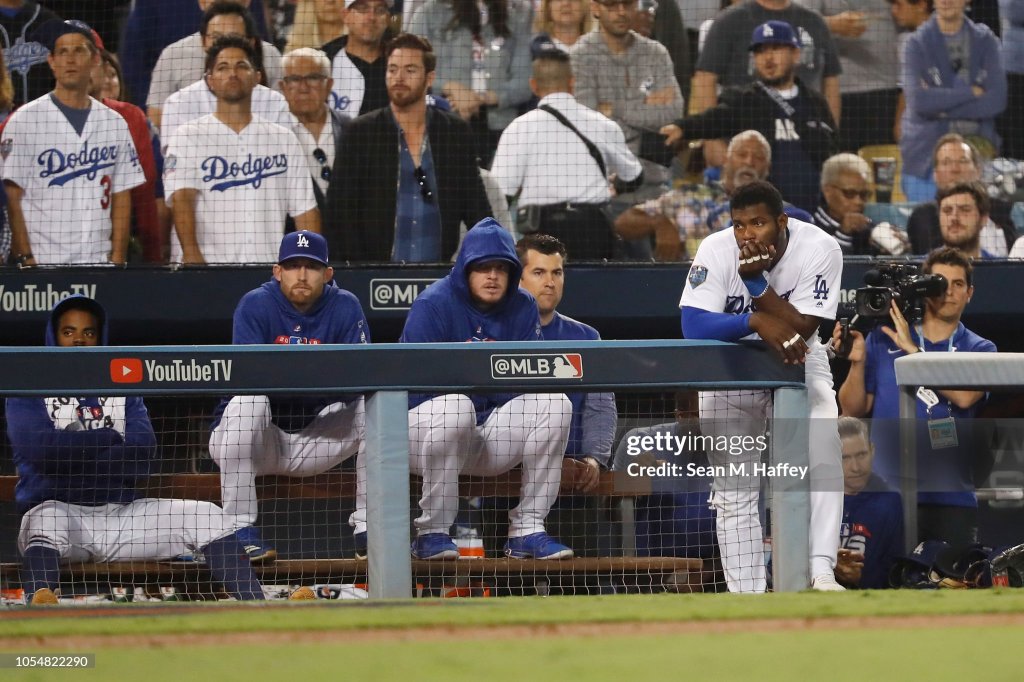
That offseason, Puig was sent in group salary dump to Cincinnati. He lasted just 100 games with the Reds (famously igniting two bench-clearning brawls) and played 49 more after a trade to Cleveland (in a deal that involved Trevor Brauer). Puig became entangled with the law again when he allegedly placed sports bets through an illegal gambling operation based in California.
Puig got spring training invite with Atlanta for 2020, but the whole MLB season dealing with the COVID shutdown left him to fend for himself.
Puig had too much baggage.

A 2019 story in the Los Angeles Times tried to size up the “complicated Dodgers legacy” that Puig left behind.

Justin Turner: “The frustrating part is that if Puig was good, and played good, then we would be a really, really, really good team. So everyone wanted him to be that good player. He didn’t see it that way. He just saw it as he was just going to show up and do whatever he wants.”
Kiki Hernandez: “You never knew what was going to happen,” said “It was electric … He would run where we would be like, ‘Where are you going?’ And then it would still work. Like reckless baserunning that, at the end of the day, looked like it was smart baserunning, because it worked out for him.”
Farhan Zaidi, former Dodgers GM (2014 to ’18): “If you take a step back, there might have been too much focus on what he couldn’t do, or what he didn’t do, than what he did do, and the ways he helped us. And I think he felt that way.”
The aftermath
Whether it was playing in Mexico, Venezuela, the Domonican or South Korea — or wherever else his agent could find him work — Puig announced in May of 2025 he would lay low Los Angeles to recover from a shoulder injury. He then made it know he would start his own YouTube channel — YasielPuig66 — to stay connected.
Earlier in 2025, agent Lisette Carnet said she believed Puig had been “misunderstood” during his MLB career. He was dealing with adult autism and ADHA that was only recently diagnosed.
“He just hit a grand slam in Korea, won the Home Run Derby in Mexico, and brought a championship in a Caribbean Series Cup to his winter team,” Carnet said. “So yes, I absolutely believe he is Major League talent, and I still believe I can bring him back.”

Who else wore No. 66 in SoCal sports history? Make a case for:
Bruce Matthews, USC football offensive lineman (1980 to 1982):

The 6-foot-5, 305-pounder came to USC out of Arcadia High, where he starred on both lines and was a standout wrestler. The school retired his No. 72. At USC, the consensus All-American won the Morris Trophy as a senior, given to the best lineman in the Pac-10. He was the ninth overall pick in the 1983 NFL draft by the Houston Oilers and became a 14-time Pro Bowl selection for the franchise, having his No. 74 jersey retired by the team after he went into the Football Hall of Fame in 2007. No USC player, at any position, played more years as a starter in the NFL (19) than Matthews, the son of former NFL player Clay Matthews, the brother of former USC star Clay Matthews Jr., and uncle of former USC star Clay Matthews III. Bruce’s sons, Kevin, played five NFL seasons as a center, while his other son, Jacob, plays offensive tackle for the Atlanta Falcons.
Myron Pottios, Los Angeles Rams middle linebacker (1966 to 1970):

A three-time All-Pro during his first three NFL seasons out of Notre Dame, Pottios squeezed the Rams into his 12-year NFL career for five seasons as one of head coach George Allen’s favorite players in a defensive group with Jack Pardee and Maxie Baughan. From 1966-1971, the Rams went 49-17 under Allen. In ’67, they won their division at 11-1-2. Two years later their 11-3 record got them back into the playoffs. In 1970, his final year with the Rams, Pottios got his starting middle linebacker position back, played all 14 games with two interceptions and two fumble recoveries. When Allen moved to Washington to become head coach of the Redskins, he valued Pottios so much he made it a point to acquire the veteran linebacker along with Pardee and Baughan as part of the “Over The Hill” gang.
Have you heard this story:

Carl Weathers, Long Beach City College defensive end (1966 to 1967): Apollo Creed, the fictional world heavyweight champ who gave Rocky Balboa a dance in the ring in what would be a string of movie sequels, was known as a fine all around athlete in football, soccer, wrestling and, yes, boxing when he graduated from Long Beach Poly High in 1966. A defensive end at LBCC, he didn’t play the entire ’66 season because of an ankle injury suffered when he tripped over a curb that ran around the athletic track while warming up. After two years there, he transferred to San Diego State (1968 to ’69), helping the 11-0 Aztecs win the ’69 Pasadena Bowl under coach Don Coryell. Still Weathers was a theater arts major, went undrafted by the NFL, played in eight games for the Oakland Raiders as a linebacker and safety, over two seasons, tried the Canadian Football League and retired to actin after the 1974 season. “Rocky” came in 1976.
Tanner Scott, Los Angeles Dodgers relief pitcher (2025 to present): Before the ’25 season, the Dodgers gave the eight-year veteran left-handed reliever a four-year, $72 million deal, with a fifth year for a club option. Almost $20 million was deferred. In 61 games, he had a team-best 23 saves, but also posted a 4.74 ERA, accrued a MLB-high 10 blown saves, a 1-4 record, gave up 11 homer in 57 innings and opponents slugged .520 against his four-seam fastball. He was left of the Dodgers’ 2025 World Series roster after he was dropped out of the NLDS because of a lower-body abscess “medical issue.” It could get ugly.
Andrew Bogut, Los Angeles Lakers center (2017-18): Just 24 games into his stay in L.A., he was waived in early January a day before his contract became guaranteed. He had worn No. 6 for the majority of his career, but the Lakers’ had already given that to Jordan Clarkson. So Bogut became one of only a handful of players in NBA history to ever wear No. 66.

Samuel Aldegheri, Los Angeles Angels pitcher (2024- to-’25): The “first major league pitcher born and raised in Italy to pitch in a major league game” was how Aldegheri was described in the Associated Press story documenting his appearance in August of 2024, as well as after his first career win in September when he pitched six innings at Texas and gave up one run on three hits in a 5-1 win. The native of Verona, Italy said his first exposure to the major leagues was watching videos of the Dodgers’ Clayton Kershaw on YouTube and streaming on Italian TV. Subsequent research turned out that Aldegheri was the first Italian-born-and-raised pitcher in 75 years to win a game in the bigs. The last was the Chicago White Sox’ Marino Pieretti, from Lucca, Italy, who defeated Cleveland on August 21, 1949.
Paul Konerko, Los Angeles Dodgers first baseman (1997): Drafted by the Dodgers No. 13 overall in 1994, he made his MLB debut at a 21-year-old with the team wearing No. 66 for six games in ’97. The star-in-training, now wearing No. 7 for ‘98, got in 75 games before interim GM Tommy Lasorda traded him to Cincinnati for All-Star relief pitcher Jeff Shaw. Traded to the Chicago White Sox starting in 1999, Konerko lasted 16 seasons, making the AL All-Star team six times and getting MVP votes in five seasons.
We also have:

Pat Howell, USC football offensive lineman (1975 to 1978)
Dave Cadigan, USC football offensive lineman (1984 to 1987)
Bill Bain, USC football offensive lineman (1973 to 1974)
Tom Newbury, Los Angeles Rams offensive lineman (1986 to 1994)
Anyone else worth nominating?

 Tom Hoffarth's The Drill: More Farther Off the Wall
1 thought on “No. 66: Yasiel Puig”