"Everything comes to him who hustles while he waits." — Tommy Edison
Author: fartheroffthewall
Tom Hoffarth is a sports journalist in Los Angeles, born and raised (reared is the correct phrase, but it just sounds wrong) and specializing in the sports media business. A USC graduate from the School of Journalism (it still exists, somewhat) in 1984, he is also available for service at https://www.linkedin.com/in/tomhoffarth/
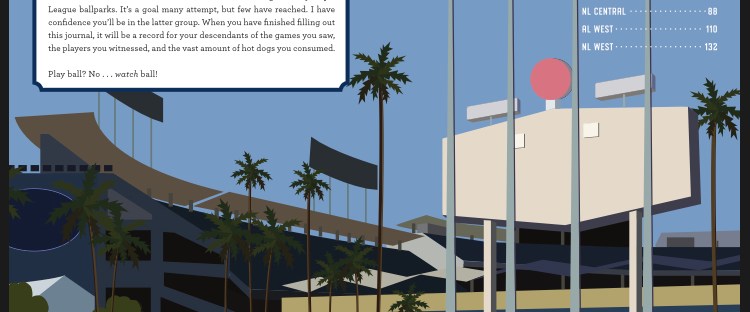
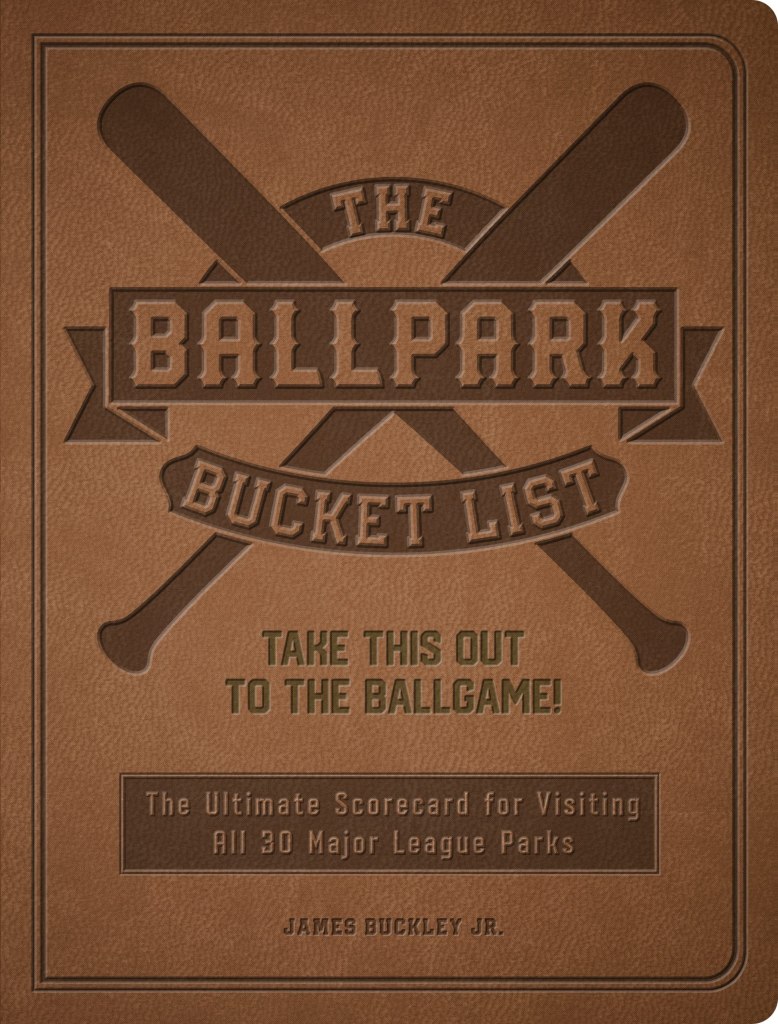
“As a West Coaster for more years than I want to admit, I’ve seen more games at Dodger Stadium than any other ballpark,” James Buckley Jr., who these days lives with his family in Santa Barbara, writes in the “Introduction: Why Do It?” when asking aloud why he crafted this easy-to-use, leather(ish) bound passport-sort-of journal that’s meant to be taken out to the ballgame, sniffed as if it was a new Rawling glove and actually used.
We can admit it: He’s already speaking our language.
Our first visit to Dodger Stadium for the 2023 comes this afternoon – a Dodgers-D’backs finale to the four-game season opening series.
This book is coming with.
We’d have to say we’ve made more purposeful excursions to Dodger Stadium – in the family station wagon, in the first-purchased beat up Mazda during college, in the family pickup truck with the kids strapped in, to the Toyota Rav that now parks in Chinatown and allows us a chance to walk the hill or take the shuttle — than the Forum, Staples Center/Crypto.Com Arena, the Coliseum, the Rose Bowl, the Hollywood Bowl, Musso & Frank, the Griffith Park Observatory, the Santa Monica Pier, the Getty Museum, Santa Anita Park and Disneyland combined. And all the incarnations of The Big A in Anaheimtown.
The plan is to take this book along, to see how useful it might be. But get the word out now about it now because, yes, even as we are coming up on our 62nd birthday, we think this is a cool deal.
Why not.
This is not just a place to doodle while day-dreaming of Darren Dreifort’s dreadful career arch.
Came across my dog-eared tobacco card of “Tungston Arm” O’Doyle, the great three-way player for the 1921 Akron Groomsmen. He could hit, pitch and … something else impossible at that point in time, but we forget. Maybe drive a car?
He was the Shohei Ohtani of his hey-day.
His name comes up once and awhile in situations like this:
every time I see an Angels highlight it's like "Mike Trout hit three homes runs and raised his average to .528 while Shohei Ohtani did something that hasn't been done since 'Tungsten Arm' O'Doyle of the 1921 Akron Groomsmen, as the Tigers defeated the Angels 8-3"
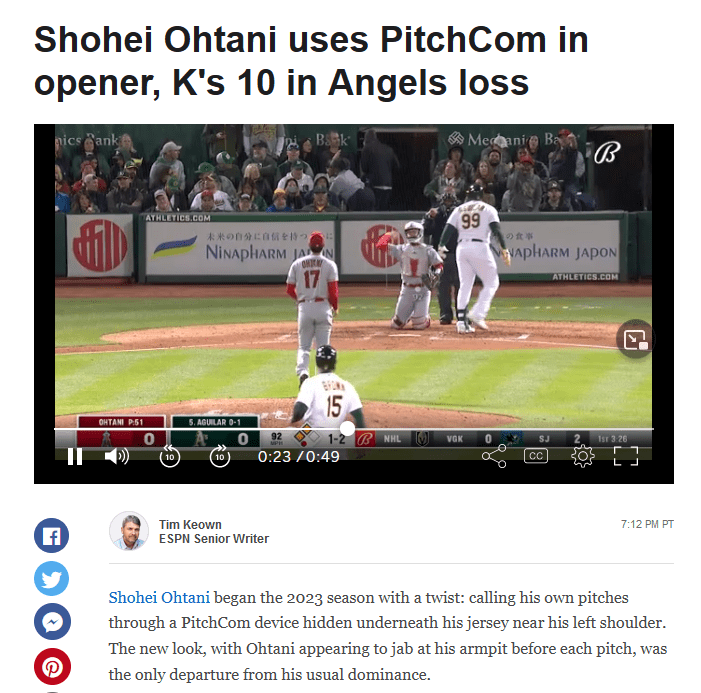
And if you saw what happened in the Angels’ 2023 season opener, it just keeps perpetuating: Ohtani calls his own pitches, strikes out 10 in six shutout innings, leaves with a 1-0 lead, goes back to DHing, and the Angels lose, 2-1, in Oakland.
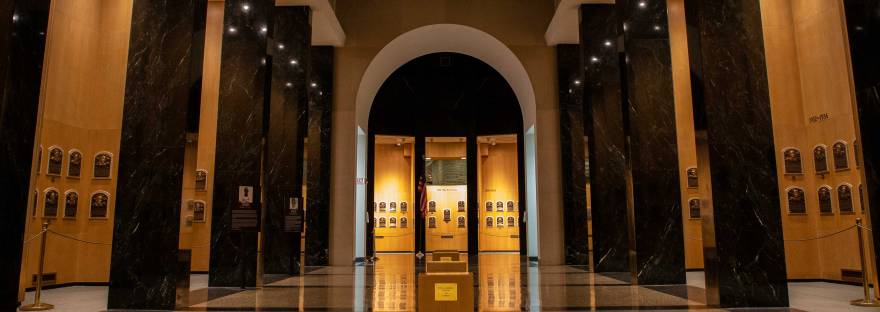
With all the comparisons, you’d think by O’Doyle would be in the National Baseball Hall of Fame. But somehow he isn’t.
Crap, if Scott Rolen and Fred McGriff can get in, who else can’t?
(Pause for a nasty aftertaste on the pallet. Rinse. Repeat).
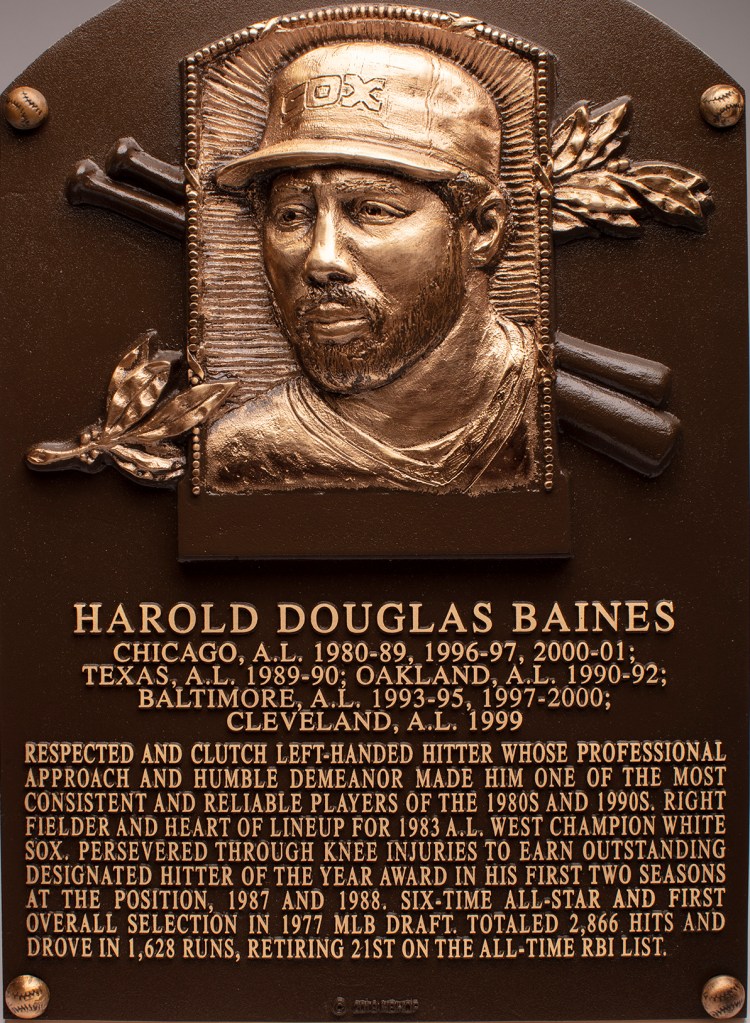
Even Harold Baines has to wonder: Are these two latest additions to the National Baseball Hall of Fame ultimately be the bane of our hardball-enjoyable existence?
When it was announced last Jan. 24 that Rolen rocked five extra votes to clear the 75 percent agreement barrier of the Baseball Writers Association of America and lay claim to someone having to do a search of the files to remember what he looked like so someone else could make him a plaque in Cooperstown — and now he’ll be able to join an induction ceremony this summer with special committee-elected McGriff as the only two who made it to the Class of 2023 — we wanted to turn off coverage on the MLB Channel and channel the thoughts of G. Scott Thomas.
There’s never been a better time, with better examples, to topple over the tables and just ask: What defines “fame” in baseball? And if Cooperstown real estate continues to come down in price, how did we not see the signs this housing of immortality market crash?
The place, while also acting as a cool museum, could be completely irrelevant as a functioning place to celebrate all that’s to gained by creating a home to honor the sport’s best of the best.
Not Rolen, McGriff, Baines, or a list we could compile right now but don’t want to waste the energy.
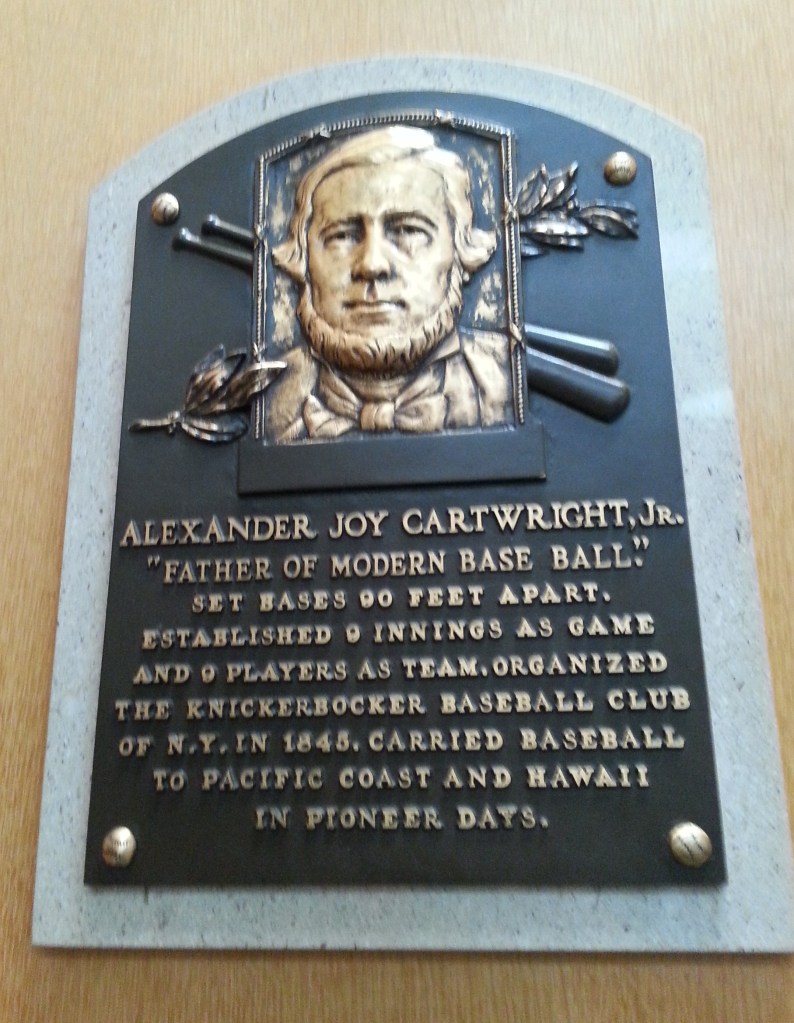
(OK, we give up: Add in there — Tony Perez, Bill Mazerowski, Jack Morris, Hoyt Wilhelm, Phil Rizzuto, Bert Blyleven, Herb Pennock, Tony Lazzeri, Bobby Wallace, Burleigh Grimes, Red Faber, Rick Ferrell, Joe Gordon, Red Ruffing, Rabbit Maranville, Roger Bresnahan, Freddie Lindstrom, Harry Hooper, Travis Jackson, Ray Schalk, Lloyd Waner, Rube Marquard, Jessie Haines, Chick Hafey, Ross Youngs, Jim Bottomley, Tommy McCarthy, Jesse Haines, George “High Pockets” Kelly, Nellie Fox, Travis Jackson, Dave Bancroft, and, more than likely, neither Joe Tinker, Johnny Evers nor Frank Chance. And especially Alexander Cartwright.)
But they’re there, and we aren’t endorsing prying them loose.
Face it: The Baseball Hall of Fame voting is broken if a player who got on just 10.2 percent of the ballots when he was first eligible in 2018 now all of the sudden achieve … fame? For not doing anything in the time being except being quiet? Because people who crunch numbers suddenly value his base running and defense? And there’s the embarrassment that another year goes by when, passing on the steroid-tainted talent, no one of real statue is available, go we compromise?
Thomas already has a plan in place. Read all about it.
Time is all we heard about during the off season, into spring training, and leading up to this moment in, well, time.
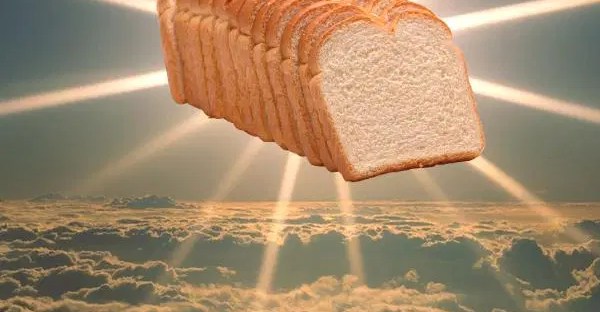
Amendments to some of the key rules are something that could be described as a) hand-wringing, as pointed out in a swell piece by Joe Posnanski in Esquire and followed up on his outstanding Substack blog posts, or b) compared to the way bread is sliced, as laid out by political commentator Scott Jennings.
(By the way: This nifty gif was part of a New York Times story that came with the headline: “Baseball’s Too Slow. Here’s How to Fix It.” From 2017. So last decade, man.)
It seems no matter how you cut, toast or butter it up, we’ve also got a time-stamp on this new edict that every team has to play every team for the first time, which adds more flight time for a lot of teams.
It leads us to wonder: Is there enough time any more to do this annual baseball book review project?
Our 2023 list is in well-enough order. Launching it and delivering on a consistent basis will have its own time-related challenges.
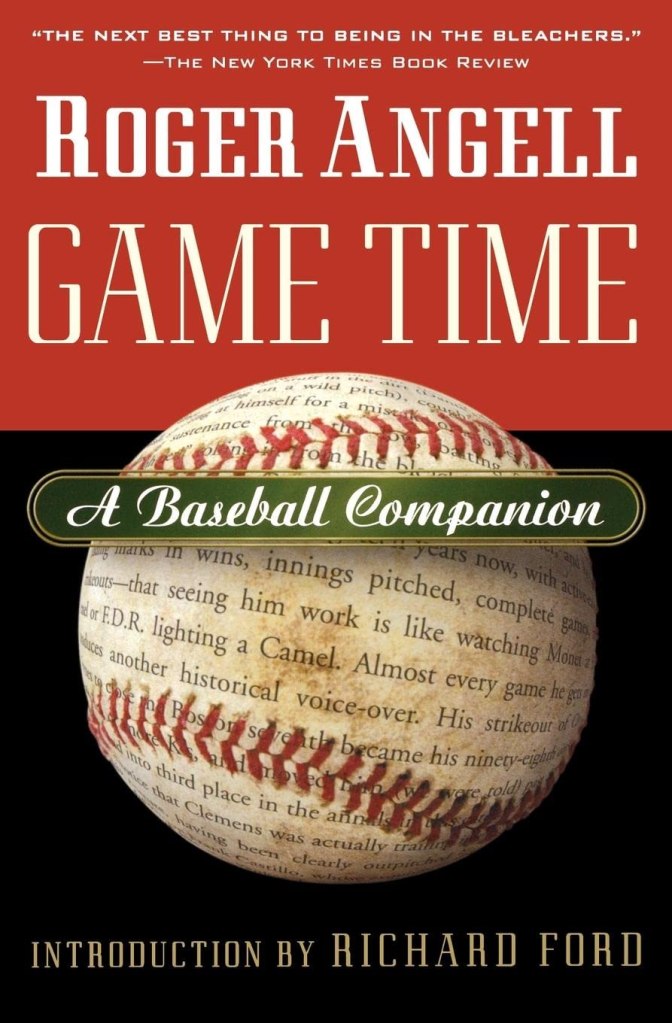
Among the books we’re looking forward to taking our time with dissecting:
= “Daybreak at Chavez Ravine: Fernandomania and the Remaking of the Los Angeles Dodgers,” by Erik Sherman (out officially on May 1)
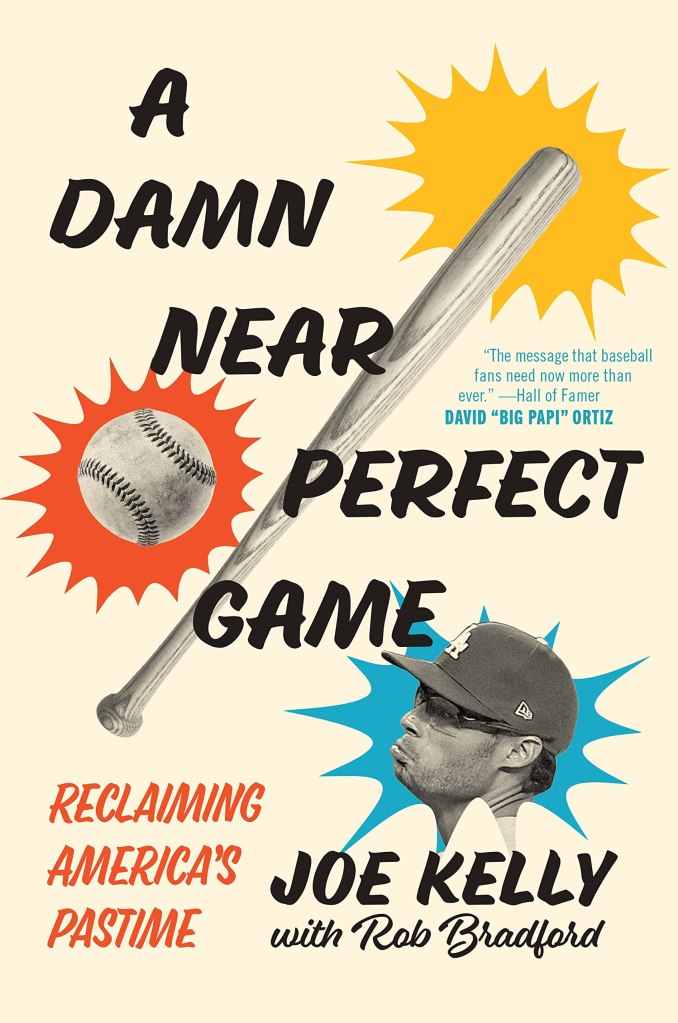
= “A Damn Near Perfect Game: Reclaiming America’s Pastime,” by former Dodgers relief pitcher Joe Kelly (released last February)
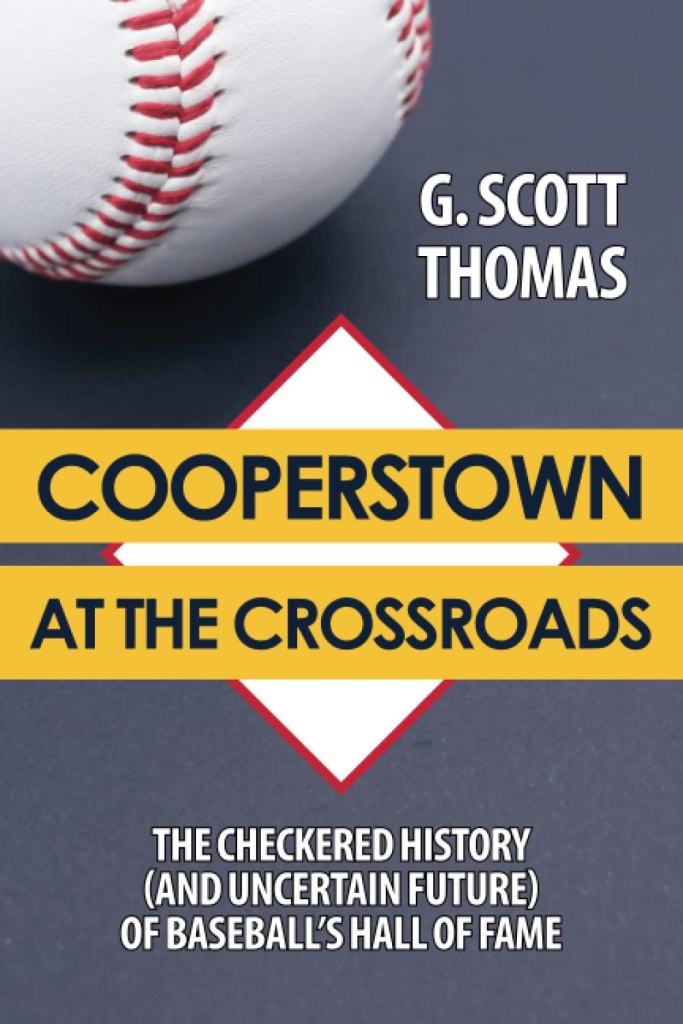
= “Cooperstown at the Crossroads: The Checkered History (and Uncertain Future) of Baseball’s Hall of Fame,” by G. Thomas Scott (released last October)
= “The Tao of the Backup Catcher: Playing Baseball for the Love of the Game,” by Tim Brown (due in July)
This may also be the right time to announce (if you’ve made it this far) that we are deep into the process of writing our own book – a tribute to/appreciation of Vin Scully, and the life lessons he’s left us with. University of Nebraska Press has signed on. The target date is spring, 2024. More details to come.
Timing is everything. We’ve asked a few dozen people to contribute essays to this project, adding to our own prose. It’s hurry up and wait as the clock ticks.
Meantime, as we ponder why the Dodgers’ regular-season schedule includes playing the Diamondbacks of Arizona in eight of their first 10 games, we’ve also been reading up as a prep to this season:
== The usual breeze through Bill James’ 2023 Handbook (ACTA Publications, $32.95), which this time includes a farewell essay to Scully.
== Catching up on major titles that came out during the winter, that we didn’t feel like we had the time to add to this new spring, ’23 list, but missed a cutout for ’22. They include: = “America’s Classic Ballparks: Celebrating Parks Past and Present,” by James Buckley (Becker & Mayer Books, 208 pages, released Sept., 2022) = “28: A Photographic Tribute to Buster Posey,” by Brad Mangin (Harry N. Abrams Publishing, $28.99, released Aug., 2022, www.busterbook.com) = “The Book of Joe: Trying Not to Suck at Baseball and Life,” by Joe Maddon and Tom Verducci (Twelve Publishing, $30, released Oct. 2022, with this excerpt; plus an exceptional Q&A by Kelly Candaele for his CapitalAndMain.com site) = “The Grandest Stage: A History of the World Series,” by Tyler Kepner (Penguin Random House, $30, released Oct. 2022).
== Jayson Stark explains the “dramatic” ins and out of the new schedule in The Athletic.
== The L.A. Times’ Patt Morrison (one of our Scully book contributors) has a history lesson for Los Angeles baseball fans. Did you know: The first documented baseball game in town was a high school girls’ match, in 1874. So now you know. And you’ll learn more here than perhaps any Google search you ever attempt. Plus, see her post cards.
== A USA Today list of the 100 MLB names you need to know for 2023 (starting with Orioles infielder Gunnar Henderson at No. 1. The Dodgers have seven on this list — Miguel Vargas (No. 11), Ryan Pepiot (20), James Outman (26), Bobby Miller (43), Michael Grove (53), Michael Busch (63) and Gavin Stone (65). The Angels have one: Chase Silseth at No. 38.
== An ESPN list of the Top 100 players, ranked, in the game today (with two members of the Anaheim Angels of Los Angeles in the slots of Nos. 1 and 2 — and no others on the roster in the rest of the 98 spots; the current AL MVP is listed No. 3 behind these two AL players through no fault of their own abilities. Members of the Dodgers take spots at Nos. 5 and 9, as well as Nos. 46, 47, and 87)
== Ryan McGee, author of “Welcome to the Circus of Baseball: A Story of The Perfect Summer, at the Perfect Ballpark, at the Perfect Time,” which comes out next week (Doubleday, 272 pages, $29), posts his five best baseball bios for The Wall Street Journal and why: = “Dodger Dogs to Fenway Franks,” by Bob Wood, 1988 = “The Teammates,” by David Halberstam, 2003 = “The Big Bam,” by Leigh Montville, 2006 = “Joe DiMaggio,” by Richard Ben Cramer, 2000 = “We Would Have Played Forever,” by Robert Gaunt, 1997 It’s more interesting to read the comments on pieces like this.
== A review copy of a new book by former CNN and Washington Post political analyst Chris Cillizza called “Power Players: Sports, Politics and the American Presidency” (Twelve Publishing/Hachette, 320 pages, $30, coming out April 18), which seems to be equally embraced and accepted by CNN’s Jake Tapper and Don Lemon and ESPN’s Tony Kornheiser. It’s about presidents and the sports they played – which gets straight to George H.W. Bush’s ballplaying days at Yale (as well as White House horseshoes) and his son’s ownership of the Texas Rangers as well as participating in the most meaningful first-pitch ceremony after 9/11 at the 2001 World Series.
== It reminds us: We’ve been trying to land a review copy of “Sports and the American Presidency: From Theodore Roosevelt to Donald Trump (New Perspectives on the American Presidency),” edited by Adam Burns and Rivers Gambrell. It’s from Edinburg University Press, published in November, 2022, with a hardback (and ebook) markup price of $120. Must be an incredible shipping cost. There is some overlap with Cillizza’s assessment, but in this one, there seems to be more on how Bill Clinton tried to save baseball from the 1994-95 strike, Babe Ruth’s celebrity endorsements for the 1928 presidential campaign and Jackie Robinson’s odd alignments with various presidents in the 1960s and ‘70s. This book must be so well regarded that Amazon.com has a payment plan of $10 a month for 12 months to purchase it if you wish.
Sooner or later, we’ll let the first review drop (we’ve powered through a few this winter to get traction) and see how the flow goes. So as Scully might say, pull up a chair with a reading lamp.
That’s today. Quit reading at this point and apparently you’re all good. Read on, and you’ve resolved to do some good.
“Quitters Day,” we’re told, marks the moment when all those stooges who proclaimed a list of New Year’s Resolutions at the start of the calendar year are likely to give up. About 80 percent, studies say, tap out less than two weeks in.
Sketchy research leads us to believe that it was the Babyloians who ions ago babied themselves into using the vernal equinox as an excuse to lean into their two-faced Roman god, Janus. He could hopefully show them a methodology to look back on what happened for historical reference and then gaze at the future to lay the foundation for a new beginning.
Face it, this can all be a self-imposed sanctimonious shitshow.
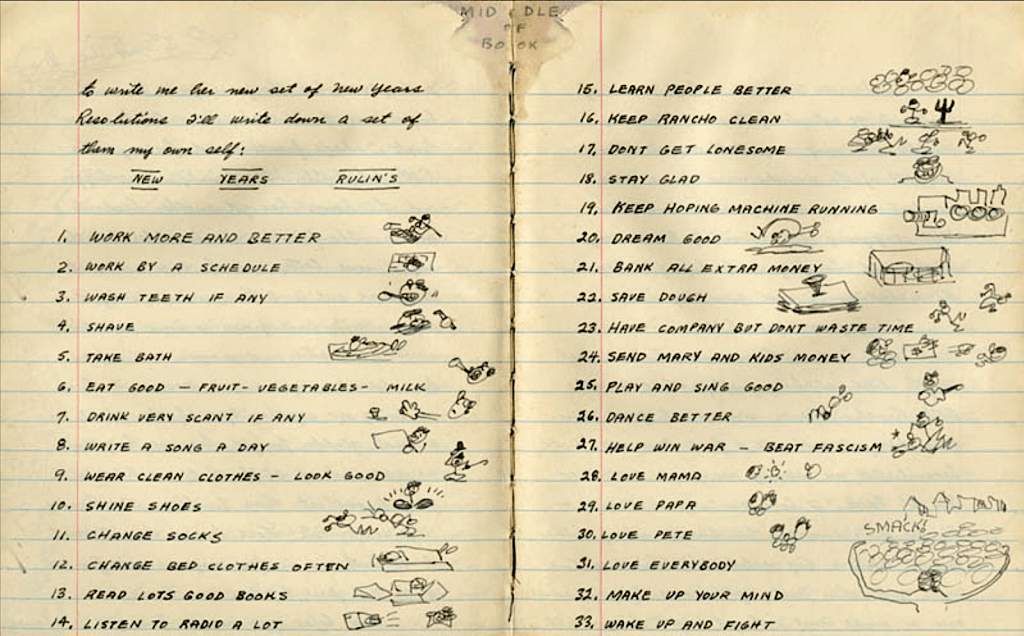
Above: On January 1, 1943, folk music legend Woody Guthrie jotted in his journal a list of 33 “New Years Rulin’s.” The expectation to “write a song a day” may have been as easy for him to accomplish as his goal to “change socks” and “love everybody.”
If there’s modern science behind the resolution strategy, we can reference Rolling Stone explaining how it’s about having an organizer with weekly planning pages mapped out as check points for weeks and month ahead. Personal health is an important foundation to achieving anything, too. And then start with just drinking more water. A CNN story suggests making it fun instead of punitive, and don’t hammer yourself too much if you get tripped up once and awhile.
Then drink more water. Because that’s a good thing.
One can also focus on “resolutions of the soul” since, again, our human shell isn’t always cooperative. That means find places of quiet, tune out all the news chatter, and enhance your social network. This also folds into a New York Times’ recent presentation of a “7 Day Happiness Challenge,” which we admit has been somewhat productive to this point.
While waiting for right moment to skidoo into ’23, we’ve been focused on the idea of having one-word resolutions, also called “nudge words,” that keep us pointed somewhere productive.
Peace, love, mercy, balance. When a decision arises — sleep or make coffee, read or run a marathon — we can size it up against those tentposts and have some context as to how this could enhance, or detract, from the journey of perfection.
The bottom line here is it seems like bad karma to up and quit anything on a Friday the 13th. We’ll pivot and take this a new launching point. Our focus on four simple things for the newish-’23, considering it an odd-numbered year that follows up a couple of years that left many us feeling uneven, simplifies the target.
See if there’s anything here worth fighting for as we stay hydrated:
2023 Resolution No. 1: Challenge the Circle of Strife
Above: We launched ourselves into the Los Alamitos Traffic Circle a couple days ago. In the rain. The choice of music on the radio in the background is pure coincidence. Hope there is no copyright issues with that.
In a roundabout way, we face daily challenges and take a win when we can get it. Driving through a roundabout conjures a whole other circular argument of what success, failure and just entering a hamster wheel means.
Corollas to the left of me, Jaguars to the right, here I am, stuck in the middle.
More cowbell?
These traffic devices are increasingly popular based on the belief that, when two more major highways meet, eliminate all the traffic signals and give everyone the right away. What could possibly go wrong?
It makes sense if you’ve been sitting at a red light for three minutes and there’s no other cross traffic. Just you. There. Alone. Not wanting to risk a ticket or hit a right-of-way squirrel.
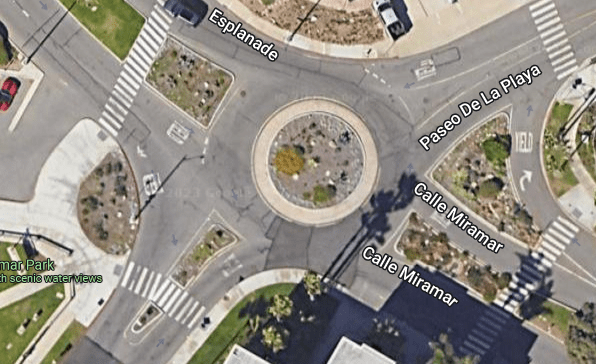
In a passive-aggressive way, these counterintuitive contraptions have been secretively wedged into our local neighborhood street grid. They’re cute. Like a mini-Mr. Toad’s Wild Ride. Like this one here near Miramar Park in Redondo Beach/Torrance.
The intent is noble. Results may vary. Side effects include nausea, anxiety and a will to just keep turning left until dizziness subsides. They put one of them near a friend’s house in Redondo Beach, and eventually took it out. The neighbors found it to be too random for their routine of simply stopping and looking both ways at the intersection for the last 40 years.
In some circles, these things are called traffic circles, because their breadth and depth is less intimidating. They can act as the training wheels before one gets up the nerve to circumnavigate an officially sanctioned roundabout. That’s a real experience in nerve damage.
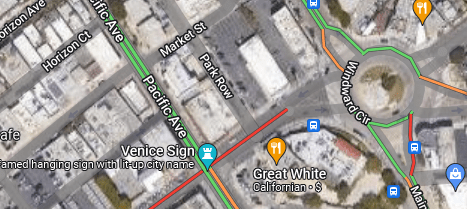
We often encounter the Keep It Weird Windward Circle that exists in Venice, leading into the main entrance signage, gateway to the equally insane boardwalk. That seems appropriate as paying homage to traffic circles in Europe. Main Street, Windward Avenue and Grand Avenue all feed into, and out of it with five challenging crosswalks marked for those inclined to traverse it without a car.
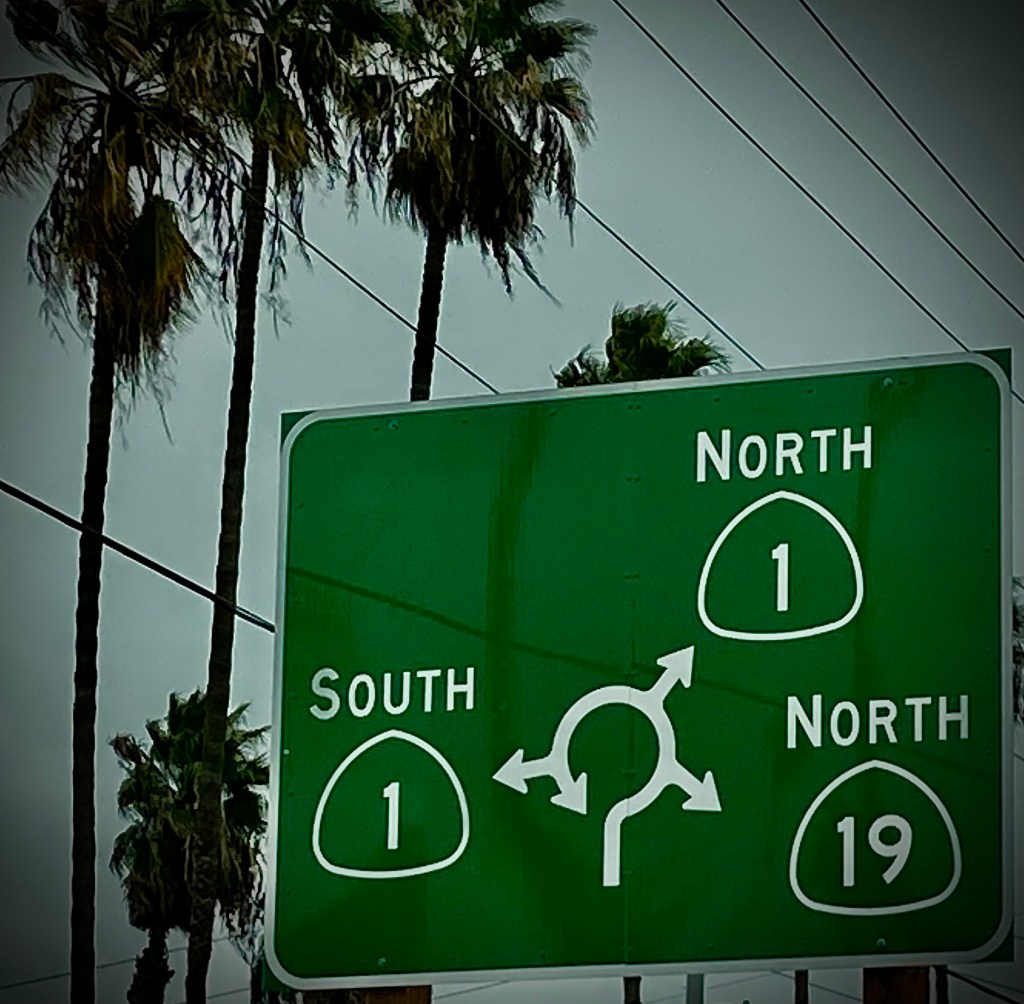
But locally, the grandmother of them all in Southern California is known as the Los Alamitos Circle, a hub on the Google Map in Long Beach where Pacific Coast Highway meets Lakewood Boulevard meets the Los Coyotes Diagonal, with Ximeno Avenue getting in the way.
On paper, it may look like a fine geometric design for a Spirograph. In real life, it has the feel as if it was schemed by a group of evil engineers who took Dante’s “Inferno” to heart with concentric circles of torment.
At 470 feet in diameter, handling some 6,000 vehicles funneling in and out of it per hours, the suggested rate of 30 miles per hour is what one must know going in.
Go slower, or faster, and you become the problem. It’s like your heart – this is a circulation issue. If you stop, you’re dead.
It’s a heart attack waiting to happen, basically.
The U.S. Department of Transportation put out a 26-page report verifying its usefulness. It all comes down to math. There are 32 conflict points when accidents can occur in a normal signaled intersection. In a roundabout, there are eight. That’s a 75 percent reduction.
In ’93, the Los Alamitos Circle was modified, modernized and reclassified from traffic circle to roundabout by Caltrans. That means, in 2023, it will mark 30 years since the official conversion.
How can we properly mark the occasion and conquer this beautifully beastly design? What is the best way to honor this thing without literally running circles around it?
We’ve been inspired by recent news.
The San Francisco Chronicle reports that a 21-year-old fellow named Tate Dobson, feeling restless one day, ran clockwise around a 460-foot-in-circumfrence roundabout in downtown Healdsburg, which funnels in Highway 101 as part of its arteries. His Strava app showed he logged 415 laps, converting to 36 miles.
We landed on a story from 2015 that claimed a 64-year-old software developer in Indiana “set a world record” by driving around a roundabout in a 1987 VW Cabriolet. He went for more than three hours, 34 minutes, covering more than 65 miles. Something called RecordSetter.com decided this was a worthy achievement. In 2019, the same guy got two more of his pals to join in and used the same car to drive the roundabout over a 24-hour period. The World Record Academy acknowledged this.
Doing this in a car while wasting valuable gas seems extremely counterproductive. But the bottom line is there seems to be a record waiting to be set at the this site. Walking, biking or skateboarding seem more appropriate. Or finding a way to the grass area in the nucleus and firing up a BBQ is more like it. Until local authorities try to shut it down.
Circle the date on a calendar and we’ll figure out what’s best to try something useful. Suggestions?
OK: One more loop on the Los Alamitos Circle, with a different sound track, just to show we’re still trying to stay out of trouble:
2023 Resolution No. 2: Find Comfort in Country Music
You picked a fine time to leave me, Garth.
For the last 50 years, we’ve managed to resist the existence of country music, and we’ve thanked our lucky stars for that. That us, until we were worn down with an appreciation of what was playing on Sirius XM Channel 55, which had been known as the Garth Brooks Channel.
But it is no more. We now realize were we just being strung along to sell tickets to his concerts since 2016.
We became hooked by his eclectic selection of songs and recording artists that played into his own tunes. There was a mesh of history and borrowing and sampling we found entertaining and educational.
Now that it’s gone, what can replace it and continue this teachable moment? Dwight Yoakum’s Bakersfield Beat Channel SXM Channel 349 works. Fiddle de de.
Bakersfield is not just a three-hour drive north of us, but it’s kinda newsworthy. Aside from the U.S. congressmen representing the 20th district of California – that’s the Southern Central Valley that includes parts of Bakersfield – finally begging his way in as Speaker of the House (there’s got to be an approrpriate country song for that), two of his constituents were in the news when they accidentally set themselves on fire trying to burn down an immigration center in Bakersfield. Surveillance cameras caught it all. Damn technology.
Bakersfield is the place we think of when when mentally filing through the catalogue of the Rolling Stones. “Far Away Eyes” off the “Some Girls” album begins:
“I was driving home early Sunday morning through Bakersfield Listening to gospel music on the colored radio station And the preacher said, you know you always have the Lord by your side And I was so pleased to be informed of this that I ran Twenty red lights in his honor Thank you Jesus, thank you Lord”
Imagine listening to that on the radio while in a roundabout with no red lights to run.
Channeling Dwight Yocum, you’ll get the marketing phrase: “From the dust bowl to the Hollywood Bowl.” Merle Haggard, Roy Orbison, Glen Campbell and Ricky Nelson, sure. But the Bakersfield Beat is also the Everly Brothers trying to sing Little Richard’s “Lucille,” to Linda Ronstandt powering through Tom Petty’s “The Waiting.” Eddie Cochran doing “Sittin’ In the Balcony,” followed by the Flying Burrito Brothers’ “Image of Me.” It’s a string of songs that can start with Neil Young’s “Cowgirl In The Sand,” Fuzzy Owen doing “Arkie’s Got Her Shoes On,” the Monkey’s “I’m A Believer,” the Byrds doing “Time Between,” Buddy Holly’s “That’ll be the Day,” to Dave Alvin and the Blasters screaming out “I’m Shakin’.” And then Yocum coming on to connect the dots and even trying to pull off his own version of “Act Naturally” (almost better than Ringo Starr) or “Suspicious Minds” (not even close to Elvis). They are all songs you can imagine Bruce Springsteen singing in concert because they struck a chord with him.
All things considered, it wouldn’t be a surprise to hear something by Tiny Tim or the Butthole Surfers connected somehow on this channel.
Maybe it was a recent trip to Nashville, and heading into the Country Music Hall of Fame building if only to escape the taxing July humidity, when our appreciation took another step forward. A couple nights walking past honky tonks showed an authentic appreciation of all sorts of music genres merging together to hear one big glorious party.
I’m a believer. Can I get another glass of water to go with that PBR and hot chicken sandwich?
2023 Resolution No. 3: Reel in “Moby-Dick”
No more dickin’ around. Just lifting all 600-plus pager with its 136 chapters for weight training isn’t enough.
The artwork alone on the covers this book has had since its 1851 publishing by Harper Brothers is quite impressive enough.
One of them is Herman Melville’s “Moby-Dick.” The review goes: “Like many young adults, Ishmael, the narrator of Melville’s grand adventure of the body and mind, is feeling restless and has little money in his purse. The only solution, as far as he’s concerned, is to go to sea and experience a life away from shore. The ship he chooses sets sail on Christmas, but he’s eager: ‘Spite of this frigid winter night in the boisterous Atlantic, spite of my wet feet and wetter jacket, there was yet, it then seemed to me, many a pleasant haven in store.’ Although Moby-Dick is eventful (seafaring is no picnic), it’s also an exploration of the mind of one man as he throws himself into the unknown. Ishmael’s captain, Ahab, is driven by a single desire: catching the whale that bit off part of his leg. Ishmael, in contrast, is curious and open-minded, eager to learn and experience all that he can.
It also points out that in recent years, Moby-Dick’s fandom has expanded, “perhaps because the book provides both an escape from the world and a deep immersion in it, whales and all.” So it has that going for it.
(That link above to what’s “expanded” was a regular post of book excerpts on Twitter. As that link indicates, it has now migrated over to Mastodon. We’ve dumped Twitter as well, but aren’t sure yet where else we may find cyber-camaraderie. Any suggestions?)
We committed to this whale blubbering only because of a training-wheels entry point with another book, “Why Read Moby-Dick?” by Nathaniel Philbrick (Viking, 2011, 144 pages). Philbrick admits he was named after Nathaniel Hawthorne, who became friends with Melville, and it’s one of the 28 chapters he includes as to why this book should be not just read, but enjoyed.
We’re up to page 63 at the moment, to Chapter 12. We’ve enjoyed the story about how Ishmael came to meet Queequeg, and can appreciate the line: “Better sleep with a sober cannibal than a drunken Christian.”
Proactively drinking water also helps avoid any hangover, no matter what your disposition.
2023 Resolution No. 4: Go Awesome
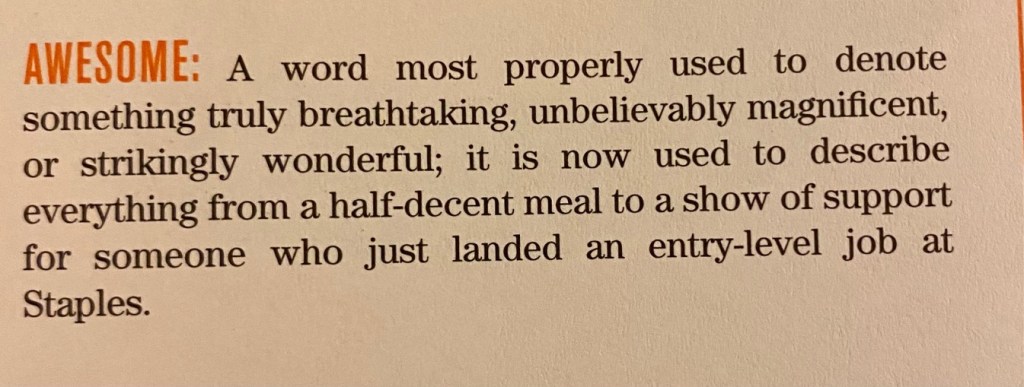
We often cringe hearing misuse of the word “awesome.” It has always been our belief, as we were taught, that something “awesome” is to be in awe of a God-related circumstance. The sunrise. The sunset. The Grand Canyon. The birth of a child.
The Bible uses the word “awesome” more than three dozen times, and almost all of them refer to God, and all but one of them is in the Old Testament. The Hebrew word means, among other things, to show reverence, to honor, to respect, to inspire reverence or godly fear or awe.
“God is clothed with awesome majesty.” (Job 37:22). “Come and see what God has done: he isawesome in his deeds toward the children of man.” (Ps 66:5)
In his new book that we are reading, “Awe: The New Science of Everyday Wonder and How It Can Transform Your Life,” UC Berkeley professor of psychology and meaningful life expert Dacher Keltner takes a deeper dive into why things that awe us are important on so many levels. From nature, to art, to even sports.
He connects with Steve Kerr, the current coach of the Golden State Warriors, who talks about “the visceral awe” he remembers being at a UCLA basketball game when he was a teenager in 1973: The No. 1 Bruins, amidst an 88-game win streak, held on to beat No. 2 Maryland by one point. With only four seconds left, the Bruins’ Dave Meyers stole the ball from Maryland’s John Lucas and UCLA’s streak was preserved.
“Steve recalls the visceral awe he felt at the game,” Keltner writes. “The pulsing sound of the brass band. The cheerleaders moving in unisoin leading throngs of fans in waves of cheers. The astonishing size and grace of the UCLA players. The students and fans signing the school song, chanting, clapping and roaring in harmony with the game. And amid this moving in unison, collective feeling and shared attention, Steve saw a golden wave of light that moved across the tubas, trumpets and trombones in the UCLA band.”
We’ve been to enough sporting events, live and in person, immersed in the pageantry, to forget to look for those things.
Awe is also supposed to improve your health. Awe wasn’t one of the six basic emotions —anger, surprise, disgust, enjoyment, fear and sadness — once identified back in 1972, Dr. Keltner said. But new research shows that awe “is its own thing,” he said.
That resonated while sitting quietly sitting in church this past Christmas morning. The sun coming out of the south stained-glass window cast a light pattern onto the wall next to the altar and the statue of Jesus Christ, with his arms extended, cast a shadow onto it, as if leading us by hand through the rainbow.
It would only last a couple of minutes because the sun would move, or a cloud would some by, and it was gone. I raised my phone and took the picture quickly so as to not interrupt anyone’s moment, and capture this one for me.
We’ve yet to see the Grand Canyon up close and personal and fear my time is running out to do so. Don’t want to call it a “bucket list” thing, because that intimates it’s something just to be checked off. We want to set aside the time and commitment, knowing we may have to just do this trip alone some weekend because no one else in my traffic circle seems to have the same urgency anymore to go there.
Until then, I’ll watch the 1991 movie “Grand Canyon” again and pretend.
Lifetime members of the Vin Scully Marching and Chowder Society might appreciate this: The Dodgers’ late broadcasting icon would have celebrated his 95th birthday today.
We were grateful for a recent post-Thanksgiving Day ritual, breaking up baseball’s annual dreadful post-World Series, pre-spring training pause, when we could reconnect with him on the phone to mark the occasion, as well as reflect on the past, catch up on the present and ponder the future.
There may continue to be pangs of sadness about his passing last August, but far more gratitude for the moments shared. If anything, the time after his retirement from the broadcast booth in 2016 – following a record 67 seasons – has probably helped us, and the city, through any kind of prolonged grieving process. In fact, a column we did before the ’17 season that tried to help Angelinos possibly identify and cope with our “Scully Separation Anxiety” could still be effective. We also think about how Scully told audiences who saw him during appearances in a Distinguished Speakers Series after his retirement: “It’s better to be gone and not forgotten than to be forgotten but not gone.”
The Voice of Vin, the Sound of Scully, is comforting these days as we process whatever other curve balls life throws at us. It may be with some irony we remember him more for his actions speaking louder than his Hall of Fame-worthy words.
Upon his passing, we did an appreciation column for Angelus News, the local Catholic-based news organization, that tried to frame his character based on his foundation of profound belief through many personal tragedies. A friend of ours created a beautiful blue-toned cover to go with it.
There was even a reason to do an essay that broached the idea: For his impact on the City of Angels, why isn’t there a path to canonization for Vin Scully? As former Dodgers GM Ned Colletti tweeted out on the day of Scully’s funeral: “He showed us every day what true goodness looks like.”
Our connection to Scully starting as a journalist covering the team and the sports media in the 1990s evolved into conversations about history lessons, shared family experiences, and even faith-related topics. He’d offer to call my mother on her birthday, knowing she was such a big fan of the team and of his work through the decades. She even met him once in the Dodger Stadium press box for a photo op and a hug.
We gladly returned the favor to him every November 29.
He talked about how as a kid, he didn’t really want to expect too much on his birthday.
“We lived in a fifth-floor walk-up apartment in New York, not a tenement, but where if you looked out the window, you’d see another window,” he said. “I knew we didn’t have any money. So I always tried to downplay my birthday so that my parents wouldn’t feel obligated to spend money they really didn’t have. I never thought about the number itself. I just kind of pushed it aside as something personal but not for anyone else to get excited about.”
In 2014, as he was turning 87 and pondering when his last season behind the mic may be, we talked about which of the five senses he was most thankful for.
“For me, the sense of sight has to rank No. 1,” he said. “Not only because there’s this great big world to look at, but when you do what to beat a hasty retreat from it, there’s always a good book you can find to read.”
We had talked about the importance of his eyesight earlier as he was preparing to be the grand marshal of the Pasadena Tournament of Roses Parade in January 2014. We asked if he saw the world now with rose-colored glasses. He laughed and replied that he recently had refractive eye surgery so that he wouldn’t have to keep wearing a pair of large eyeglasses while he worked. But he also asked: Please don’t include that in the story. I don’t want people to worry about me and this surgery.
The surgery came out just fine, and few knew that the procedure even occurred. Except he stopped wearing the glasses.
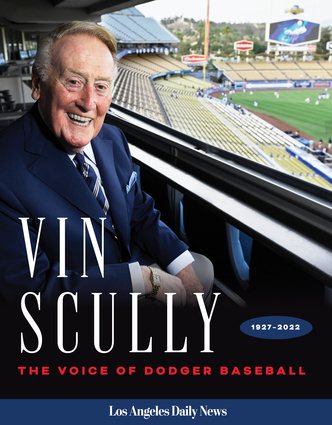
Upon Scully’s passing, the Los Angeles Daily News worked with Triumph Books in Chicago to publish a tribute book, republishing stories the newspaper had done about him over the years. Of the two dozen or so pieces included, we’re humbled to have a handful of our essays there.
One of them we wish we could update.
In 2016, we created a list of Scully’s Top 10 calls of all time, ranging from the Kirk Gibson 1988 World Series home run to his 1982 NFC Championship game for CBS on the Joe Montana-to-Dwight Clark catch to his ad-libs in the 1999 movie “For Love of the Game” with Kevin Costner. But we were reminded this last October that Scully was on the call for the final innings of the nationally televised broadcast when the New York Yankees’ Don Larsen threw a perfect game in the 1956 World Series against the Brooklyn Dodgers.
A piece in USA Today noted how Scully, 29 at the time and sharing the broadcast as the Dodgers’ broadcaster along with the Yankees’ Mel Allen, set the scene at the end of the eighth inning: “Well, all right, let’s all take a deep breath as we go to the most dramatic ninth inning in the history of baseball.” When Larson struck out pinch-hitter Dale Mitchell to end the game, Scully said: “Got him! The greatest game ever pitched in baseball history by Don Larsen. A no-hitter, a perfect game in a World Series!”
Another story we did on Scully that’s missing from the Daily News collection continues to be front and center in our thinking today.
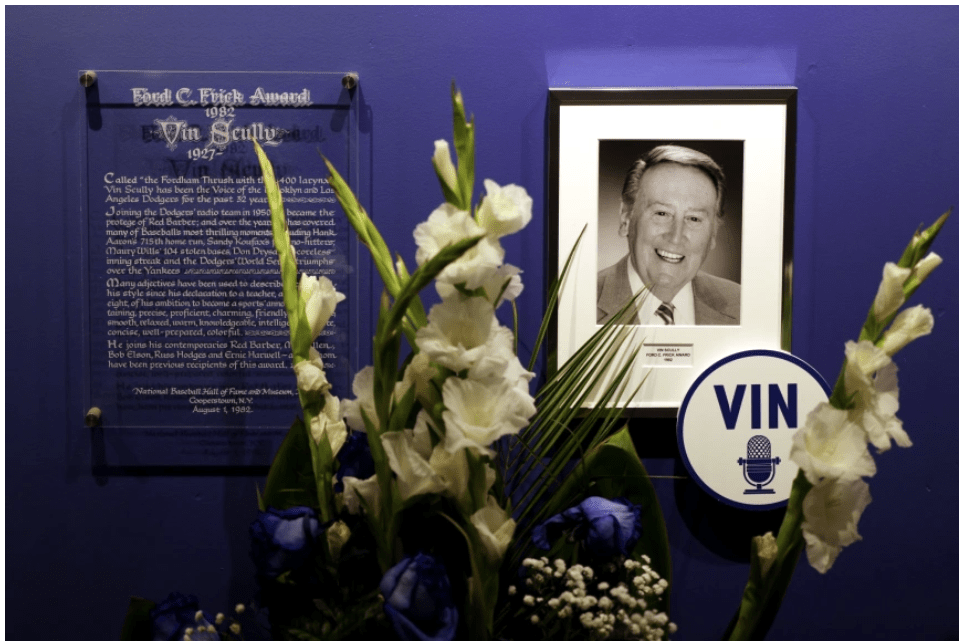
We’ve endorsed having the Ford C. Frick Award, given annually by the Baseball Hall of Fame to someone whose lifetime of broadcasting merits attention, renamed in Scully’s honor. It was recently brought up again by local media.
Scully won this award in 1982, after his 33rd season in the business. He then ran off another 34 seasons before retirement.
Kinda think he should have received two of these awards, right?
Back in 2016, when we asked the Hall of Fame about this name change possibility, there didn’t seem to be any urgency. We even reached out to John Thorn, the official Major League Baseball historian, who gave us this thought: “I try not to have opinions about other people’s business, but Frick is an odd namesake for the award.”
We could give you 95 reasons why the broadcasters’ lifetime achievement honor, which will be announced on Dec. 8 at the Baseball Winter Meetings in Orlando, Fla., should be rebranded as the Vin Scully Award. He embodies the award’s criteria: “Commitment to excellence, quality of broadcasting abilities, reverence within the game, popularity with fans, and recognition by peers.” Here’s a link to the Hall of Fame Frick 2022 ballot.
We have our own Scully tribute area in our office. We see him daily as the background on our desktop computer screen – an unassuming, peaceful shot we took of him from behind when we walked into the Dodger Stadium broadcast booth prior to the 2011 Opening Day Ceremonies and saw him prepping for the game.
This, again, makes us smile. Happy Birthday, Vin. Instead of blowing out another candle on the cake, we’ll light another one in your memory.
Tom Hoffarth is a past IBWAA president in its former incarnation. He has covered sports in Southern California for more than 40 years. His website is www.fartheroffthewall.com/blogs as well as www.TheDrillLA.com