
“Comeback Season: My Unlikely Story of Friendship
with the Greatest Living Negro League Baseball Players”

The author:
Cam Perron
with Nick Chiles
Forward by Hank Aaron
The publishing info:
Gallery Books/
Simon & Schuster
272 pages
$27
Released March 30, 2021
The links:
At the publisher’s website
At the author’s website
At Indiebound.org
At Bookshop.org
At Powells.com
At Vromans.com
At The LastBook Store in L.A.
At PagesABookstore.com
At Amazon.com
At BarnesAndNoble.com
The review in 90 feet or less
Good for Cam Perron.
Perhaps you’re already aware of him and his story – one of those feel-good pieces that has had a decent shelf-life the last 15-plus years.
The shortstop version: In 2007, here’s Perron, this white teenager from a Boston suburb who somehow forges a friendship with hundreds of former Negro League players simply by reaching out to them. First, it’s via letters, to see if he might get their autograph. Then by phone, wanting to hear their stories. Now it’s all sorts of platforms to help give them exposure, reunite those still alive, and see if there’s financial compensated due.
Here’s the lineup if you haven’t been invested in the journey thus far:
- In 2011, when Perron was 16, the Boston Globe caught up with him as “local teen does good” angle.
- A year later, MLB.com makes the connection.
- That draw the attention of HBO’s Real Sports and Bryant Gumbel:
- In 2013, he gets his own TED talk:
- More room for his story in Huffington Post. That leads to a 2017 HBO followup, as well as the Baseball Reliquary giving him its Hilda Award for distinguished service to the game.
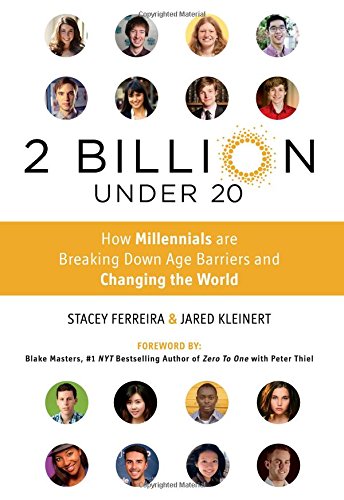
- Wait, we almost forgot: In 2015, Perron was part of the book: “2 Billion Under 20: How Millennials Are Breaking Down Age Barriers and Changing the World” edited by Stacey Ferriera and Jared Kleinert. Perron’s chapter, “Stepping Into the Big Leagues,” was under the section of the book covering “Success.”
- Last year, Deadspin gets a pretty cool update along with info about a book he’s writing.
- The book arrives, with a dugout photo of the old Newark Eagles on the cover. Now 26 and having moved from the East Coast to Hollywood with a bolstered LinkedIn account, Perron still runs his own e-commerce collectables business. But for all the many ways this story has been presented, this book is where he takes the reins with inserted commentary from family and associates, and an assist from Nick Chiles, an American Pulitzer Prize-winning journalist and author of 15 books.
The book, which seems to be best geared for Young Adult readers based on its larger typeface and breeze style, has a title comes from Perron’s explanation in Chapter 14 that as more Negro League players pass away — more than a third are now gone from those who joined the first reunion Perron helped organize in 2010 — “that makes me even more intent on trying to ensure that these guys not only get their due right now, but that they have a great time in the process. I want them to experience every sort of comeback that they possibly can, while they can, no matter how late it is in the season of their lives — to know for a fact that their stories matter, their memories will be preserved and to get whatever money is owed to them by MLB. It’s really been hitting me hard in the last few years because family members of players have started asking me to write eulogies for these men, my friends. … It makes me feel right about the work we’ve been doing.”
Since he joined the Center for Negro League Baseball Research, more than 1,500 living players have been identified.
Continue reading “Day 16 of 30 baseball book reviews in 2021: Life before April 15, ’47: As the last of the Negro Leaguers are just trying to be remembered, a kid arrives”