


“Stolen Dreams: The 1955 Cannon Street All-Stars
And Little League Baseball’s Civil War”

The author:
Chris Lamb
The publishing info:
University of Nebraska Press
400 pages
$34.95
Released April 1, 2022
The links:
The publishers website
At Bookshop.org
At Indiebound.org
At Powells.com
At Vromans.com
At TheLastBookStoreLA
At PagesABookstore.com
At Amazon.com
At BarnesAndNoble.com
The review in 90 feet or less
Little League memories can make us feel less young and more reflective today.

== One of the things discovered in my parents’ attic among the hundreds of family mementos in boxes, bags and trunks was this jacket, for making the 1973 Aviation Little League All-Star team. It’s like finding a pair of Hang Ten board shorts of an OP T-shirt. Let’s see … ummmm. Nope, it doesn’t fit. But it fits in a box in my garage now. Not sure which Hall of Fame to donate it to from here.

It jogs wonderful memories of playing games against All-Star teams in the Southern California area of District 37 – over at Sportsman’s Park in Inglewood near the Forum, up by the oil wells in Ladera Heights, trips to Westchester and Compton. At the time, either all or almost all of those rosters were full of African-American kids, coaches and parents. Our entire league may have had only a couple non-white players. Winning districts meant advancing to area regional and state regional and eventually … broadening our perspective of where we lived, and who our neighbors were.

== Remember Mo’ne Davis? She wrote her memoir in 2015 called “Remember My Name: My Story from First Pitch to Game Changer” (HarperCollins, for kids 8-12 years). As a 13-year-old eighth-grader from South Philadelphia in the summer of ’14, she was the first girl to win a game pitching in the Little League World Series. She pitched a shutout along the way to the journey to Williamsport, Pa. On the cover of Sports Illustrated. Her jersey is in the Baseball Hall of Fame. Mark Hyman, assistant professor of sports management at George Washington University, told the New York Times: “She’s the most talked-about baseball player on earth right now.”
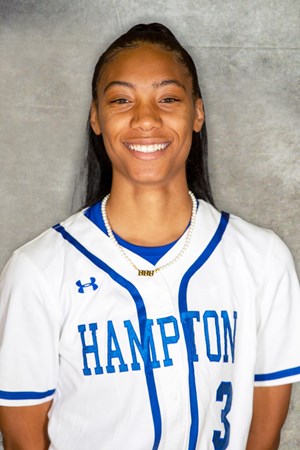
Wanna feel real old? This summer, she’ll turn 21. She’s in her second year, sitting out a season during the pandemic, playing middle infield on the historically black college Hampton University softball team, having played soccer, basketball and softball in high school.
Time lines may move on different trajectories for different memories, but they have one thing in common: A relentless among of inertia going forward, tripping up how much we want to reflect back on it.
Putting those two things in the context of this important new book that preserves the history of the 1955 Cannon Street All Stars of Charlottesville, South Carolina by Chris Lamb reveals a couple more points.
My own Little League window was less than 20 years after what those kids had to experience. I was born just about five years after that unacceptable moment in time, and grew up in an area of South L.A. near Normandie and 95th Street. White Flight after the Watts Riots was a reality.

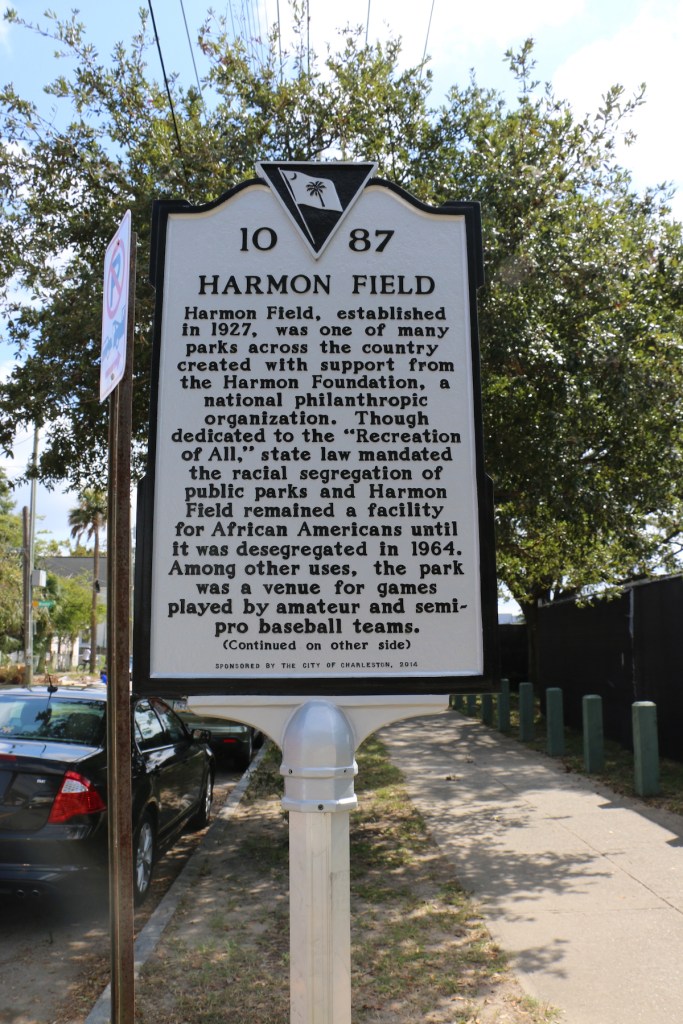
The Cannon Street YMCA All-Stars didn’t technically qualify to make it to the Little League World Series at Williamsport – they kept advancing by forfeit through their regional playoffs because all-white teams refused to play with them. They were about to go to Rome, Georgia for the next round that, had they won, would have qualified them for Williamsport. But that was derailed by officials, who instead gave them an invitation to come and watch and be introduced anyway to the crowd. Which began a chant, “Let them play.” Which also reminds us of another Little League moment — one of the “Bad News Bears” movies when they’re kicked off the field at the Astrodome and the crowd wouldn’t allow it.
Think not just how Davis eight years ago dominated the national spotlight playing for the Taney Dragons of Philadelphia with a roster otherwise full of boys were also a mix of races and ethnicity. That year, the all-black Jackie Robinson West team from Chicago won the U.S. championship. They had a huge celebration in Chicago’s Millennium Park that August.
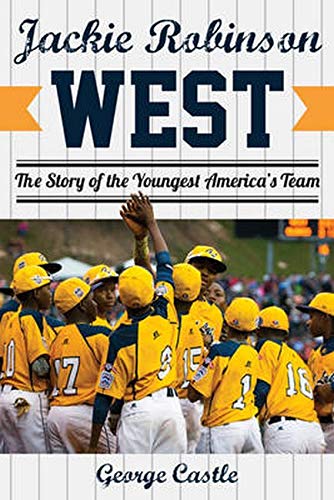
But eventually it had its title taken away and vacate wins in the international tournament months later when an investigation revealed to falsified boundaries to field ineligible players. George Castle covers the team story his 2016 book “Jackie Robinson West: The Triumph and Tragedy of America’s Favorite Little League Team,” but also has the story about the challenges and stereotypes about an inner-city Little League squad. Fraud charges against two coaches were dismissed in 2021 by Little League International but their championship wasn’t reinstated.
In today’s Little League world, all these things connect dots, points in history that reflect changing times.
In 1858, Taney Street came to being in Philadelphia. Some citizens are actively seeking the city to make a change.
In 2020, the Taney Youth Baseball Association changed its name to the Philadelphia Dragons Sports Association. Taney Street, where the organization resides, is widely believed to be named after Supreme Court Justice Roger Taney. He authored the major opinion in the 1857 Dred Scott Case that all blacks — slaves as well as free — were not and could never become citizens of the United States. The court also declared the 1820 Missouri Compromise unconstitutional, thus permitting slavery in all of the country’s territories.
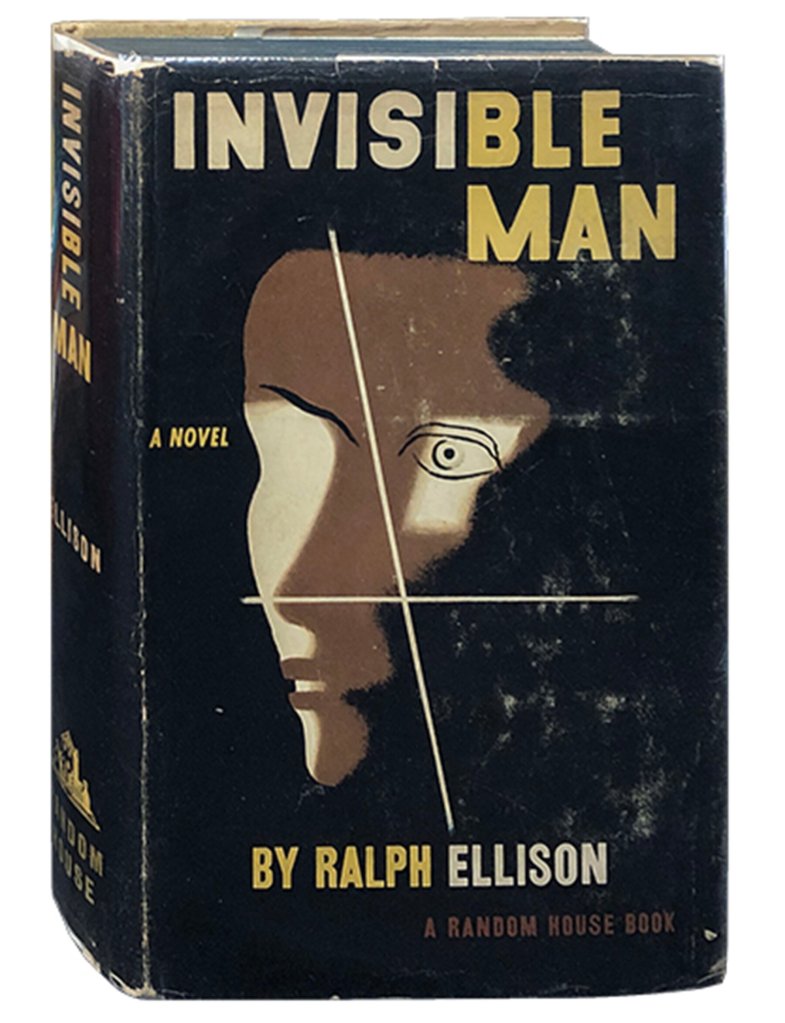
On page 116 of Lamb’s book about the Cannon Street team: “Whites in Charleston may have seen African Americans on the streets during the daytime hours or in the back of a bus or mowing the lawn or clipping the hedges of a white person’s home, but they were, as (writer and scholar) Ralph Ellison said, largely invisible. Ellison’s 1953 novel, ‘Invisible Man,’ told whites something they probably didn’t know and it told Blacks something most of them knew too well: Blacks were largely invisible to whites – unless whites saw them doing something they didn’t like.”
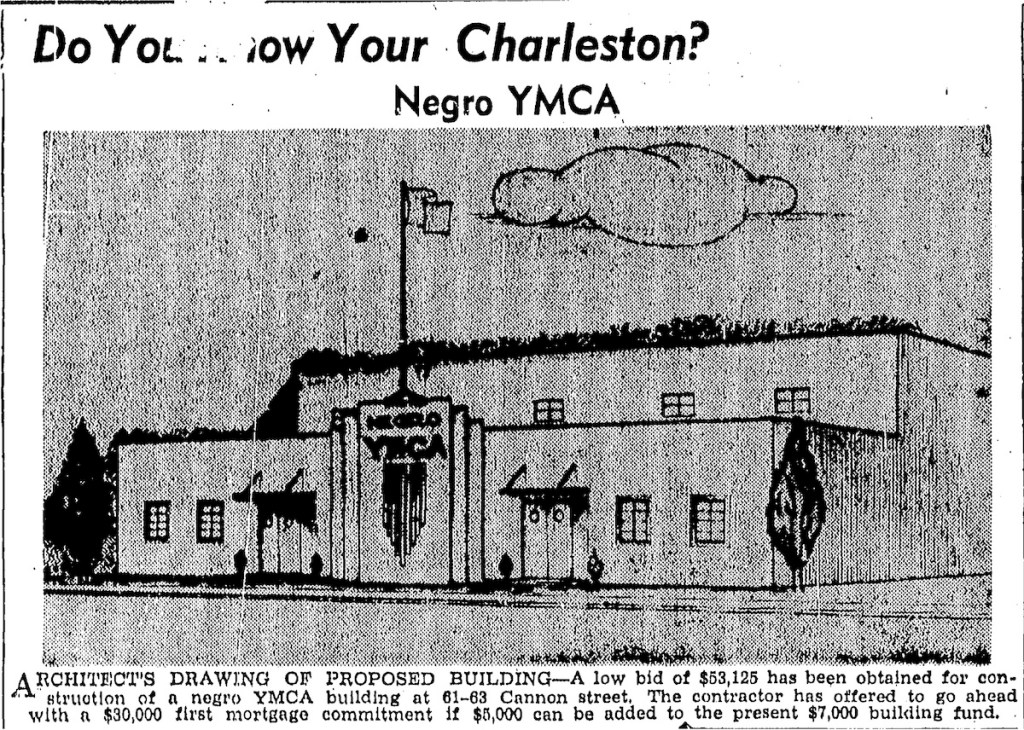
White baseball teams – read in: parents, administrators, district organizers – didn’t like how a black team got this far into a Little League tournament when it seemed to expand beyond the segregated boundaries that were created for it near the Cannon Street YMCA.
Again context: Brown v. Board of Education is in the news. In August, ’55, the Emmett Till lynching in Mississippi. Four months later, Rosa Parks is a household name, and the Montgomery Bus Boycotts are on.
Continue reading “Day 9 of 2022 baseball books: The Cannon Street Little League team of 1955, in “our darkest yet finest hour””







 Tom Hoffarth's The Drill: More Farther Off the Wall