This is the latest post for an ongoing media project — SoCal Sports History 101: The Prime Numbers from 00 to 99 that Uniformly, Uniquely and Unapologetically Reveal The Narrative of Our Region’s Athletic Heritage. Pick a number and highlight an athlete — person, place or thing — most obviously connected to it by fame and fortune, someone who isn’t so obvious, and then take a deeper dive into the most interesting story tied to it. It’s a combination of star power, achievement, longevity, notoriety, and, above all, what makes that athlete so Southern California. Quirkiness factors in. And it should open itself to more discussion and debate — which is what sports is best at doing.
The most obvious choices for No. 92:
= Rich Dimler, USC football, Los Angeles Express
The not-so-obvious choices for No. 92:
= Harrison Mevis, Los Angeles Rams = Rick Tocchet, Los Angeles Kings = Don Gibson, USC football
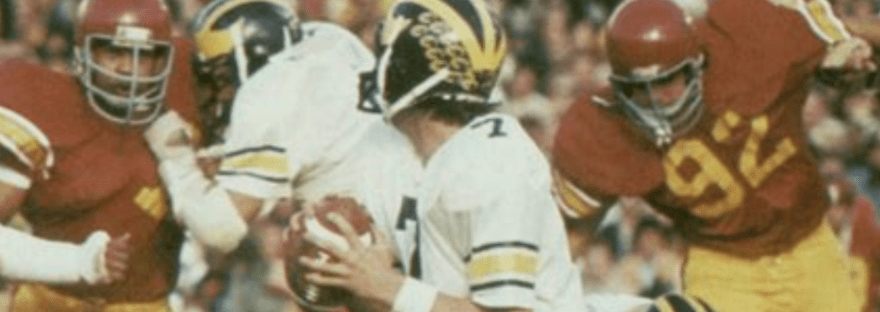
The most interesting story for No. 92: Rich Dimler, USC football nose guard (1975 to 1978), Los Angeles Express defensive tackle (1983 to 1984) Southern California map pinpoints: Los Angeles, Glendale, Inglewood, Hawthorne, Torrance, Rancho Palos Verdes
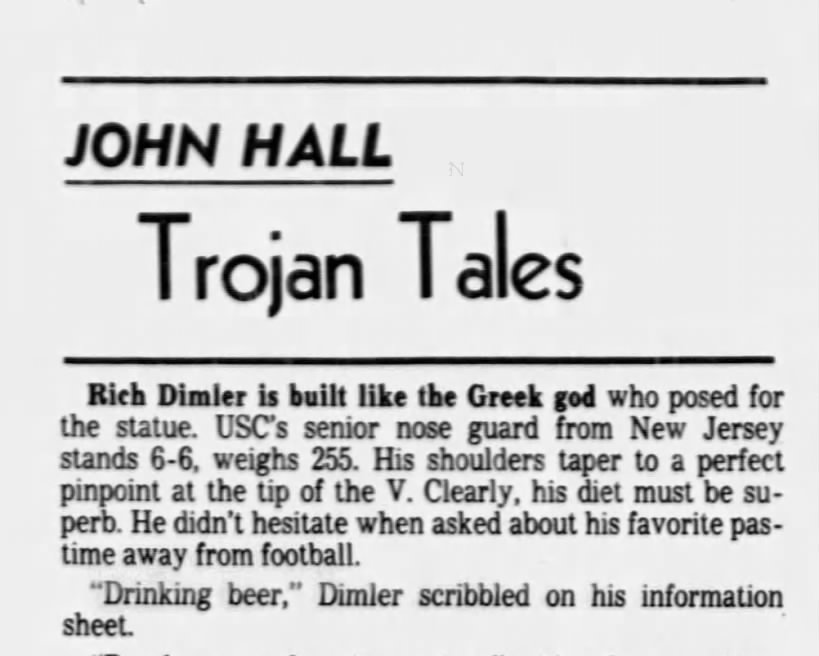
Los Angeles Times, Sept. 8, 1978.
Raise a glass to Rick Dimler. With caution.
The fact he made it through 44 years of roughhousing, and once heralded by USC defensive line coach Marv Goux as “the toughest player I’ve seen in 22 years of coaching” while playing on four straight Trojan bowl victories, is worthy of a toast.
But then again, there was the time when his home town in New Jersey tried to throw a parade in his honor, and it didn’t end well.
Homecomings can be problematic if the honoree celebrates too early and too often.
In March of 1979, Dimler was living off the fame of finishing his four years of football at USC, capped off by a 12-1 season, co-captain of the defensive squad that was highly effective in a Rose Bowl win over Michigan, and giving the Trojans a national championship in the eyes of many voters of such polls.
At this point, Dimler was back visiting friends and family in Bayonne, New Jersey. The cityfolk were finalizing plans for what would be Rich Dimler Day — a parade in his honor, a key to the city, the red-carpet treatment. Beers hoisted and thrown back as he could now look forward to what the NFL might bring.
The party was set for April, but, again, Dimler put himself in a situation that had penalty flags flying all over the place.
On March 12, Bayonne police say they saw Dimler in a car racing another car right down Broadway through the city, and started chasing him at 2 a.m. Dimler, according to the authorities, ran three red lights trying to escape. The other car got away. Dimler was hauled in.
At that point, the 6-foot-6, 260-pound Dimler had a dim view on how this might be a teachable moment.
“I’ll have your jobs; I’ll have both your jobs!” Dimler was said to have screamed at the officers, pushing one of them away. He was eventually accused of striking a patrolman in the chest at police headquarters and deemed “unruly” while in the jail cell.
“He flunked his breathalyzer test in flying colors,” said Lt. Vincent Bonner said in newspaper accounts. The .22 result was well above the legal limit of .15.
As soon as Dimler was out on bail facing charges of assault and battery and creating a disturbance, reporters covering the incident discovered he had been arrested just a month earlier in Los Angeles on driving under the influence, but no charges were filed.
Those digging further into his legal history found a disturbing incident in 1973, the year before he left New Jersey to attend USC, when Dimler, then 17, was acquitted of a death by auto charge in juvenile court. He had been charged of hitting and killing a 10-year-old girl as she crossed the street, and he left the scene. All that happened at the time was getting put on probation.
Bayonne City Councilman Donald Ahern — who happened to be Dimler’s high school coach in the mid-’70s — was asked about how all this might tarnish te upcoming day in his honor.
“He’s a good kid with a good heart; I’d be the last guy to leave the ship for that kid,” said Ahern.
If Dimler needed another character witness, in November of ’78, USC coach John Robinson was telling the Los Angeles Times’ John Hall about how the season had been progressing with Dimler in command of the defense.
“If they ever draw up a blueprint for the ideal leader,” Robinson said, “that’s Dimler.”
This is the latest post for an ongoing media project — SoCal Sports History 101: The Prime Numbers from 00 to 99 that Uniformly, Uniquely and Unapologetically Reveal The Narrative of Our Region’s Athletic Heritage. Pick a number and highlight an athlete — person, place or thing — most obviously connected to it by fame and fortune, someone who isn’t so obvious, and then take a deeper dive into the most interesting story tied to it. It’s a combination of star power, achievement, longevity, notoriety, and, above all, what makes that athlete so Southern California. Quirkiness and notoriety factor in. And it should open itself to more discussion and debate — which is what sports is best at doing.
The most obvious choices for No. 35:
= Sidney Wicks, UCLA basketball = Bob Welch, Los Angeles Dodgers = Cody Bellinger, Los Angeles Dodgers = Jean-Sebastien Giguere, Anaheim Mighty Ducks = Christian Okoye, Azusa Pacific College football
The not-so-obvious choices for No. 35:
= Tank Younger, Los Angeles Rams = Loy Vaught, Los Angeles Clippers = Rudy LaRusso, Los Angeles Lakers = Ron Settles, Long Beach State football
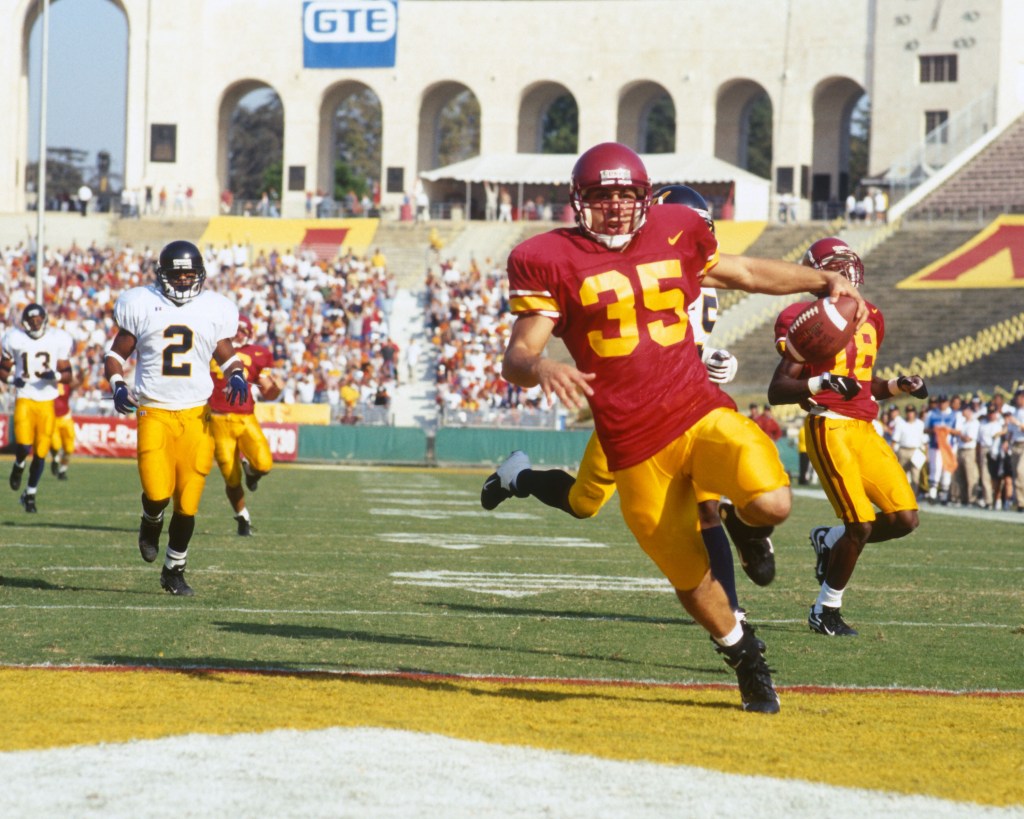
The most interesting story for No. 35: Petros Papadakis, USC football tailback (1996 to 2000) Southern California map pinpoints: San Pedro, Palos Verdes, Hollywood, Los Angeles (Coliseum, Sports Arena)
Oct. 15, 1998: On USC’s third play from scrimmage in the first quarter, Trojans junior tailback Petros Papadakis finishes off a 65-yard touchdown run against Cal at the Coliseum (top, and below). Papadakis had 13 carries for 158 yards in his greatest statistical performance of his USC career in a 32-31 Week 6 loss. (Photos by Jon Soohoo/USC)
Any sort of perfunctory profile of Petros Papadakis becomes the proverbial Sisyphean pursuit. Hopefully we don’t have to Greek-splain too much here.
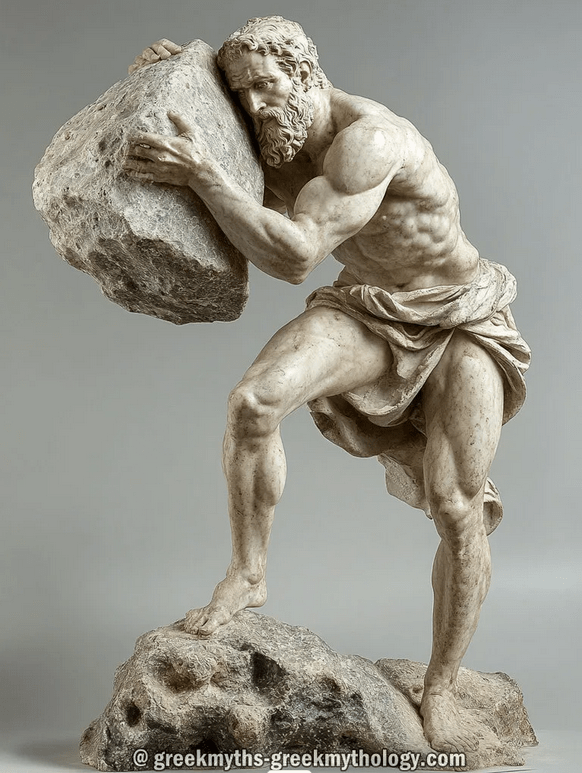
Sisyphus, the first king of Ephyra, found his eternal fate in Hades rolling a huge boulder endlessly up a hill, only to see it come back down at him. Every time he made progress and got on a roll, it reversed on him like a Looney Tunes cartoon. The whole thing seemed so Kafkaesque that French philosopher Albert Camus, writing “The Myth of Sisyphus” in 1942, elevated him to some absurd hero status in Greek mythology.
Something that Papadakis might find relatable.
When Papadakis gets on his own a roll, cutting it up on KLAC-AM (570)’s afternoon sports-talk drive-time “Petros and Money Show,” there is far less sports and much more drive to just being a voice for “la raza.” It’s a focus on a feeling of being in “la ciudad” with Papadakis, as familiar as he is bombastic, just the person in the passenger seat making observational conversation to it real.
He is part of USC football legacy, a linage of Cardinal and Gold athletes whose performance has been documented in Los Angeles’ grand Coliseum. Papadakis’ work ethic formed at his family’s famously iconic San Pedro Taverna, as he went from dishwasher to waiter to spending all his earnings for the night back on his guests to make sure they went home happy.
Maybe Papadakis became an accidental broadcaster, but it’s a career that likely defines him as much if not more than anything else. Once a Trojan workhorse in the USC backfield, he is the sometimes-hoarse former Trojan on the dashboard radio. A Red Bull in a china shop of hot topics. The connoisseurs of SoCal sports who enjoy conquering as much as consuming any kind of history lesson are better for it.
Fox Sports’ Petros Papadakis, left, with USC head football coach Lane Kiffin in 2011.
Back to the profile: Papadakis has provided quips along the way to make his story even more cohesive:
This is the latest post for an ongoing media project — SoCal Sports History 101: The Prime Numbers from 00 to 99 that Uniformly, Uniquely and Unapologetically Reveal The Narrative of Our Region’s Athletic Heritage. Pick a number and highlight an athlete — person, place or thing — most obviously connected to it by fame and fortune, someone who isn’t so obvious, and then take a deeper dive into the most interesting story tied to it. It’s a combination of star power, achievement, longevity, notoriety, and, above all, what makes that athlete so Southern California. Quirkiness and notoriety factor in. And it should open itself to more discussion and debate — which is what sports is best at doing.
The most obvious choices for No. 68: = Keith Van Horn, USC football = Mike McKeever, USC football = Frank Cornish, UCLA football = Ross Stripling, Los Angeles Dodgers
The most obvious choices for No. 86: = Marlin McKeever, USC football, Los Angeles Rams = Jack Bighead, Pepperdine football; Los Angeles Rams
The most interesting story for No. 68 and No. 86: = Mike McKeever, USC football offensive and defensive guard (1957 to 1960) = Marlin McKeever, USC football offensive and defensive end / fullback / punter (1957 to 1960); Los Angeles Rams tight end / linebacker (1961 to 1966, 1971 to 1972).
Southern California map pinpoints: South Los Angeles, the Coliseum, Montebello, Long Beach
You betcha, the way Marlin and Mike McKeever’s lives started made for a nifty ice breaker when Groucho Marx had them on his TV show in March of 1961.
So it was during a blizzard on New Year’s Day 1940, on the plains in Cheyenne, Wyoming, when Marlin arrived first. Mike followed 10 minutes later.
The thing is, their parents were told by the doctor to only expect a girl. Just one at that.
“They already named her — Mary Ann I believe,” Mike told Groucho with a chuckle as he and Marlin, along with their new brides, Judy and Susie, made to NBC Studios in Hollywood for a filming of what was then called “The Groucho Show,” an offshoot of the more famous title “You Bet Your Life.”
Their days as USC All-American football giants had just ended. When the 1960 season ended, they had a double wedding ceremony at St. Vincent de Paul Catholic Church in L.A., just blocks away from the USC campus. Later that month, they were drafted by the Los Angeles Rams.
Groucho Marx took a puff of his cigar, sized up the pair of crew-cut, 6-foot-1 and 225-pounders, and remarked: “Imagine getting all set for a baby girl named Mary Ann and suddenly these two show up.”
Groucho was fascinated with how their parents distinguished the two. Marlin said it was by writing their names in Mercurochrome on their stomachs.
“How do you know they weren’t confused?” Groucho asked. “How do you know they didn’t paint the wrong name?”
Mike spoke up: “I’ve thought about that — it’s pretty depressing so I don’t think about it too much.”
Added Marlin: “He can’t think too much, that’s the problem.”
Suddenly, they were the Smothers Brothers.
As Marlin’s wife Susie listed all the twins’ list of achievements at USC, Groucho had to ask: “Well how do you know all this?”
“I kept a scrapbook,” she replied.
A stuffed duck looking like Grouch dropped down from the ceiling to fanfare. She had said the secret word — book. When George Fenneman doled $50 each to the men, to split the $100 prize, they handed it over to their wives.
They were, after all, Academic All-Americans too.
The background
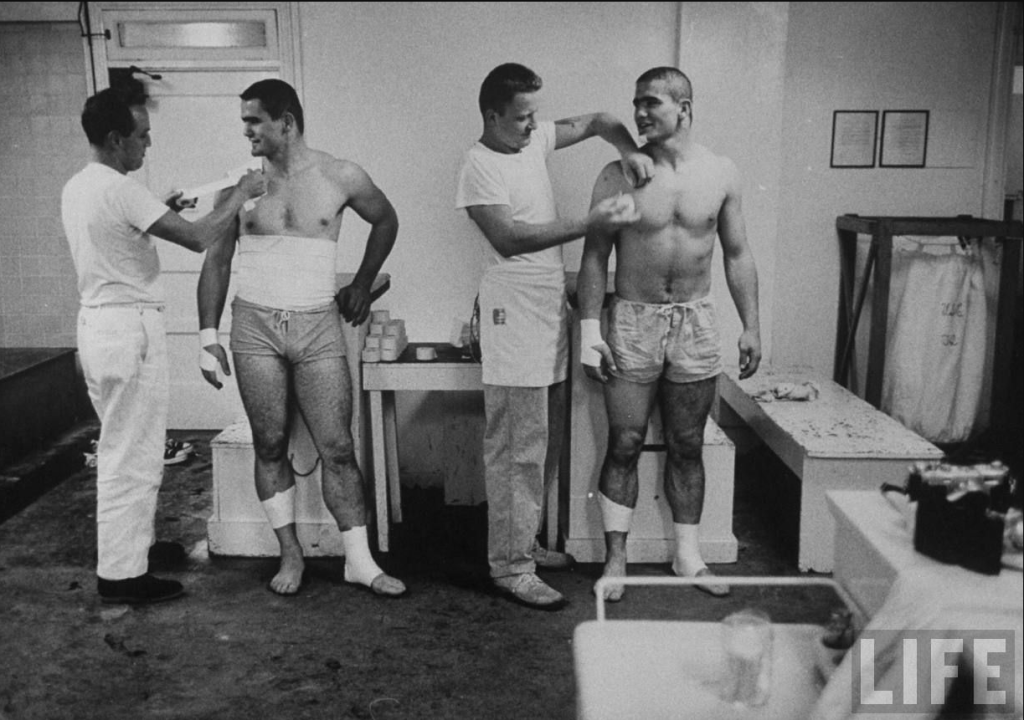
From a Life magazine 1959 profile on the McKeever twins at USC.
The all-boys Catholic school took over 70th Street between Hoover and Vermont, just 20 years old at the time. The Carmelite Order that would later found Crespi High in Encino made sports an integral part of its curriculum to attract students.
This is the latest post for an ongoing media project — SoCal Sports History 101: The Prime Numbers from 00 to 99 that Uniformly, Uniquely and Unapologetically Reveal The Narrative of Our Region’s Athletic Heritage. Pick a number and highlight an athlete — person, place or thing — most obviously connected to it by fame and fortune, someone who isn’t so obvious, and then take a deeper dive into the most interesting story tied to it. It’s a combination of star power, achievement, longevity, notoriety, and, above all, what makes that athlete so Southern California. Quirkiness and notoriety factor in. And it should open itself to more discussion and debate — which is what sports is best at doing.
The most obvious choices for No. 1:
= Rod Dedeaux: USC baseball = Pee Wee Reese: Los Angeles Dodgers = James Harden: Los Angeles Clippers = Jordan Farmar: Taft High School, UCLA basketball, Los Angeles Lakers, Los Angeles Clippers = Dorian Thompson-Robinson: UCLA football = Mike Williams: USC football
The not-so-obvious choices for No. 1:
= Dot Richardson: UCLA softball = Jonas Hiller: Anaheim Ducks = Dusty Dvorak: USC men’s volleyball = D’Angelo Russell: Los Angeles Lakers
The most interesting story for No. 1: Rod Dedeaux: USC baseball coach (1950 to 1986) via Hollywood High Southern California map pinpoints: Hollywood; downtown Los Angeles (USC); Dodger Stadium
Rod Dedeaux attends the 15th Anniversary DVD release celebration of the film “Field of Dreams” in June, 2004 in West Hollywood. (Photo by Mark Mainz/Getty Images)
Rod Dedeaux navigated the seats behind home plate at Rod Dedeaux Field on the USC campus in 2004, while the Trojans’ game against cross-town rival UCLA continued in the background.
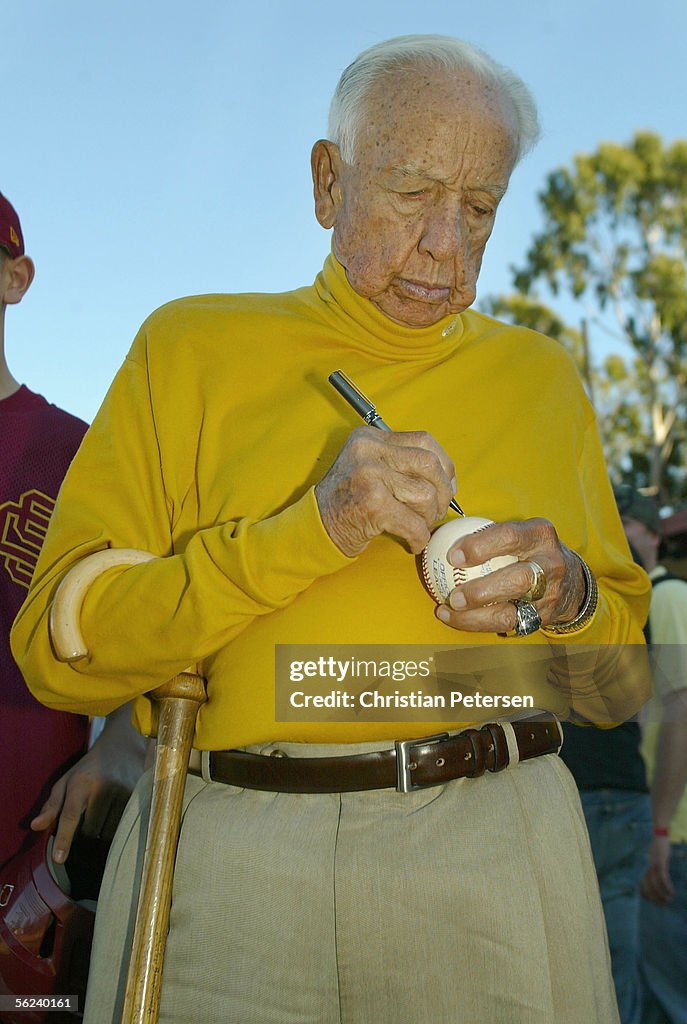
Rod Dedeaux signs autographs for fans after the USC Alumni Baseball game held at Dedeaux Field on November 19, 2005. (Photo by Christian Petersen/Getty Images)
He was the show at that moment. Fans came up to greet the then-90-year-old and see if there was any more wisdom to glean. Dedeaux tried to talk over the the music that a dozen school band members nearby created as it pushed through several versions of the school’s fight song as well as “Conquest.”
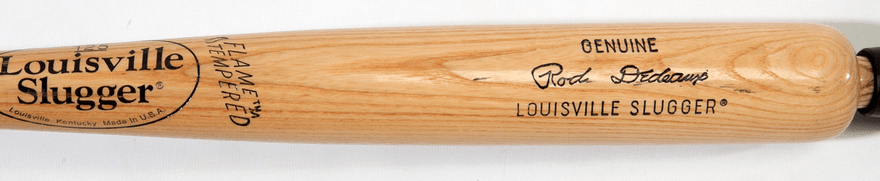
Once Dedeaux leaned on his cane – an actual Hillerich & Bradby wooden bat with a curved handle attached to the knob end, one of six that he has all filled with autographs — he could speak with more authority.
“I hate it with a passion,” Dedeaux admitted.
Not the cane, or the music, or how he trying to find a way to spend his retirement years. It was the ear-ringing sound — KLIIIINK! – when cowhide met up with an aluminum bat.
Dedeaux was not into heavy metal.
“I believe baseball should be played outdoors, on natural grass, with no DH and with wood bats,” he continued. “Do you agree? Sometimes I feel like a voice crying in the wilderness.”
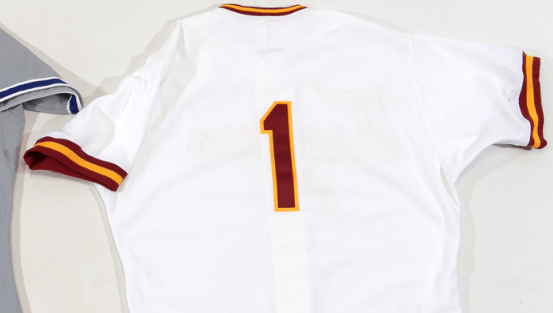
The guy who wore No. 1 for five decades heading up a Trojans’ baseball program he once played for, as someone who represented a certain status in the college baseball world, Dedeaux said what needed to be said.
“KLINNNK!” went another ground out.
Listen, if John Wooden was practicing wizardry in Westwood for the good of UCLA and the future of college basketball, Dedeaux could resource his own sorcery in South L.A. to give college baseball its own prominent.
He didn’t speak softly as he wielded a big stick.
Some 20 years after Hollywood High School opened at the turn of the 20th Century, the administration decided it needed a fitting nickname for the sports teams that were now forming on campus.
The Sheiks sounded pretty chic.
It came about because of the 1921 popularity of Rudolph Valentino’s silent film, “The Sheik,” which propelled the so-called “Latin Lover” born in Italy to stardom. Valentino’s portrait would not only be apart of a famous mural among school alumni created on the theater arts building near the corner of Hollywood and Highland, but he would also be illustrated as the official mascot on the side of a building overlooking the school’s football field, letting visitors know they were entering “Sheik Territory.”
Valentino, who died just five years after the film’s release at age 31, adding to his mysterious legend, can’t be called the school’s most famous alum because — look it up — he never went there. At this point in time, he may not even be the most famous resident of the nearby Hollywood Forever Cemetery.
Mickey Rooney and Judy Garland were Hollywood High classmates who graduated a year apart in the late 1930s. Other well-known Hollywood alums include Lon Chaney, John Huston, Fay Wray and Carole Lombard. Later came Lana Turner, Jason Robards, John Ritter, Carol Burnett, Ricky and David Nelson and Sarah Jessica Parker.
From the 1931 Hollywood High School yearbook.
Rod Dedeaux, Class of ‘31 would eventually take center stage as, perhaps, the greatest athletic figure to ever come out of the school.
He was an All L.A. City High baseball selection in 1930 and ’31, and then a three-year letterman at USC as the starting shortstop from ’33 to ’35, earning All-Coast honors and captain of the team as a senior when it won its first conference title.
Casey Stengel, a local Glendale resident who had just finished his 14-year MLB career and was managing the Toledo Mud Hens at that time, had become Dedeaux’s mentor.
Dedeaux had actually skipped out on his USC graduation a few months earlier to join the Brooklyn Dodgers for workouts. He hit .290 at the Dodgers’ Dayton minor-league affiliate. He was called up, according to his SABR.org bio, as he “had been tapped by a struggling Dodgers organization as a prospect to watch.”
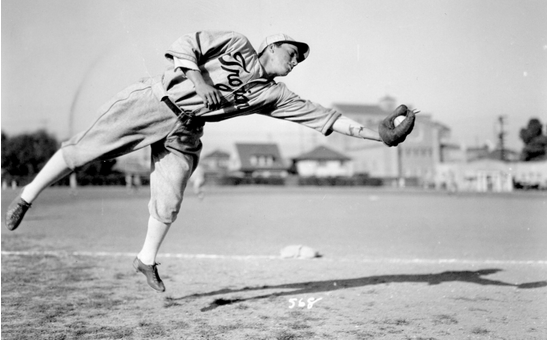
Rod Dedeaux, during his playing days at USC. What number did he wear? Maybe nothing.
With Stengel as his Brooklyn manager, Dedeaux produced just one hit during the one game he started at shortstop with the Dodgers, in late September closing out the 1935 season. It was a seventh-inning RBI single against Philadelphia Phillies righthander Hal Kelleher at Ebbets Field. The second game of a double header on a Sunday afternoon, it was called after eight innings because of darkness tied at 4-4.
Coaching and playing for teams such as the Pacific Coast League’s Hollywood Stars, Los Angeles Angels and San Diego Padres after his MLB dreams diminish left Dedeaux available to USC during World War II, as several Trojans coaches were drafted for the cause.
Dedeaux started out sharing the leadership role with Sam Barry starting in 1942 and the arrangement lasted through 1950. The first of Dedeaux’s 11 national titles is with Barry in 1948. Others followed in ’58, ’61 and ’63 – parallel to the Dodgers’ success not far away at Chavez Ravine.
Dedeaux was already wearing his famous No. 1 jersey. Would it be something of a reminder that he only asked for $1 as an annual salary to coach the program? That would make sense.
“I always say everyone gets paid what they’re worth,” Dedeaux explained the arrangement. “I could cash my check on the bus.”
By investing $500 from his signing bonus with the Brooklyn Dodgers into a Chevy pickup, Dedeaux had already lauched a trucking firm in 1938 called DART – Dedeaux Automotive Repair and Transit. He did the delivery routes between his headquarters in City of Commerce and Albuquerque.
The Dedeaux-Stengel relationship would continue. And it would be so strong, word was that when Stengel was winning World Series titles with the New York Yankees in the 1950s, he tried to coax Dedeaux into leaving USC and join his staff so he could groom him as his successor.
“The Yankees were the pinnacle, my dream team,” Dedeaux once said, “but we had a young family, I was still getting the trucking business off the ground and I had loyalty to the people at USC was a difficult decision, but I just didn’t feel I could uproot everything we had started at that point.”
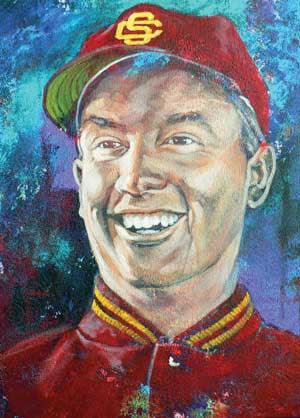
A Rod Dedeaux portrait by a damn fine Texas-based artist, Robert Hurst.
Dodgers owner Peter O’Malley would also admit that Dedeaux was considered as the Dodgers manager job in the mid-1970s, and eventual Walter Alston successor Tommy Lasorda had tried to bring Dedeaux in as his coach.
By then, Dedeaux was in deep with the Trojans. He ran off six more titles from 1968 to 1974, including five in a row. The ’73 title happened because of a notable come-from-behind win in the semifinals against Minnesota and pitcher Dave Winfield, who took a one hitter into the ninth inning with a 7-0 lead.
“And it was quite a testy feud going on,” Dedeaux recalled about that game. “The Minnesota head coach had been ejected. The assistant coach later blamed himself–those were his words in the papers the next day–because they were kind of rubbing it in. There was kind of a verbal barrage going on.
“They were bunting to score more runs. We were telling ‘em, ‘You’ve got to play nine innings, you’re not playing Manitoba Tech, you’re playing the Trojans.’
“And we scored eight runs on ‘em in the bottom of the ninth, all earned. I can almost remember it blow by blow. Creighton Tevlin got an infield hit with one out. There was a key double by Fred Lynn. Richie Dauer got a big hit.
“Everybody had gone home. The place had been packed. Then as they were listening to the radio and started hearing the Trojans were rallying–we were known for our rallies–they started turning around to get back in the park. They said it was the worst traffic jam in Omaha history. People just left their cars where they were and ran into the ballpark.
“They had always booed us back there. We won pretty consistently. What was unbelievable about that was that we got a standing ovation. That was the first time they’d ever clapped for us.
“There were 5,000 people giving us a standing ovation and we said, ‘Man, history has really been made.’ The next day we came out to play the final game and damn it, they booed us! I said, ‘What happened to those 5,000 people?’”
Dedeaux retired in 1986 as the winningest coach in college baseball with 1,322 victories against just 571 losses and 11 ties, one percentage point short of .700.
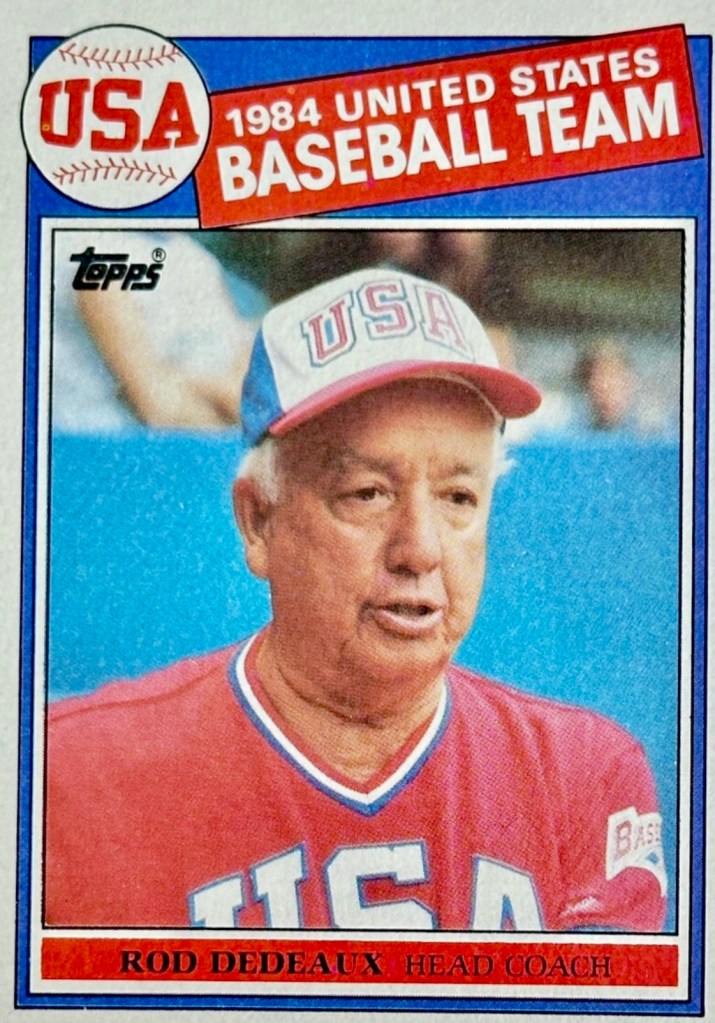
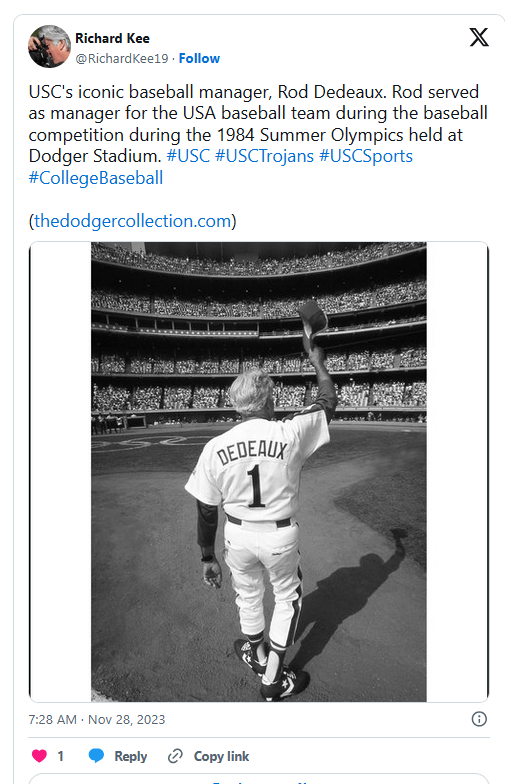
The proof of the success were the nearly 200 of players who went to the major leagues, including Hall of Famers Tom Seaver and Randy Johnson. It says so on the one and only Topps baseball card made for him as he recruited to coach the U.S. team that played in the 1984 Olympics at Dodger Stadium as a demonstration sport. One of his key players was Trojans first baseman Mark McGwire as the team won a silver medal.
Not to mention one of Dedeaux’s first USC batboys, Sparky Anderson, became a Hall of Fame manager. In the 1979 MLB All-Star Game, four of Dedeaux’s former players were on the rosters – Fred Lynn, Dave Kingman, Roy Smalley and Steve Kemp.
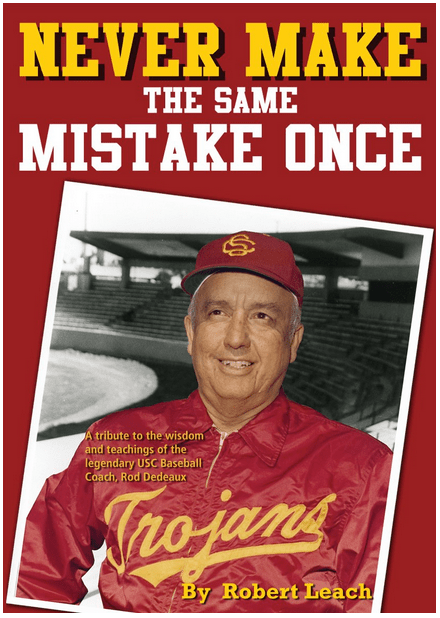
A 2011 book, “Never Make the Same Mistake Once,” holds together Dedeaux’s quips and strategies as a way of setting goals in life that also related to his business, Dedeaux Properties, which Dedeaux expanded to in 2006 based in Santa Monica.
It is now run by his son, Terry Dedeaux, chairman of the Dart Warehouse Corp., who played at USC, as did Dedeaux’s other son, Justin.
Rod Dedeaux had graduated from USC with a bachelor’s degree in business and was president of his Delta Chi fraternity.
A charter member of the USC Athletic Hall of Fame in 1994, Dedeaux is remembered not just by having his name on the Trojans’ baseball park since its 1974 opening — where a no-hitter by USC’s Russ McQueen was thrown on the day it was christened on the corner of Vermont and Jefferson.
A Dedeaux statue was planted outside the entrance in 2014, eight years after his death at age 91. At the base of it is the phrase, “Hi Tigers” – the nickname Dedeaux would address almost everyone he knew to make up for the likelihood that he couldn’t remember their name.
“If you were to look in Rod’s dictionary,” Ron Fairly once said, “I think you’d find several definitions for the word ‘tiger.’ He could compliment you with the way he said it or he could say it in a way that let you know you’d made a mistake.”
Added Tom House, a Trojans player who became an outstanding pitching coach with Texas: “With Rod, everybody’s Tiger, Tiger, Tiger. I can still remember his sayings: ‘If he was good enough to beat a Trojan, he’d be a Trojan.’ And ‘Move those puppies, Tiger'”
No one forgot Dedeaux’s name.
“The very first name, the unanimous pick, the greatest coach in USC history was Rod Dedeaux,” then USC athletic director and former Trojans quarterback Pat Haden said at the statue ceremony.
Jack Del Rio, left, with Rod Dedeaux.
Dedeaux enjoyed bringing players from USC’s other sports onto his diamond – Bill Sharman, Mike Garrett, Willie Brown, Anthony Davis, Anthony Munoz, Jack Del Rio and Rodney Peete. At the time of his death, Dedeaux’s grandson, Adam Dedeaux, was a Trojans freshman first baseman and outfielder.
Of course, Dedeaux couldn’t escape Hollywood. He became the technical director and consultant for “Field of Dreams” and “A League of Their Own,” the later of which involved him judging the talent of actresses who would play roles of Women’s Professional Baseball League players from the 1940s.
When USC announced his passing in a press release, it included some of Dedeaux’s most famous remarks. Such as:
On John Wooden: “I think we have a mutual admiration society. He would send me a personal letter every time we won a championship, and I respected the way his teams played as much as he would let me know how much he respected the way we played. I think character, discipline, attention to details were important to us. Play sloppy and you lose. I never believed what Leo Durocher said about good guys finishing last, and I’m sure Coach Wooden didn’t as well.”
On Casey Stengel: “Many years ago, I figured that Casey had the best brain in baseball. That was long before his success with the Yankees. It was always his philosophy that the ability to teach the game of baseball is the ability to sell it. If you believe that what you’re doing is worthwhile, you’ll succeed … People talked about Stengelese, but I understood every word. Of course, I’d occasionally wonder if there was something wrong with me because I was the only person in our group who did understand.”
On what it takes to be successful: “First, you have to play smart, in baseball and business. If you learn to do things right all the time, it doesn’t matter who you are playing or negotiating with. Secondly, stay loose. When we work, we work hard. But we have fun, too. A little clowning always helps.”
In 2004, Ross Newhan of the Los Angeles Times quoted Tommy Lasorda as saying on the occasion of Dedeaux’s 90th birthday: “The guy is amazing, one of a kind. No matter where we go, he never stops. He always maintains that enthusiasm. When the great Dodger in the sky finally summons him, they should send his body to the Smithsonian.”
Dedeaux and his wife Helen are buried at Forest Lawn Memorial Park in Hollywood Hills. That makes more sense and sensibility.
And that way, he could always keep his roots in Hollywood, perhaps even more famous than some of his silver-screen classmates.
Who else wore No. 1 in SoCal sports history? Make a case for:
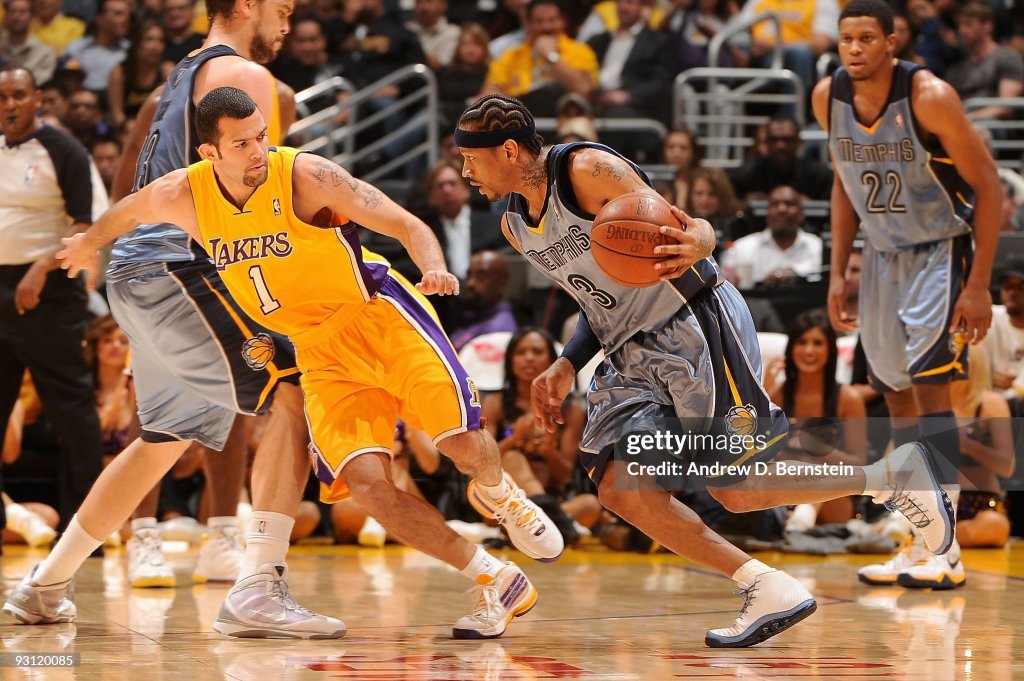
Lakers guard Jordan Farmar, left, guards Memphis’ Allen Iverson #3 of the Memphis Grizzlies in a Nov., 2009 NBA game at Staples Center. (Andrew D. Bernstein/NBAE via Getty Images)
Jordan Farmar, Taft High guard (2003 to 2004),UCLA basketball guard (2004-05 to 2005-06), Los Angeles Lakers guard (2006-07 to 2009-10, and 2013-14), Los Angeles Clippers guard (2014-15):
Taft High School point guard Jordan Farmar. (Vince Compagnone/Los Angeles Times via Getty Images)
Best known: Farmer put himself on the map scoring 54 points in a game as a junior at Taft High, where he led the school to the L.A. City title as a senior. In scoring more than 2,000 points in just those two seasons, the CIF City Section Player of the Year also made it big at in the McDonald’s High School American game. At UCLA, he became All-Pac 10 averaging 13.3 points in two seasons and leading the Bruins to the 2006 NCAA title game against Florida. Declaring for the NBA draft, his hometown Lakers took him 26th overall and he played on two NBA title teams. Not well remembered: Farmar also wore No. 5 for the Lakers from 2006-07 to 2008-09 because Smush Parker was wearing No. 1, Aaron McKee had No. 2, Shammon Williams had No. 3 and Luke Walton had No. 4
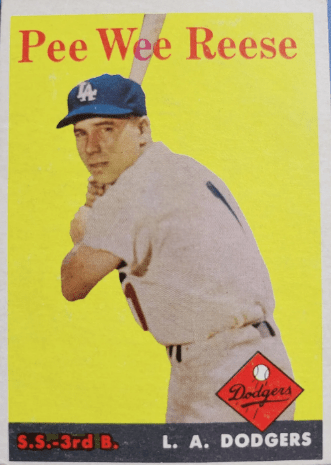
Pee Wee Reese, Los Angeles Dodgers shortstop/third baseman (1958):
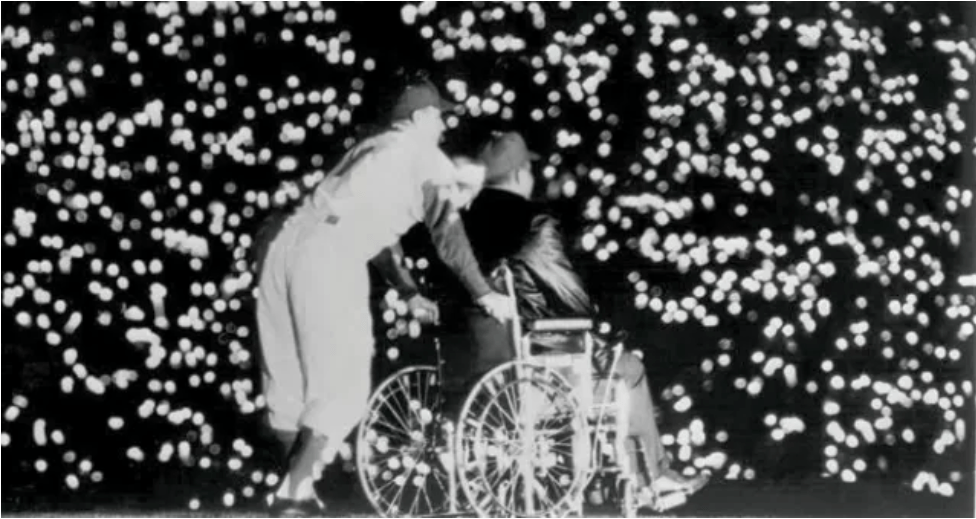
On May 7, 1959: Pee Wee Reese with Roy Campanella at the L.A. Coliseum.
Best known: The Brooklyn Dodgers’ captain, a 10-time NL All Star and eventual Baseball Hall of Famer (voted in 1984, when his No. 1 was retired), made the trip to Los Angeles for one year as a player, a carry-over from 15 previous years in Brooklyn as Jackie Robinson’s cherished teammate. As his new baseball card showed, Reese wasn’t just playing shortstop, yielding more playing time to Charlie Neal and Don Zimmer, and helping to groom Maury Wills. At 39, Reese hit just .224 in 59 games for the ’58 team. He stayed on in ’59 as a coach, participating in the Roy Campanella Night at the Coliseum, earning a World Series ring, and then moved into a broadcasting role with CBS and NBC.
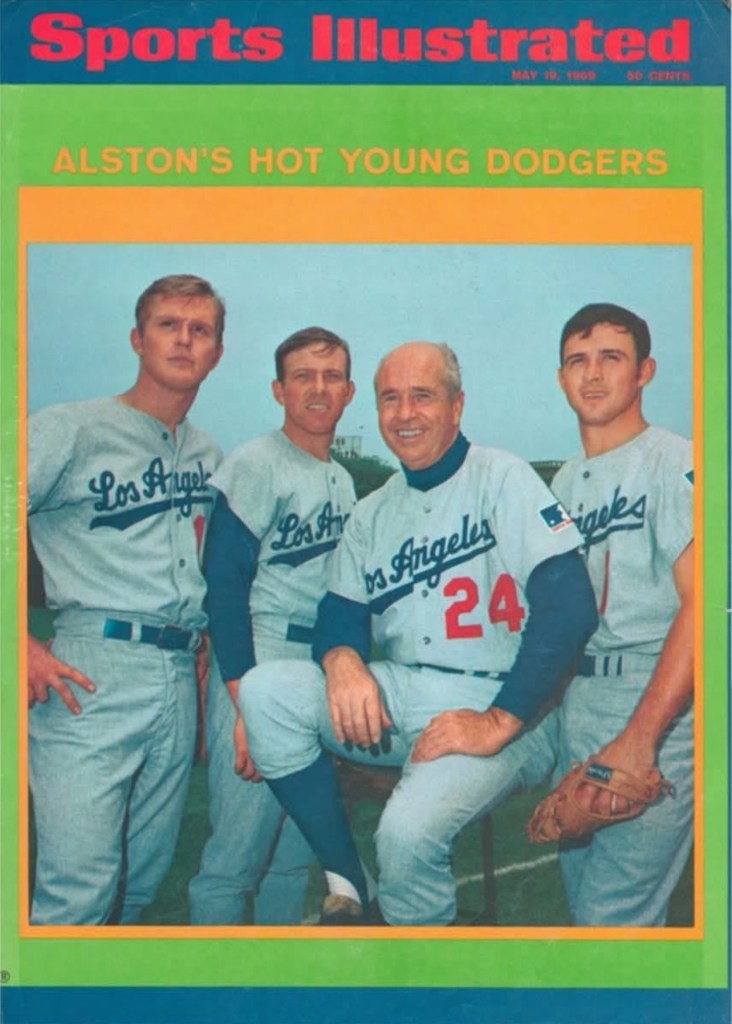
Bill Grabarkewitz, Los Angeles Dodgers shortstop (1969 to 1972), California Angels (1973):
Sports Illustrated, May 19, 1969: Bill Grabarkewitz, far right, poses with teammates Bill Sudakis, left, Ted Sizemore, second from left, and manager Walter Alston. For the 1969 season, Grabarkewitz started the season at shortstop with Sudakis at third and Sizemore at second. Grabarkewitz played just 34 games and hit .092, leaving the Dodgers traded with Montreal to get get Maury Wills back to play the position, just a month after this photo was taken. But Grabarkewitz was on the NL All Star team a year later.
Best known: In 1972, when the Dodgers put players’ names on the back of their uniforms, Bill Grabarkewitz felt a sense of security: “If the Dodgers go to the expense of putting my name on the back of a uniform, I know darn well they aren’t going to trade me,” he said.
Part of a Dodgers’ youth surge that included Steve Garvey, Ted Sizemore, Bill Russell, Ron Cey, Bobby Valentine and Bill Sudakis, Grabarkewitz must have felt like the No. 1 success story when, in 1970, he made the NL All Star team as a 24 year old in his first full season. As a reserve infielder, he got time at second base when Sizemore was injured, moved to third for a slumping Garvey and filled in at shortstop for Maury Wills. In a year where he would lead the team with 17 homers to go with 92 runs scored, 89 RBIs and 19 stolen bases, Grabarkowitz started April by hitting the team’s first homer and posted a .429 batting average. Picked as a reserve on the NL All Star team by manager Gil Hodges (just one of two Dodgers, with pitcher Claude Osteen for an 87-74 team that was second in the NL West), Grabarkewitz came into the game in the seventh inning and got three at bats as a replacement for third baseman Tony Perez. As the game went into extra innings, he kept the bottom of 12th inning going for the NL with a two-out single off the Angels’ Clyde Wright, which followed a single by Pete Rose. When Jim Hickman came up next and singled, the legendary Pete Rose-Ray Fosse home-plate collision happened for a 5-4 NL win. The Dodgers felt so highly of Grabarkewitz that, for the 1971 season, they created a spot for him at second base by trading Sizemore, the 1969 NL Rookie of the Year, to St. Louis for slugger Dick Allen. But Grabarkewitz went on the DL needing shoulder surgery. He played just 44 games and was left competing for the second base spot with Jim Lefebvre, Lee Lacy and Davey Lopes, since Garvey was moved to first, Cey was at third base and Russell was at shortstop. In the 1972 spring training, Grabarkewitz was back on the bench, hitting just .167 in 53 games. That offseason, he was traded with Valentine, Frank Robinson, Mike Strahler and Bill Singer to the Angels for Andy Messersmith and Ken McMullen.
Not well remembered: In the book, “Baseball’s Shooting Stars: Improbable Ascents and Burnouts in the National Pastime,” author David Gordon devotes a chapter to Grabarkewitz, fascinated with the man he called the one “who led the league in consonants” Grabarkewitz’s 6.5 WAR in 1970 may be “the most extreme one-year wonder of any non-pitcher in MLB history,” Gordon said. “I can find no other historical example of a position player with a career lasting at least five years who posted a > or = 6.5 WAR in one season but played at or below replacement level for the remainder of his career.” From 1971 to 1975, as Grabarkewitz was injured and posting a 0.3 WAR, he was traded to the Angels, then traded to Philadelphia, sold to the Chicago Cubs, released, signed by Oakland but done by age 29. “My reflexive take on one-year wonders like Grabarkewitz is their career years were flukes and the law of averages caught up with them,” wrote Gordon. “But Grabarkewitz is something else. Nothing about his sterling 1970 season seems lucky or flukish. A combination of lesser injuries and an overloaded Dodgers farm system — not regression to the mean — conspired to prevent him from becoming the player everyone thought he would be for more than one season. I view Grabarkewitz mainly as a very unlucky player who might very well have achieved long-term success on a different team and under more favorable circumstances.”
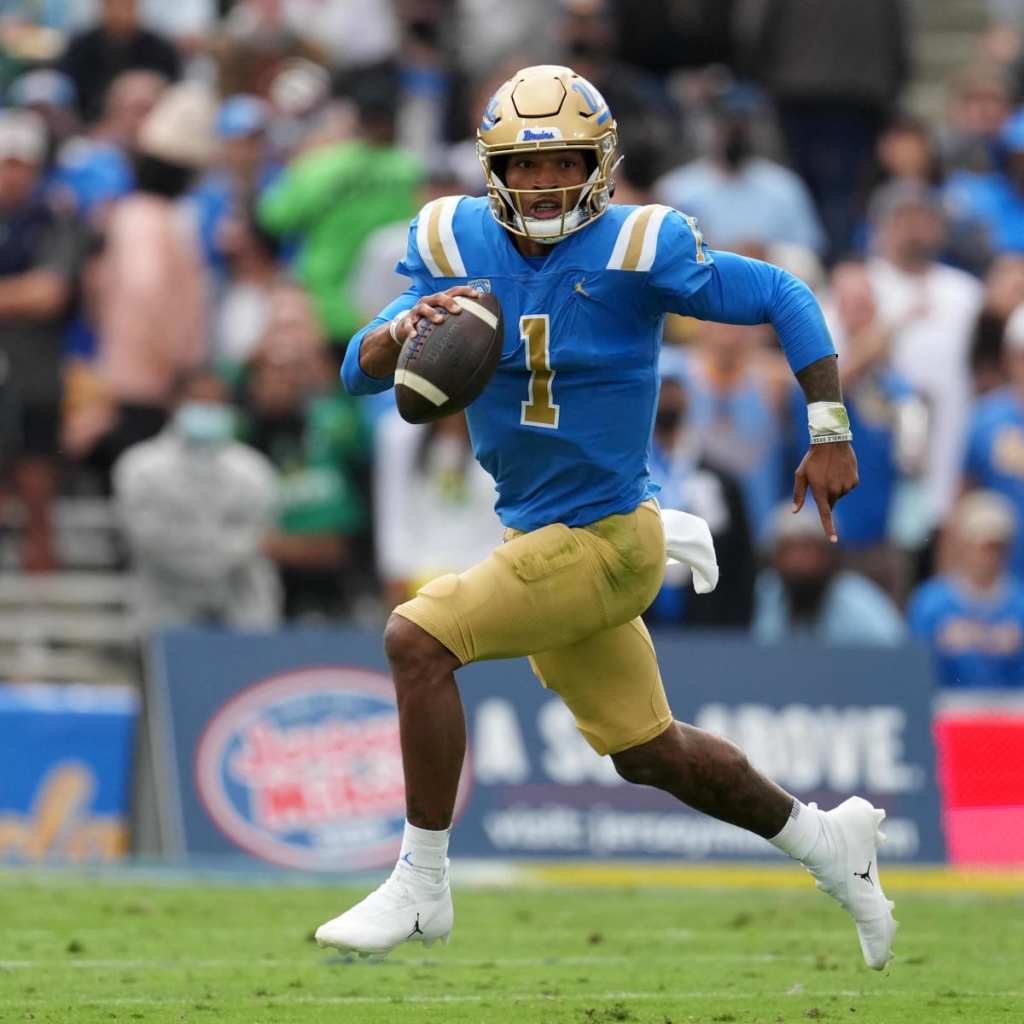
Best known: Having an extra year of eligibility because of the COVID-19 pandemic allowed DTR to throw for more than 10,000 yards in five seasons and amass 88 touchdowns (against 36 interceptions) with a lifetime quarterback rating of 145.6. He also ran 471 times for 1,826 yards and 28 touchdowns — accounting for more than 100 TDs in his career. Heavily recruited out of Las Vegas, DTR was a two-time, All-Pac-12 second team member. He posted a UCLA record 564 total yards and accounted for seven touchdowns (five passing and two running) in a 67-63 comeback win over Washington State as a sophomore. He also generated 431 yards of total offense in UCLA’s win over USC that year. In his first senior season, DTR led the conference with 8.5 yards gained per pass attempt. While UCLA had a 24-24 record with him as a starter, he became a fifth-round pick of the Cleveland Browns in the 2023 NFL Draft.
James Harden, Los Angeles Clippers guard (2023-24 to present):
Best known: The Clippers rescued the former Artesia High of Lakewood standout with a three-team trade in November of 2023 with Philadelphia and Oklahoma City to get him out a bad situation with the Sixers. After the Sixers rescued him a couple seasons earlier to get out of Brooklyn. Which had accepted him from Houston, a place where he was an All-Star in his first season with them in as a 23-year-old because Oklahoma City thought he was move valuable as a sixth man. The 11-time All Star who led the NBA three times in 3-pointers attempted and made secured the 2017-18 MVP Award, was a runner-up three times, and was added to the NBA 75th Anniversary Team in 2022. After the Clippers won their 23rd game over a 30-game stretch, and Harden averaged 16.9 points, 8.4 assists and 4.6 rebounds over that time, he and his beard seem content meshing with Russell Westbrook, Kawhi Leonard and Paul George. “I’m here, home,” he said. “We have an opportunity. I want to be able to keep the core together for a few years and I haven’t had those opportunities the last few years. So things are going well and I’m happy.” Until he wasn’t. The Clippers traded him to Cleveland in February of 2026 because of a contract dispute.
D’Angelo Russell, Los Angeles Lakers guard (2015-’16 to ’16-’17, and 2022-’23 to ’24-’25):
Best known: The second overall pick in the 2015 NBA Draft out of Ohio State became the youngest player in Lakers franchise history to post a 40-point game – against LeBron James and Cleveland in March of 2017. So why was he traded away months later, at age 20? The Lakers apparently weren’t happy with his maturity. So why was he worth bringing back in February 2023, at age 26? The team needed some experienced talent and maybe he was a better fit with James as a teammate. Russell had a career playoff high of 31 points in a Western Conference first-round match up against Memphis in April, ’23. But when the Lakers pulled out a 145-144 double OT win at Golden State on Jan. 27, 2024, Russell, who had a team-high 28 points in the win playing 49 minutes, punted the ball into the stands as it was coming down under the basket. The NBA hit him with a $15,000 fine for that fine move. In December of ’24, the Lakers traded the 28-year-old back to Brooklyn.
Roch Cholowsky, UCLA baseball shortstop (2024 to present): The Gatorade Arizona Baseball Player of the Year in high school ended up at UCLA when he went undrafted. As a freshman, he hit .308 with eight home runs and 33 RBIs, and followed that up as a sophomore hitting .367 with 23 homers (most by a Bruin since 2000) and 73 RBIs and a conference best .742 slugging percentage. Also having committed only seven errors on 297 chances, he was named the Big Ten Conference Player of the Year, its Defensive Player of the Year, the Brooks Wallace Award as the NCAA’s top shortstop of 2025, and helped lead UCLA to its first College World Series in 12 years. In the opening game against Murray State, UCLA has runners on first and third with one out in the bottom of the fourth. Cholowsky pulled off a safety squeeze to bring in a run, keeping a rally alive to give UCLA a 6-0 lead in the fifth inning. Bruins coach John Savage said Cholowsky did that on his own. “It’s a baseball play. How can you blame a guy for playing baseball?” As the 2026 season started Cholowsky is an early favorite to be the No. 1 overall pick in the summer MLB draft.
Dot Richardson, UCLA softball shortstop (1982 to 1983): A three-time UCLA MVP and NCAA All-American who helped the Bruins to their first NCAA title in 1982, Richardson became famous for hitting a game-winning home run to secure the U.S. gold medal in the 1996 Olympics. She was also on the 2000 gold medal U.S. team. She was named the NCAA softball player of the decade for the 1980s. The 1983 UCLA All-University Athlete co-winner was inducted into the UCLA Athletic Hall of Fame in 1996.
Dusty Dvorak, USC men’s volleyball setter (1977 to 1980): A four-time All American named Most Outstanding Player during the NCAA Tournament of 1980, when the Trojans won the title. He won an Olympic gold medal with the 1984 U.S. team and is in the International Volleyball Hall of Fame.
Brad Friedel, UCLA soccer goalkeeper (1990 to 1993): The first-team All-American in 1991 and ’92 won the Hermann Trophy in ’93 as the top collegiate player, three years after leading the team to an NCAA title. He left UCLA early to pursue an international pro career and ended up as the fourth-most capped goal keeper in U.S. national team history.
Efren Herrera, UCLA football (1971 to 1974): The Mexican-born player from La Puente High kicked a game-winning field goal with 20 seconds left to lift UCLA past two-time defending national champion Nebraska in the opening game of the ’72 season. He led the nation in scoring in’74 (84 points) and left the school as the NCAA leader in career points (368), also making 121 of 127 PATs. He was also a star forward on the UCLA men’s soccer team helping them to back-to-back title games in 1972 and ’73.
Jonas Hiller, Anaheim Ducks goalie (2007-08 to 2013-14): On Jan. 25, 2014, when the Ducks and Los Angeles Kings were required to play one of those outdoor “Stadium Series” games at Dodger Stadium, Hiller ended up pitching a 3-0 shutout with 36 saves. It was one of five shutouts he had that season before he left as a free agent to Calgary.
Zachariah Branch, USC football receiver/kick returner (2023 to present): The first true Trojan freshman to make a first-team All-American came as a result of averaging 31 yards a punt return in ’23, and scoring on both a punt and kickoff return. Quite a feat for a 5-foot-10, 175-pounder who can run a 1.44 second 10-yard split as well as bench press 350 pounds.
Have you heard the story
Chuck Norris, North Torrance High football (1958):
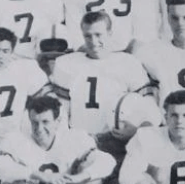
The martial artist/action-film and TV actor best known as “Walker, Texas Ranger” described his childhood in a 1985 New York Times interview as nonathletic, shy and scholastically mediocre. That was before he, at age 16, moved with his mother and brothers to Torrance following his parents’ divorce in Oklahoma. Yet, somehow a photo from a North Torrance High yearbook is in circulation showing him, as Carlos Norris, wearing a No. 1 football jersey. “I went out for gymnastics and football at North Torrance High,” he once told The Associated Press in 1982, reposted in his 2026 obituary. “I played some football, but I also spent a lot of time on the bench. I was never really athletic until I was in the service in Korea.” After he was honorably discharged from the U.S. Air Force in 1962, Norris worked as a file clerk for Northrop Aircraft and applied to be a police officer as he opned a martial arts studio, which expanded to a chain. Students included actor Steve McQueen, whom he later credited with encouraging him to get into acting. He went on to act in more than 20 movies, such as “Missing in Action,” “The Delta Force” and “Sidekicks,” which eventually shot him to fame and a star on the Hollywood Walk of Fame. Norris married his North Torrance High classmate Dianne Holechek in December 1958 and they were together 30 years and had two sons before they divorced in 1989. Some of this can be somewhat verified in “The Official Chuck Norris Fact Book.“
John Jackson, USC football receiver (1986 to 1989); USC baseball outfielder (1986 to 1989):
Inducted in 1989 into the National Football Foundation Scholar-Athletes wing, Jackson was the team leader in receiving (964) in 1989 and named First Team All-Pac-10. He had 163 career catches for 2,109 yards and 17 touchdowns. A two-time Academic All-American, he had a 3.3 GPA in finance. During his time as a USC game radio commentator, he recovered from a massive stroke and has been back doing the broadcasting work. The Bishop Amat High standout was also drafted by the San Francisco Giants out of USC and played five seasons in the minor leagues and also put in four seasons in the NFL with Phoenix and Chicago.
USC’s Mike Williams (1) prepares his teammates to take the field before a game at the Coliseum against UCLA in November, 2003. (Photo by Robert Beck/Sports Illustrated via Getty Images)
Mike Williams, USC football receiver (2002 to 2003): Eighth in the 2003 Heisman voting and first-team All-American, he also completed a touchdown pass to Matt Leinart in the 2004 Rose Bowl. After amassing 2,579 yards and 30 touchdowns in his first two years, Williams made a controversial decision to legally challenge the NCAA rule and declare for the NFL Draft. The NCAA did not allow players to declare NFL eligible until their third year out of high school, but Ohio State suspended running back Maurice Clarett filed the original suit to fight against it. They were allowed to go to the NFL, but an appeal over turned it, and the two were not only ineligible for the draft, but also ineligible for NCAA reinstatement, forcing them to sit the entire 2004 season. Detroit made Williams the 10th overall pick in the 2005 NFL Draft. After five seasons playing for four teams, including reuniting with USC coach Pete Carroll in Seattle where he made 23 starts, Williams got into coaching at Brentwood School, Locke High and Van Nuys High.
And shuffling two more cards
Aurelio Rodriguez, California Angels third baseman/shortstop (1968 to 1970): He came up with the team as a 19 year old from Mexico in 1967 wearing No. 12, then also No. 47. By the next year, he had No. 1. Before he was eventually traded to the Washington Senators for Ken McMullen in April of 1970, Rodriguez caused a buzz with his 1969 Topps baseball card when it was discovered that the photo of him wasn’t really of him. It was the Angels’ bat boy, Leonard Garcia, who happened to look like Rodríguez. According to Baseball Hall of Fame research: “For years, the 1969 Rodriguez card became a source of debate, with some in the industry claiming that the young third baseman had pulled a prank on Topps. Yet, there was no such evidence to indicate that Rodriguez had done anything nefarious. It is now generally believed that Topps somehow mixed in a photograph of batboy Garcia with the other photos in the Rodriguez file. Topps chose the Garcia photo, not realizing that he was the batboy, and not the Angels’ third baseman. In actuality, the error was somewhat understandable, because Garcia and Rodriguez did share some common facial traits.” This A-Rod never wore No. 1 again in the following 13 seasons, most notably with Detroit, where he got his first and only Gold Glove Award in 1976.
Joe Koppe, Los Angeles Angels infielder (1961 to 1965): Part of the original Angels roster, Koppe was about as average as possible — he had a 2.7 WAR and a .236 lifetime batting average in 578 games (372 wearing an Angels uniform. As his bio in “The Great American Baseball Card Flipping, Trading and Bubble Gum Book” says : “If there’s one thing baseball has never been short of it’s wise guys. When was the last time you saw a left-handed shortstop anyway? (See card on the right). Another funny thing that Joe Koppe did was to change his name from Kopchia (which means schlemiel in Serbo-Croation) to Koppe (which means schmuck in Alsace-Lorraintian) so that nobody, even his relatives, knew whether to call him Kopay, Kopee, Cope or Cop. It didn’t matter all that much, of course, since nobody ever had occasion to mention him by name anyway.”
And here’s something you don’t see every day
Or this:
We also have:
Rodney Rice, USC men’s basketball guard (2024-25 to present) Anthony Peeler, Los Angeles Lakers guard (1992-93 to 1995-96) Smush Parker: Los Angeles Lakers guard (2005-06 to 2006-07); Los Angeles Clippers guard (2007-08) Bobby Winkles, California Angels manager (1973 to 1974) Jamie Storr, Los Angeles Kings goalie (1995-96 to 2002-03). Also wore No. 31 in 1994-95 Bengie Molina, Anaheim Angels/Los Angeles Angels of Anaheim (2000 to 2005) Mike Lansford, Los Angeles Rams kicker (1983 to 1990) Gary Edwards, Los Angeles Kings goalie (1971-72 to 1976-77) Mario Lessard, Los Angeles Kings goalie (1978-79 to 1983-84) Jack Campbell, Los Angeles Kings goalie (2016-17 to 2019-20)
























 Tom Hoffarth's The Drill: More Farther Off the Wall