


“Baseball’s Great Expectations:
Candid Stories of Ballplayers Who Didn’t Live up to the Hype”
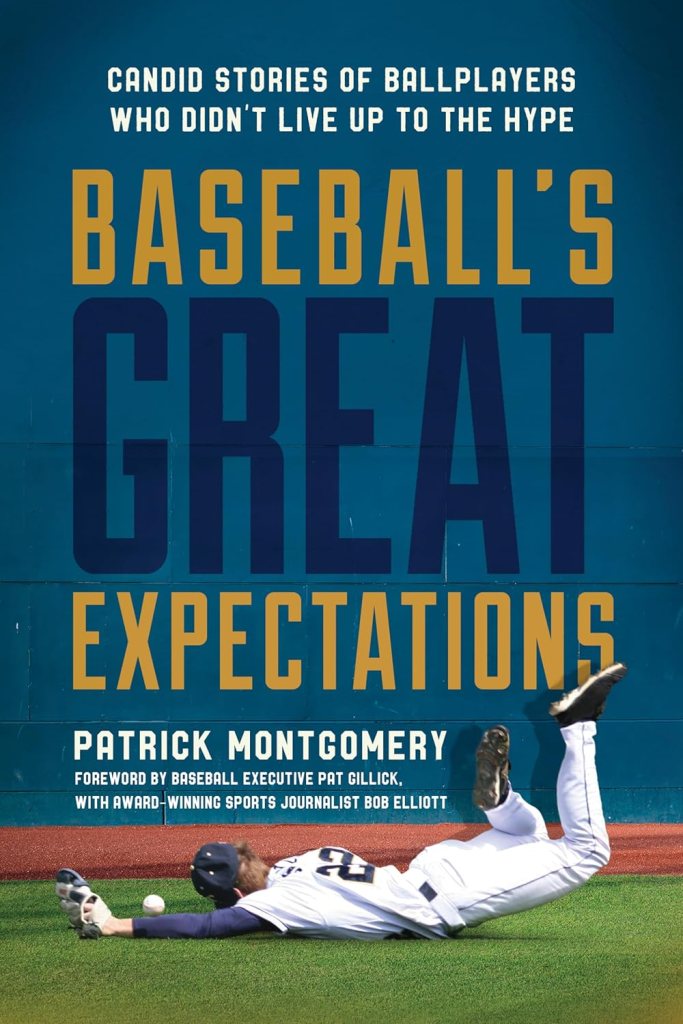
The author:
Patrick Montgomery
The publishing info:
Rowman & Littlefield
214 pages; $35
Released March 5, 2024
The links:
The publishers website
at Bookshop.org; at Powells.com; at {pages}; at Vromans; at Walmart; at BarnesAndNoble.com; at Amazon.com
The review in 90 feet or less
The headline in the New York Post on March 21 screamed bloody murder. Because, really, what else would you expect from Ye Old Post of Newish Yorkshire Pudding:
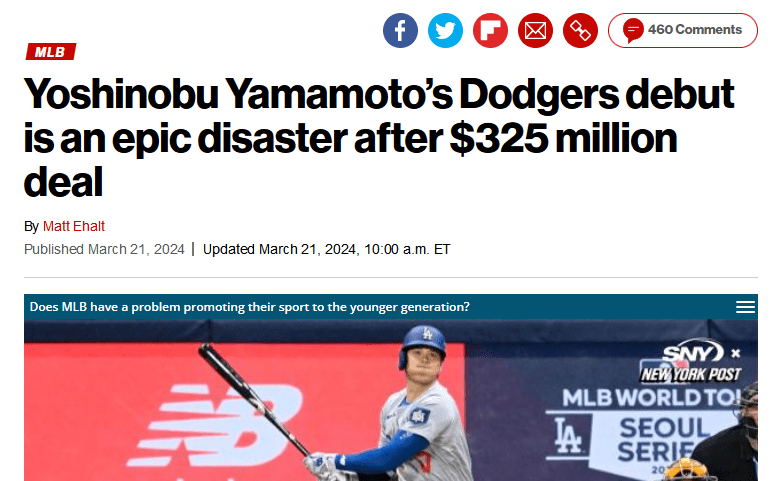
The story contained the fact: “As part of their historic off season spending frenzy, the Dodgers rewarded Yamamoto the largest pitching contract in MLB history this past off season.”
Hey, maybe go easy on dousing the words “off season” into the recipe of one meager sentence. We got it the first time … OK, go on …
“To beat out the Yankees, Mets and Phillies, among others, Los Angeles gave Yamamoto $325 million over 12 years, beating Yankees ace Gerrit Cole’s previous record by $1 million. With such a contract comes expectations to be among the league’s best.”
Missing fact from that paragraph: Cole, the former UCLA star entering the fifth year of a $324 million contract, is now projected to remain sidelined until at least June 1, forcing the Yankees to find more pitching depth elsewhere and never likely to get full value from their investment.
Also buried in the last paragraph of that Yamamoto story: “While his outing stood out, the Dodgers had pitching problems throughout the game as six other pitchers combined to allow 10 runs in eight innings.” He wasn’t the only one looking shaky on the mound that day in South Korea.
So as epic a meltdown for the ages of anyone making their MLB debut as it was Yamamoto … We are happier for his self worth that he was not a member of the Yankees or Mets, or else the black-page, block-letter headlines would have been made into a T-shirt and NYC Library Book Bag.
Oh, quick followup: When Yamamoto made his second start of the season, on March 30 at Dodger Stadium, posting five shutout innings on both ends of an eventual rain-delay — who does that any more — the Dodgers’ extra-inning loss to the Cardinals was framed this way in the N.Y. Post:
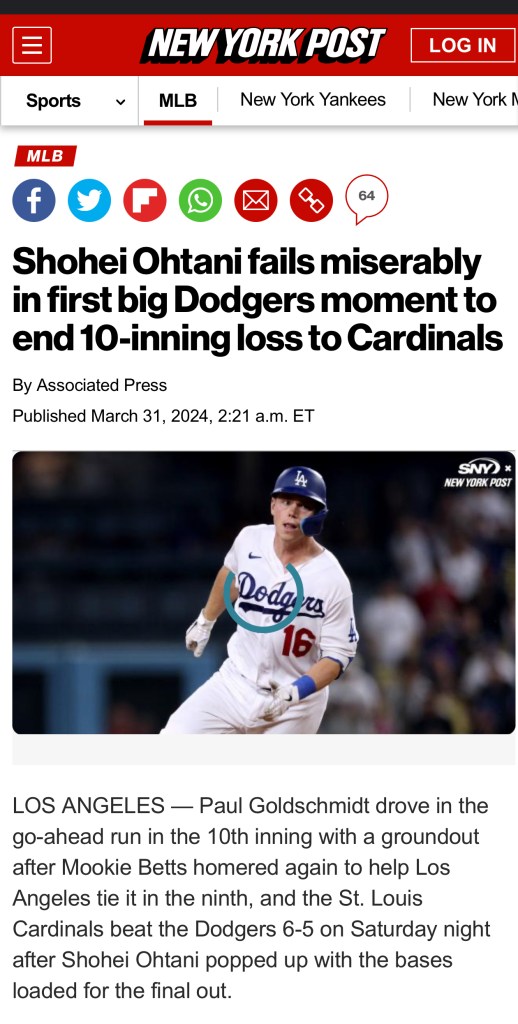
As this AP story includes, Yamamoto “bounced back from his dismal MLB debut on March 21 … ” And taking that further, L.A. Times’ Dylan Hernandez followed up with a column headlined: “Forget the loss. Dodgers starter Yoshinobu Yamamoto proves he can pitch in MLB.”
Yamamoto, 25 years old, with several years of fame in Japan, has made two MLB starts. Two. His next is Saturday at Wrigley Field.
Get a grip.
Maybe come back with your trumpet solo in 2036, when Yamamoto hopefully reaches the age of 37 as his Dodgers deal ends. At that point, there will be no more newspapers to even be around covering things so vital to our survival.
********
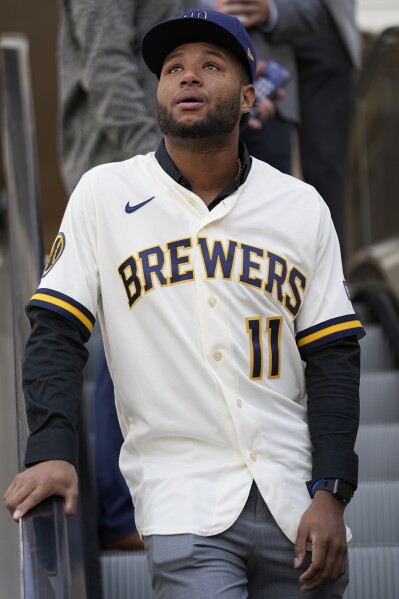
Last December, the news came about the Milwaukee Brewers signing a 19-year-old center fielder to an eight-year, $82 million contract. It had escalators that can take the total value to $142.5 million. That had been the largest contract for a prospect with no MLB experience.
The player’s name is Jackson Chourio, a Venezuela native who signed with the Brewers in 2021 as a 16-year-old and spent most of 2023 at the Double-A level, where he hit .280/.336/.467 with 22 home runs.
The second paragraph of the story: The deal guarantees Chourio more money than any player before his major league debut, which took place last week. He hit his first MLB homer on Wednesday, with a classic soundtrack:
Fifty years earlier, the Brewers signed an 18-year-old named Robin Yount, third pick overall in the June 1973 draft, came right out of Woodland Hills’ Taft High in April 1974. He signed for about $80,000 his first of his 20 seasons that led him to the Hall of Fame.
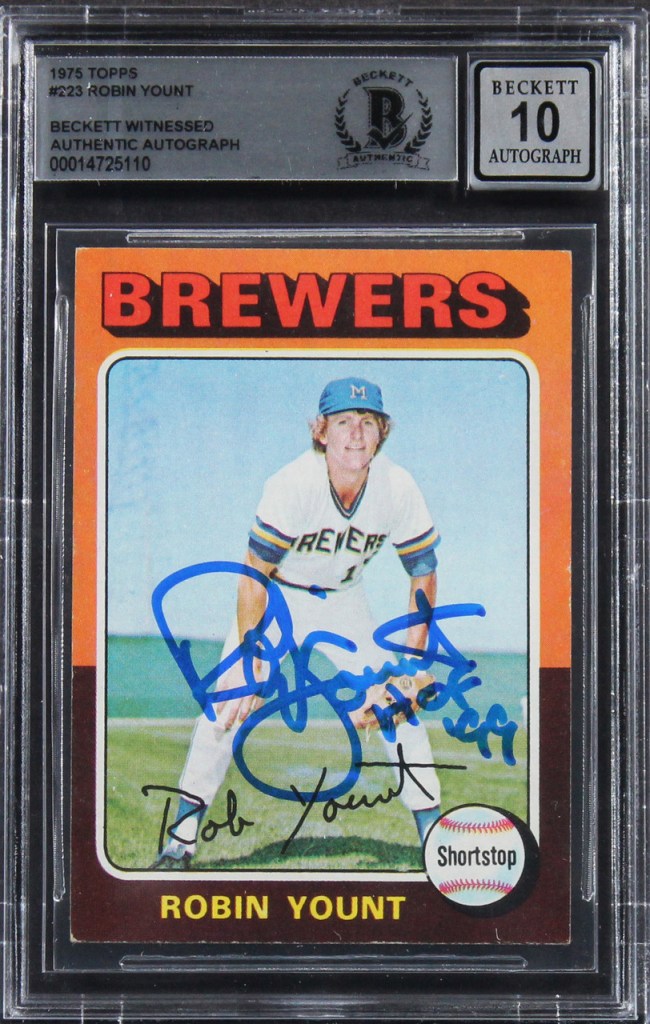
It wasn’t until he was 28 when he signed a six-year, $5.55 million deal. Different times. Still a great story.
In late January, the Detroit Tigers signed an infield prospect to a six-year deal that guarantees him more than $28.6 million and could be as rich as $64 million and three more seasons. More escalators can push the final total to $82 million.
The player, Colt Keith, had no major league experience before starting on Opening Day ’24. He batted sixth starting at second base and went 1-for-4. He was a fifth-round pick in 2020.
If you do the math, it’s not all that expensive tying these young players up considering what others are paid. Keith does get far more on the front end than many rookies who have at least four years making MLB minimum (about a half million). Keith gets a $2 million signing bonus and salaries of $2.5 million in 2024, $3.5 million in 2025, $4 million each in 2026 and 2027 and $5 million apiece in 2028 and 2029. Detroit has a $10 million option for 2030 with a $2,642,500 buyout, a $13 million option for 2031 with a $1 million buyout and a $15 million option for 2032 with a $2 million buyout.
This comes after the Arizona Diamondbacks signed Corbin Carroll to an eight-year, $111 million contract extension in March 2023 just prior to his rookie debut. The deal has a ninth-year option that could boost the value to $134 million. It keeps Carroll in Arizona through at least the 2030 season, and the contract could max out at a value of $154 million.
Arizona selected Carroll, 22, with the No. 16 pick of the 2019 MLB Draft. He was the youngest drafted player ever to sign a nine-figure contract.
After his first appearance in August of 2022, at age 22, hitting .260 with four home runs in 104 at-bats the Diamondbacks felt it was worth the investment. That’s despite Carroll suffering a season-ending shoulder injury and appearing in seven games into the 2021 campaign.
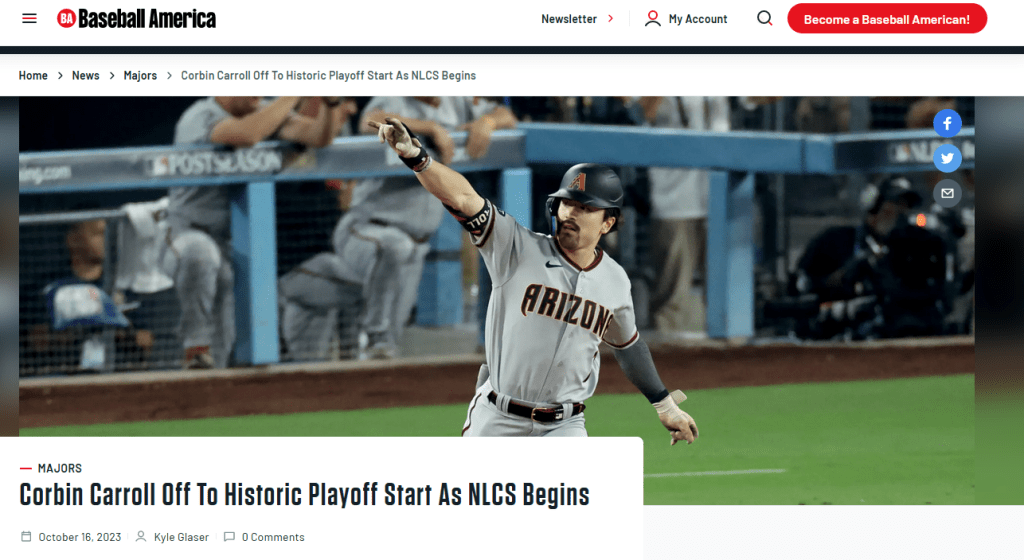
By the time the 2023 season ended, Carroll was named to the NL team for the All Star Game and led the D’backs into the World Series. He won the NL Rookie of the Year award.
The story said: There was so much hype surrounding outfielder Corbin Carroll as he came up through the D-backs’ system that it would have been hard for him to live up to it. As a rookie, Carroll did not live up to hype, he actually found a way to exceed it. Carroll became the first rookie in MLB history to hit 25 or more homers and steal 50 or more bases. He stole 54 bases while hitting 25 homers.
Ask me to start a list of those pinned with grand expectations on the baseball field only to watch it go sideways, I’d start with some Sports Illustrated covers I remembered over the years. Because if you were on the SI cover, that would likely over-promise the promise and under-deliver a career delivery. Something about a jinx.
Like the 1989 cover with “Superkid” Jon Peters, pitching for a Texas high school with a 51-0 record.
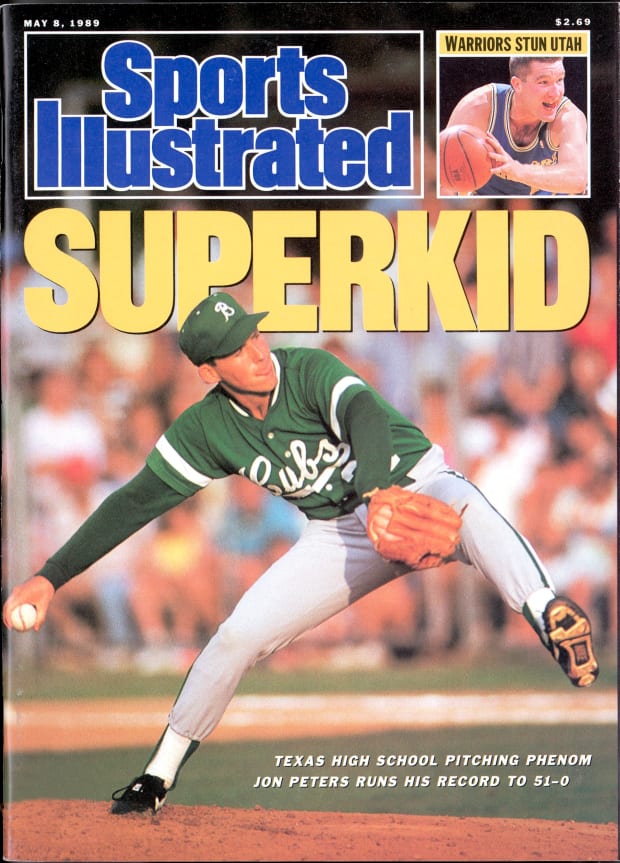
SI’s Rick Reilly wrote: “There is a real baseball legend in this country and he’s not Robert Redford or Kevin Costner. This legend is 18 years old, shaves twice a week and just had a big fight with his best girl. His name is Jon Peters and he’s from Brenham, Texas.”
Peters threw a 12-strikeout no-hitter and, in the fifth inning, hit a single to right for the run that gave the Brenham Cubs a 10-0 mercy-rule victory over Snyder High.
There is no record of Peters ever making a MLB pitch in his life. More on that later.
We best remember Clint Hurdle in 1978, as “This Year’s Phenom” for the Kansas City Royals. “Hurdle is tall, dark, handsome and brash and able to hit a baseball nine miles,” the story said.
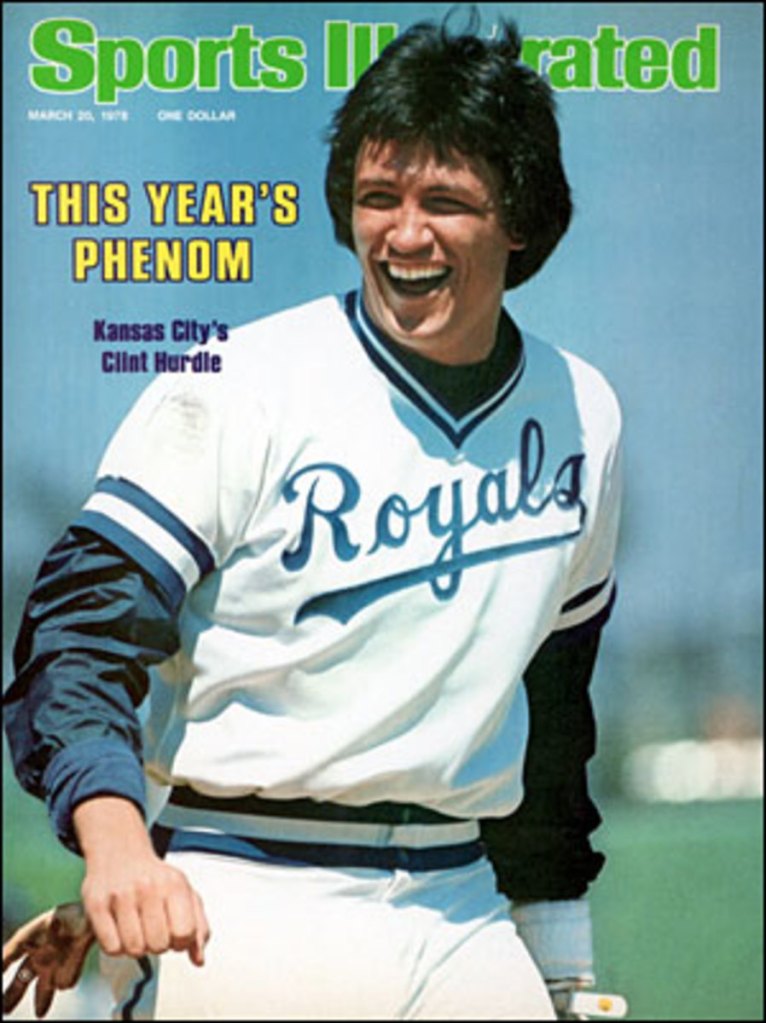
Hurdle’s biggest hurdle was staying healthy and in the lineup.
Before he became a half-way decent manager in Colorado and Pittsburgh (a 1,269-1,345 record in 17 seasons through 2019, Hurdle had a 10-year MLB career (the first five in Kansas City, where he didn’t even get a Rookie of the Year vote in ’78 and started ’79 at Triple-A), went to three other teams, spent the entire ’84 season at Triple-A, and was out of the game at age 29 after three at-bats with the New York Mets in 1987. Thirty-two lifetime homers and 193 RBIs in 515 games for a .259 average as a first baseman, third baseman, outfielder and even a couple games at catcher.
Since then, count Bryce Harper as a cover boy, “Baseball’s Chosen One” in 2009, at age 16. In 2017, there was Hunter Green from Sherman Oaks Notre Dame High, as “The Star Baseball Needs.” The former seems to have done very well. The later, we’ll see.
When David Clyde made his ridiculous MLB debut fresh out of high school in July 1973, the No. 1 overall choice by the Texas Rangers out of Houston’s Westchester High School, and 20 days after his graduation sent him to the mound, we recall SI hung up on the word “bonny” to describe him.
Such as: “Bonny debut for Clyde” in ’73. Later, it was “Not bonny for Clyde” in ’75.
I finally figured out the “Bonnie and Clyde” reference years later. It was lost on me as a 12-year-old at the time.
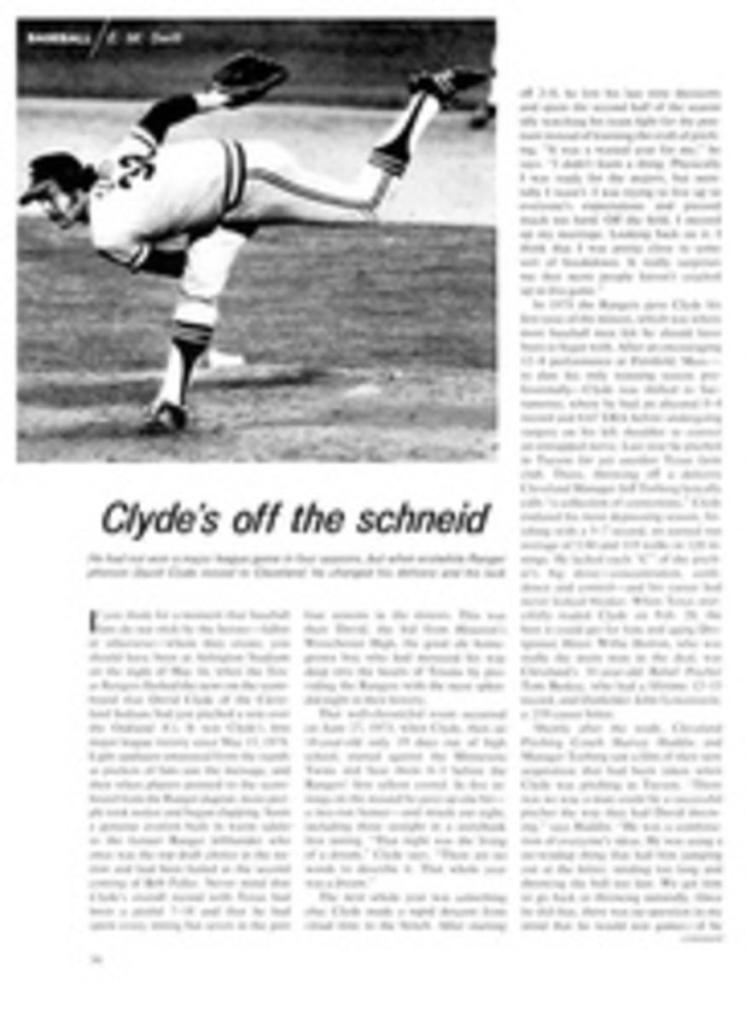
By 1978, there was “Clyde’s Off the Schneid” after he went to rescue his career in Cleveland. The headline wasn’t really accurate. But it rhymed. Sorta. After two years out of the MLB, Clyde threw two more seasons for the Indians, and by ’79 he was done with an 18-33 record and a 4.63 earned run average.
So what really happened?
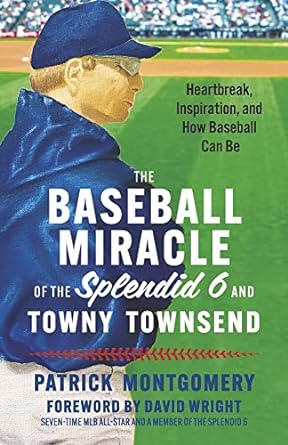
That’s where Patrick Montgomery, a SABR member and historian who likely got this idea by writing “The Baseball Miracle of the Splendid 6 and Towny Townsend,” has some movies in the making.
Montgomery has Clyde No. 2 in this lineup of nine prime subjects to revisit. The movie part, we only assume, since Montgomery is a SAG-AFTRA member, a screen writer and, by his LinkedIn bio, also Retired U.S. Coast Guard, all-around guy and a Meatball Eating Champion.
Our takeaway from the Clyde chapter is the cruel irony that he never got an MLB pension, finishing 37 days short, and having tried to get back into the game to at least reach that threshold, he was ghosted.
“I am not sure what the deal is, but I am persona non grata in Major League Baseball,” Clyde, who turns 69 on April 22, tells Montgomery. “Even the Texas Rangers do not acknowledge me. I don’t know if this comes back to the pension thing.”
Maybe the book needs an update already.In 2023, SI’s FanNation site recalled the 50th anniversary of Clyde’s debut. So did the Associated Press. Because this happened:
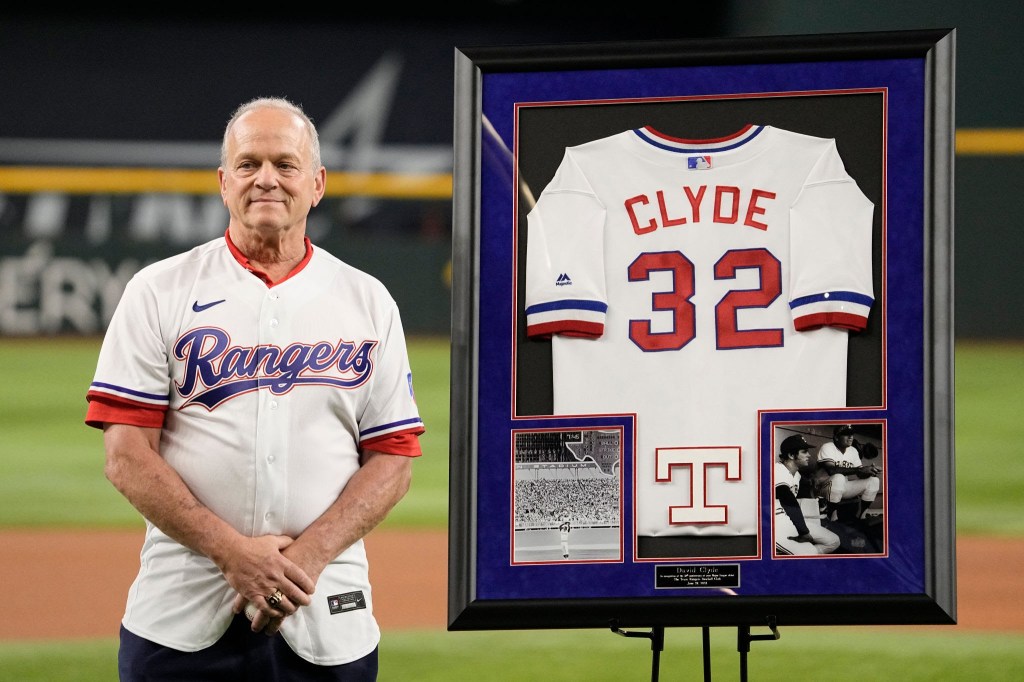
It is pointed out by Clyde that someone like the New York Yankees’ Gerrit Cole — that dude again? — receives more for each pitch he makes in a game today than the $8,000 that Clyde receives each year under a new reform of the pension system that tries to retroactively help those 1,650 players who fell between the cracks of the 1980 set up.
“I am a cautionary tale for how not to handle a young player out of high school,” he says at the conclusion of the chapter. “I don’t think what happened to me can happen again. …”
Montgomery adds: “This may not be the legacy David Clyde wanted, but it is perhaps more meaningful and lasting than anyone could have imagined.”
If Clyde is the highest-profile name in this book, maybe I need to pay attention more. As for the other eight picked:
Ron Necciai, best remembered for striking out 27 batters in a nine-inning game with Class-D Appalacian League, coming up to the bigs and posting a 1-6 record later in 1952 from August through September at Pittsburgh, is still alive doing interviews.
Ben Grieve (who had a nine-year MLB career and made an All Star Game) and Dan Pasqua (who had 10 MLB seasons) don’t seem to really fit, but OK.
Josh Booty was the freak of the bunch, playing in 13 games spread over three seasons, then going to his true love, playing quarterback at LSU, and never catching on with the NFL.
Add in Brian Cole, Cale Iorg, Brian Milner and Brien Taylor — the last of whom may have the most jarring interview story trying to explain how his New York Yankees’ career derailed after he was the No. 1 overall pick in 1991. Compared to Clyde, Taylor signed a record $1.55 million bonus, dominated his first two years of pro ball and then an “unexplained incident” with career-ending injuries resulted in him never making it to the big-league level.
In that regard, if all of these nine weren’t really over-hyped in the first place, especially by modern-day standards, just considered to be really good prospects who for whatever reason didn’t make it, were the expectations really all that great in the general scheme?
Maybe we ask Clint Hurdle.
How it goes in the scorebook
Baseball is a game of inherent failures. We all expect better from some based on their successes documented at various levels — often well before the MLB level. Maybe this reminds us not to get sucked into such hype, disguising it as hope.
Maybe like this Yoshinobu Yamamoto fellow.
The point is that even if I’d never been really aware of the supposed over hype surrounding players like Cole, Grieve, Pasqua, Iorg, Milner and Necciai, it’s enlightening to revisit their stories now. I may be more in tune with “What Ever Happened To” the likes of Greg Brock, Darren Dreifort or Sean Burroughs. And then finding the real story behind Bill Bordley, a first-round draft pick twice — No. 4 overall in ’76 and No. 3 overall in ’79 — but someone who only went 2-3 for the 1980 San Francisco Giants and was done at age 22.
We always want to know more.
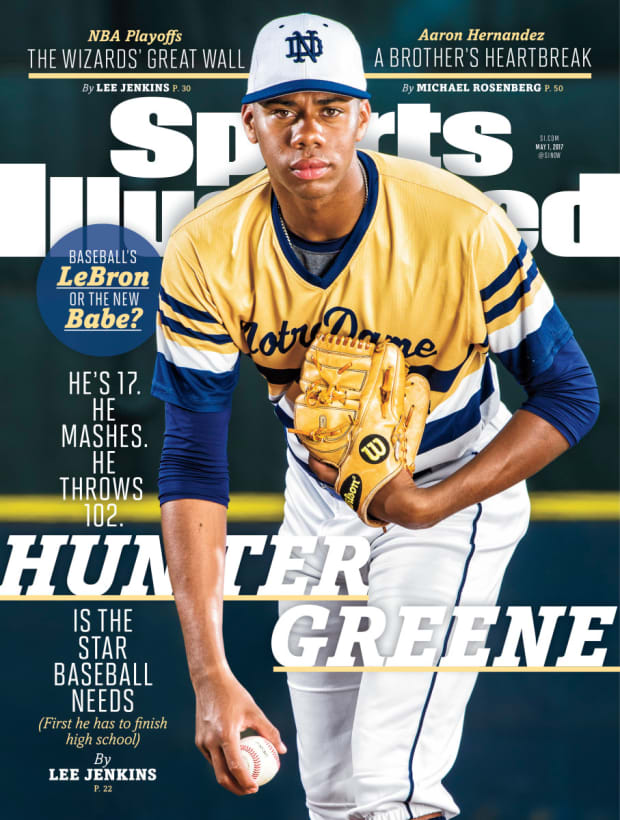
Maybe in 20 years, we circle back to Jackson Chourio, Eloy Jimenez, Scott Kingery, Jon Singleton, Evan White, Colt Keith, Corbin Carroll and Hunter Greene.
This also seems to beg for another dive: Consider — The history of No. 1 overall MLB draft picks. Such as Brady Aiken (2014), Mark Appel (2013), Matt Bush (2004) and the real head scratcher, Danny Goodwin, the catcher who went to first base, outfield and DH, who the Angels took at No. 1 overall in 1971 and 1975 and ended with a career WAR of minus 1.7 after seven seasons and three teams.
And by the way, whatever did happen to SI superkid Jon Peters? SI circled back in 2019, 30 years later, in the annual “Where Are They Now?” issue.
It’s too super-sized depressing to even recap much.
Just read the story by Tim Layden yourself and wonder if we ever learn from our mistakes of trying to sell headlines in the name of media educating the public.
You can look it up: More to ponder
== An excerpt on Dan Pasqua from 80sBaseball.com.
== Which versions of songs titled “Great Expectations” could be licensed for a movie about this book?
Definitely not this (which we suspect Spinal Tap could have done far better):
Perhaps this:
The one we can’t get our of our head:
== More on “The Baseball Miracle of the Splendid 6” here:


2 thoughts on “Day 12 of 2024 baseball book reviews: The unintended consequences of hope vs. hype”