


This is the latest post for an ongoing media project — SoCal Sports History 101: The Prime Numbers from 00 to 99 that Uniformly, Uniquely and Unapologetically Reveal The Narrative of Our Region’s Athletic Heritage. Pick a number and highlight an athlete — person, place or thing — most obviously connected to it by fame and fortune, someone who isn’t so obvious, and then take a deeper dive into the most interesting story tied to it. It’s a combination of star power, achievement, longevity, notoriety, and, above all, what makes that athlete so Southern California. Quirkiness and notoriety factor in. And it should open itself to more discussion and debate — which is what sports is best at doing.
The most obvious choices for No. 58:
= Rey Maualuga: USC football
= Al Sparlis: UCLA football
= Isiah Robertson: Los Angeles Rams
= Roman Phifer: UCLA football; Los Angeles Rams
The most interesting choice for No. 58:
Cal State Northridge: Athletic program (1958 to present)
Southern California map pinpoints:
Northridge

In February of 2014, Cal State Northridge’s athletic department took the honorable approach in making an intriguing declaration: It would retire the No. 58 among all its sports teams.
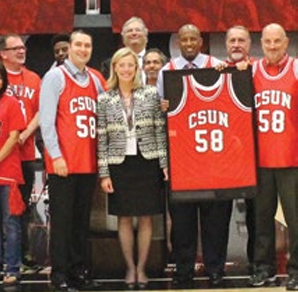
Not to honor a particular athlete in a specific sport. Or find some way to acknowledge how the campus was used in the 1984 classic, “The Karate Kid,” as the site for the All Valley Karate Championship.
It was to honor its entire faculty.
The number represents the year – 1958 – when the university launched as San Fernando Valley State, separating itself from a satellite campus of Cal State L.A.
It’s been better known as sun-drenched CSUN since 1972.
Brandon Martin, the CSUN athletic director at the time and former USC basketball guard who once prepped at Cleveland High in Reseda, was someone who we had come to know and admire. He said of this move:
“This is a fitting tribute to our faculty for its nearly 60 years of service and for supporting our athletics programs during times of challenge and prosperity … “I am proud of our student-athletes who excel in the classroom. Building a solid academic foundation is paramount for success now and later in life.”
On the day before Valentine’s Day, a heart-felt Faculty Appreciation Night took place with the halftime ceremony to retire the number at a CSUN-Cal Poly San Luis Obispo men’s basketball game played at the team’s home gym, The Matadome. CSUN then went out and lost a game where it never had a lead, 62-55, falling to 12-14 overall, 4-7 in the Big West, before an announced attendance of 1,083.
Eh, that happens. At least they almost scored 58 points.
Mind you, later that 2014 year, UCLA announced it would retire No. 42 from all its athletic teams to honor Jackie Robinson, its most heralded sports person – who actually never wore No. 42 at the school when he was there from 1939 to 1941, playing football, basketball and a little baseball, and deciding not to graduate. But that’s beside the point.
CSUN did it first, with a number that even makes sense. On a SoCal landscape when some of the most recognizable institutes for higher learning are dominated by a certain private school (USC) and a very visible University of California system entity (UCLA), let’s hear it for the power of the California State system campuses of Long Beach State, Cal State L.A., Cal State Fullerton, Cal State Dominguez Hills, Cal State Bakersfield, Cal State San Bernardino, Cal Poly Pomona, Cal Poly San Luis Obispo, Cal Sate Channel Islands …
And the one up on the northern ridge of the San Fernando Valley as its north star.

By the numbers, CSUN draws some 40,000 students from six continents – the largest of all 23 campuses in the Cal State system and third in total university enrollment in the state behind UCLA and USC. It has 70 degree fields and more than 26 programs served by 4,000 faculty and staff and sports more than 300,000 alums.
At this point, we could give you 58 players, moments and situations that leaves us impressed as heck about Cal State Northridge sports history. See how these add up:
== The Matador Athletic Hall of Fame, which launched in 2010, counts more than 130 individuals and team during its six induction ceremonies through 2025.
Among the very most notable:

= Lyman Bostock: His four years in Major League Ball (1975-78) as a career .311 hitter came after his ’71 and ’72 all-conference status with a team that went to the 1972 College World Series. According to his SABR biography, the Manual Arts High grad hit .344 with Valley State in ’71.
On Sept. 23, 1978, Bostock was shot and killed following a game against the Chicago White Sox. He wore No. 10 for the Angels — just as he wore with CSUN and with the Twins, who drafted him 596th overall in the 26th round of the 1972 amateur draft. Bostock left school 15 credits short of his bachelor’s degree.

Adding to the lore: The story goes that Bostock didn’t play at CSUN his first two years, instead focusing on student activism, according to CSUN Athletics. Bostock became involved with the civil rights movement at CSUN, joining the Black Student Union in their student takeover of the Administration Building. The protest saw him hold staff members hostage in an effort to convince the university to pass educational reforms meant to improve life for Black students on campus. CSUN Athletics reported that he was arrested and jailed for his participation in what was the “first mass felony conviction of student demonstrators in United States history.” Before his junior year, he approached baseball coach Bob Hiegert for a tryout — as Bostock was only wearing tennis shoes. Hiegert agreed, and Bostock made the team.
“What you saw is what you got from Lyman,” Hiegert told the Los Angeles Times in 2008. “There was nothing hidden about Lyman. He wore his heart on his sleeve.”
One month prior to his death, Bostock set up a scholarship to provide additional financial support for worthy student-athletes involved in the men’s baseball program at Cal State Northridge, an award that is bestowed upon those worthy of such an honor to this day.
In 1981, Bostock also became one of the 10 charter inductees of the Cal State Northridge Athletic Hall of Fame. Hiegert, who coached NCAA Division II title baseball teams in 1970 (San Fernando Valley State, 41-21) and 1984 (Cal State Northdirge, 46-21-1), was inducted in 1986, acknowledged as well for his four-year playing career and 18 years as the school’s athletic director.
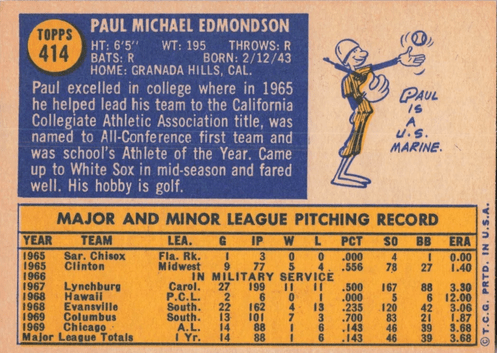

= Paul Edmonson: Drafted out of CSUN by the Chicago White Sox in the 21st round of the first MLB amateur draft of 1965, he made his major league debut in 1969, pitching a complete-game two-hit 9-1 win over the California Angels.
While traveling on a rain-soaked road on the 101 Freeway near Santa Barbara, the day after his 27th birthday, his car skidded and crashed into oncoming traffic, killing him and passenger, two weeks prior to spring training. He was the first Northridge player to make the big leagues.
= Adam Kennedy: A three-time All-American shortstop who led the nation in hitting in ’96 and ’97 was a first-round pick of the St. Louis Cardinals in ’97 and was a key member of the Anaheim Angels’ 2002 World Series team. He was CSUN’s all-time leader in nearly every offensive category including hits (337) and batting (.414) and RBI (234).
Bostock, Edmonson and Kennedy are among the 16 players who have CSUN ties that made it to the MLB level.
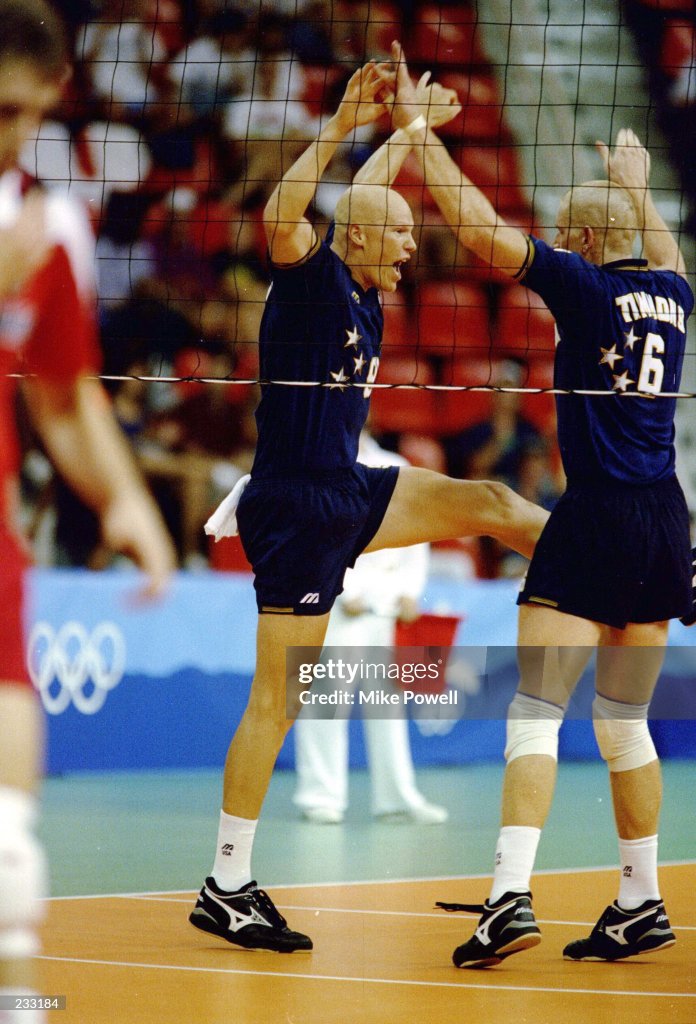
= Bob Samuelson: The bald and beautiful outside hitter with the U.S. National men’s volleyball team from 1988 to ’93, including a bronze medal at the ’92 Olympics in Barcelona when he was the reason why the entire team shaved their heads and became known as the Bald Eagles.
= Bruce Lemmerman: A Westchester High grad and member of the 1967 Junior Rose Bowl team that lost to West Texas State, he set 12 records as a quarterback at the school and got into 11 games as a member of the NFL’s Atlanta Falcons in ’68 and ‘69.
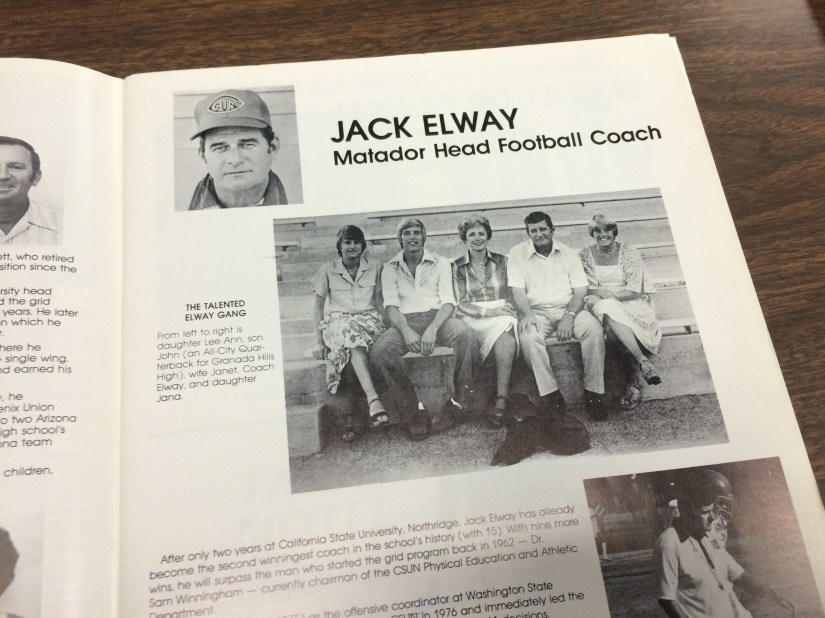
= Jack Elway: The head football coach from 1976 through ’78, sporting a 20-11-1 record, before heading off to San Jose State and then to Stanford. Yes, he’s the reason why a kid named John Elway grew up in and played at Granada Hills High before going to Stanford. Jack Elway died in 2001 at age 69.
= Julie Brown: The 1976 and ’77 Broderick Award winner, a member of the ’76 U.S. Olympic track and field team and a national champion in the 800, 1500 and 3000 meters. She was 36th in the women’s marathon at the 1984 Summer Games. She started at UCLA before transferring to CSUN.
= Jacqueline Hansen: The Granada Hills High and LA Pierce College standout who graduated from CSUN in 1974 won the 1973 Boston Marathon as a student, the first woman to run the marathon in under 2 hours, 40 minutes. She was also president of the International Runners Committee that lobbied the International Olympic Committee to add 5,000 meters, 10,000 meters and the marathon to the Summer Games.
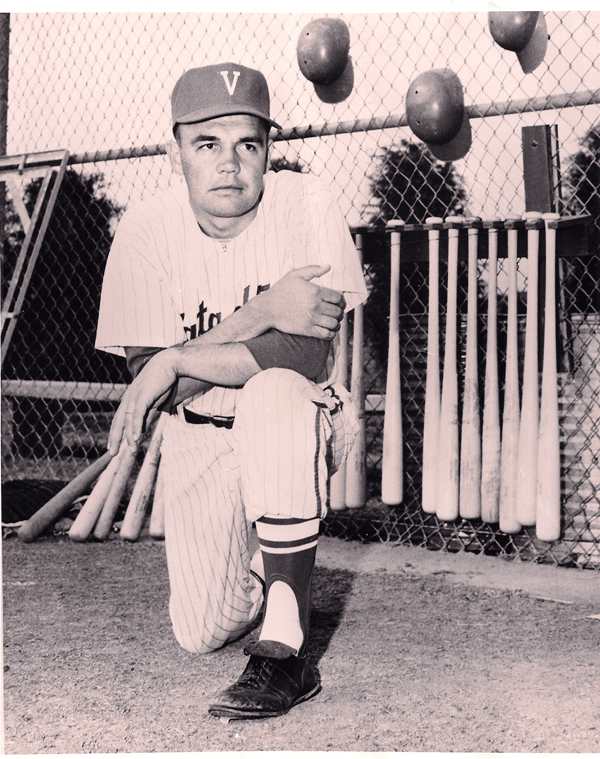
= Dick Enberg: The head JV and assistant varsity baseball coach from 1962 to ’64 and a health education instructor who got into the sportscasting business while at CSUN and has been honored by the Baseball Hall of Fame. We did this profile on him to explain his CSUN connections.
= Stan Charnofsky: Not just the head baseball coach for five seasons (1962-’66) with eight players picked in the MLB Draft, but one of the longest tenured professors on the CSUN campus in the Educational Psychology and Counseling. Wear that No. 58 for him, if anyone.
Among those who attended CSUN for some period of time:
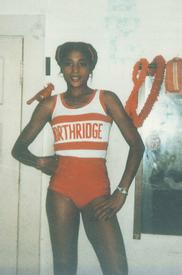
= Florence Griffith Joyner: Out of Jordan High, she made the CSUN track team coached by Bob Kersee that won a national championship. She had to drop out of school to support her family and returned to track, at UCLA, with Kersee, in 1980. Flo-Jo set world records in the 100 and 200 meters in 1988 and made the ’80, ’84 and ’88 Olympic teams. She died at age 38 in 1988.
= Bob Kersee: The San Pedro High, LA Harbor College and Long Beach State student got his masters in Exercise Physiology at CSUN as he was an assistant track coach helping the women’s team to consecutive AIAW national titles in 1978-79.
= Jeanette Bolden: The Olympic 100-meter sprinter who won gold at the 1984 L.A. Games, started at CSUN and transferred to UCLA to graduate in 1983.
= Valerie Brisco-Hooks: A three-time gold medalist at the ’84 L.A. Games, including winning the 200- and 400-meters, also went to Locke High. She was also inducted into the U.S. Track and Field Hall of Fame in 1995.
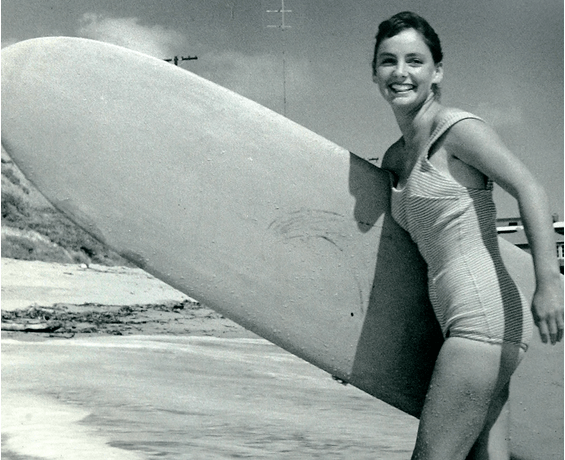
= Kathy Kohner-Zuckerman: A Malibu surfer who became the inspiration for a book called “Gidget: The Little Girl with Big Ideas,” eventually turned into a movie and TV character. San Fernando Valley State was one of her college stops along with L.A. Valley and Oregon State. She’s on the Surfing Walk of Fame in Huntington Beach. Here’s a 2021 profile of her at age 80 from Vanity Fair.
= Sean Franklin: All-Big West soccer as a defenseman in ’05 and ’06, the fourth overall pick by the MLS’ Los Angeles Galaxy in ’08, named MLS Rookie of the Year, an All Star in 2011 and ’14, and one of the franchise’s top players through 2013, playing in the 2011 and 2013 MLS Cup.

= Mia St. John: As she was earning he psychology degree at CSUN, she competed in taekwondo, got a black belt and, at age 29, got into professional boxing, signing with Don King and Top Rank, often on the undercard of Oscar de la Hoya bouts in the 1990s. She had a record of 22 wins, one draw and 3 KOs as the “Queen of the Four Rounders.” At the age of 45, in 2012, she improved to 47-11-2 by defeating former champ Christy Martin in a long-awaited rematch for the WBC super welter weight title.
= Bryan Wagner: A starter at quarterback and punter for CSUN (after transferring from Cal Lutheran) in the early 1980s, he churned out nine seasons with Dallas, the N.Y Giants and Jets, St. Louis, Denver, Chicago, Cleveland, New England, Green Bay, San Diego and Detroit as a punter between 1987 and ‘95. In ’89 with Cleveland, he led the league with 97 punts for 3,817 yards. Another claim to fame: He had four punts blocked in 1990, including two in one game, with the Browns. He also set a Super Bowl record: Averaging 48.8 yards a punt with the Chargers in 1994 against the 49ers.
Which punts us back to football …
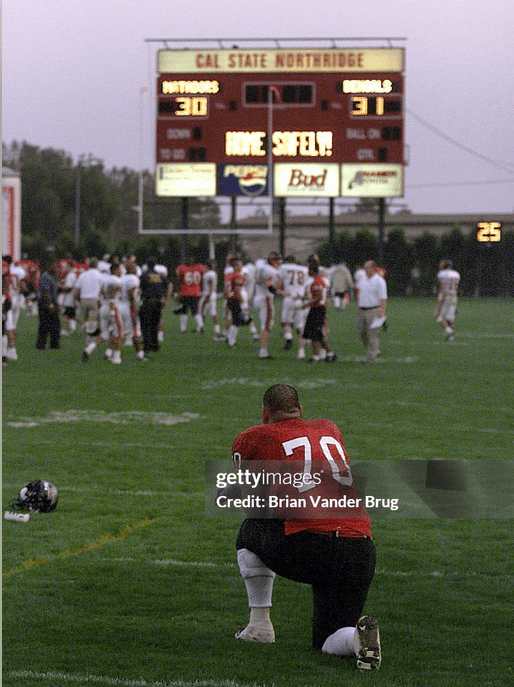
For 40 seasons, CSUN had a football program – note the Elway inclusion – but it was shuttered in 2001 because of a budget deficit as well as the school’s push to be more gender balanced with its sports teams. The Los Angeles Times reported that the school was only generating $26,000 in ticket sales for a program that needed $1.3 million to run. Football had been sparred once earlier – in 1977, the administrators decided to cut baseball, volleyball, soccer and swimming in order to keep football alive. But the annual cost, supported by higher student fees, wasn’t sustainable.
It was hardly a shock. In 1991, Long Beach State shut down football in the Pacific Coast Athletic Conference, after it had started in 1955 and played Louisville to a tie in the 1970 Pasadena Junior Rose Bowl. The next season, Cal State Fullerton ended its program after 22 seasons.
More storied college programs had closed earlier – Loyola of Los Angeles started in 1921 but stopped in 1952. Pepperdine, also L.A. based long before its move to Malibu, went from 1946 to 1961.
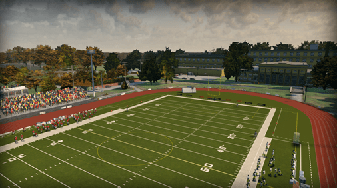
Although CSUN’s program won the California Collegiate Athletic Association in 1981, the Western Football Conference in 1983, and a shared a title in 1990, the team only won eight games in 1976 and 1986 on the D-II level. Issues with the program also haunted its existence – in 1996, coach Dave Baldwin was suspended for covering up a shooting of a player, and in ’99, coach Ron Ponciano was fired after the school was found to have committed NCAA violations with recruiting.
The final CSUN football game was a 50-43 loss to Portland State.
Lemmerman and Wagner are among about a dozen players with SFVS/CSUN ties to make the NFL. That includes quarterback Max Choboian, who got into 14 games, with seven starts, for the AFL’s Denver Broncos in 1966, throwing for four TDs and 12 interceptions. He died of lung cancer at age 37 in 1977.
That also includes D.J. Hackett, a San Dimas High standout who went to CSUN for two years and combined for 110 receptions for nearly 1,500 yards and 17 touchdowns. When the football program shut down, he transferred to Colorado and led the Buffaloes in receiving in 2003, leading to a fifth-round NFL draft pick by Seattle, and carving out a four year pro career. (For what it’s worth: His bio on Pro Football Reference says he attended Northern State University, instead of Cal State Northridge, before going to Colorado … no respect). …
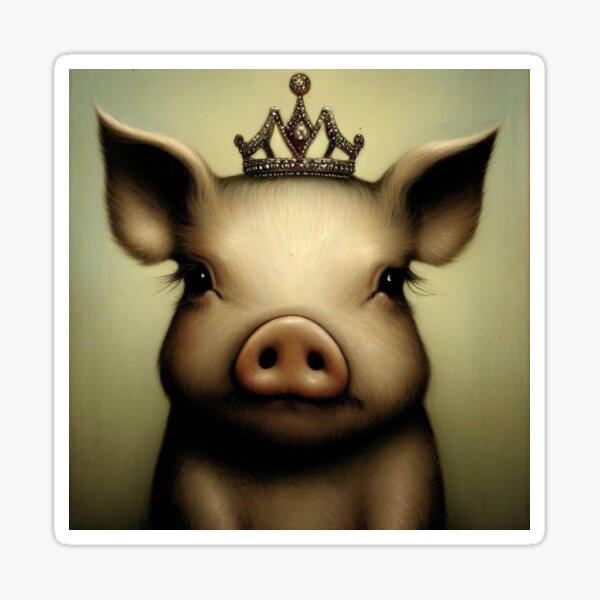
There once was a pig named Juicy Lucy who was entered in the contest for CSUN Homecoming Queen in 1971. The winner would be crowned at halftime of the Matadors’ football game against Weber State at Devonshire Downn. Associated Students President Dave Wilk endorsed the pig, whose applications noted she was a “two-year-old Woodland Hills resident,” three-feet, four-inches and weighing 360 pounds. She was also a member of the school’s 4H Club. Officially, Juicy Lucy was DQ’d because “she did not file a financial statement on time, according to her sponsor, the Matador Gourmet Society,” as reported in The Daily Sundial.
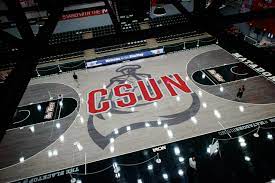
The CSUN basketball program is rather young by all measures. Launched in 1990 as an independent, it gravitated to the America West Conference, then the Big Sky Conference and finding a home in the Big West (since 2001). It has three regular-season conference championships and has made two NCAA Tournament trips, both under coach Bobby Braswell, a CSUN grad in 1985 with an English teaching degree.
As a 15 seed in ’09, the Matadors (17-14) gave second-seed and 20-point favorite Memphis (32-3, coached by John Calipari) a battle, leading by six with 10 minutes left, before losing 81-70 in the West Regional opener.
In 2001, as the only representative of the Big Sky during its final season in the conference, CSUN (22-10, including 12-1 at home) had already upset UCLA during the regular season and, with a team of six seniors, would made its first appearance in the Big Dance. It went as a 13 seed to the Midwest Regional and met up with No. 4 Kansas, with Drew Gooden and Nick Collison, but was handed 99-75 loss. Dick Enberg got to call the game for CBS’ coverage with Bill Walton.
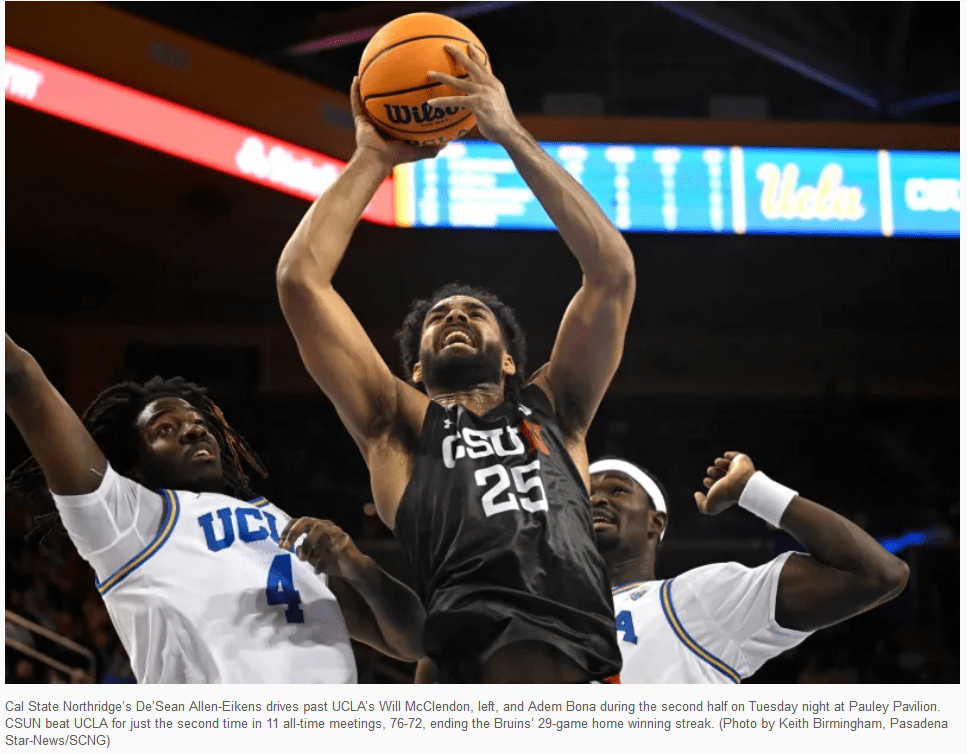
Every decade or so, CSUN gets men’s basketball bragging rights over the stories UCLA program.
Last December, 2023, when CSUN outlasted UCLA, 76-72, at Pauley Pavilion, it ended the Bruins’ 29-game home win steak. Prior to that, UCLA had handed CSUN losses of 25 points in 2016, 32 points in 2015, 33 points in 2010 and 18 points in 2008. Going into that 2023 matchup, the Matadors were ranked No. 275 in the NCAA NET rankings of all 362 programs. UCLA had been as high as No. 24 in the Week 3 Coaches Poll. It marked the second time in its history that CSUN defeated UCLA in 11 meetings – the last was in 2000 at Pauley Pavilion when the Matadors stunned the then-No. 15 Bruins in their Pauley Pavilion home opener and, at that point, had lost three previous games to UCLA by an average of more than 20 points.. As of early January, 2024, CSUN (12-3, 3-0 in the Big West and 6-1 at home, winners of seven straight) is up to No. 136 in the NCAA NET rankings; UCLA (6-9, 1-3 in the Pac-12 and 2-3 since that loss to the Matadors) has fallen to No. 176.
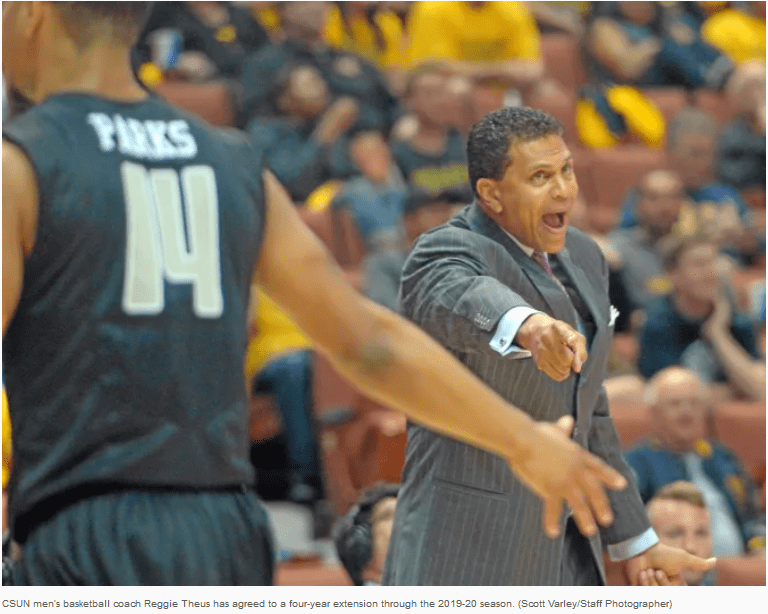
The budding coaching tree at CSUN may have produced more star power over the years than the actual players. CSUN alum Pete Cassidy was picked as the first coach and couldn’t get over .500 in his first six seasons. Aside from Braswell, former NBA star Reggie Theus gave it a shot at coaching there for five seasons, but never could get a .500 record. He told us before the hiring he was angling for the jobs at USC and UCLA before landing at CSUN in 2013. OK. His son eventually transferred to CSUN to play for him as well.
Mark Gottfried, a former UCLA top assistant who had great success at Murray State, Alabama, and North Carolina State, circled back to CSUN after Theus interesting departure that involved AD Martin and a fight. Gottfried brought in his crew and couldn’t get over .500 in his three seasons. Former LSU and Stanford coach Trent Johnson gave it a go as well. Two seven-win seasons. Done.
Only two players with CSUN ties who made it into the NBA.
Paul McCracken, a 6-foot-4 shooting guard who set school records for rebounds (330) in 1970-71 and was the CCAA MVP of ’72, was undrafted but got into 37 games for the Houston Rockets and Chicago Bulls between two years overseas and in the CBA. The New York native also played two seasons at L.A. City College before going to CSUN.
Then there’s Dmytro Skapintsev, a 7-foot-1 Ukraine center who got into two games this season for the New York Knicks and is with its G League team. He committed to CSUN in 2019 but never played a game for the school, staying in the Ukraine.
Every now and then, a CSUN athletic alums pop in and out of the news cycle these days.

Marcus Brady, the last quarterback on CSUN’s football team when the program that launched in 1962 was disbanded in 2001, was a consultant on the NFL Philadelphia Eagles’ coaching staff, helping them to the Super Bowl in February, 2023.
Sporting No. 8, Brady broke numerous CSUN passing records during his tenure in the pass-happy Big Sky Conference, including completions (1,036), attempts (1,677), yards (12,445), and touchdowns (109). In his junior and senior seasons, Brady was named an All-American. He has the NCAA Division I-AA record for completions and attempts over his four years and 43 straight starts with the Matadors.
He got his degree in finance from the school in 2006 during the 16-year period he was playing (winning three Grey Cups) and coaching in Toronto and Montreal with the Canadian Football League. He was the Indianapolis Colts’ offensive coordinator in 2020, promoted from quarterbacks coach.
There’s also the story of how the Roy and Roxy Campanella Scholarship Fund along with the Los Angeles Dodgers Foundation honored 10 students in CSUN’s College of Health and Human Development who dedicate their careers, and lives, to physical therapy. Joni Campanella, daughter of the Dodgers’ Hall of Fame catcher and his wife, Roxie, noted that her dad, whose career ended after he was paralyzed in a car accident in 1958, considered “physical therapy as his lifeline. The thing that kept him going was courage. … He kept his eye on the ball.”
In September of 2023, the Wall Street Journal ranked CSUN No. 2 among public universities in California, behind UC Berkeley, and No. 12 in the nation. Social mobility and student experience were the main distinguishable traits.
All of which could give CSUN alums like Richard Dreyfuss, Phil Hartman, Helen Hunt, Eva Longoria, Cheech Marin, Eva Mendes, Debra Winger, John Densmore, Diane Warren, Teri Garr and Second Gentleman Doug Emoff something to brag about.
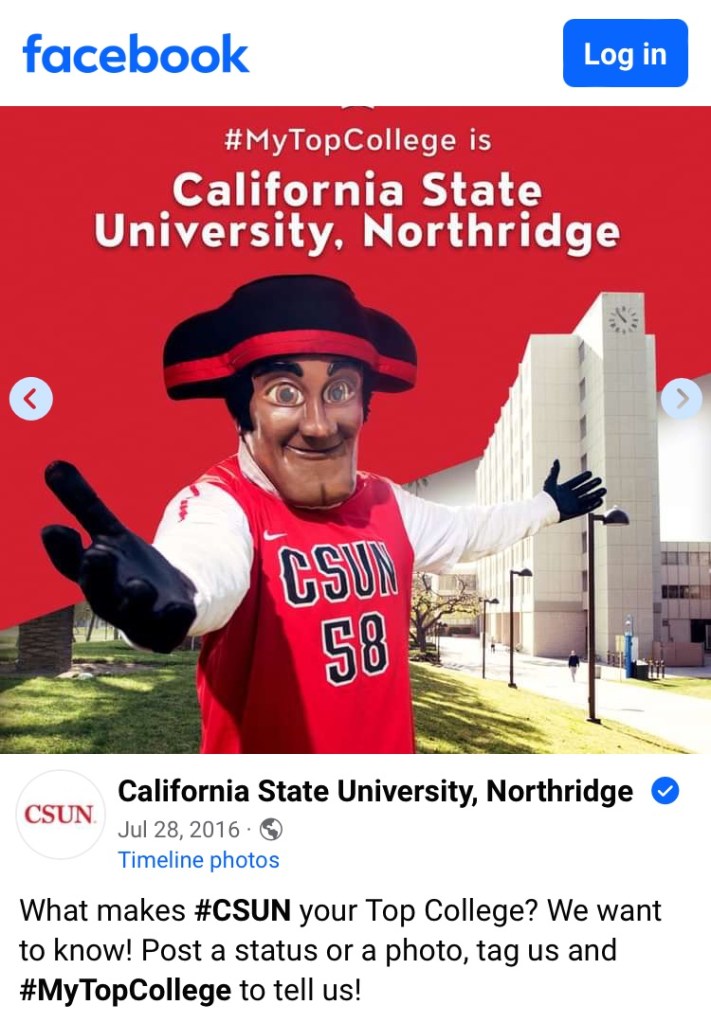
Who else wore No. 58 in SoCal sports history? Make a case for:
Rey Maualuga, USC football linebacker (2005 to 2008):
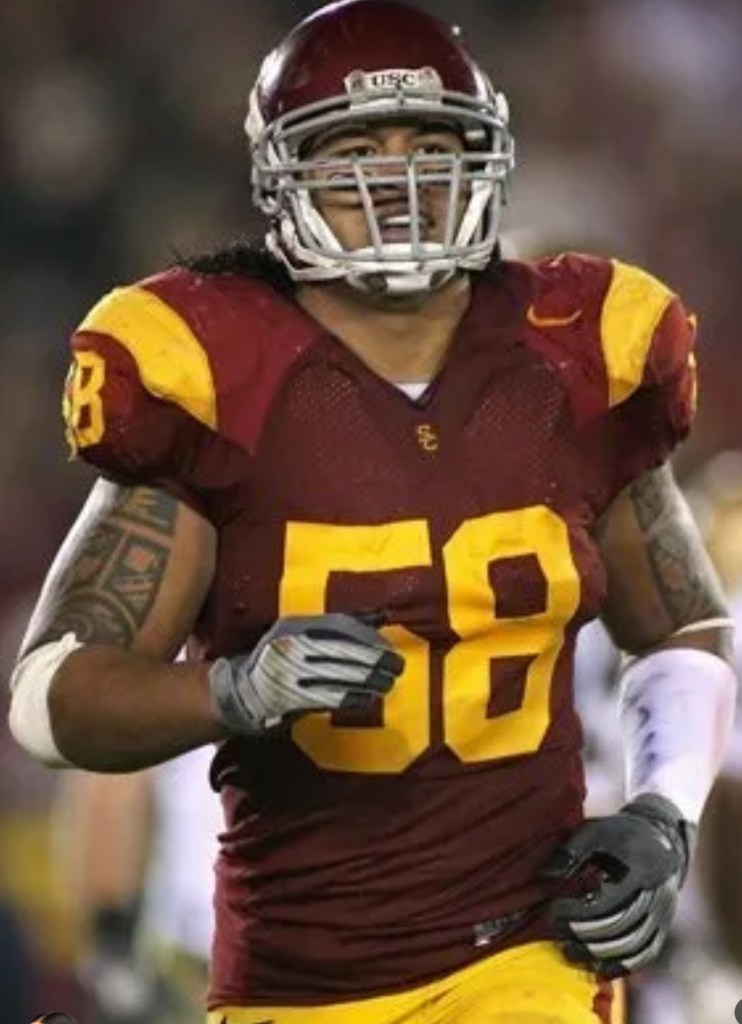
Best known: Ninth in the ’08 Heisman voting, Maualuga was also the school’s first Chuck Bedarik Award winner and an All-American first-team honoree. He said he picked No. 58 to carry in a tradition by Lofa Tatupu (2003 to 2004), who, like Mauauga, is of Samoan descent. In 2025, Maualuga was named to the Polynesian Football Hall of Fame Class of 2026, the seventh Trojan to be inducted from a list that includes Tatupu (2019). Tatupu started 25 games during his two years for the Trojans and is a rare player to have been in four straight Rose Bowls, including the 2006 national title game and and named the Defensive MVP in the 2008 game. He finished his USC career (on teams that finished a combined 46-6) with 202 tackles, nine sacks, seven interceptions, three fumble recoveries, three forced fumbles, 18 pass deflections and one touchdown. Maualuga had a nine-year NFL career, eight with Cincinnati. He had more than 600 tackles, and some 350 solo.
Isiah Roberton, Los Angeles Rams defensive back (1971 to 1978):

Best known: The 6-foot-3, 225-pounder from Southern University, eventually inducted into the Black College Football Hall of Fame in 2017, was selected 10th overall by the Rams in the 1971 NFL Draft, 10 spots ahead of future Pro Football Hall of Fame teammate Jack Youngblood. “Butch” was the free-spirited, hard-hitting Associated Press Defensive Rookie of the Year and a Pro Bowl honoree in an inaugural pro season where he had four interceptions as he replaced veteran Jack Padree at strongside linebacker. Robertson made five more Pro Bowls and had 25 interceptions in 111 games for the Rams before going to Buffalo and retiring in 1982. He had a big role helping Los Angeles win six straight NFC West titles from 1973-78. “He was little bit braggadocious,” said Tom Mack, a Hall of Fame offensive lineman for the Rams from 1966 to 1978, in a story about Robertson’s death in 2018. “He showed up and announced that he was the black Dick Butkus and he was here to save us. That’s the way Butch was. He was very much an outward, talkative guy. He was a wonderful guy. Because he was always very positive, always upbeat, you ended up liking him.” Robertson told The Times in 2007 that he dabbled in drugs during his final season with the Rams and developed an addiction to crack cocaine after his NFL career that cost him his family, his business, his cars and the 14 homes he owned.
Al Sparlis, UCLA football guard (1941-42, 1945):
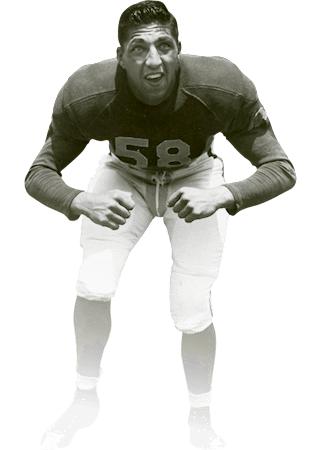
Best known: Inducted as a charter member of the UCLA Athletics Hall of Fame in 1984, the L.A. Poly High standout was on the Bruins’ first Rose Bowl team and became an All-American guard, winning MVP honors in between a two-year service with the U.S. Air Force during World War II. Sparlis had a brief career as a guard and linebacker for the NFL’s Green Bay Packers in 1946, but went to fight in the Korean War and flew 65 missions, and also fought in the Vietnam War as a reservist. Sparlis was inducted into both the National Football Foundation Hall of Fame and the College Football Hall of Fame in 1983 as their most decorated member, having earned the Distinguished Flying Cross, 11 campaign medals, and many oak leaf clusters.
Roman Phifer, UCLA football linebacker (1988 to 1990); Los Angeles Rams linebacker (1991 to 1994):
Best known: Phifer made it through his senior season at UCLA to record 71 tackles (nine for a loss), three sacks and three interceptions after spending all of the 1989 season suspended because of an off-field beating incident of a student security officer that included teammate Damion Lyons. “I learned a good lesson from it,” Phifer said. “It just made me think more of my choices, the decisions I was making so it turned out to really help me focus more once I got back on the team on my career and doing the right things.” A second-round draft pick of the Rams, he started from 1992 to ’98, overlapping the team’s move to St. Louis. He made it onto three Super Bowl title teams with New England. Phifer came back and served two years as a UCLA director of player personnel.
Have you year this story:
Solomon Tuliaupupu, USC football inside linebacker / defensive end (2018 to 2024):
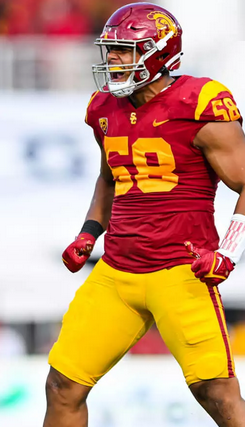
Another SoCal native of Samoan descent, Tuliaupupu won the 2017 High School Butkus Award and made 2017 USA Today All-USA Defensive Player of the Year on a Mater Dei of Santa Ana team that went 15-0 and won the CIF State Open Division. But as a precursor to his USC career, Tuliaupupu, who had 63 tackles for Mater Dei as a senior, he missed the playoffs with a foot injury. He spent his first three years of high school at Claremont High and was the Palomares League MVP with 126 tackles.
Note he spent six years at USC. In February of 2026, he approved by the NCAA to compete in a ninth season, while at Montana.
His career in college went this way:
2018: Sat out following pre-season foot surgery from high school.
2019: Redshirt freshman, sat out season due to additional foot surgery in ’19. Granted a sixth year of eligibility by the NCAA for medical reasons.
2020: Redshirt sophomore, suffered ACL left knee injury during summer workouts, out for season.
2021: Redshirt junior missed spring practice recuperating from a 2020 knee injury. Graduated in spring ’22 with a bachelor’s degree in business administration.
2022: Redshirt senior first year, moved from linebacker to defensive end, registered his first career tackle in four years in a 66-14 win over Rice in September 2022. Played 14 games, had 10 tackles and 2.5 sacks appearing. Also had a sack in the Cotton Bowl vs. Tulane.
2023: Redshirt senior second year, suffered ACL right knee injury in training camp, sat out season. Earned a master’s degree in project management in spring ’24.
2024: Redshirt senior third year, missed the last quarter of the season due to illness, as well as needing time off after the death of a close family member the weekend USC lost at Michigan in September. After the season, told head coach Lincoln Riley he was retiring from football. Moved to Salt Lake City, Utah to start a job as a construction manager.
2025: Redshirt senior fourth year, learned from USC compliance office he had additional years of eligibility due to NCAA allowing extra seasons during COVID, he entered the transfer portal and was accepted to the University of Montana. Had 43 tackles and two sacks in 14 games as the team went 13-2 and went to the FCS semifinals. “I had the best time of my life,” said the 25-year-old married father of two.
2026: Granted a ninth year of eligibility by NCAA.
We also have:
Chad Billingsley, Los Angeles Dodgers pitcher (2006 to 2013)
Joe Pignatino, Los Angeles Dodgers catcher (1958 to 1960)
Mark Cresse, Los Angeles Dodgers bullpen coach (1974 to 1998)
Anyone else worth nominating?

 Tom Hoffarth's The Drill: More Farther Off the Wall
2 thoughts on “No. 58: Cal State Northridge”