

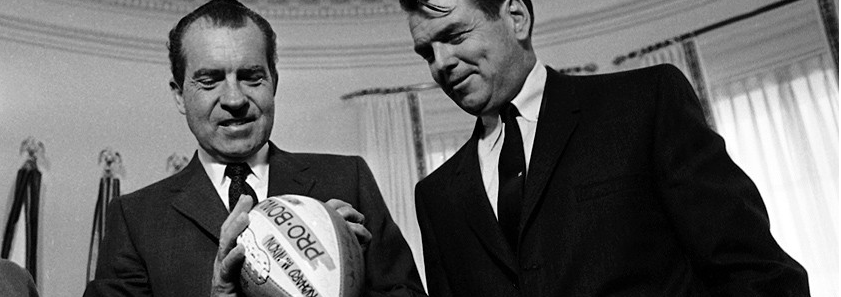
This is the latest post for an ongoing media project — SoCal Sports History 101: The Prime Numbers from 00 to 99 that Uniformly, Uniquely and Unapologetically Reveal The Narrative of Our Region’s Athletic Heritage. Pick a number and highlight an athlete — person, place or thing — most obviously connected to it by fame and fortune, someone who isn’t so obvious, and then take a deeper dive into the most interesting story tied to it. It’s a combination of star power, achievement, longevity, notoriety, and, above all, what makes that athlete so Southern California. Quirkiness and notoriety factor in. And it should open itself to more discussion and debate — which is what sports is best at doing.
The most obvious choices for No. 12:
= Vlade Divac, Los Angeles Lakers
= Charles White: USC football
= Dusty Baker: Los Angeles Dodgers
= Tommy Davis: Los Angeles Dodgers
= James Harris: Los Angeles Rams
= Juju Watkins: USC women’s basketball
= Dwight Howard: Los Angeles Lakers
The not-so-obvious choices for No. 12:
= Pat Riley: Los Angeles Lakers
= Gerrit Cole: UCLA baseball
= Denise Curry: UCLA women’s basketball
= Joe Namath: Los Angeles Rams
= Randall Cunningham: Santa Barbara High football
The most interesting story for No. 12:
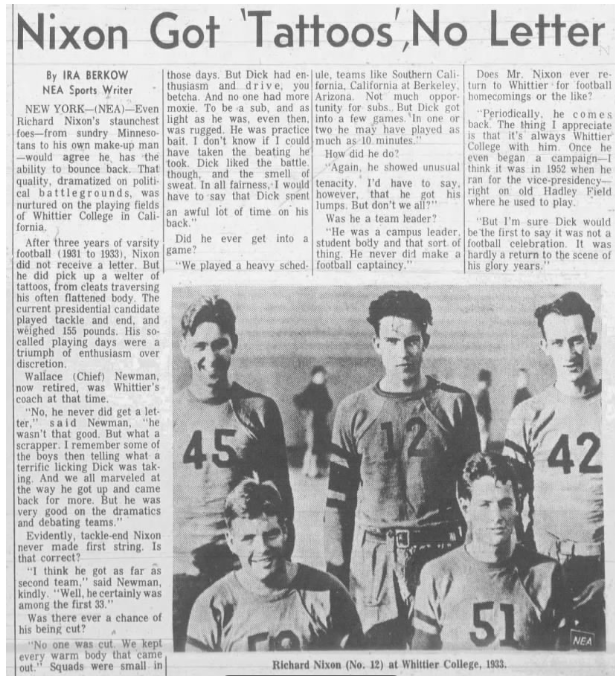
Richard Nixon: Whittier College football offensive tackle (1930 to 1933)
Southern California map pinpoints:
Yorba Linda, Fullerton, Whittier, San Clemente
Victories were unimpeachable in Richard Milhous Nixon’s view of life and legacy.
History notes he did lose the 1960 Presidential Election (even it was by just 0.17 points in the popular vote). And he lost the 1962 California governor’s race by five points. But that wasn’t going to define him — or let anyone kick him around in the public arena.
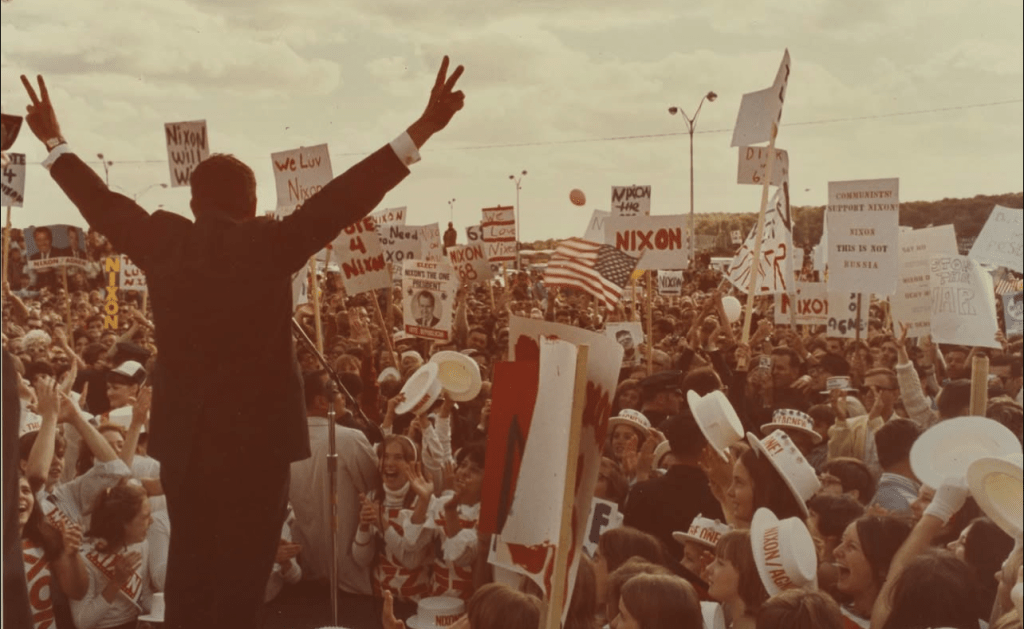
His greatest comeback was the 1968 election to become the 37th President of the United States. It was followed up by a landslide re-election in 1972, winning by nearly 18 million votes.
Nixon went into his “V” formation, both hands flashing triumph for all it was worth.
During those four-plus years as the commander in chief, Nixon was also obsessed with not being the one pinned with losing the Vietnam War.
But then there’s the old sports adage: If you’re not cheating, you’re not trying.
That line of demarcation for sportsmanship led to him forfeiting the most powerful position in the world. A devastating defeat that became the lede to his obituary.
Where did the win-at-all-costs philosophy come from?
Consider the frustrated athletic career he had first at Fullerton High and Whittier High, leading into a highly influential period on the Whittier College football team, capped off by wearing No. 12 his senior year.
Nixon believed in the words and actions by a football coach known as “Chief,” a commanding voice that taught him all about the importance of how the games are played, how to win, and also even lessons on how to take a loss and make it a teachable moment.
Nixon hated losing. Perhaps, to his determent. Sports played a part in that journey.
Born on a lemon ranch in Yorba Linda in 1913, Richard (given the name by his parents after Richard the Lionheart) was 12 years old when a spot was found on his lung and there was a family history of tuberculosis — an older and younger brother died from it.
Richard Nixon was told not to play sports. Even thought the spot turned out to be scar tissue from an early bout of pneumonia.

Growing up among those Nixon would eventually refer to as “forgotten Americans” and the “silent majority” of hard-working church folks just chasing a dream, he was drawn to try out for JV football at Fullerton High. When he then transferred closer to home at Whittier High at the start of his junior year, he ended up as a student manager for the athletic teams. At Whittier High, he ran for class president but lost to a candidate he would describe as “an athlete and personality boy.”
With the start of the Great Depression in 1930, Nixon didn’t pursue college at Harvard or Yale, but stayed closer to home at Whittier College, pursing a history degree. While he played basketball and football, and also tried out for track and baseball, his victories were celebrated on the debate team.
Continue reading “No. 12: Richard Nixon” Tom Hoffarth's The Drill: More Farther Off the Wall