


This is the latest post for an ongoing media project — SoCal Sports History 101: The Prime Numbers from 00 to 99 that Uniformly, Uniquely and Unapologetically Reveal The Narrative of Our Region’s Athletic Heritage. Pick a number and highlight an athlete — person, place or thing — most obviously connected to it by fame and fortune, someone who isn’t so obvious, and then take a deeper dive into the most interesting story tied to it. It’s a combination of star power, achievement, longevity, notoriety, and, above all, what makes that athlete so Southern California. Quirkiness and notoriety factor in. And it should open itself to more discussion and debate — which is what sports is best at doing.
The most obvious choices for No. 10:
= Ron Cey: Los Angeles Dodgers
= Landon Donovan: Los Angeles Galaxy
= Carlos Vela: LAFC
= Norm Nixon: Los Angeles Lakers, Los Angeles Clippers
= Gus Williams: USC basketball
= Justin Herbert: Los Angeles Chargers
= Pat Haden: USC football
= Rick Neuheisel: UCLA football
The not-so-obvious choices for No. 10:
= Willie O’Ree: Los Angeles Blades hockey
= Mauricio Cienfuegos: Los Angeles Galaxy
= Giovani dos Santos: Los Angeles Galaxy
= Marta: Los Angeles Sol
= Cooper Kupp: Los Angeles Rams
= Lyman Bostock: California Angels
= Justin Turner: Los Angeles Dodgers
= Don Klosterman: Loyola University and Los Angeles Rams
The most interesting story for No. 10:
Landon Donovan: Los Angeles Galaxy midfielder (2005 to 2014, 2016)
Southern California map pinpoints:
Ontario; Redlands; Rancho Cucamonga; Carson (Galaxy Home Depot Stadium)
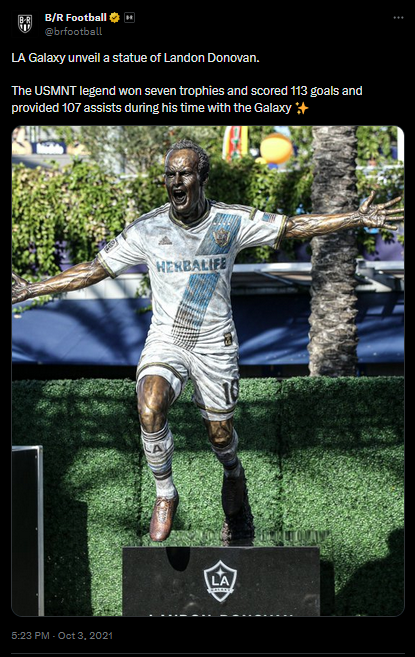
In early 2024, Landon Donovan lamented about the state of the Los Angeles Galaxy.
Once the brightest star in the Major League Soccer universe, the franchise had logged more losses than wins over previous last eight seasons and had been lapped, by almost measurements, by the expansion LAFC team across the city.
“It feels to me,” Donovan told the Los Angeles Times, “like the Galaxy has lost its soul.”
A soulful response from someone who had led the Galaxy to the MLS Cup five times. To the playoffs eight times. Who retired as the league’s all-time leading scorer. Whose league MVP Award is now named after him. Plus, there’s that statue of him outside the Galaxy’s home field.
If Donovan’s words carry a lot of weight, it’s because he once carried the weight of the franchise, as well as the league.
When he assumed custody of the number 10 from 2005 to 2014 in Galaxy lore, it was the core point of the 15 MLS seasons he has a player. It can be argued that he saved the league when it was in danger of going bankrupt.
Donovan became the face of U.S. soccer and marked its growth. He played in the most World Cup games and scored the most World Cup goals of any American. He played with the with San Diego Sockers of the Major Arena Soccer League in 2019. He coached the San Diego Loyal of the second-tier USL Championship and the San Diego Wave of the National Women’s Soccer League while doing work as a broadcaster for Fox.
He’s also carried a lot on his own shoulders — now even more evident as he is assessing his life and how he might help others reach their ultimate goal of personal happiness.
The power of 10
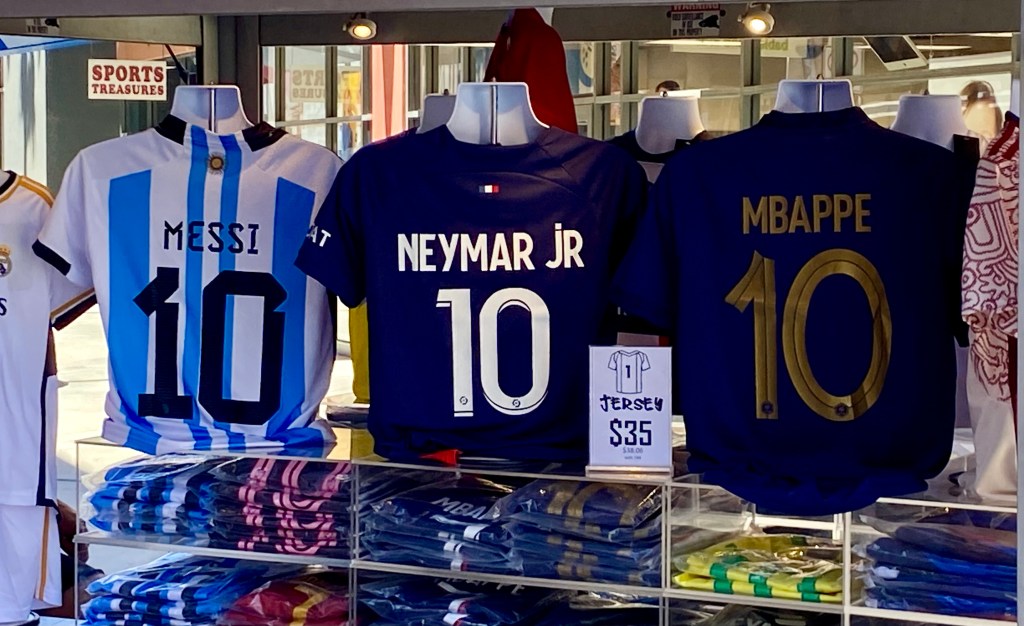
On a scale of 1 to 10, nothing demands more focus and attention on a soccer pitch than who’s sporting the No. 10.

It has cache, honor, history, validation. It isn’t lost on those in the Americas who know their history of European sports.
When Kobe Bryant had to pick a number to wear for Team USA’s basketball team ahead of the 2008 Beijing Olympics, he landed on No. 10 — his then-Lakers’ jersey of No. 24 wouldn’t work because FIBA rules say a player can only wear something between 4 and 15. And Bryant had already left No. 8 behind.
Bryant said
Bryant said when he lived in Italy as his dad, Joe “Jellybean” Byant played basketball for Sebastian Rieti, soccer was the biggest deal and he played it with the other Italian kids.
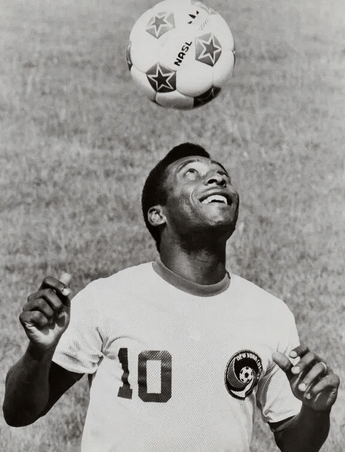
Accepting No. 10 meant Kobe Bryant could honor the soccer stars like Pele, Diego Maradona and Lionel Messi. And become the designated playmaker.
In Southern California’s growing soccer history, No. 10 has become something kids can wear in honor of Donovan.
Or the LAFC’s Carlos Vela (2018 to 2023). The Galaxy’s Mauricio Cienfuegos actually wore it before Donovan (1998-2002), and Giovani dos Santos wore it after Donovan (2014-2018). When Donovan was asked to rejoin the team at the end of the 2016 season by Galaxy general manager and former teammate Chris Klein, instead of forcing dos Santos to give up No. 10, Donovan accepted No. 26 instead, which he wore in Germany when he started his pro career.
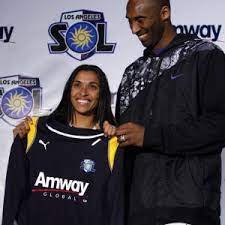
When the Women’s Professional Soccer League started in 2009, Marta Vieira da Silve – known as Marta, the Brazilian Women’s World Cup star – brought her No. 10 to Los Angeles to play for the Sol during its one of year of existence. That year she was named the FIFA Women’s World Player of the Year.
The number honors a tradition of where the so-called “first-choice players” wear Nos. 1 to 11 to represent a place in the starting 11 lineup. Historically, goalkeepers are No. 1. The perfect 10 is the attacking midfielder, considered to be the most creative, offensive-minded and best all around, responsible for setting up the opportunities.
(For Hollywood reference, see the 1981 movie “Victory,” aka “Escape To Victory,” with Sylvester Stallone wearing No. 1 as the goalie, and Pele as himself sporting his No. 10).
Donovan, a four-time USSF Male Athlete of the Year, fit the requirement with the U.S. National Team as others around the globe like Kaka, Ronaldinho, Zinedine Zidane, Robert Baggio, Wayne Rooney also sported No. 10.
In Donovan’s case, this rise to a point of leadership hardly came easy.
The background
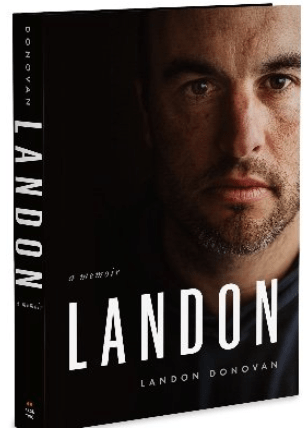
In a poignant memoir, “Landon,” released in March of 2026 (additional explanation is on his official website), Donovan has allowed himself to become an open book.
He discusses frequent battles with mental health issues and the therapy used to harness it. The origins come from watching his single mom, Donna, raise him and a twin sister, Tristan, on a special-education teacher’s salary, as they were born in the San Bernardino area of Ontario, raised in Redlands and grew up in Rancho Cucamonga. He also has more details about reconnecting with his father, Tim, a one-time semi-pro hockey player from Canada who largely abandoned the family. The story of Donovan’s reconciliation with his father prior to his passing makes for a powerful statement of forgiveness.
You don’t think he understands the significance of the No. 10?
In Chapter 10 of his book, he notes that 10 correlates to:
= The famous highway number he was born next to.
= His childhood address was 622 Fourth Street … 6+2+2=10
= The age when he met his best friend.
= The number of goals he scored in his first MLS season with San Jose.
= The number of goals he scored in his last MLS season with the Galaxy.
= The year he scored a dramatic 92nd minute goal against Algeria for a 1-0 win that pushed the U.S. to the top of Group C and saved it from elimination in the FIFA World Cup in South Africa (2010)
= The date of his final U.S. Men’s National Team sendoff game: 10/10
Donovan once told Golf Digest that because he would often act up in school, his third-grade teacher came up with an incentive: Every day, they wrote down if he had a good day or bad day at school. Pile up enough well-behaved days, he could go golfing with his mom, which became a real treat for Donovan, whose parents divorced when he was 2. That allowed him to play the six-hole course at Crafton Hills College near Redlands.
Donovan was as close to a U.S. soccer prodigy as one could be in the 1990s. He took his talents to Germany at first. Pulled back to the MLS when it was created for American fans, Donovan first went to San Jose, winning and MLS Cup title in 2001 and ’03 as the league’s most recognizable player. Going back to Germany in 2004, Donovan wanted to return to the U.S., so San Jose traded his rights, and the Galaxy got him.
In his first year, Donovan led the Galaxy won the MLS Cup, behind his 12 goals and 10 assists. He gave up his role as team captain in 2007 when the Galaxy signed global superstar David Beckham, and in ’08, Donovan posted 20 goals and nine assist in 25 matches. Donovan was league MVP when the Galaxy made it to the 2009 MLS Cup. He became the franchise’s all-time leading scorer in 2010. He posted the game-tying goal when the Galaxy won the 2011 MLS Cup and was named the game MVP. He converted a penalty kick in the Galaxy’s 2012 MLS Cup win, giving the franchise back-to-back titles. Donovan gave up his captaincy again, this time to Robbie Keane in 2013, and that season logged his 136th MLS goal, setting a league mark.
When Donovan declared he would retire at the end of the 2014 season, the Galaxy capped it off with another MLS Cup, their fourth with him on the squad.

“Don’t get me wrong. Goals are great, assists are great, awards are great,” Donovan said after his sendoff contest. “But soccer is a unique game where you can’t as easily influence a game. In basketball, there’s five guys on the court. In football there’s a quarterback who can always influence a game. In soccer, to be able to influence a game and consistently be a winner is very difficult. I’ve always tried to do that.
“Today I didn’t have a great game. … But I felt like I was doing things to help win. Other guys didn’t have great games but they did things to help win. To me, I’m very proud to be with that company. That is harder than anybody realizes.”
Galaxy coach Bruce Arena added: “First of all, Landon has done the real shit in the game. He’s done it all, he’s got very little left to give. I’m very happy he’s able to go out as a winner, and don’t we all wish to be able to leave what we do the way Landon left today, as a winner?”
Keane offered his own words: “No one deserves to win the final as much as he does for what he’s done for MLS and the U.S. national team. It’s just a great honor to play these last four years with him.”
And still, it wasn’t over for Donovan.
After a two-year absence of playing, Donovan was lured back in 2016 and played in the final six regular season games for the Galaxy, giving up a gig working as a TV analyst. He saw the team suffering injuries to key players and was able to get his fitness up to post three goals, including one in the playoffs. He then retired again.
But he was never far away.
The legacy

Donovan’s 57 goals in 157 appearances for the U.S. National Team from 2000 to 2014 is how he is best identified in one area of the sport. His 113 goals in 253 games for the Los Angeles Galaxy during MLS play from 2005 through 2016 are another touchstone – make it 141 goals in 317 games when adding other appearances for the teams in other competition.
The National Soccer Hall of Fame inducted him in 2023 and included in his bio: A forward and midfielder, Donovan made 157 appearances for the U.S. Men’s National Team, including three World Cups and one Olympic Games. Donovan is second only to Cobi Jones on the list of all-time national team appearances, and his 57 goals with the USMNT tied him with Clint Dempsey as the all-time leader. Donovan played 15 seasons in MLS, with seven Best XI selections, and when he retired was the all-time MLS goal-scoring leader.
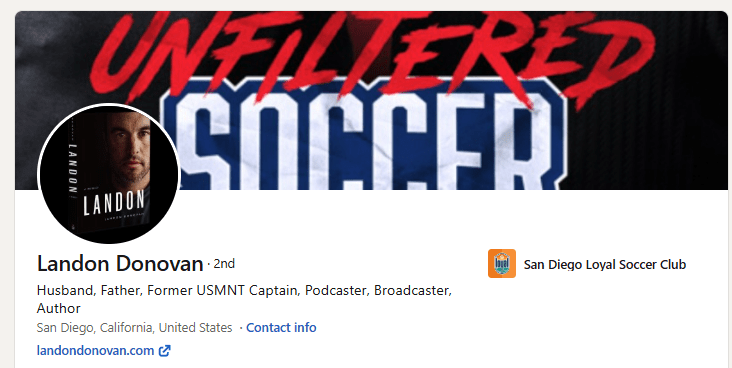
A leader, indeed, by example. Just look at how he prioritizes it all on his LinkedIn platform:
More on the So Cal soccer 10s:

Carlos Vela, LAFC forward/midfielder (2018 to 2024):
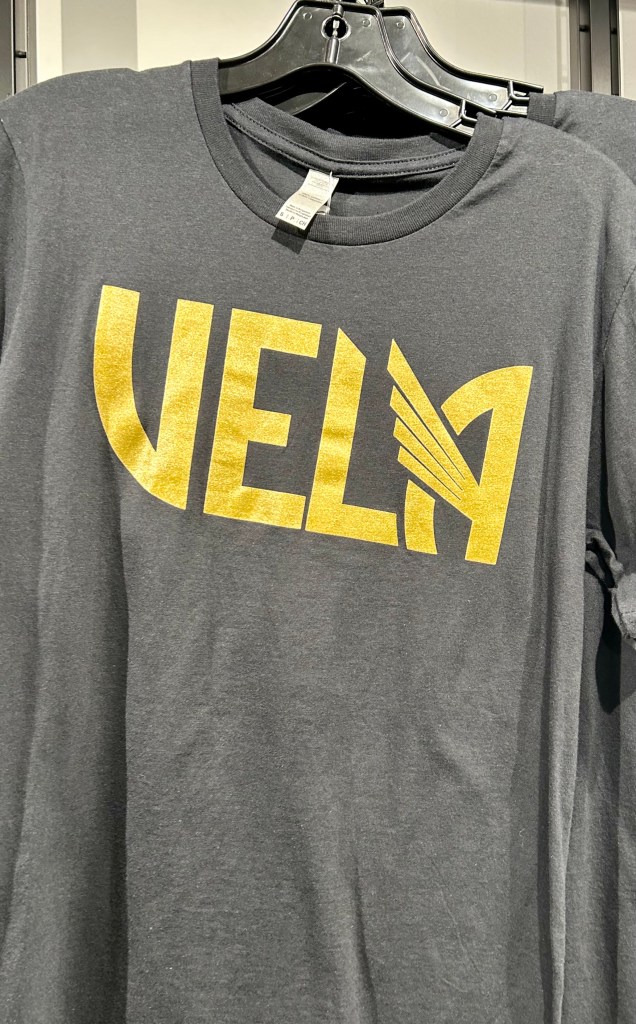
Vela may have had the MLS.com’s top selling jersey in 2023, but we’d make the argument the T-shirts in the LAFC team store reflect better on integrating his name and branding (think: Valenzue-LA). Arguably the greatest Mexican player of his generation, Vela scored an MLS record 34 goals in 2019 (including 20 in the first 21 games) to go with 15 assists and a record 49 combined goals/assists by one player in a single season, taking the MLS MVP Award. On March 31, 2018, he became the first player ever to score in the El Trafico Derby against the Los Angeles Galaxy, scoring the game’s first two goals (in an eventual 4-3 Galaxy win). Part of LAFC’s inaugural season still on the team, Vela announced his retirement at age 35 on May 27, 2025 after a 19-year pro career. He was the LAFC’s leader in games played (152), goals (78) and assists (59). A four-time MLS All-Star (2018, 2019, 2021, 2022), and three-time MLS Best XI selection (2018, 2019, 2022), Vela led LAFC to the 2022 MLS Cup, the 2019 and 2022 Supporters’ Shields and an MLS-record two appearances in the Concacaf Champions League Final (2020, 2023). He recorded a goal or an assist in seven of the 13 MLS Cup Playoff games in which he appeared. One of just 13 players in MLS history to record at least 75 goals and 50 assists, Vela is the only one to do it in just six seasons. In 2022 he became the third-fastest player in MLS history to reach 100 goal contributions (goals plus assists) when he accomplished the feat in just 98 games. The Cancun, Mexico, native was a key contributor to the Mexican National Team, playing in the 2010 and 2018 World Cup, and appearing in 72 total games, scoring 19 goals.
Mauricio Cienfuegos, Los Angeles Galaxy midfielder (1996-2002):
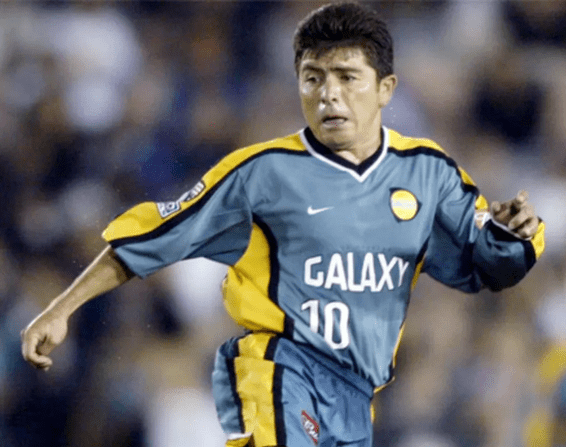
The 5-foot-6 El Savador native logged 206 games, 35 goals and 80 assists for the Galaxy starting when the team was created. He was elected to the MLS Best XI three times (’96, ’98 and ’99) and made seven MLS All Star teams. He was the centerpiece to the Galaxy’s first MLS Cup in 2000. Cienfuegos was the third player assigned to Los Angeles for the inaugural 1996 MLS season, and when he retired he was one of two remaining inaugural season Galaxy players along with teammate Cobi Jones. Cienfuegos appeared in 206 MLS games with 198 starts in eight seasons.
Giovani dos Santos, Los Angeles Galaxy midfielder (2015-2018):
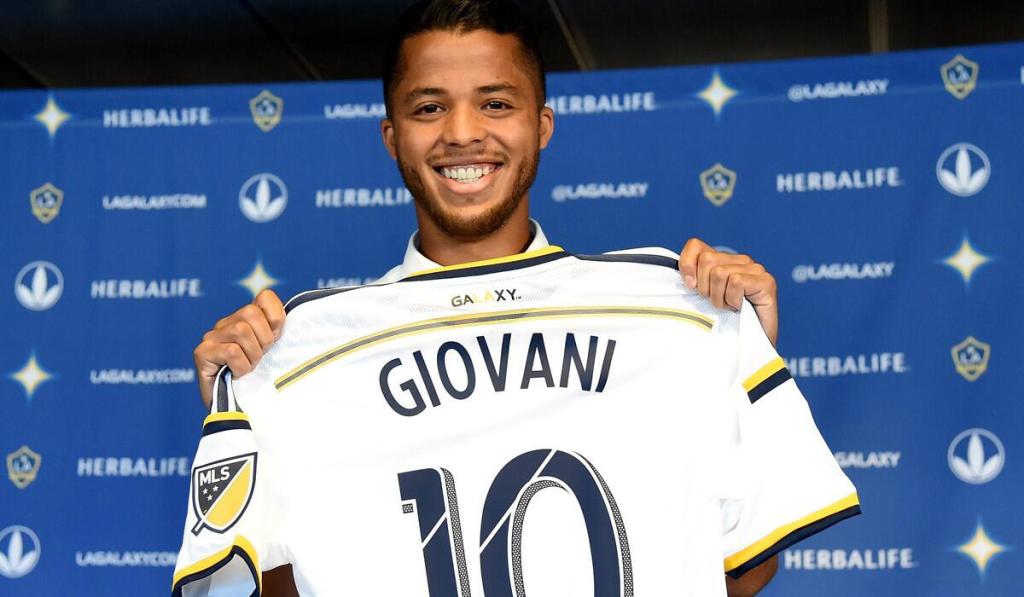
Coming to the Galaxy as its designated player for $7 million, he made his MLS debut with a goal and assist in a 3-1 win over Seattle. He was on the 2016 and ’17 MLS All Star Game. His signing was important for the team at the time, said then-Galaxy President Chris Klein, as the team had no other Mexican players. “L.A. is a very diverse city,” he said. “Adding Giovani is only an addition to that, and I think the opportunity is big. … We’ve been on a course for a long time to establish ourselves with the fans who live in L.A.”
Riqui Puig, Los Angeles Galaxy forward (2022 to present):
The star from Spain had 10 goals in his first two seasons with the Galaxy, then scored a career-high 13 goals with a team-high 15 assists in the 2024 regular season — 28 points in 29 games. He also led the league in touches and passes, making him the motor of the only team in MLS history to have four players finish with 10 or more goals as he was paired with wingers Joseph Paintsil and Gabriel Pec to become “The Killer Ps.” Puig, an MLS all-star and named to the league’s postseason Best XI, scored four goals with three assists in the ’24 playoffs, contributing to the scoring in all four Galaxy wins. Including playoffs, Puig has had a goal or assist in 12 of his last 15 MLS games dating to mid-July. But he tore his left ACL in the Western Conference final and missed the Galaxy’s MLS Cup game in December of ’24.

Paul Caliguri, UCLA soccer defender (1982 to 1985):
The Walnut High standout played four seasons with the Bruins and was a two-time All American, captained the team to the 1985 NCAA title (the school’s first) and was 1986 Soccer America Player of the Year. His U.S. National Team claim to fame was before scoring one of the most important goals in the country’s history: A winning tally against Trinidad and Tobago that propelled the national team to the 1990 World Cup. It was the first time that the U.S. qualified for the World Cup in 40 years. After playing overseas, he wanted to join the burgeoning MLS and was added to the Los Angeles Galaxy’s roster (wearing No. 20) from 1997 to 2001 (135 games, nine goals, 14 assists). His last pro gamw as in the 2001 U.S. Open Cup Final as the Galaxy defeated New England 2–1 in extra time. He was elected into the U.S. Soccer Hall of Fame in 2004 and the UCLA Athletics Hall of Fame in 1997.
Who else wore No. 10 in SoCal sports history?
Make a case for:
Ron Cey, Los Angeles Dodgers third baseman (1971 to 1982):
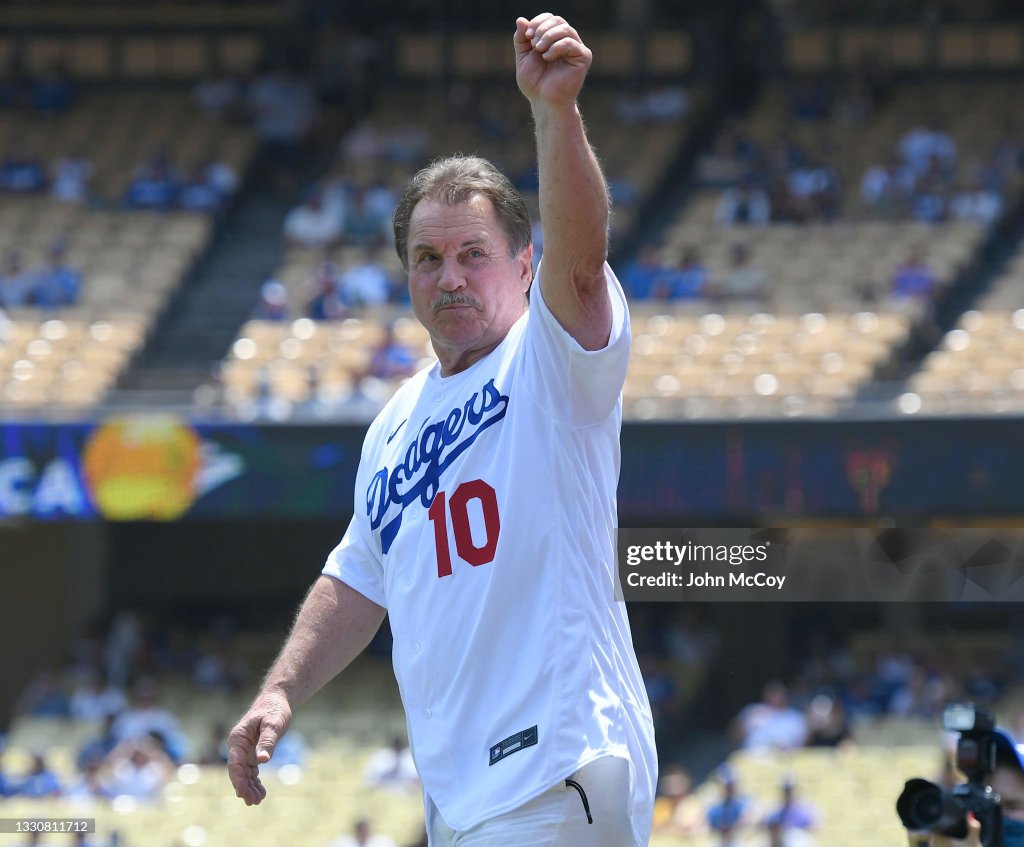
Best known: In our review of his 2023 book, “Penguin Power: Dodger Blue, Hollywood Lights and My One-in-a-Million Big League Journey,” we could read between the lines and assume Cey was crafting a new case for his possible consideration for the Baseball Hall of Fame’s veterans committee.

He says he wasn’t, and he didn’t have to. But it is rather insulting when you look at how the six-time NL All Star only got 1.9 percent of the votes from the Baseball Writers Association of American in his first year of Cooperstown eligibility of 1993, which took his name off the ballot going forward.
Cey can take pride in that his career WAR (53.8) is the greatest of any player who came out of that esteemed 1968 MLB draft — as he was a third-round pick in the June secondary phase. That group include Thurman Munson (46.1), Steve Garvey (38.0), Cecil Cooper (36.0), Burt Hooton (35.5), Doyle Alexander (35.0), Chris Speier (30.6) and Gary Matthews (30.4). Yes, none of them are in the Hall, either.
The book also makes a case that Cey could have been the 1974 All Star Game MVP (Garvey was instead) or the sole recipient of the 1981 World Series MVP Award (which he shared with Steve Yeager and Pedro Guerrero).

In July of 2025, Cey was inducted into the Dodgers Ring of Honor, where again, his nickname of “Penguin” was celebrated for how he ran with shoulders tucked, arms swing at his side stiffly. Cey wasn’t a charmer, just a steady RBI producer bringing consistency with the Dodgers’ infield of Garvey, Davey Lopes and Bill Russell.
In April of 1977, he hit .425 with nine homers and an MLB-record 29 RBIs — about as hot a start as anyone in the game’s history. Maybe his most memorable moment was in the ’81 World series, taking a Goose Gossage fastball to the head in Game 5, going to the hospital on the off day, and returning for Game 6 in New York.
Traded to Chicago in ’83 at age 34, Cey was part of the Cubs’ 1984 division title with a team-best 25 homers and 97 RBIs. Former teammate Tommy John once said of Cey: “He was a grumpy little guy. If you walked into the locker room and said, ‘Hi, how you doing, Penguin?’ and he gave you a grunt, you know he liked you. We called him Mr. Personality.”
In a best-case scenario, Cey could have been the Los Angeles Dodgers’ career home run leader. He hit 228 as a Dodger in 12 seasons before he was shipped off to the Chicago Cubs (and later Oakland). Cey added nearly 100 more homers with those teams through age 39. If added together, his 17-season career mark of 316 homers would have exceeded the 270 that Eric Karros hit in 12 seasons as a Dodger, which remains as the L.A. Dodgers career home run leader (or, for the sake of the argument, the 284 that Karros hit in his career through age 36 — which also included a brief time with the Cubs and A’s.)
Not well remembered: Cey could have been part of the New York Mets’ 1969 World Series team? Kinda. He was drafted out of Mount Tahoma High in Tacoma, Wash., by the Mets in the 19th round of the 1966 MLB Draft. “There was some consideration of signing with the Mets but there was a dual issue there,” Cey said. “Number one, I had a college scholarship that weighed heavy back then. Heaviest of all was the Vietnam War. You had to be protected by some kind of deferment and student deferment was the preference. If the Mets had offered me something I couldn’t refuse that would have been an option. But it wasn’t so I took the college scholarship and went to (Washington State). It gave me an opportunity to get out of the house and be on my own for a little bit. I was thinking tackle my education first rather than (what was still) a hopeful occupation at the age. It would have left me unprotected if I signed with the Mets.” The Dodgers then drafted him in the third round during their famous haul of the 1968 MLB Draft (with Bobby Valentine, Steve Garvey, Davey Lopes, Bill Buckner, Geoff Zahn, Tom Paciorek, Joe Ferguson and Doyle Alexander).
Justin Turner, Los Angeles Dodgers third baseman (2014 to 2022):
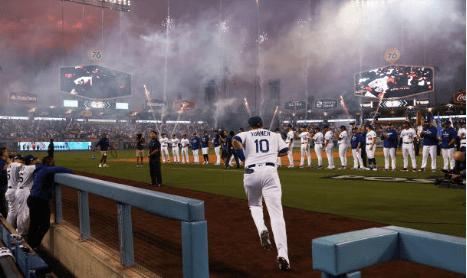
Best known: The Cal State Fullerton infielder out of Lakewood High was a Dodgers’ reclamation project at age 29, signed as a second baseman. He worked his way around the infield and ended up as a two-time NL All Star at third base. “Red Turn” piled up 156 homers, 574 RBIs and a .296 average in nine seasons and made himself part of post-season lore with a walk-off, three-run home run against Chicago in Game 2 of the 2017 NLCS, giving him the series MVP. He also had a go-ahead home run in Game 2 of the 2018 NLCS and earned NL MVP votes in the ’16, ’17 and ’18 seasons. One way his name still resonates in Los Angeles is through his Justin Turner Foundation.
Norm Nixon, Los Angeles Lakers guard (1977-78 to 1982-83); Los Angeles Clippers guard (1984-85 to 1988-89):

Best known: Averaging 15.7 points and 8.3 assists a game in 10 NBA seasons — and all of them for the Lakers and Clippers — “Stormin’ Norman” was a two-time All-Star (one with each franchise) and the Lakers’ Showtime point guard during runs to the 1980 and ’82 NBA titles against Philadelphia. As Nixon overlapped with Magic Johnson for three seasons, he separated his shoulder in the ’83 Finals’ loss to the 76ers and in the offseason was traded to San Diego for the draft rights to Byron Scott. Nixon’s Clippers run was interrupted by missing two entire seasons with knee and Achilles injuries before coming back at age 33.
Not well remembered: Nixon tied Isiah Thomas for the NBA lead in assists during his first year with the Clippers, their last season in San Diego, with a career-high 914. Nixon also led the league in steals (201) in 1978-79 and in minutes played (3,226) in ’79-80.
Steve Nash, Los Angeles Lakers guard (2012-13 to 2013-14):
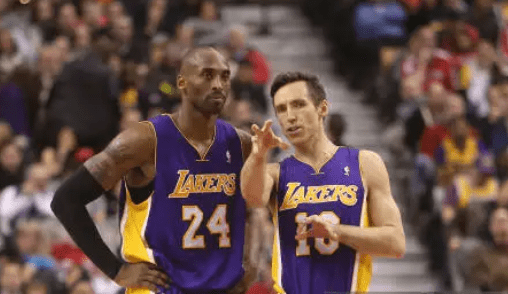
Best known: The idea that the future Basketball Hall of Famer could play in the backcourt with Kobe Bryant at age 38 and 39 seemed … reasonable. After the NBA voided the Lakers’ trade for Chris Paul, Nash was next up — the Lakers sent Phoenix four draft picks to make this happen. His Lakers’ career was just 65 games, plus a four-game sweep of San Antonio in the ’13 Western Conference first round.
Not well remembered: Nash’s bio says he retired from the Lakers on March 21, 2015; the Lakers apparently waived him on April 1, 2015, giving him more than $27 million for those three seasons still under contract.
Cooper Kupp, Los Angeles Rams receiver (2017 to 2024):
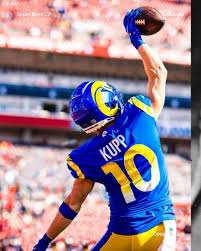
Best known: The MVP of Super Bowl LVI with eight receptions for 92 yards and two touchdowns, including the go-ahead score with 1:25 left, Kupp led the NFL during that 2021 regular season with 145 receptions for 1,947 yards and 16 touchdowns. That made him the fourth player in NFL history to lead the league in those three categories in one season — a bit of a Triple Crown achievement. That year, Kupp also set an NFL record for most yards from scrimmage by a wide receiver in a single season (1,965) and most receptions in a single postseason (33). Kupp caught 634 balls for 7,776 yards and 57 touchdowns for the Rams in 104 games during the regular season, ranking third in team history in receptions and touchdown catches and fourth in receiving yards. In nine playoffs games, he had 742 yards receiving on 56 receptions and seven TDs. Yet, his number came up in a salary cap decision after the 2024 season. “A pillar of this franchise and community,” the Rams said on social media. “There will never be another like No. 10.”
Not well remembered: Kupp was an under-the-radar third-round draft selection by the Rams in 2017 (the seventh receiver picked overall), and wore No. 18 for his first three seasons — it still hasn’t been retired in honor of Roman Gabriel. Kupp set NCAA Division II career records in receptions, yards and receiving TDs at Eastern Washington — 52 games, 428 receptions, 6,464 yards and 73 TDs. That got him the ’13 Jerry Rice Award and ’15 Walter Payton Award.
Justin Herbert, Los Angeles Chargers quarterback (2020 to present):

Best known: The Chargers’ sixth overall pick in the 2020 NFL Draft and third quarterback taken, Hebert was fresh off a 2020 Rose Bowl MVP Award when he signed a four-year contract worth $26.6 million. Right away, he went into the Top 20 list of the best selling jerseys. In Week 2, Herbert started for the injured Tyrod Taylor. When he threw for 311 yards and a TD (as well as running for a TD) in the Chargers 23-20 overtime loss to Kansas City, that made him only the third in NFL history to pass for at least 300 yards and rush for a touchdown in his first career game. By season’s end, Herbert had the NFL record for TD passes by a rookie (28) and reached 4,000 yards.
More milestones fell: He passed Andrew Luck for most passing yards in his first two seasons, and passed Dan Marino for most total TDs in the first two seasons. He was also the first Chargers QB to pass 5,000 yards in a season. In April of 2023, Herbert signed a five-year extension for $262.5 million, which made him the highest-paid player in NFL history at that moment. His 13 NFL records to date include most passing yards by a QB in his first three seasons (14,089), most passing attempts (39.1) and completions (26.0) per game in a career. He also had most consecutive seasons of 4,000 yards to start a career (three).
Not well remembered: His career stats over four seasons and 62 games/62 starts showed the Chargers with 30 wins and 32 losses. After the 2025 season, his career W-L mark was 52-43 in 95 starts, following seasons of 11-6 and 11-5.
Pat Haden, USC football quarterback (1972 to 1974), Southern California Sun quarterback (1975):
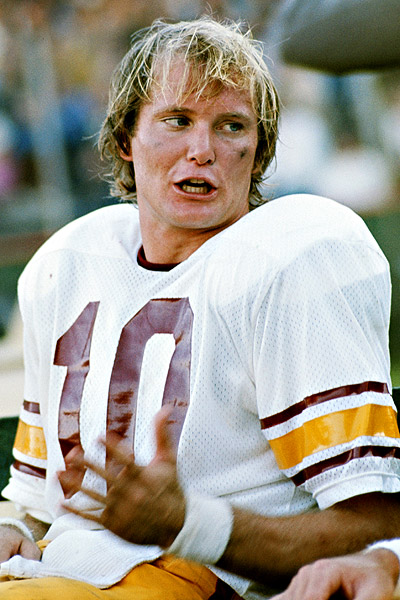
Before he played his first game for the Trojans, Haden was leading Bishop Amat to the CIF championship game over Lakewood in overtime at the Coliseum with his best friend, receiver J.K. McKay. There was no question he would matriculate to USC, with head coach John McKay, leading to three Rose Bowl trips, two national championships, Academic All-American status and a Rhodes Scholar trip to England.

While drafted by the Los Angeles Rams (seventh round, No. 176 overall, but only seven QBs ahead of him), Haden’s business sense led him to check out the upstart World Football League (along with Anthony Davis and J.K. McKay) and saw him complete 98 of 163 passes for 1,404 yards and 11 TDs. He wore No. 11 during his six seasons with the Los Angeles Rams (1976 to 1981).
Rick Neuheisel, UCLA football quarterback (1980 to 1983):

Leading the Bruins to a 45–9 upset over No. 4 Illinois in the 1984 Rose Bowl and gaining the game’s MVP Award, Neuheisel capped a career that started as a walk-on (after turning down Princeton), having more interceptions than TD passes in his senior season, a little time in the USFL and NFL, and then able to launch into a career as a successful coach in the college game (starting at Colorado at age 34 including four years at UCLA as the head man) and a current run as a TV analyst. “I’m remembered as one of the great quarterbacks ever to play at UCLA, when in fact I was truly average and happened to be part of this one magical season,” he once told Sports Illustrated. It also should be noted that Neuheisel got a political science degree at UCLA, and a law degree from USC.
Troy Winslow, USC football quarterback (1963 to 1966):

Coming out of Inglewood High (wearing No. 3), and the son of former Trojans standout defensive and offensive end Bob Winslow, Troy Winslow threw for nearly 2,000 yards and 16 touchdowns in his career. In the 1965 final home game at the Coliseum, Winslow threw for four touchdowns in a 56-6 win over Wyoming. In the 1967 Rose Bowl, Winslow connected with Rod Sherman on a fourth-quarter touchdown pass with 2:28 to play, bringing USC to within one of Bob Griese’s Purdue team, 14-13, but Winslow’s two-point conversion pass attempt was intercepted at the goal line. Undrafted, Winslow played for the Las Vegas Cowboys of the Continental Football League in 1968.
Bobby Chandler, USC football receiver (1968 to 1970):

Born in Long Beach and a graduate of Whittier High, Chandler was also All-CIF in basketball and one of the country’s top decathletes – jumping 6-foot-7 and pole vaulting more than 13 feet and shot putting some 57 feet.
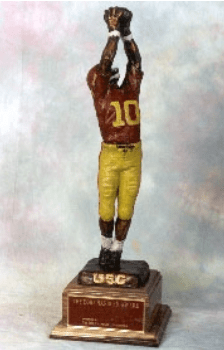
The son of the eventual mayor of Whittier, he married his college sweetheart, had three children, got a law degree, and played himself as a Super Bowl champion and Rose Bowl MVP. In that 1970 Pasadena Classic, Pac-8 champion and “Wild Bunch” USC (9-0-1) outlasted favored Michigan, 10-3, before more than 103,000. Chandler scored the only touchdown (above) on a 33-yard reception from Jimmy Jones in the third quarter to break a 3-3 halftime tie. Chandler caught a pitch from Jones at the Michigan 10, broke a tackle and dodged two more Wolverine defensive backs to score. Chandler had just three catches for 78 yards, including one of 14 yards on that TD scoring drive. The New York Times story on the game noted that the MVP Award was “a heartening finish to an injury-riddled season for the Trojan receiver.” After Chander died, USC created a scholarship award in his honor for underclassmen who excelled athletically and academically. Previous winners include quarterbacks San Darnold, Max Browne and Cody Kessler. Chandler, who wore No. 10 after starting with No. 9, was inducted into the USC Hall of Fame in 1999. Whittier High named a sports complex after him.

Gary Sheffield, Los Angeles Dodgers outfielder (1998 to 2001): He hit 129 of his 501 career homers with the Dodgers in that four-year span, including a .312 average and an All Star Game appearance, after coming over in the trade from Florida along with Bobby Bonilla and Charles Johnson for Mike Piazza. By many measures, the nine-time All Star and five-time Silver Slugger winner has Baseball Hall of Fame credentials. Sheffield briefly also wore No. 5 when he came to L.A. but obtained No. 10 from Jose Vizciano. Sheffield set a then-Los Angeles Dodgers record with a 43-home run season in 141 games in 2000, to go with a 1.081 OPS.

Corey Perry, Anaheim Ducks winger (2005-06 to 2018-19): In 2010-11, Perry led the NHL with 50 goals and 11 game-winning goals to win the Hart Trophy and Maurice Richard Trophy. A four-time NHL All Star, he started his first of 14 seasons at age 20 wearing No. 61 in the franchise’s last season called the Mighty Ducks of Anaheim.
Debbie Green, USC women’s volleyball setter: Led USC to the 1976 and 1977 AIAW national championship with the 1977 squad becoming the first collegiate squad to go undefeated (38-0).

Tim Hovland, USC men’s volleyball (1978 to 1981): An All-City basketball, football and volleyball star at Westchester High, he matriculated to the volleyball court and, as a three-time All-American, helped USC to a 1980 NCAA title (and runner-up in ’79 and ’81). Then he went outdoors to become an AVP fan favorite and five-time winner of the Manhattan Beach Open. In 2010, USC retired his No. 10. In 2020, Hovland was enshrined in the USA Volleyball Hall of Fame.
Dave Roberts, UCLA baseball outfielder (1990 to 1994): His induction into the school’s Athletics Hall of Fame in 2020 may have more to do with what he did as an MLB player and manager, but it does recognize he was team captain of the 1994 UCLA baseball team and a two-time All-Pac-10 and NCAA Regional All-Tournament selection. Roberts still holds UCLA’s career record for stolen bases with 109, and he set the school single-season record in ’94 with 45. Roberts finished his four-year career with a .325 batting average, 82 RBI and 177 runs.
Jeff Torborg, Los Angeles Dodgers catcher (1964 to 1970); California Angels catcher (1971 to 1973): When Sandy Koufax threw his perfect game on Sept. 9, 1965, Torborg was his catcher. When the Dodgers’ Bill Singer threw a no-hitter in 1970, Torborg was his catcher. When Nolan Ryan threw the first of his seven no-hiters, in May of 1973 with the Angels, Torborg was his catcher. Each time, wearing No. 10.
Gus Williams, USC basketball guard (1972-73 to 1974-75): USC retired his No. 10 in 2016 — it has been worn since, however — to remember his achievements as an electrifying All-American guard who averaged a conference-best 21.2 points and 5.4 assists a game as a senior. An inductee into the USC Athletic Hall of Fame in 2009, his bio includes how he was “Trojan basketball’s own version of the ‘Wizard.'” He finished his career after three seasons with 1,308 points (then the most ever by a Trojan guard). He also set since-broken records in assists for his career (362) and a season (141). All three of his Trojan teams finished second or third in the Pac-8 standings. During an 11-year NBA career, he made two All Star teams. His No. 1 was retired by the Seattle SuperSonics, where he won an NBA title in 1979.

Have you heard these stories:
Don Klosterman, Loyola University quarterback (1949 to 1951); Los Angeles Rams quarterback (1952):

The Duke of Del Rey, as he was known during his playing days at Loyola University in Westchester, would make his mark in the NFL as a front-office roster-assembling guru after his playing days were over because of a serious ski accident in 1957 that damaged his spinal cord.

He had been racking up stats in the Canadian Football League at the time. But the future general manager of the Los Angeles Rams (as well as executive with the AFL’s Los Angeles Chargers and USFL’s Los Angeles Express) was also able to log two games with the 9-3 team as its 22-year-old backup quarterback to Bob Waterfield and Norm Van Brocklin in 1952, completing 3 of 10 passes for 47 yards. And three picks. He had been drafted by Cleveland in the ’51 NFL draft (first pick of the third round, No. 26 overall) before he was traded to L.A., where he was best known as Loyola, leading the nation in passing as an All-American at a time when the school played its games at Gilmore Stadium (and its last year at the Rose Bowl) as a viable independent NCAA program.
His last year was also the last for the program as many other independent Catholic schools in the West Coast disbanded. Klosterman was on the 1950 Loyola team that found its way to a No. 20 national ranking in the AP poll as it started the season 7-0. It was the first and only time a Loyola football was ranked. The Compton High grad was inducted into the Loyola Marymount University Athletics Hall of Fame in 1986. Frank Gifford knew Klosterman as fellow high school football stars. In 1976, Gifford wrote a book, “Gifford on Courage,” about the 10 most courageous athletes he knew, including Klosterman. “Don may have been the most courageous person I’ve ever known,” Gifford said. “I interviewed his doctors and learned firsthand what he went through. I think I’m a pretty tough guy, a gutsy guy, but I couldn’t have handled what he went through. Whenever I get down, when things in my life aren’t going well, I always think of Don and what he’s been through. “Don was a great guy who made everyone around him feel better. He could light up a room just by walking in.”
Lyman Bostock, California Angels outfielder (1978):

The Cal State Northridge standout and South Central L.A. native was so disappointed in his April start with the Angels after coming over as a free agent — a .147 mark and a 2-for-38 slump — he offered to give owner Gene Autry his money back. It was a pretty big deal: Bostock, who hit .336 and .323 in two of his three seasons at Minnesota, signed for a then-shocking sum of $2.25 million for five years. The Angels wouldn’t do it, so Bostock donated a month’s salary to charity. Five months later, Bostock was shot and killed in Chicago during an Angels road trip during the final weeks of the season, as his average was inching closer to .300. K. Adam Powell, who wrote a 2016 biography called “Lyman Bostock: The Inspiring Life and Tragic Death of a Ballplayer,” concludes at the end of it: “Lyman Bostock will never grow old. He may not have had time to become a Hall of Famer, but he will always be remembered as an elite ballplayer having died during his peak. Age never had a chance to catch up to Lyman. At the same time, how much would anyone give to reverse the past – to stop what happened from happening? To give Lyman a chance to live the long, happy life he deserved? … Why Lyman was killed looms large in this story … it was one of the most senseless and tragic acts to ever befall anyone anywhere in history. An entirely innocent man was caught in the crossfire of other people’s troubles … At the end of the day, the question simply can’t be answered. It never will be answered.”
Willie O’Ree: Los Angeles Blades left winger (1961-62 to 1966-67):
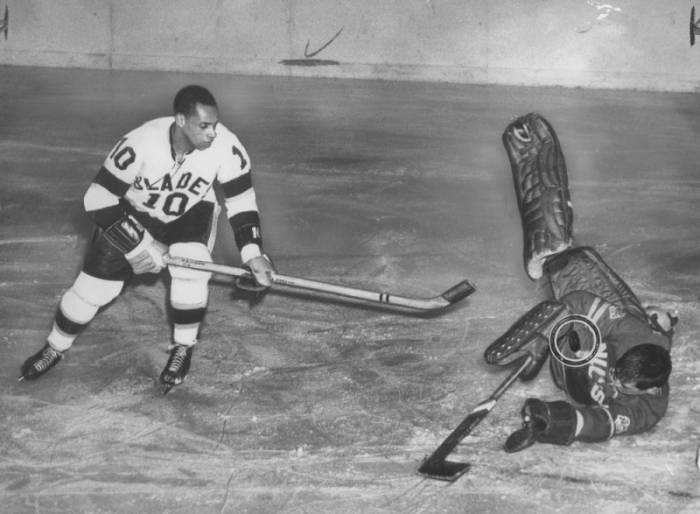
The Hockey Hall of Fame plaque dedicated to Willie O’Ree in 2018 recognizes his contribution to the game as a “builder,” calling him “the first Black player to play in the National Hockey League during an era of racial adversity in the 1957-58 season with the Boston Bruins.” It also mentions his Lester Patrick Trophy in 2003 for “service to hockey in the United States.” Truth is, before the Bruins retired his No. 22 jersey despite the fact he only got into two games for them that season, and 43 more in 1960-61 (4 goals, 10 assists), O’Ree thrived playing in the Western Hockey League and came to Los Angeles to show the city what professional hockey looked like seven years before the NHL could stake a claim. Scoring 175 goals to go with 150 assists in 378 games over six season, O’Ree posted a career-best 38 goals (with 21 assists) came in 70 games for the Blades in 1964-65. The season before, he posted four goals and eight assists in 12 playoff games. He followed ’64-’65 with seasons of 33 and 34 goals.
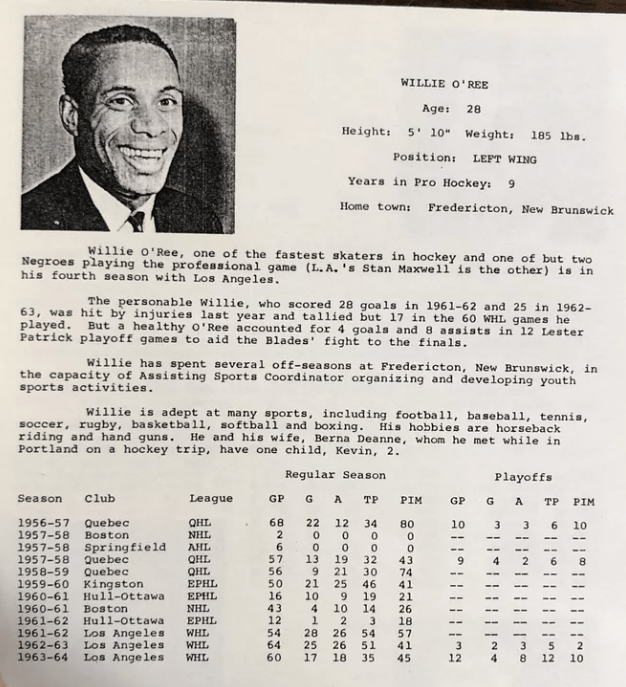
O’Ree became a WHL goal-scoring champion partially because of a move to left wing, where he could finally see oncoming passes without turning his head fully. O’Ree was struck in the right eye with a puck at age 19, costing him vision, but he kept it a secret. Had the Bruins known about his disability they likely would not have called him up in January of 1958, breaking the league’s color barrier.
O’Ree, from New Bruinswick in Canada, spent the last seven WHL seasons relocating to the San Diego Gulls (who retired his No. 10) as the NHL’s Los Angeles Kings moved into town for the ’67-’68 season and the Blades folded. O’Ree had been traded to the Blades at a time when he was still in the continuum of NHL-affiliated clubs, which the Blades were not. But the demotion took O’Ree to the region he’s called home since the 1960s, where he met his wife, created his family and cemented his presence in several communities. “The best move I ever made was coming here,” O’Ree said.
Warren Moon, L.A. Hamilton High quarterback (1972 to 1973), West Los Angeles College (1974):

Long before he wore No. 1 and became one of the most unlikely Pro Football Hall of Fame selections as an undrafted player, based on 23 years of known for his playing with the NFL’s Houston Oilers and the Canadian Football League’s Edmonton Eskimos, Moon’s family used the address of one of his mother’s friends to get into the district to attend Hamilton High. He took over as the starter as a senior and led the team to the L.A. City playoffs. With no college offers, gravitated to West L.A. College and got onto the radar of the University of Washington (1975 to 1977) and was Pac-8 Co-Player of the year as a senior (1,722 passing yards and 12 TDs) with Stanford quarterback Guy Benjamin, leading the Huskies to the Rose Bowl and an upset over Michigan. The rest of his pro career: Five CFL Grey Cup titles in six seasons, two Grey Cup MVP Awards, NFL Man of the Year in 1989, nine NFL Pro Bowls, twice leading the NFL in passing yards, having his No. 1 retired by the Tennessee Titans/Houston Oilers franchise, and nearly 50,000 career passing yards in the NFL over 17 seasons to go with more than 21,000 passing yards in the CFL.
Bird Averitt, Pepperdine basketball (1972-72 to 1973-73):
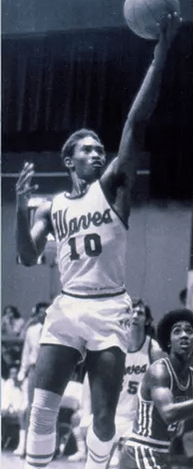
The 6-foot-1 guard led the nation in scoring at 33.9 points a game as a junior, a year after he also led the West Coast Athletic Conference averaging 28.9 points a game as an eligible sophomore. During his first season of 1970-71, unable to play varsity because of NCAA rules, he scored 43 and 44 points in games against UCLA’s freshman team. His single-game best of 57 points vs. Nevada in 1973 set a school record. Most interesting: Pepperdine moved to Malibu from Los Angeles during his career, yet Firestone Fieldhouse had yet to be built. All of Averitt’s records were at the Culver City Auditorium. Averitt turned pro after his junior season, picked by Portland in the 1973 NBA Draft but he played for San Antonio and Kentucky in the ABA. He was inducted into the Pepperdine Athletics Hall of Fame in 1981 and into the WCC’s Hall of Honor in 2017.
We also have:

Hideo Nomo, Los Angeles Dodgers pitcher (2002 to 2004): This was after his return to the team at age 33, after signing as a rookie and playing for the team from 1995 to ’98 wearing No. 16.
Dave Kingman, California Angels outfielder (1977)
Kelsey Plum, Los Angeles Sparks (2025)
Tom Dempsey, Los Angeles Rams kicker (1975 to 1976)
Jay Johnstone, California Angels outfielder (1966 to 1970)
Brian Cushing, USC football linebacker (2005 to 2008)
John David Booty, USC football quarterback (2003 to 2007)
DeMar DeRozen, USC basketball (2008-09)
Tyronn Lue, Los Angeles Lakers guard (1998-99 to 2000-01)
Vernon Wells, Los Angeles Angels of Anaheim DH/outfielder (2011 to 2012)
Rex Hudler, California Angels infielder (1994 to 1996)
Rod Foster, UCLA basketball point guard (1979-80 to 1983-84)
Anyone else worth nominating?

 Tom Hoffarth's The Drill: More Farther Off the Wall
How could you forget your favorite #10 of all time. USC QB Troy Winslow.
On Tue, Jan 16, 2024 at 6:19 PM Tom Hoffarth’s The Drill: More Farther Off
LikeLike