
“Crossroads: A Memoir in Baseball and Life”
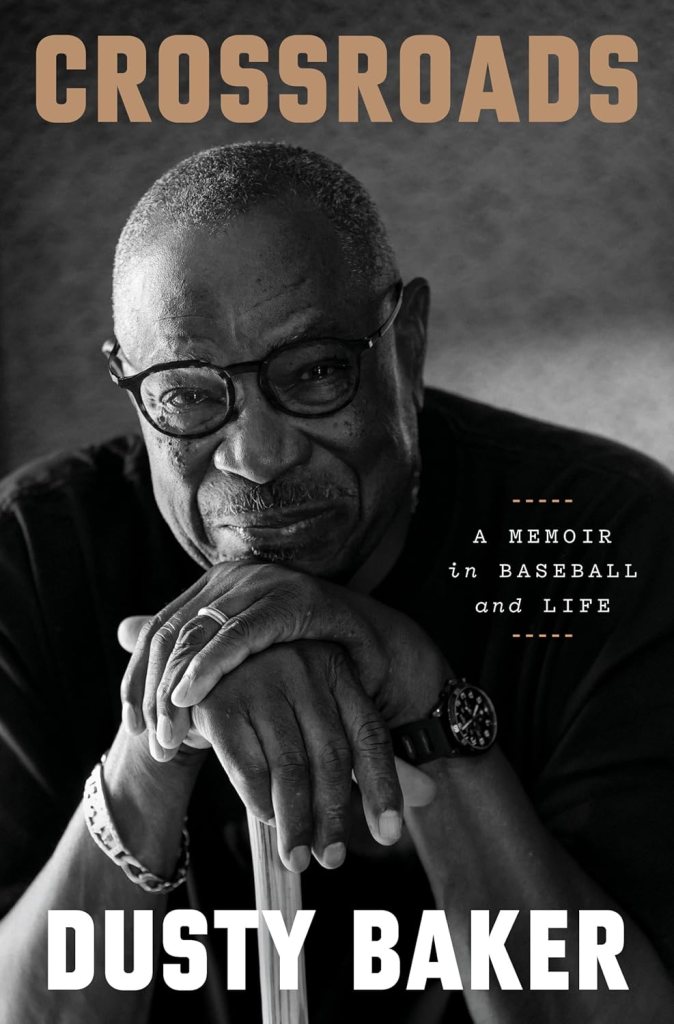
The author: Dusty Baker
The details: Crown Publishing/Penguin Random House, 416 pages, $32, released June 9, ‘26
The links: The publisher, Bookshop.org
A review in 90 feet or less:
Johnny B. Baker Jr. has had a good number of moments that he refers to as “crossroads”as he comes up on his 77th birthday.
At least, a baker’s dozen of these pivotal events. When things could have headed down some dusty road full of potholes and regrets.
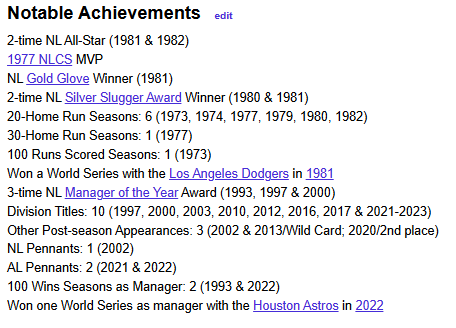
So many of us have felt some cosmic connection to Baker over the years — tossing him bubblegum as he ran out to his left-field position at Dodger Stadium during his eight seasons, listening to him deconstruct the time he managed the rival Giants to the edge of a World Series title in 2022 only to see the Angels snatch it away — here is a road that opens up, to travel back in his time, reconnect and understand.
Baker almost lets us feel as now we’re qualified to be part of his “grand counsel of advisers,” people he could lean into “anytime I was at a crossroads,” as he writes on page 253. “I wasn’t always read to hear what they might have to tell me — or show me. Some of it was forced on me and I learned from it later …”
Now it’s time to share.
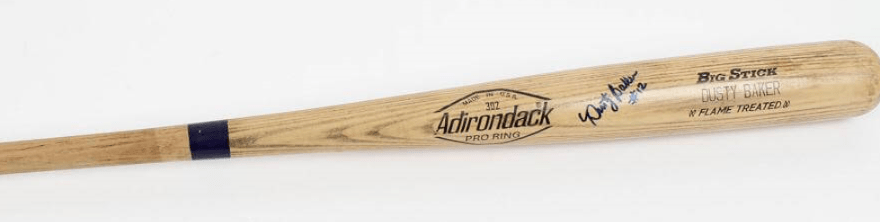
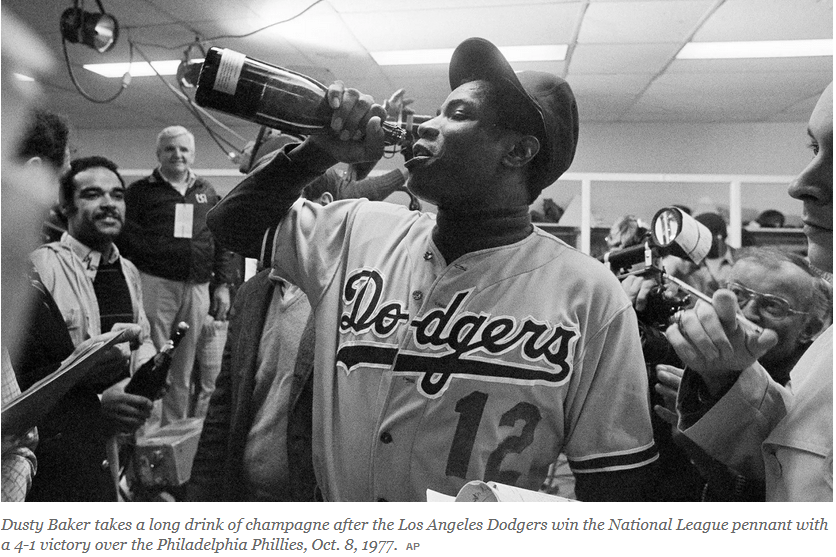
Baker embraced wearing the No. 12 for the Dodgers, as well as every team he played for and those five he served as a manager, because it honors Dodgers outfielder Tommy Davis, wh0 Baker admired as he grew up in Riverside. That’s the number he’s assigned as part of the franchise’s “Legends of Dodgers Baseball” as of August of 2024.
Knowing he had a brilliant writing sherpa in sports journalist Steve Kettmann, co-director of the Wellstone Center in the Redwoods, to keep him digging deeper, we offer these six experiential joys we took away from the project and encourage to find your own:
Chapter 1, page 11: This up-and-down relationship he had with his father — his first baseball coach — shows a path on how to forgive and move on to more positive memories:
My dad taught me … no one controls your own emotions but you, not unless you let them. My dad was one of the coolest dudes I ever met. … My dad explained something … that took years for me to understand, which was the difference between what he called outer dignity and inner dignity and the importance of knowing which was which. The outer dignity is what you’ll do to keep your job and feed your family. There has to be room for that to stretch a little sometimes. Your inner dignity is different. … (it) involves fixed points that cannot be moved. No man should intrude on your inner dignity. You can’t let that happen. … Along the way you have to learn for yourself what you will take and what you will not take. You must be more determined and have more character. You have to find a way to pull strength from some of the negatives. … I’ve always been taken care of when I guarded my inner dignity.
(Baker later explains his father once told him that when you come to a crossroads, “take the road to the right.” “In other words,” Baker adds, “Do the right thing. Finding the right road, the right way, can be hard.” Applying that to today’s times, Baker adds: “Maybe we can find a way forward without breaking a lot of what was good about this country. Maybe then we might have a better chance of doing something about all the ways this country has fallen short. A man can hope.”)
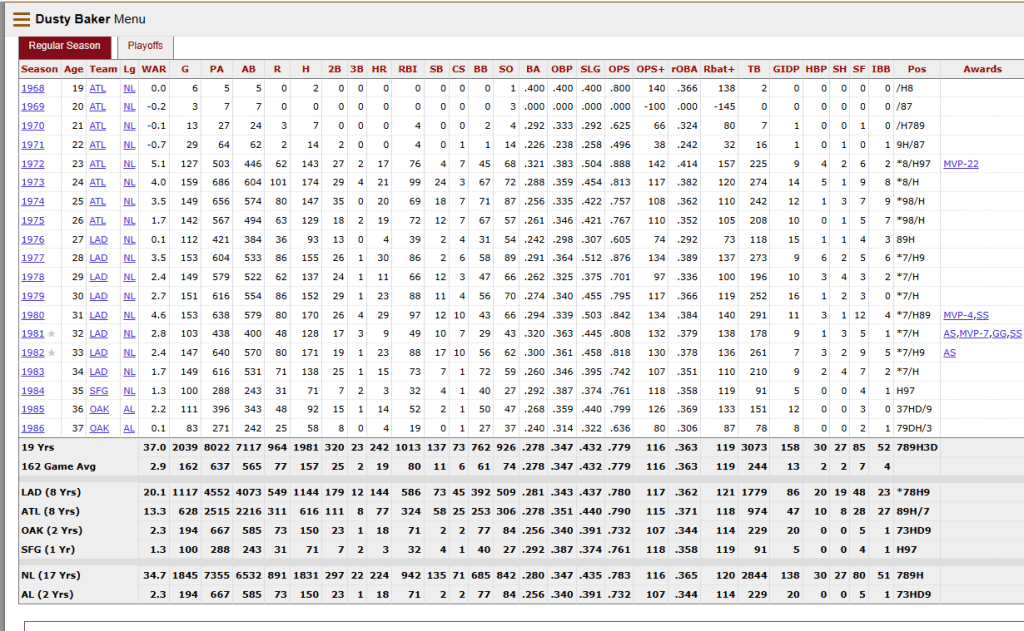
Chapter 6, pages 120-121: A week after the Dodgers trade to get him from Atlanta, Baker injures his left knee in a pickup basketball game in Sacramento going in for a dunk. How could he save face? This gives us far better context than we had before:
I knew I screwed up big time. I never got hurt. Now my left knee was messed up .. I was trying to figure out how I was going to get out of this trouble … Spring training was coming up and I knew I wasn’t myself. I had lost what made me me. I had no balance. I didn’t have my speed … … Knowing it was all my fault was devastating. That was a big load to carry. It messed with my head, I ain’t gonna lie. … Bill Buhler, the Dodger trainer, asked how I’d injured my knee. ‘I hurt it running my dog,’ I told Mr. Bill. He gave me a look .. ‘Tell me the truth,’ he said. Mr. Bill said if I was straight with him, I could trust him not to sell me out to the Dodgers, so I told him what happened … (into the season I missed games) with a pulled hamstring … then a pulled groin … It was all connected … By August, I was on the bench … I would wait to the last minute to go up and pinch-hit because the boos from the fans at Dodger Stadium would be so loud. I didn’t want to hear it. This was where I had always wanted to play, for the Dodgers, and then I got my opportunity and blew it because I hurt myself playing basketball. But what could I do? Imagine the bad PR the Dodgers would have had .. I was miserable … People kept saying I was a bust …
That was when my strength really came in , the mental and spiritual strength my parents and family had helped build in me. Believe me, that year I needed all of it just to get through. … Some guy named Bud Tucker wrote a column in the Long Beach Press-Telegram calling me a ‘traditional basket case.’ I’d never even heard the expression before and it pissed me off big time. From then on I stopped reading the papers. Why should someone else’s words be given the power to control my own self-esteem … That winter the Dodgers dangled me as trade bait, offering me to the Chicago Cubs in a package to land Rick Monday. In the end, the Cubs preferred Bill Buckner, so the Dodgers traded him for Monday instead of me. I wasn’t even good as bait …
Chapter 7, page 154: Baker explains how after the Dodgers won the 1981 NLCS in a decisive Rick Monday-homer game at Montreal, he was to meet friends for a ride to the airport. As he and his wife, Harriet, were with Derrel Thomas and his wife, and Ken Landreaux and his wife, a group of “loud, drunk Canadian fans were” accosting Liz Thomas and a fight erupted. “We had ourselves a pretty good brawl there for awhile until the security people showed up,” Baker explains. But that incident left Baker with an injured right wrist — which plagued him for the rest of his career. He had a poor performance against the Yankees in the ’81 World Series, but the Dodgers prevailed. Baker, who had finished the season third in the NL with a .320 average to go with his first All-Star Game selection, wining a Gold Glove and Silver Slugger awards, was humbled to hit just .167 in the six-game championship series with one RBI in 26 plate appearances, striking out six times:
Baseball is a wicked teacher. I felt like Moses, who couldn’t go to the Promised Land, but I had helped my team get there. If it’s all about the team and the team wins the World Series, then that’s more important about how you performed individually. That was another crossroads, to accept that my best moment as a player was also, in the end, one of my lesser moments as a player. My wrist was never the same after that … I’ve had three hand operations over the years and to this day I still get trigger finger in that hand.
Chapter 8, page 166 to 171: Baker hits .357 in the four-game NLCS loss to Philadelphia, and now the Dodgers were talking about trading or releasing him, following surgery to his right knee, even with an $800,000 salary left to pay him. What was hanging over him? False rumors.
Maybe I loved being a Dodger too much, or maybe I couldn’t quite believe the team had really turned on me .. But I just wasn’t ready … It was then … that rumors about me picked up. What was going on? It had to do with drugs. I had smoked weed and tried mescaline one time in Mexico … Similar deal with cocaine, which was everywhere in those days. Almost anywhere in America at that time in the early 1980s, in whatever scene you were into, there was cocaine around … As a guy who had heart issues going back to high school, it just wasn’t worth the risk. But someone was pushing rumors about me … All the joy I’d felt as a Dodger, all my years of loving my teammates and my team and my community had come to being shown the door with rumors flying …
In 2024, I was in L.A. being honored as a former Dodgers and I saw (Peter) O’Malley. We started talking and he apologized. ‘Dusty, I’m sorry that I listened to what some people were saying to me about you back then,’ he told me. I thanked him and it helped me put that painful period behind me.
Chapter 11, pages 243-245: Baker understands the roots of homelessness — how someone can become despondent enough and end up living on the streets. It is the spiral of his brother Vic, guilt-ridden over a failed financial business he set up that ended up sending Baker into IRS debt:
Vic felt crippling guilt … I learned then that guilt is the worst of all emotions — it takes a life on its own and can do serious harm … Vic was always wresting with the Devil. He was possessed by the adversary. I had heard about that. But I saw it first-hand in my own brother. … My nightmare with the IRS was another crossroads in my life, one that came with a lot of pain and took a lot of years to navigate. You learn about yourself along the way. You learn there are some things you can’t do alone. You’ll find friends who will step up to help you, but first you have to be able to accept that help. People need to know you’re open to humbling yourself in that way …
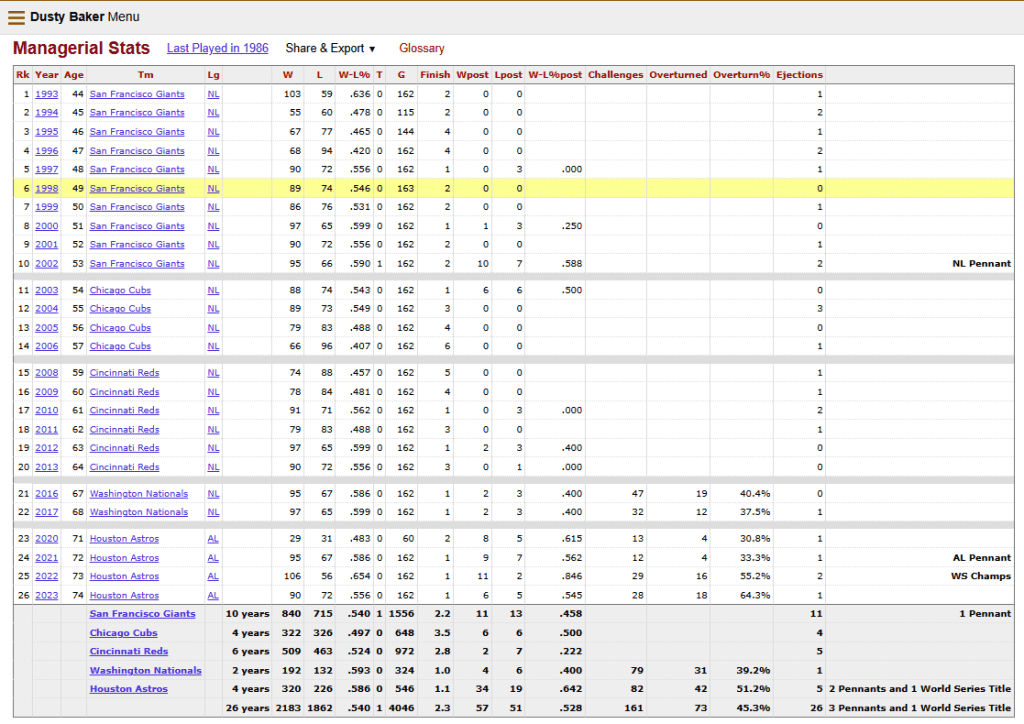
Chapter 12, page 280: Can’t help but revisiting this one: Going to the mound for a manager’s visit during Game 6 of the 2002 World Series against the Angels, removing San Francisco pitcher Russ Ortiz in the seventh inning, and handing him the ball as he walked to the dugout:
Everybody thought I gave him the ball because I thought the game was over. People say that’s how it looked. To me, that makes no sense. You don’t make it one year in baseball, let along 34 years, without learning: Man, the game ain’t ever over till it’s over. I was not counting any chickens … We still had to get eight more outs and even a 5-0 lead could evaporate in a hurry against a team like the Angels. I gave that ball to Russ because he had given heart and soul to pitch his ass off for us that night.
The one weird part of that was that I did end up kind of jinxing (relief pitcher Felix Rodriguez), or messing him up, which I only came to understand later. Guys have their own ways of getting mentally ready, and they all have their own routines, some of them very elaborate. Felix had a routine where whenever he came into a game, he would take the ball from the manager and fling the ball into the dugout. Then he got a new ball from the umpire. The ritual would get all the funk off the ball and he would start fresh … That night in Anaheim for Game 6 of the World Series, he had to ask for a new ball right away, and couldn’t throw one to the dugout the way he usually did. It may or may not have thrown him off, but it’s the kind of thing that’s important to players.
(To follow up on that: Rodriguez came into face Angels’ left-handed hitter Scott Spezio. After going up 1-2, Rodriguez had a full count to Spezio, who then took a fastball low and inside and hit it into the lower seats down the right-field line for a three-run homer. Troy Glaus later had a two-run double to give the Angels the come-from-behind win, setting up the Angels’ Game 7 win the next night to snatch the title away from Baker and Giants).
How it goes in the scorebook:
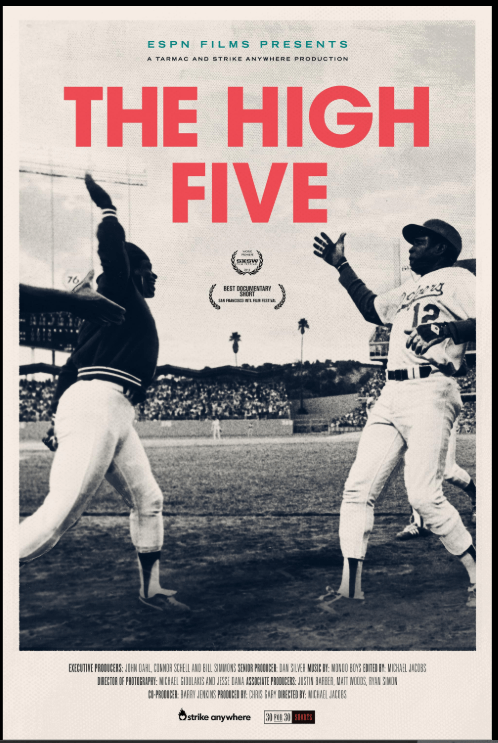
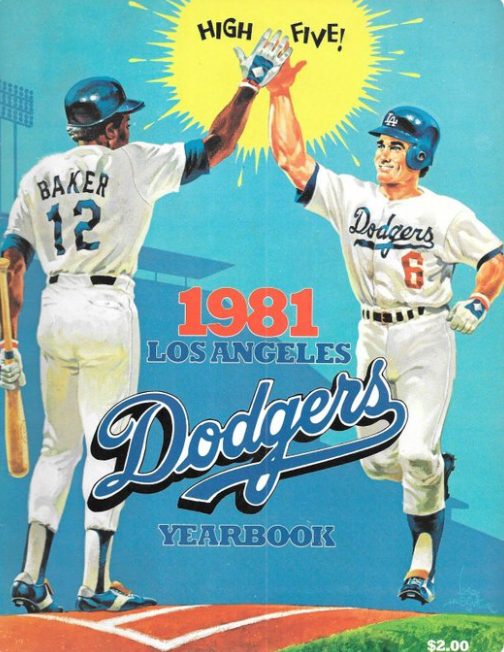
A high five. Scalding hot.
For some of us, this is what a crossroads moment looks like:

Suitable for framing? Perhaps.
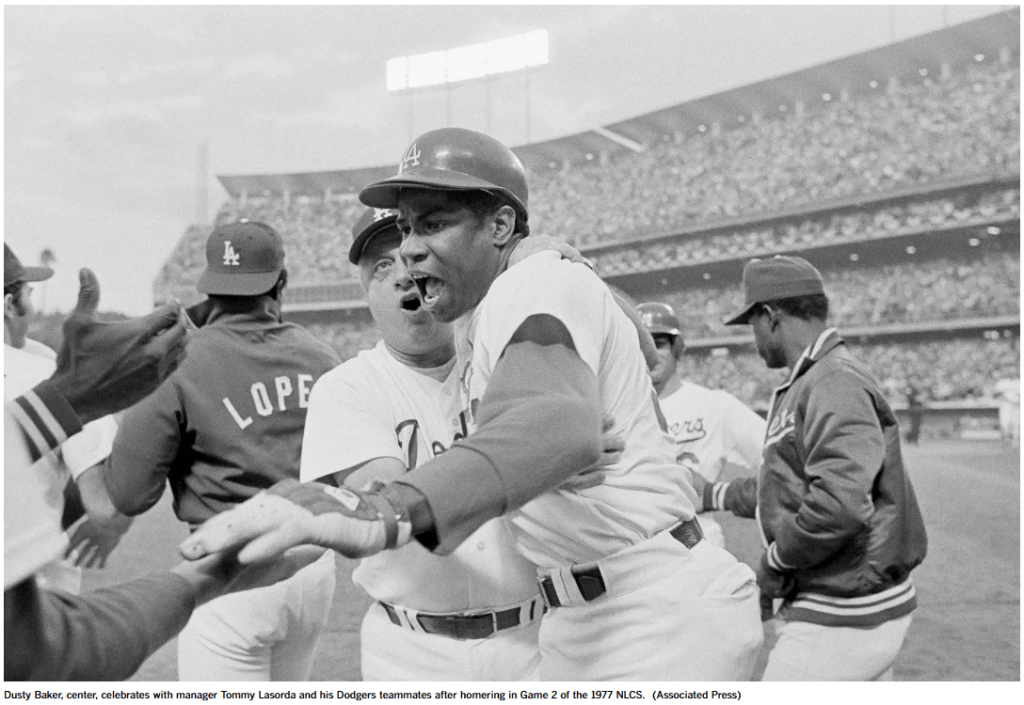
For Baker, it’s redefining what that can look like. And in a classy cay.
In the book’s epilogue, Baker explains that “I’ve drawn lines I won’t go past” in telling his life story. “Some people may have wanted to hear more about intimate conversations with my players or coaches or scenes in the private sanctuary of the clubhouse or dugout, but there are sacred places in baseball that need to be respected. Some things need to remain private, out of respect. This is my life and I’ve opened the door on as much of it as I can.”
Messages received. And privacy respected.
But with that in mind, so many more things shared are invaluable to those who’ve experienced somewhat similar life crossroads and can benefit from how to journey better going forward.
If you’ve been in or around baseball the last 40 years, it’s rare to find anyone with a resentful, jealous or derogatory thing to say about Baker. He has always made people around him feel better and connected. Whatever innuendo or assumptions about how he handled his business, they are cleared up here, and more lessons are passed on. Baker is a first-class truth-teller, a down-to-earth confidant for many he still keeps in contact with. And more than anything else, he knows how to laugh.
The last line in Baker’s current Society of American Baseball Research bio, last revised in December of 2022 after he led the Houston Astros to a title, currently reads: “Although Baker is by no means finished, the 2022 World Series championship may be viewed as the capstone on his career. Hall of Famer Reggie Jackson remarked, ‘I’m happy that he’s now going to get his due. He’s going to get some pats on the back and cross that bridge to get elected to the Hall of Fame.’ Indeed, of the top 10 winningest managers in big-league history, Baker is the only one not yet enshrined.”
With this book, and subsequent interviews he has done connected with it, we realize Baker is finished that part of his life. If this manuscript gives even more validation to why it would befit baseball to have him its Hall with a managerial plaque, which truly reflects his overall baseball live, all the better.
More to followup:
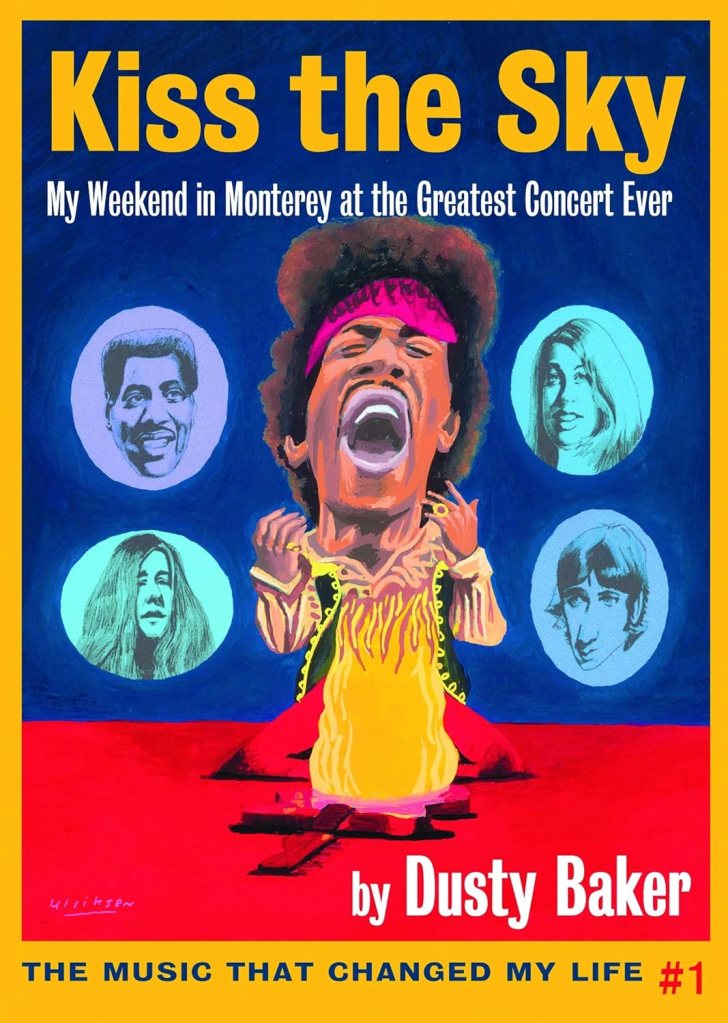
== Steve Kettmann, who assisted Baker in framing his words and memories for this project, also cooked up a cool project in 2015 titled, “Kiss The Sky: My Weekend in Monterey at the Greatest Concert Ever.”
Kettmann says in a Q&A with AwfulAnnouncing.com about the process involved here: “It’s Dusty’s book, written by Dusty Baker. I helped him write it. I’ve ghostwritten books. Being a ghostwriter is different. With Jose Canseco, we did a book called Juiced about steroids, and that one was ghostwritten, where you’re telling the story but not working together in a collaborative way like Dusty and I did. It’s just different. It’s a greater degree of involvement and really thinking through all the elements of storytelling. … (the biggest challenge was) stamina. The book is 162,000 words. My first book, One Day at Fenway, was probably about 81,000 words. I think Juiced was about 80,000 words. Baseball Maverick, about Sandy Alderson, was about 100,000 words. In general, books are getting shorter, and our publisher definitely didn’t want us to go over 100,000 words. This book is like a double album. It’s not just writing. It takes longer to develop chapters, edit, and review. Dusty and I both got pretty exhausted, to be honest. You want to maintain attention to detail, accuracy, and thinking things through.”
== Kettmann adds in a piece he wrote for the Santa Cruz alternative weekly Good Times: “He’s California through and through, in a lot of different ways. When it came time to pick a voice actor to do the audio version of his book Crossroads, he commented to me that they ought to pick someone with a California accent. A lot of East Coast people don’t even know what we mean when we talk about a California accent, because it’s a way of speaking that tries to connect people, not make them feel excluded. …”
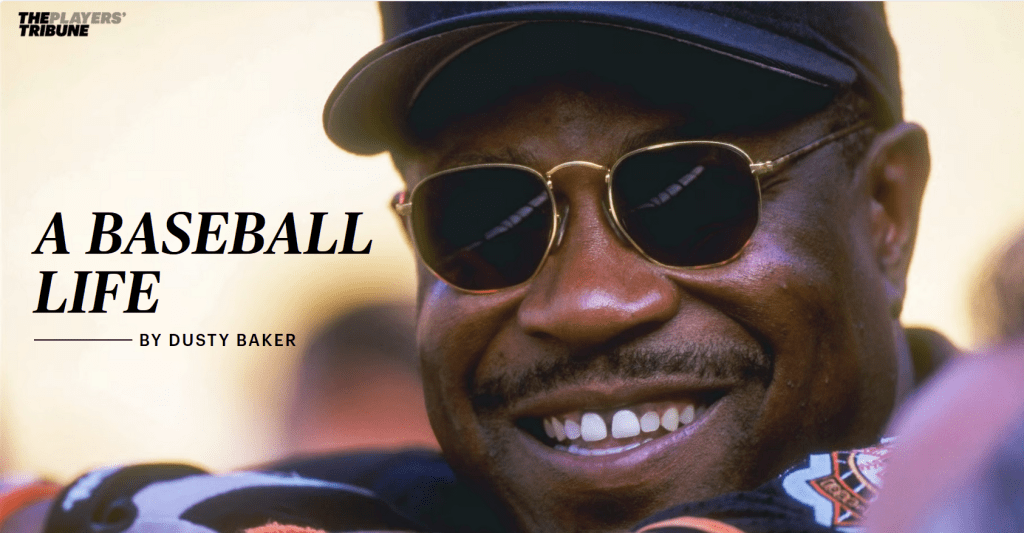
== Baker’s piece for The Players’ Tribune in 2024 called “A Baseball Life” may have helped lay the groundwork for some of the chapters/thoughts he brought forth in “Crossroads.”
== USA Today’s Bob Nightengale, as he often does, landed this story on Baker in early April that whet the appetite for the book’s release — and reveal a story about Baker, included in the book, about the duty he feels to work with the homeless.
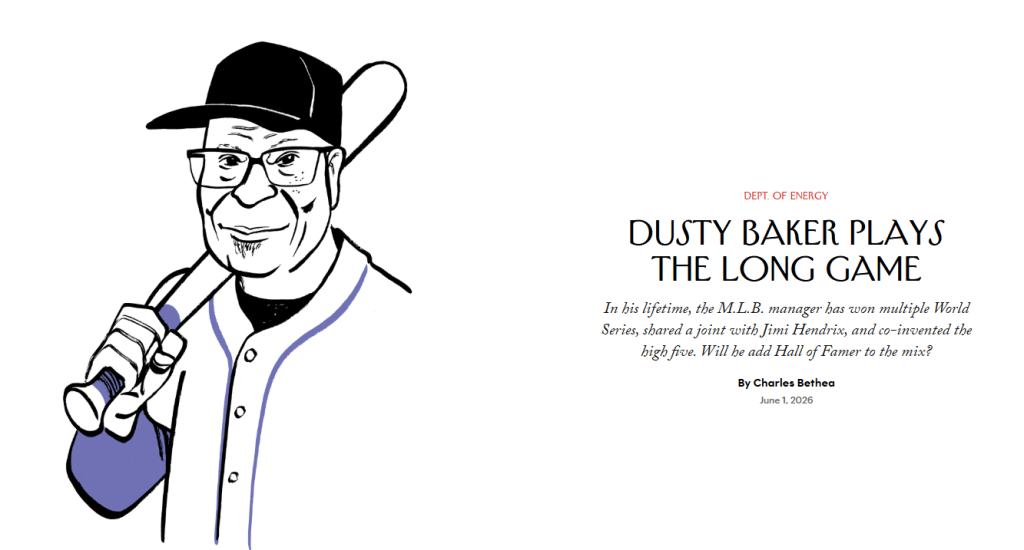
== A review from The New Yorker’s Charles Bethea: “Baker likes hanging out. He calls it a ‘lost art.’ He suggested hanging out in the Sacramento sun. … He motioned toward two stone turtles (‘sign of long life’) and a pool fed by a waterfall made from rocks delivered to him, he explained, by ‘some hippies who said the rocks whispered to them.’ … He arrived at a chunk of Sierra gray granite, about four feet tall. Benches surrounded it. ‘This is my Dobie Gillis Think Rock,’ Baker explained. ‘Dobie was this dude that was a beatnik in this sitcom when I was a kid. That was before the hippies.’ In the credits, Dobie posed by Rodin’s ‘The Thinker.’ ‘I put it here when I built my house,’ Baker said. ‘It changes colors with the sun. It changes with the rain.’ He touched the warm rock. ‘Dude, that’s what it’s about,’ he said. ‘Energy.'”
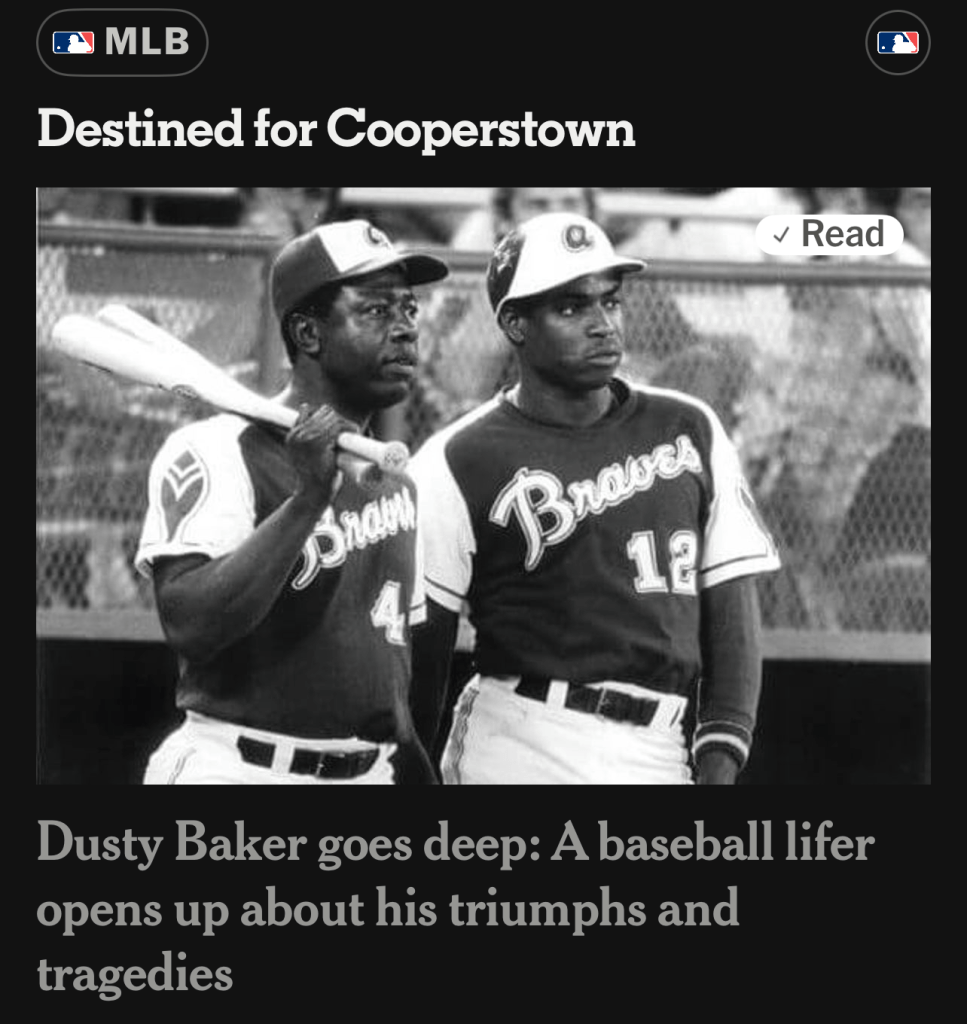
== A review from The Athletic/New York Times’s Daniel Brown: “What makes this (tour of his house) — and “Crossroads”— so much damn fun is that Baker has a personal connection to nearly every face hanging in this 9,000-square-foot home. Some people name-drop. Baker name-storms. … Baker’s collection (of photos on the wall) feels like a cross between the Immaculate Grid and “Hollywood Squares.” One of his display cases features a signed baseball from singer Chris Isaak next to one from former Giants infielder Hal Lanier next to one from model Cindy Crawford next to one from boxer Joe Frazier to … wait, how do you know “Magnum P.I.?”
== A review from The San Francisco Chronicles’ Ann Killion: “Baker always knew he had a story to tell. ‘But if I was going to do it, I was only going to do it when I was done,’ Baker said over a recent lunch near Oracle Park. ‘People can hold grudges if you tell your version of the truth.’ It’s hard to find a person with a grudge toward Baker, one of the most beloved people in all of sports. Spend a few hours with him and it seems that everyone knows him — the cooks in the kitchen, the parking attendants, the folks on the street — and feels a personal connection.”
== In late May, ’26, Baker appeared at an event in his hometown of Sacramento to promote the idea that the city was ready to have its own Major League Baseball team after having baby-sat the transitioning Oakland Athletics as they await a Las Vegas residency. “They had balloons, baseball caps and a splashy video,” wrote the Los Angeles Times’ Bill Shakin. “They even had Dusty Baker, because any day with Dusty Baker is a good day. “
== Ever see Baker when he showed up for this NBC day-time game show called “Just Men,” hosted by Betty White? It lasted just a couple months in 1983. The manliness of it wasn’t easy to watch as women contestants competed to see what they knew about well-known males. The sexual tension was …. creepy. The Washington Post’s Tom Shales review called it “the litmus test for people who think the TV show that can make them physically ill hasn’t been invented.”
== Our inclusion of Baker in our SoCal Sports History 101 series for the post dedicated to No. 12.
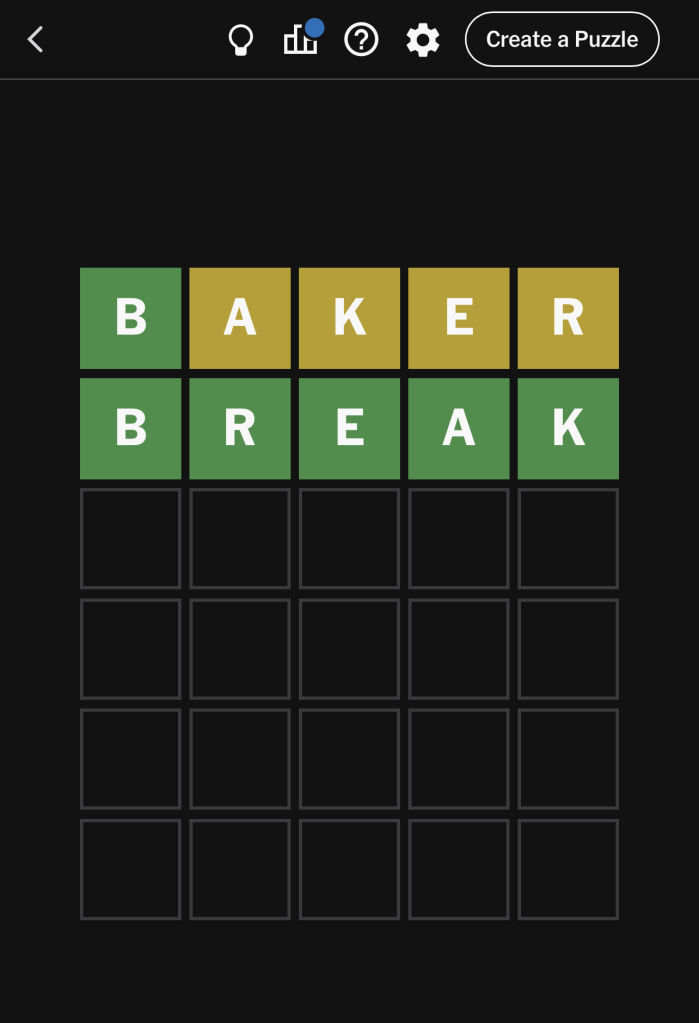
== Finally: Here’s a secret hack we’ve discovered lately for the New York Times’ Wordl puzzle.
Consider plugging in “Dusty” or “Baker” to start the five-letter word game, as your wit determines. Who else do you know that has a first and last name that fits this daily exercise?
This first occurred to us on May 19, when “Dusty” was the actual answer — and we were immersed in a review copy of the book.

So on May 20, we started with both names — and it helped solve the puzzle in three:

A repeat on the next day, May 21 — and we solved it in two.
Agree yet with this premise?

And this, on June 12 … Another breakthrough:


1 thought on “Day 18 of 2026 book reviews: Life lessons baked into the journey”