"Everything comes to him who hustles while he waits." — Tommy Edison
Author: fartheroffthewall
Tom Hoffarth is a sports journalist in Los Angeles, born and raised (reared is the correct phrase, but it just sounds wrong) and specializing in the sports media business. A USC graduate from the School of Journalism (it still exists, somewhat) in 1984, he is also available for service at https://www.linkedin.com/in/tomhoffarth/
Kobe Bryant: Los Angeles Lakers Walter Alston: Los Angeles Dodgers Freeman McNeil: UCLA football Dwayne Polee: Manual Arts High basketball
The not-so-obvious choices for No. 24: Marion Morrison: USC football
The most interesting story for No. 24: Kobe Bryant: Los Angeles Lakers guard (2006-07 to 2015-16) who also wore No. 8 (1996-97 to 2005-06) Southern California map pinpoints: Los Angeles (Staples Center), Long Beach, Newport Beach, Thousand Oaks
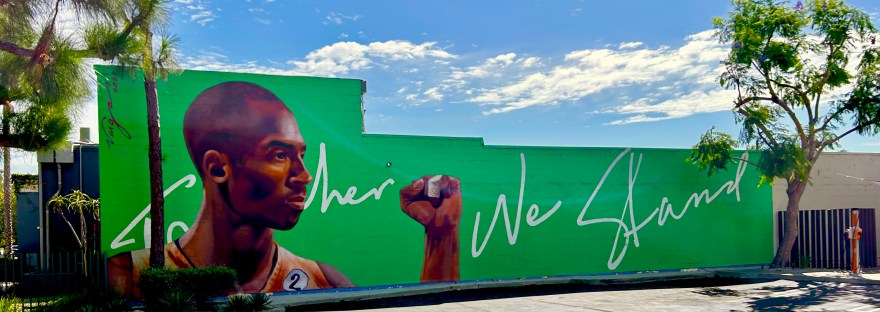
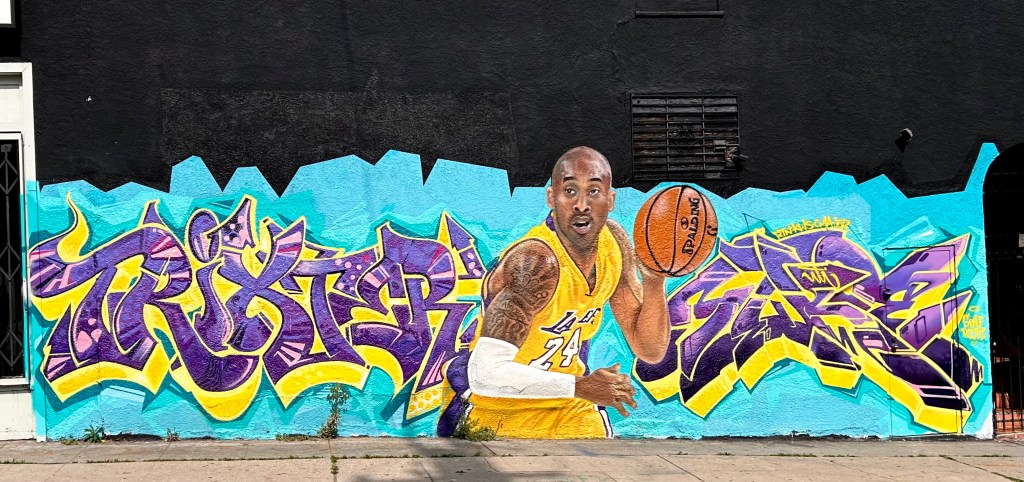
Above: Preparations for a Kobe Bryant mural at 1299 West Blvd., near the corner of Pico Ave., in Los Angeles (via Google Maps). Below: The finished product.
Momba murals, we have come to call them, are brilliantly splashed across the sides of hotels, apartment complexes, auto-part dealers, pawn shops and abandoned warehouses.
Whatever happens to bring artistic inspiration. And a drive to finish it.
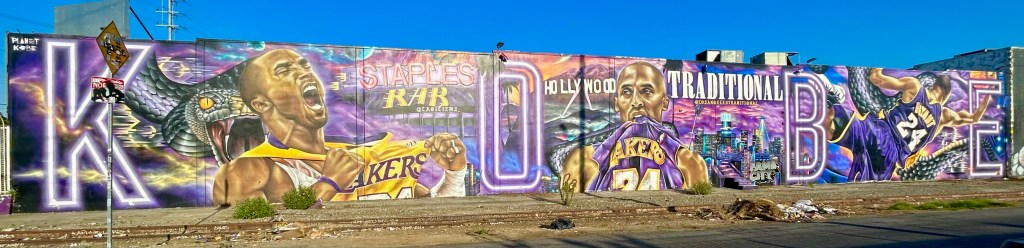
A Kobe Bryant mural created on the side of the Traditional Dispensary canibus store in a highly industrial part of Los Angeles on Olympic Boulevard near Alameda Avenue, visible along a stretch of railroad track.
They provide varied interpretation, a longing for artists wanting to honor Kobe Bryant and, often, his daughter, Gianna as well.
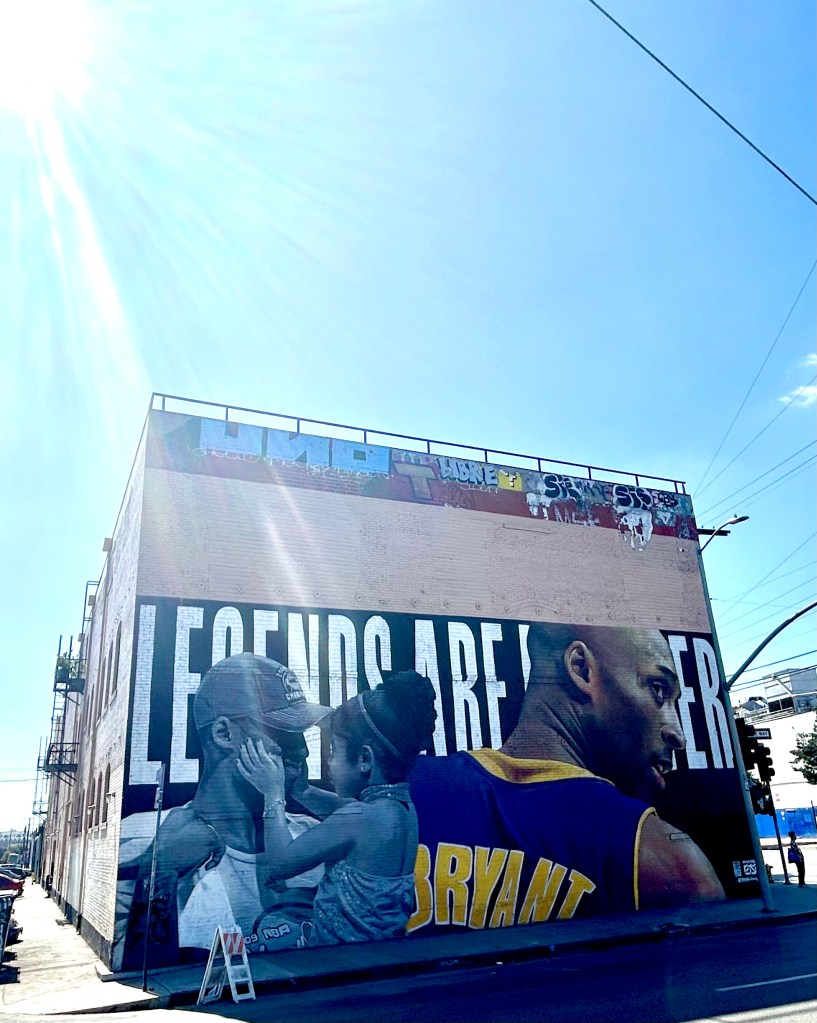
A sun-splashed mural of Kobe and Gianna Bryant on 4th Street in the Little Tokyo/Boyle Heights neighborhood of Los Angeles, between Alameda and Seaton.
They have become as much a part of the city’s artistic canvas as much as a place to stop and reflect, to ponder “what if” as well as what was. To channel something even more than our eyes can take in.
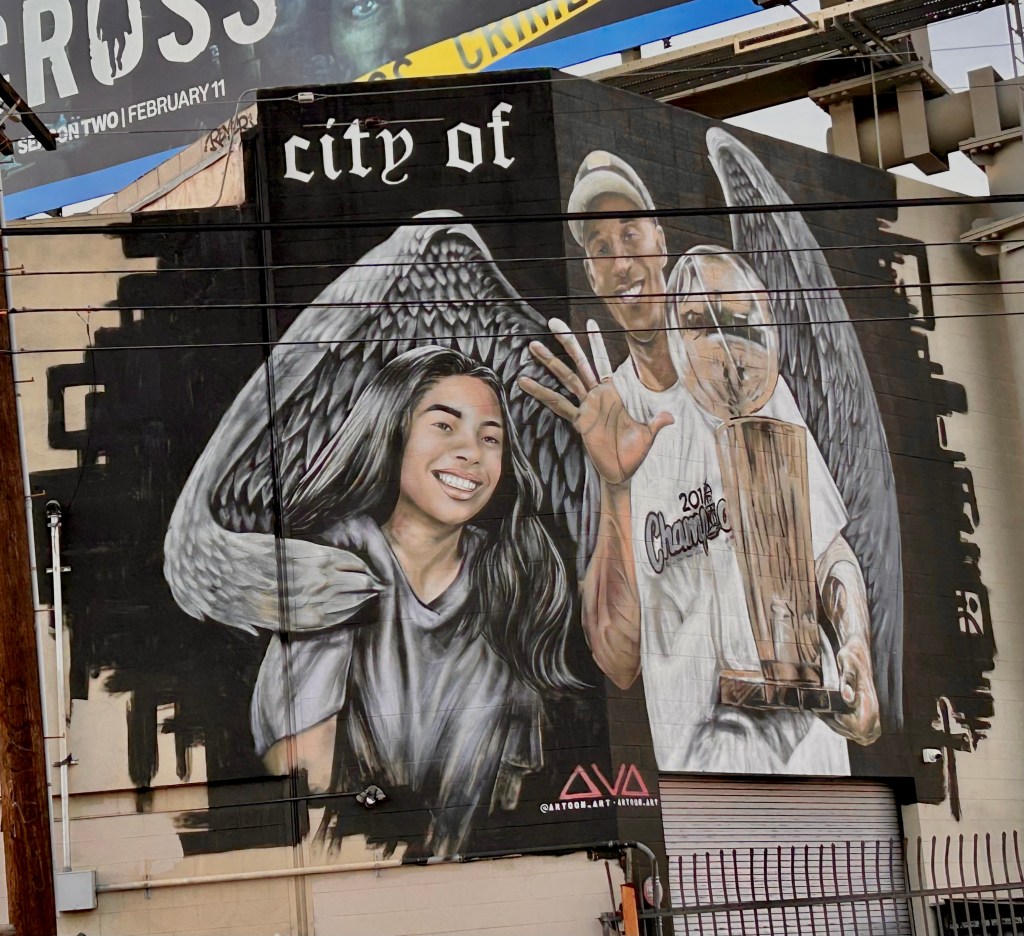
On Venice Blvd., in Los Angeles near the intersection of La Cienega Ave.
They have become a coping mechanism, first for the artists who deigned them as an expression of grief mixed with tribute. And then a relief for pedestrians or those who catch a glimpse in a car passing. They’re too large to miss, too important to ignore, too many to embrace perhaps without feeling overwhelmed.
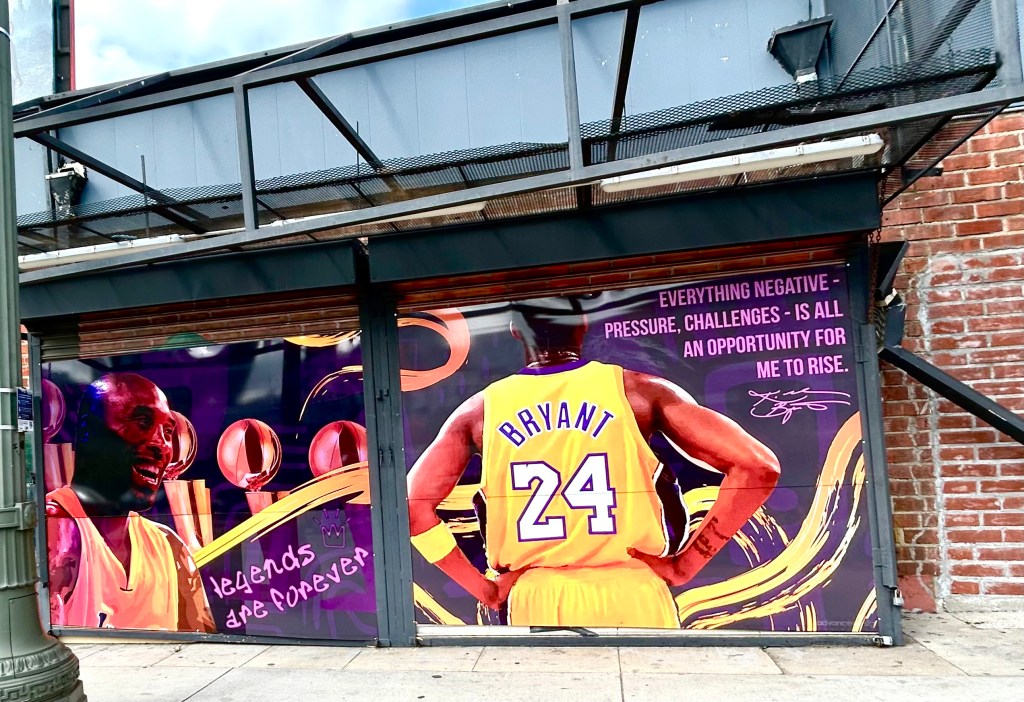
At what was once a vibrant newsstand on the corner of Beverly Glen Blvd., and Santa Monica Blvd., this mural covers the spot.
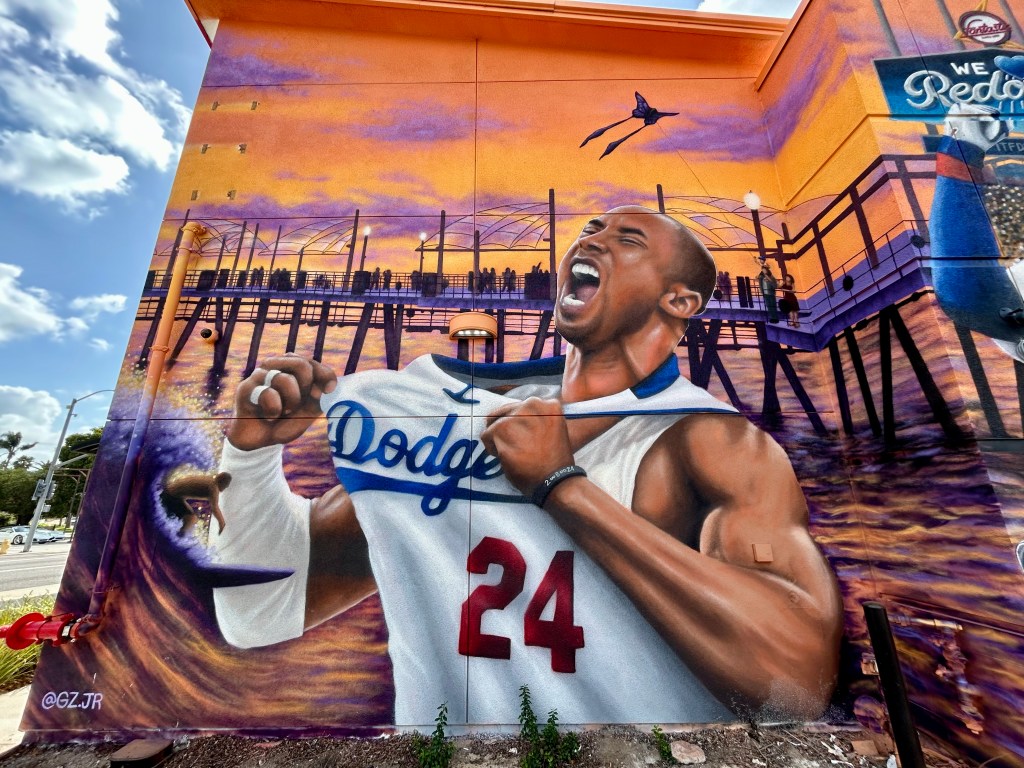
One of Bryant hoisting an Academy Award, lined up against his NBA title trophies. Two of them at the world-famous Venice Beach near their outdoor courts. Another wearing a Dodgers’ No. 24 uniform and sharing space with Shohei Ohtani.
A mural of Kobe Bryant wearing a Dodgers’ No. 24 uniform as part of a larger mural with Dodgers players at a drive-through hamburger stand in Redondo Beach on Pacific Coast Highway includes Bryant wearing a black wristband that honor the numbers 2, 8 and 24.
“Kobe and Gianna Bryant are everywhere in Los Angeles,” Vanessa Bryant writes in “Mamba & Mambacita Forever,” her 2025 book. “They watch over pickup games in Venice. They light up the interminable traffic on La Brea and take up an entire block in Elysian Valley; they hover Inglewood, Downey, Glendale and Hollywood. Their faces have become part of Los Angeles.”
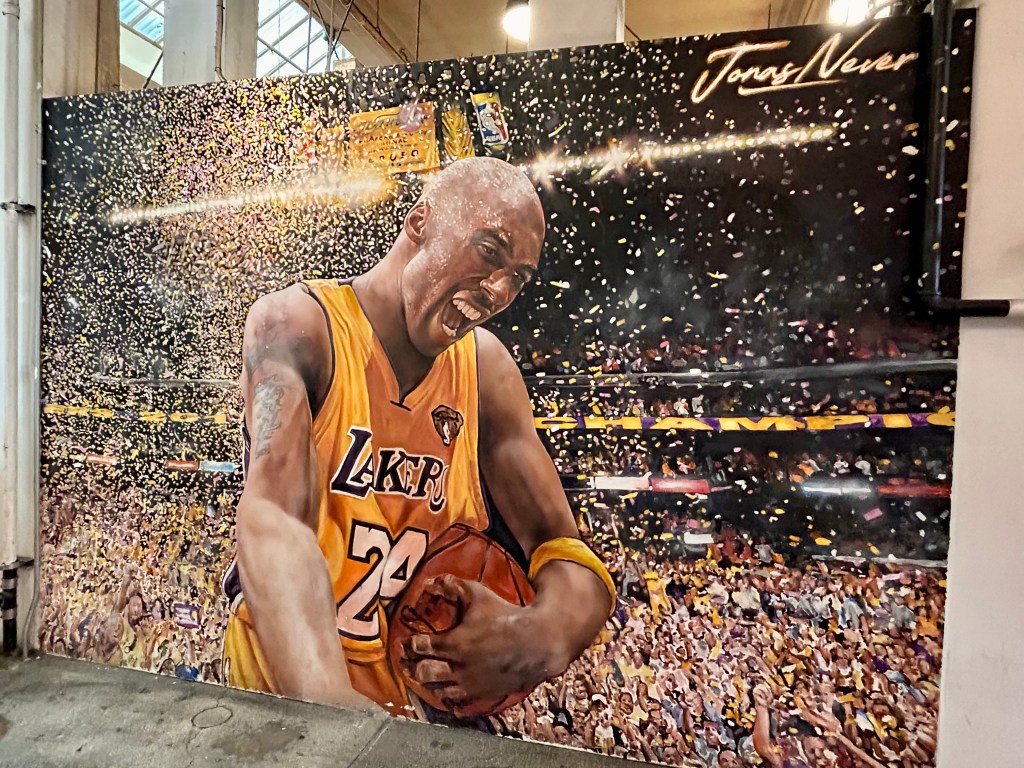
Inside a bustling Grand Central Market on South Broadway, one can stop and admire this Jonas Never mural with a Villa’s Taco sampler trio plate in one hand and an Oaxacan Horchataan in the other.
They aren’t numbered and catalogued as if part of a unique L.A. County art gallery. They are free public art. No. 24, No. 8, No. 2. Those numbers matter most.
Vlade Divac, Los Angeles Lakers Charles White: USC football Dusty Baker: Los Angeles Dodgers Tommy Davis: Los Angeles Dodgers James Harris: Los Angeles Rams Juju Watkins: USC women’s basketball Dwight Howard: Los Angeles Lakers Puca Nacua: Los Angeles Rams
The not-so-obvious choices for No. 12:
Gerrit Cole: UCLA baseball Denise Curry: UCLA women’s basketball Joe Namath: Los Angeles Rams Pat Riley: Los Angeles Lakers Randall Cunningham: Santa Barbara High football
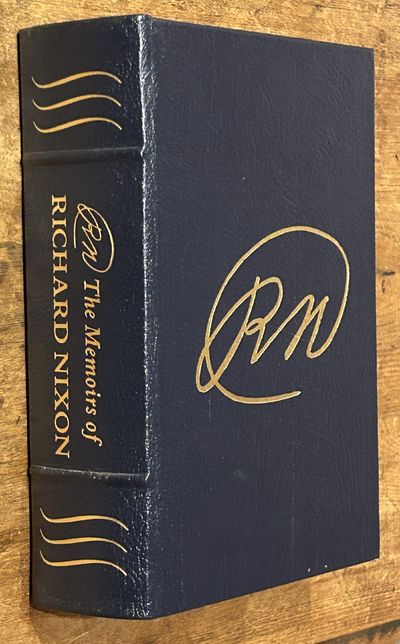
The most interesting story for No. 12: Richard Nixon:Whittier College football offensive tackle (1930 to 1933), via Fullerton High and Whittier High Southern California map pinpoints: Yorba Linda, Fullerton, Whittier, San Clemente
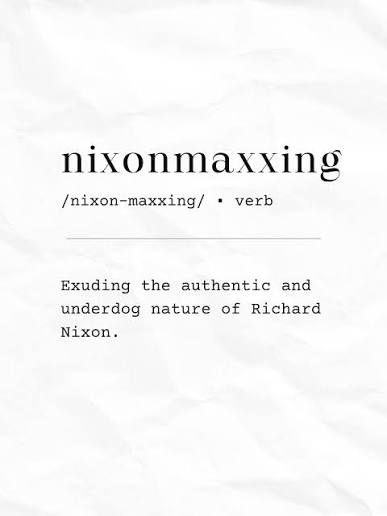
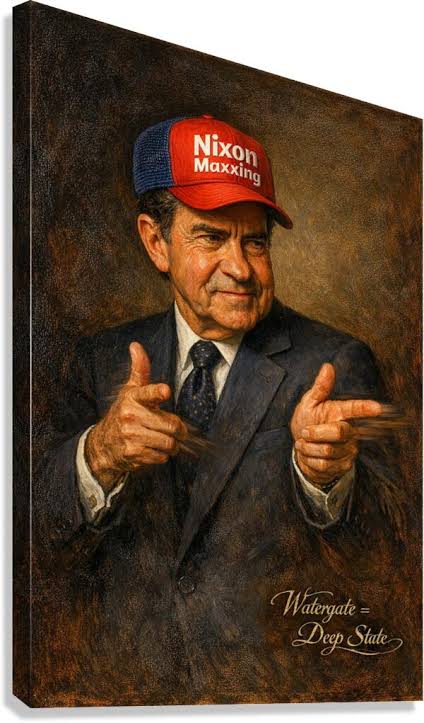
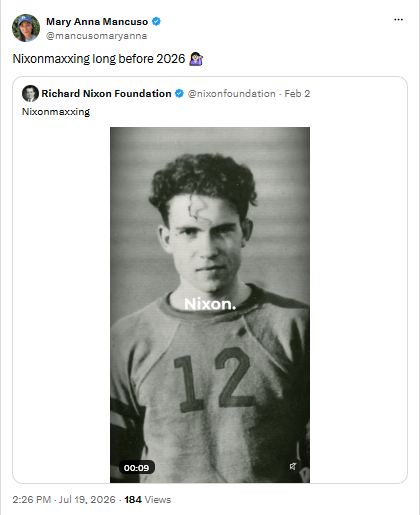
Richard Nixon was having a viral Instagram moment in the spring of 2026. An alert to a story posted on LAMaterial.com warned: “Gen Z is Nixonmaxxing hard af.”
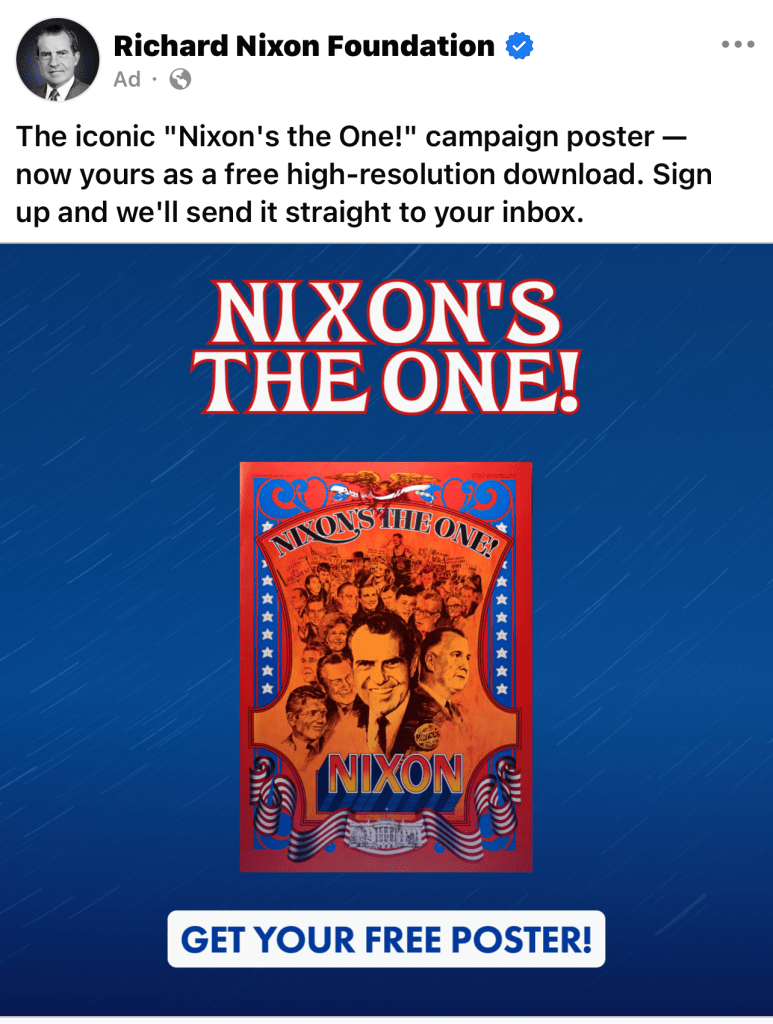
The Richard Nixon Foundation, a nonprofit that runs the Nixon Presidential Library in Yorba Linda jointly with the federal government and committed to “carrying the legacy and vision of President Richard Nixon into the 21st century,” had cranked out a steady stream of steamy viral content — sleek, sexy edits of archival footage, set to trendy music.
It looked more like promo material for a hip-hop artist than a once disgraced, long-deceased president. Gen Z-coded videos showed Nixon leading crowds of suited men to Biggie’s ‘Hypnotize,’ and delivering speeches in packed stadiums to ‘WE ON GO’ by the rapper BIA, wrote Tomo Chien. In the videos, Nixon projects what one commenter called “absolute aura.”
The foundation more than doubled its Instagram following to 105,000 from 2025. A limited run of “Nixonmaxxing” hats quickly sold out.
“Alternative histories of Watergate are as old as the scandal itself,” Chien added. “Theorists across the political spectrum have long suggested, without solid evidence, that the infamous burglary was staged by the CIA in an effort to oust Nixon, or that the ensuing scandal was largely the work of vindictive deep state actors who wanted him out. But the Gen Z-focused content by the Nixon Foundation epitomizes a new strain of Watergate revisionism that began around the start of Donald Trump’s first presidency.”
In a New York Times Q&A headlined “Why Is MAGA Swooning Over Richard Nixon?” author Geoffrey Kabaservice, who wrote “Rule and Ruin: The Downfall of Moderation and the Destruction of the Republican Party, From Eisenhower to the Tea Party,” framed it this way:
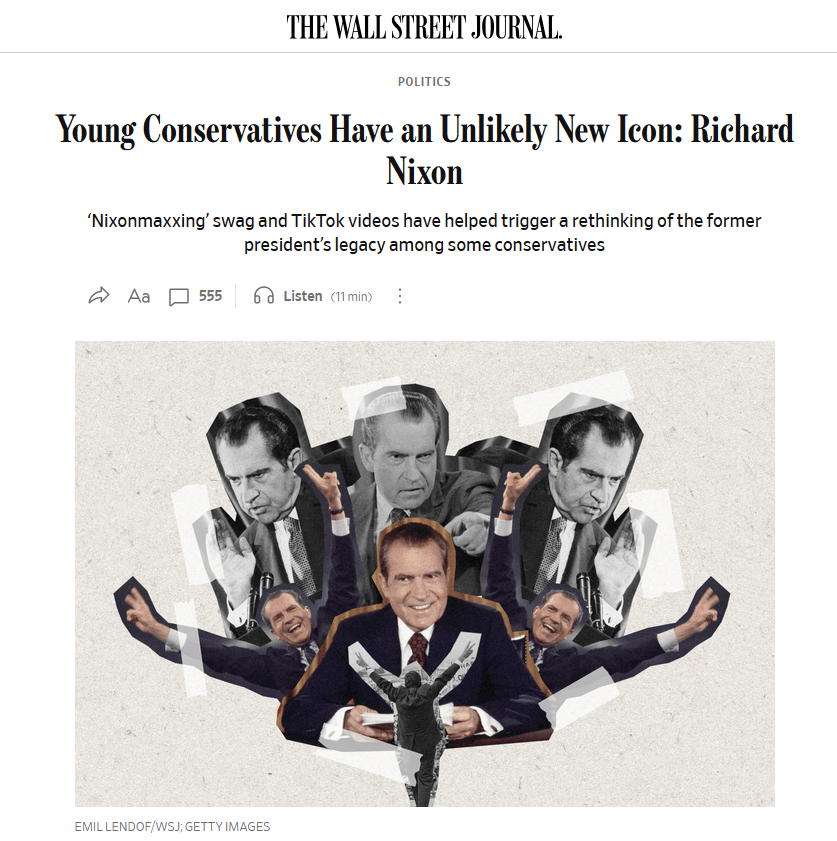
” ‘Nixonmaxxing,’ as I first read about it in The Wall Street Journal, really is a kind of vibe more than it is a genuine attempt to rehabilitate Nixon’s legacy … Nixon is an important figure for the Republican Party to think about as it gropes its way toward a post-Trump future. Nixon was a realist — détente was in many ways a recognition of the limits of American power — and at his best he understood that politics in a two-party system has to involve negotiation and compromise with people who disagree with you.”
T0 show how Nixon was a “complicated leader who thought and acted in ways we would consider both conservative and surprisingly progressive,” Kabaservice pointed out that Nixon did more than predecessor Lyndon B. Johnson to desegregate Southern schools and establish federal affirmative action programs. Presidents Bill Clinton and Barack Obama acknowledged that their national health insurance proposals were built upon Nixon’s innovative 1974 health care proposal. Nixon’s administration created the Environmental Protection Agency and signed into law the Occupational Safety and Health Administration in 1970. He added the Consumer Product Safety Commission to the executive branch.
But … in his more vindictive moments, Nixon once explained to journalist David Frost in a post-presidential 1977 interview: “Well, when the president does it, that means that it is not illegal.”
To the point that vice president JD Vance downplayed Watergate as an “idea that it would have taken down a presidency is crazy,” Kabaservice agreed only in that it would be a “12-hour news story” rather than a scandal bringing down an administration because it had “less to do with the courts than with the way that our political parties have become intensely partisan and polarized.”
Kabaservice summarized: “I confess to having a great deal of sympathy for Nixon just on a human level. Of all of our presidents, he may have been the most brilliant and the most tormented. … If anything, many conservatives have come to appreciate Nixon more in retrospect because of — not despite — his actions in the Watergate scandal. Trump’s Nixonian willingness to act ruthlessly against his Democratic and deep-state enemies is at the core of his appeal to many of his supporters: ‘He fights!’ “
So where did Nixon’s ruthless fight come from?
The Nixon Foundation might mine and remaster more files related to Richard Nixon, athlete.
Sports weren’t just a way to scratch his competitive itch. Wins, losses and Christian Dior neckties from Bloomingdales were something that framed his execution plans, somewhere in cliches between “it’s all in how you play the game” to “if you’re not cheating you’re not trying.”
In the political arena, Nixon’s disdain for being labeled a loser led to his ultimate downfall. Place the blame, or credit, to the sporting live he grew up around in Southern California.
Victories were unimpeachable in Richard Milhous Nixon’s view of life and legacy.
In losing the 1960 Presidential Election to John F. Kennedy, the scoreboard shows he came up short by a mere 0.17 points in the popular vote. Nixon only lost the 1962 California governor’s race by five points. Neither came with allegations of improprieties or fraud.
None of this would define him. Even after he declared to the media after that gubernatorial defeat that “you won’t have Nixon to kick around anymore,” he made a comeback of epic proportions.
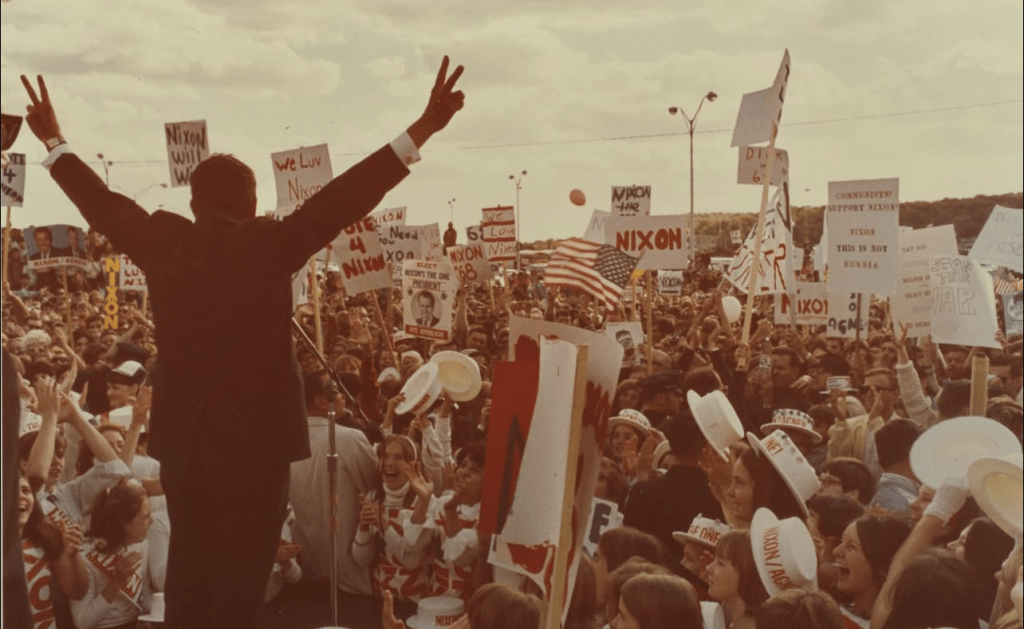
Winning the 1968 presidential election allowed Nixon to go into victory formation. Four years later came a landslide re-election where won by nearly 18 million votes.
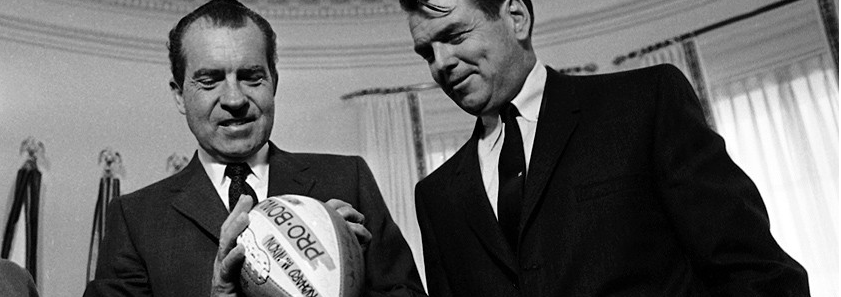
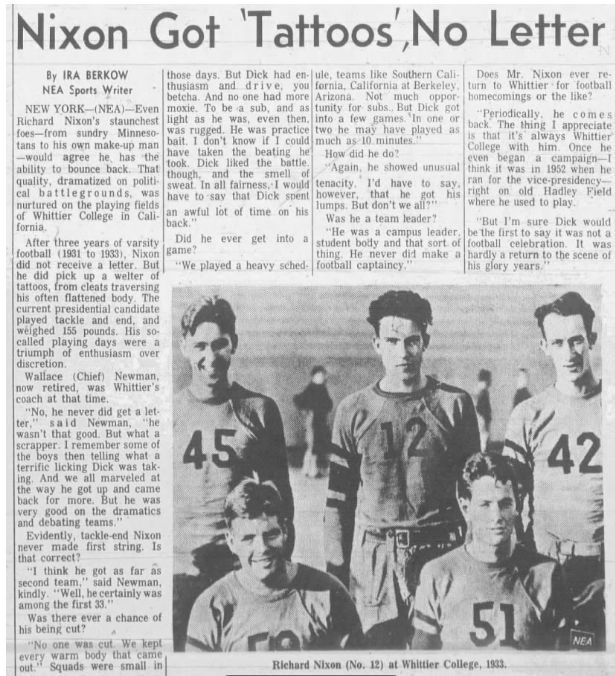
The 37th president, we dutifully note, once wore Nos. 12 and 23 for the Whittier College football team. Photos back it up. No AI involved.
Born on a lemon ranch in Yorba Linda in 1913, Richard was the name given to him by his parents in honor of Richard the Lionheart, the former King of England whose 10-year run as a fearless military leader cemented his legacy during the Third Crusade. Sure, he was eventually imprisoned by his enemies, paid a ransom, returned home, went back into another battle and retreated into exile. But he was also remembered as a lyric poet and a hero of troubadours.
Nixon was 12 years old when he was discouraged by doctors from playing sports because a spot was found on his lung, and the family had a history of tuberculosis — an older and younger brother died from it. It turned out to be just scar tissue from an early bout of pneumonia.
Nixon grew up at a time he would later refer to as being surrounded by “forgotten Americans, a “silent majority” of hard-working church folks just chasing a dream. Like him.
He made the JV football at Fullerton High, and claimed he and future Baseball Hall of Famer Arky Vaughn played Pee Wee Football together. When Vaughn was posthumously voted into Cooperstown in 1985, Nixon informed his daughter that while he was just a backup tackle on the Fullerton JV team, Vaughn was the star halfback, someone who was “fast, hard-nosed and even then a real professional.”
When Nixon transferred closer to home to attend Whittier High at the start of his junior year, the best he could do was attach himself as a student manager for the athletic teams. He wrote in an autobiography that he ran for class president there there was a sting in losing to a classmate who was “an athlete and personality boy.”
At the start of the Great Depression in 1930, Nixon wanted to go to Harvard or Yale, but stayed closer to home and pursued a history degree at Whittier College. The NCAA Division III private school east of Los Angeles was founded in 1887 and took its nickname, the Fighting Poets, from Quaker poet John Greenleaf Whittier.
Nixon’s more celebrated victories would come on the Whittier debate squad, but he could also show there was more to his grit that could be shown on football, baseball basketball and track teams, all of which he at least tried out with.
Bob Waterfield: UCLA football; Los Angeles Rams Steve Yeager: Los Angeles Dodgers Lamar Odom: Los Angeles Clippers; Los Angeles Lakers Matt Barkley: USC football Don Rogers: UCLA football
The not-so-obvious choices for No. 7:
Todd Marinovich: Mater Dei High football, Capistrano Valley High football Mark Harmon: UCLA football Jay Schroeder: UCLA football Kemer Brett: El Segundo High baseball George Brett: El Segundo High baseball Andrew Shue: Los Angeles Galaxy
The most interesting story for No. 7: Todd Marinovich, Santa Ana Mater Dei High School and Capistrano Valley High football quarterback (1985 to 1989), USC football quarterback (1988 to 1990), Los Angeles Raiders quarterback (1991 to 1992), Los Angeles Avengers quarterback (2000 to 2001) Southern California map pinpoints: Mission Viejo, Santa Ana, Los Angeles (Coliseum, Staples Center), Newport Beach, Irvine, Indio
Proceed with caution if Todd Marinovich is your poster boy for youth sports’ ultimate “cautionary tale.” It’s old news at this point.
Going back to his time as a high school quarterback in Orange County and setting California state high school passing records, Marinovich would end up finding more extreme highs and lows playing at USC, then the NFL’s Los Angeles Raiders, a return to L.A. for a time with an Arena League team to support a drug habit, and eventually landing on a Palm Springs football field near the age of 50 still trying to find himself.
But the national narrative starting with him as “Robo Quarterback” or “Bred to be a Superstar” seems too simplistic all this time later.
A tale as old as time, this needs a refresh.
In a 2019 piece for the Chicago Tribune, Rick Telander cozied up to the “cautionary tale” reference dissecting Team Marinovich and all that happened in the public eye:
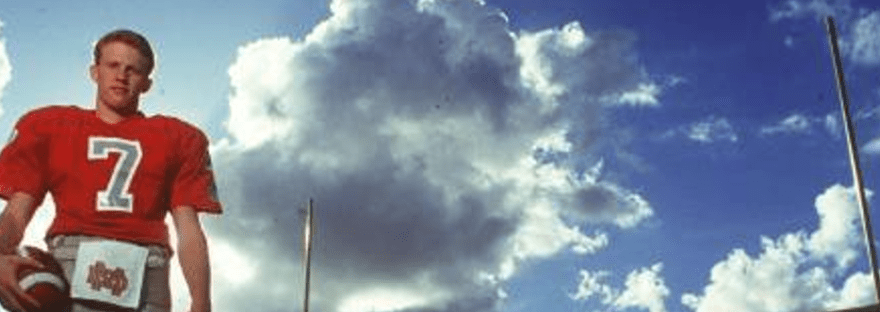
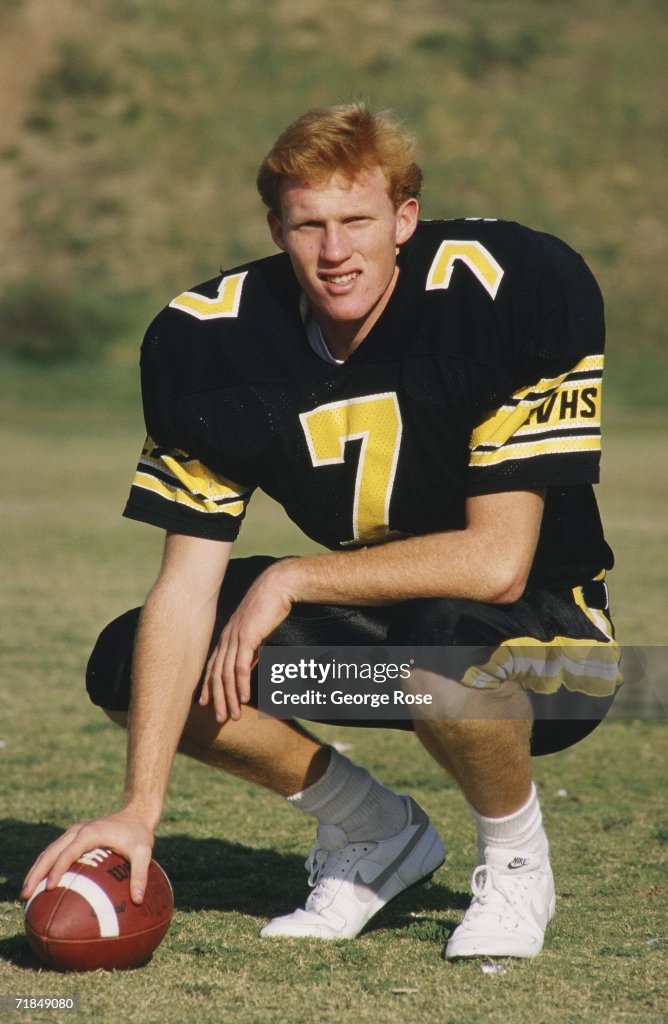
Todd Marinovich at Capistrano Valley High School in 1987. (George Rose/Getty Images)
“You’ll recall that Todd was the young man manipulated from birth (actually pre-birth) by his father to be the best, purist, greatest quarterback the world had ever seen. Marv had played football at USC, and he wanted, for reasons buried deep within his own inadequacies, to create a boy who would have the sporting genetics for quarterbacking and be trained incessantly, focused unfailingly and driven like a sled dog toward the apex of the country’s most popular game.”
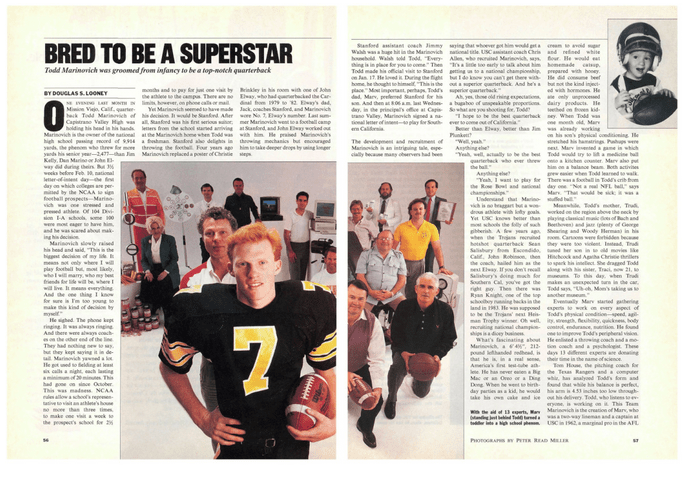
Telander had just read something in Sports Illustrated by Michael Rosenberg titled “Learning To Be Human Again.” As if Marinovich was in some reverse metamorphic process. Rosenberg made a purposeful revisit to the 1988 Sports Illustrated spread Doug Looney laid out titled “Bred to be a Superstar” that magnified the whole social science shebang and led to judgement of the Marinovich Parental Method as a doomed-to-fail methology.
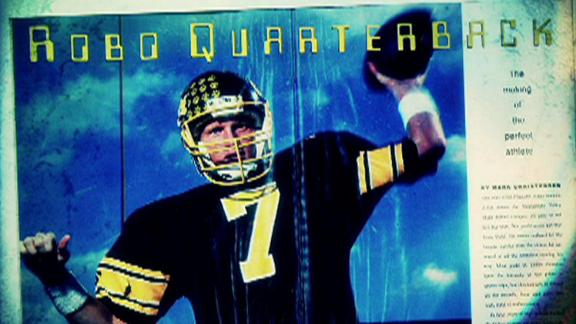
Before that piece, California magazine had dropped the headline “Robo QB: The Making of the Perfect Athlete.” A People magazine profile in 1987 followed.
That was the fragile framework created for Todd Marinovich, no matter where he went from there. The poor kid, readers could easily conclude. Talented, kind-hearted, fun-loving, well mannered. Able bodied.
Call Child Protective Services.
We seem to have the idea that one who is abused and manipulated as a kid is set up to abuse himself later in life and continue a genetic pattern of human frailty. Unless that person figures things out with help, counseling and avoiding some sort of tragic ending.
But Todd Marinovich can explain better how it happened with him as a willing participant, trying to navigate the life of a high school kid in full media spotlight, and how it really turned out.
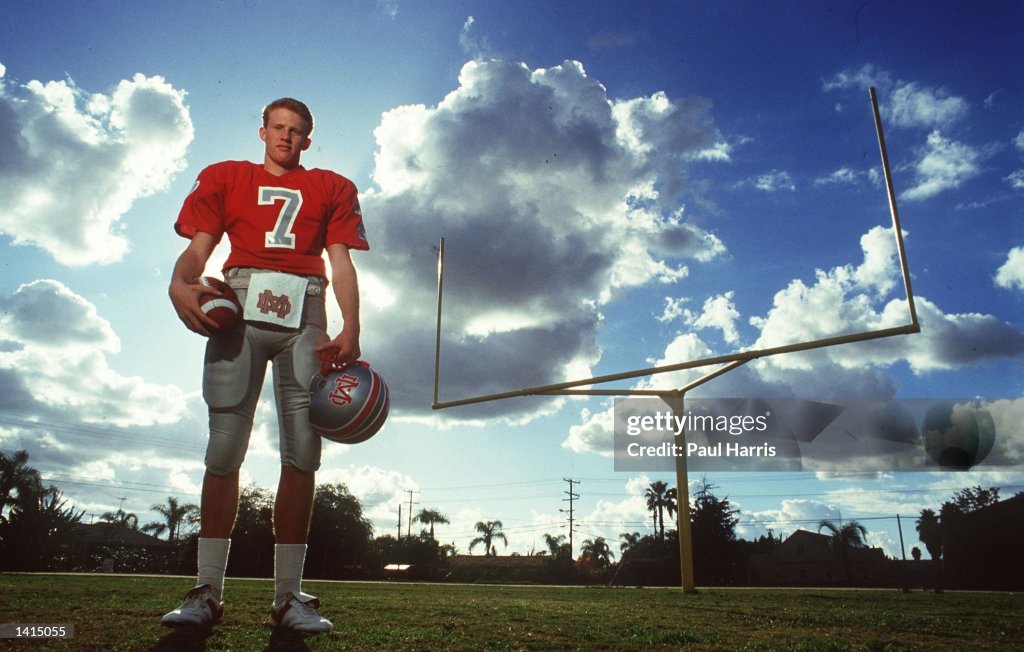
Todd Marinovich as a Mater Dei High School quarterback in 1986 in San Juan Capistrano. (Paul Harris/Getty Images)
That Todd Marinovich was born on the Fourth of July in 1969 may have added to the storyline that started with him on a All-American pathway.
He played a lot of sports, perhaps exceeding most in basketball, but football would be the real test. First were the years at Mater Dei High in Santa Ana, a football factory that had produced Heisman Trophy winners before and after Marinovich’s brief appearance there. That was followed by a surprise transfer to Capistrano Valley in Mission Viejo.
The switch to Capo Valley by his father Marv would be one of things listed on his parents’ separation filing in the courts. Todd has no say in it. He would live with his dad an an in-law quarters at the house of head coach Dick Enright, likely a CIF violation.
While wearing No. 7, Marinovich went up against rival quarterback Bret Johnson in 1987 when ESPN televised its first-ever high school game, between Capo Valley and El Toro.
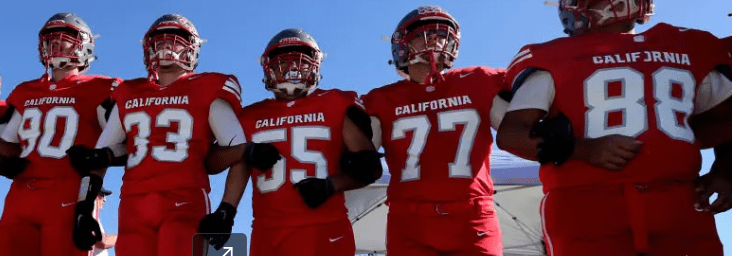
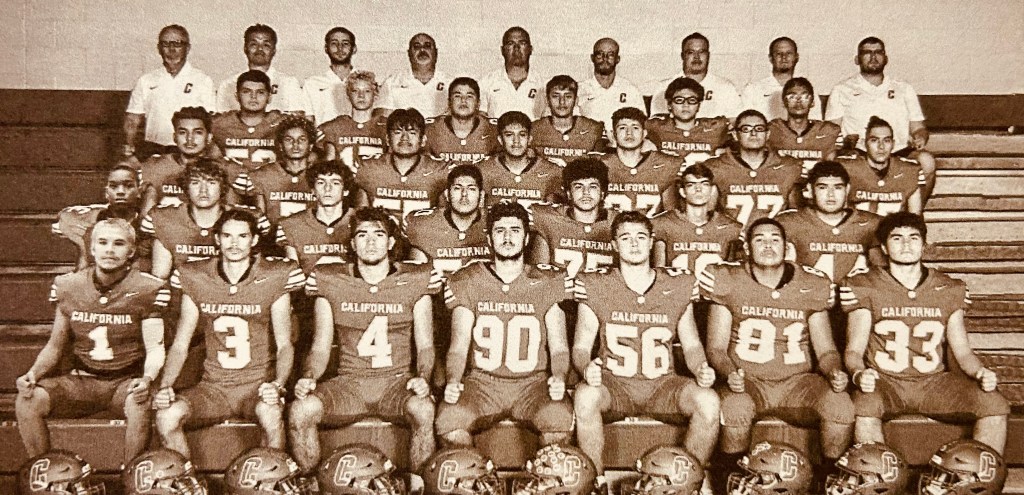
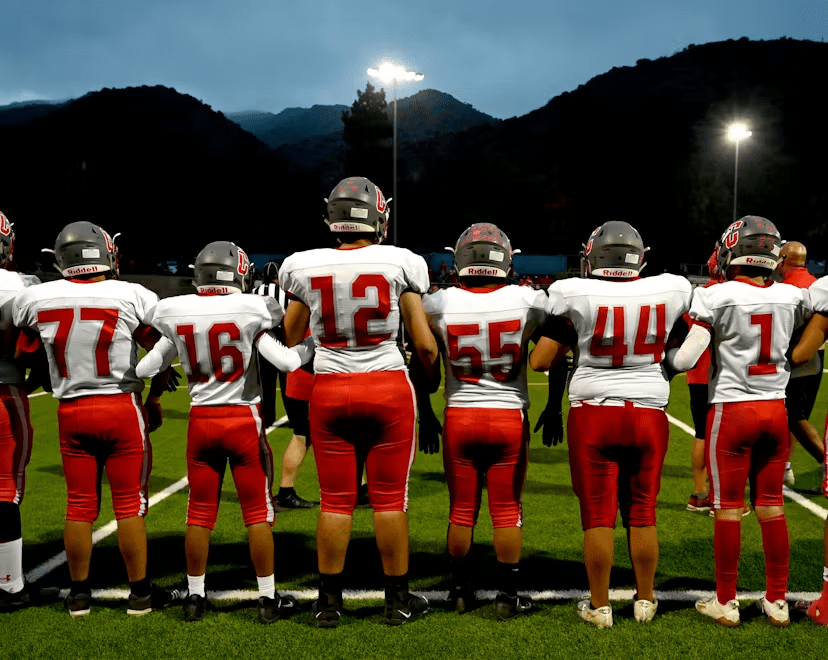
In the 2022 team photo of the California School of the Deaf Riverside high school football squad, No. 90 Andrei Voinea is front and center.
The starting center on the offensive line by season’s end, Voinea may not have been the most athletic or talented of a team that would go on to win a championship, but he was the biggest and perhaps the quickest learner, with a computer science mind and newfound appreciation for how he could converse with classmates.
The position of center who starts the play is vital, not only in an eight-man football alignment where the line works harder on protection after the snap. But, as the name of the school indicates, unique communicate is needed before and after the snap. It’s a skill set that starts in the school’s classrooms, social networking, and transfers to the football team’s collective success.
That photo also shows Trevin Adams, No. 4, the team’s quarterback/linebacker captain, next to Voinea. Adams is the son of the head coach, Keith Adams, up there in the back row, five in from the left. Trevin’s younger brother, freshman Kaden, was his backup at quarterback.
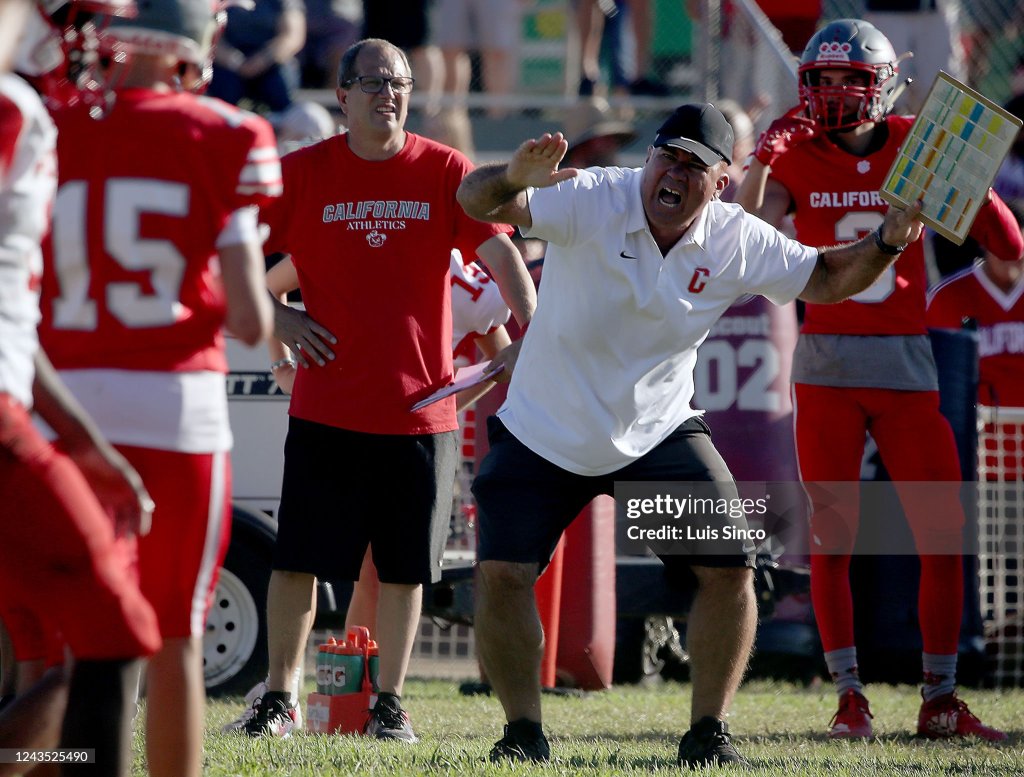
California School For The Deaf Riverside head coach Keith Adams explains a strategy to the team during a game against the Florida School For The Deaf and Blind on Saturday, Sept. 24, 2022, in Riverside. (Luis Sinco / Los Angeles Times via Getty Images)
Jory Valencia, No. 3, is next to Adams, the team’s 6-foot-3 senior captain at wide receiver and cornerback. His grandfather Seymour Bernstein came to the school in 1958 and coached football. His parents, Jeremias and Scarlett, both attended CSDR and excelled in sports, as did his older brother Noah and his uncles Joshua Valencia, Jonathan Valencia, Steve-Valencia-Biskupiak and Ethan Bernstein.
Next to Valencia is Felix Gonzales, No. 1, the team’s most outstanding player and another senior captain. By the end of the season, Gonzales was recovering from a leg injury and couldn’t make the team picture. The school deftly edited him in digitally for this team shot.
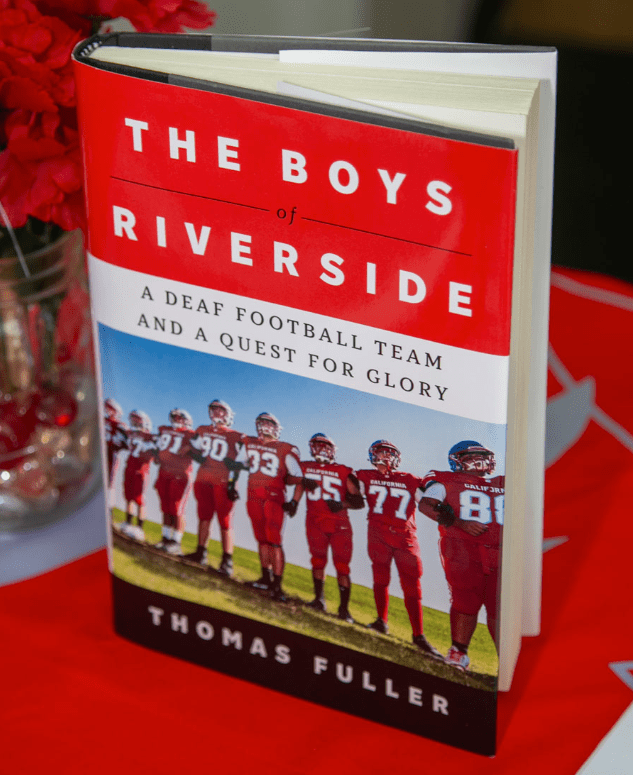
New York Times writer Thomas Fuller introduces Voinea and his teammates who, coming out of a COVID confusion that shutdown all the school’s sports, happened to be at the right place at the right time to make California School of the Deaf Riverside a rather improbable California Intercollegiate Federation (CIF) Southern Section champion.
“It was so quintessentially American,” Fuller, struck by the students’ perseverance, eventually described it to People Magazine. “A team that had endured seven decades of losing seasons was now beating the pants off of all their opponents.”
Listen as these Cubs roar.
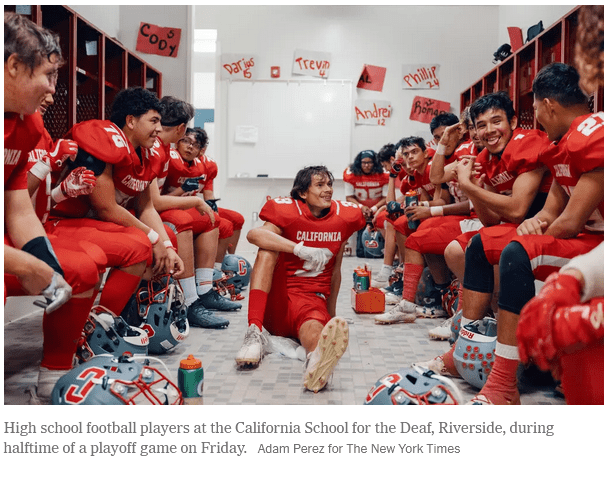
Above: Jory Valencia (3) sits in the middle of the locker room with CSDR teammates in a New York Times photo. On the wall behind them are posters of players’ names and numbers. One of them is “Andrei 12.” Voinea wore No. 12 as a junior (as well as when the team was on the road and needed a white jersey) because “Tom Brady was my favorite player in the NFL,” he said. He wore No. 90 more in his senior year, admitting “it sounds bigger and more fitting for my size, considering most of the big guys in the NFL chose higher jersey numbers.” Below: A photo of Voinea wearing No. 12 during a game at Avalon High on Catalina Island.
A year earlier, in 2021, the Cubs made noise as the first in the school’s 68-year history to advance to a section championship game. Scores of local and national media outlets came along for the ride and a storyline that was too good to pass on — a team of deaf players, at a school with more than 50 years of losing seasons, rose up out of COVID and did something remarkable.
Even though CSDR lost that title game, 74-22, to Faith Baptist of Canoga Park, the 2022 team went all the way on a 12-0 run, avenging the defeat with a convincing 80-26 win over the same Faith Baptist program.
Wayne Gretzky, Los Angeles Kings Aaron Donald, Los Angeles Rams Manny Ramirez, Los Angeles Dodgers
The not-so-obvious choices for No. 99:
Hyun Jin Ryu, Los Angeles Dodgers Denis Bouanga, LAFC
The most interesting story for No. 99: Charlie Sheen, as Ricky “Wild Thing” Vaughn, Cleveland Indians relief pitcher, from the movie “Major League” (1989) and “Major League II” (1994) Southern California map pinpoints: Santa Monica, Malibu, Hollywood
Carlos Estévez, Charlie Sheen and Ricky Vaughn walk into a bar …
The hope is at least one of them comes out alive.
This seems to add up to more than just two-and-a-half men, but the algebra and physics are far more complicated.
Carlos Estévez, as known to his friends when he grew up playing in Malibu Little League, the Pony-Colt transition time, and then on the Santa Monica High baseball team, was good ol’ Charlie. His true center.
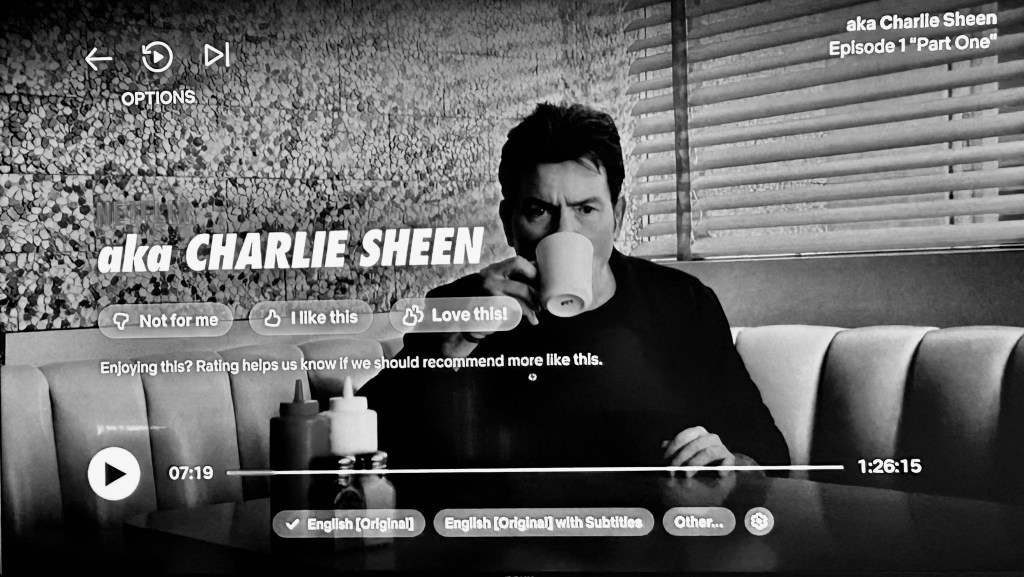
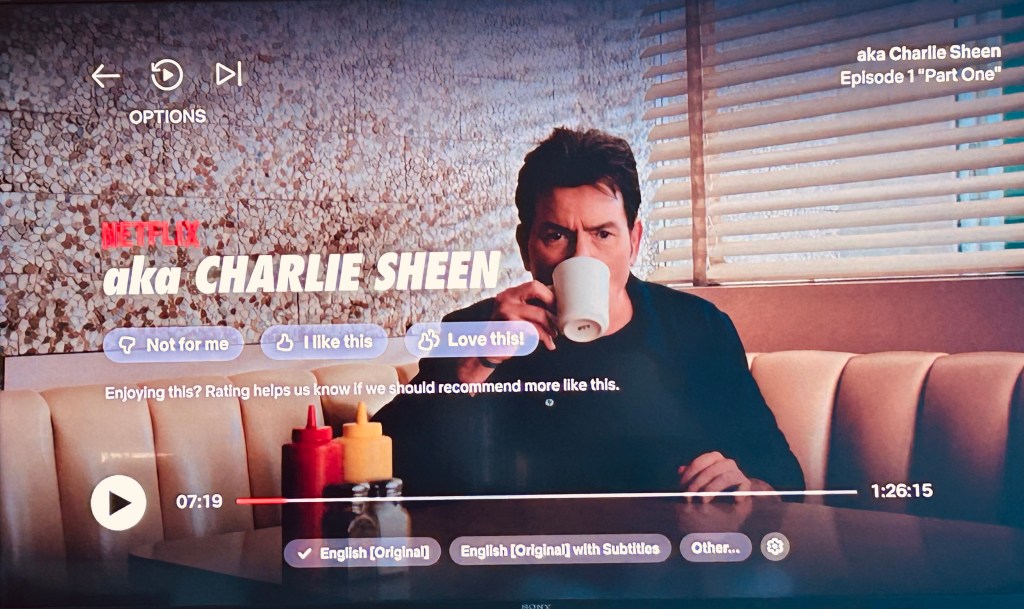
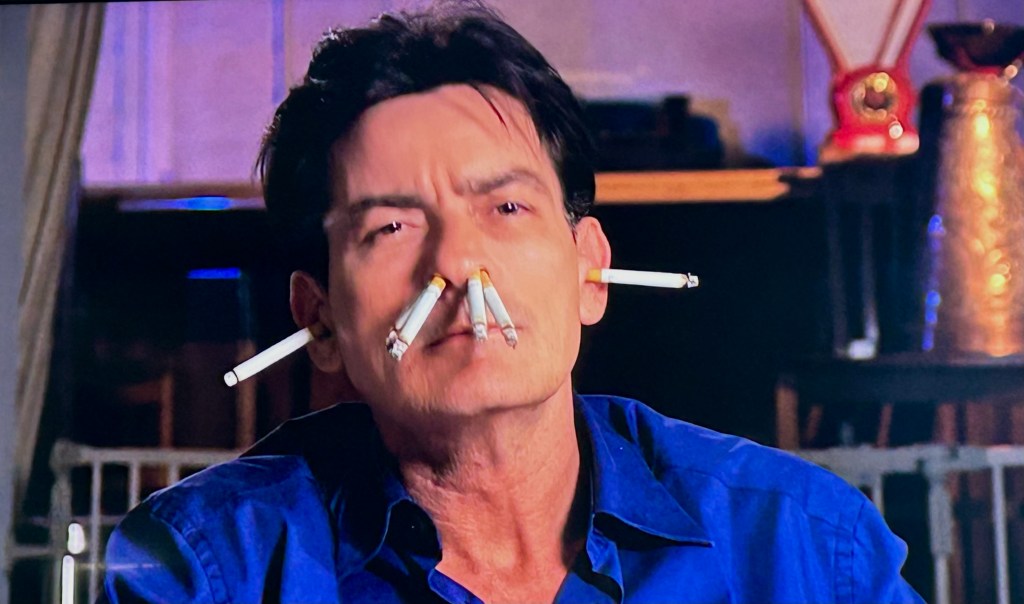
Charlie Sheen, his Hollywood flip-side, is best explained in a 2025 Netflix documentary appropriately titled, “aka Charlie Sheen.” Good time Charlie. You know him to some degree, and then you don’t.
Ricky Vaughn, a role Sheen played as the steel-focused wild-child relief pitcher in the 1989 film “Major League,” amplified his Hollywood persona. It would have a notable ripple effect within the culture of Major League Baseball bullpens. Art reflecting life reflecting relief artists.
All the way down to wearing No. 99 for some psychological advantage when staring down a tepid hitter in the late innings.
There is an art to understanding this “concept” of the Estévez/Sheen/Vaughn triumvirate. Forget what you think you know.
“I think there’s so many stories and many ingrained images in people’s minds about the concept of me,” Sheen says in the documentary, sipping something from a coffee cup while seated in a booth at Chips diner across the street from a Catholic church in Hawthorne. This is where Sheen is making his confession.
“(People don’t even) think of me as a person. They think of me as a concept or a specific moment in time.”
The end point to this series — starting at 00 and finding the last two digits here — makes this our obvious.
Ricky “Wild Thing” Vaughn is called in to provide the Hollywood ending.
Crazy and all.
Charlie “Wild Man” Estévez/Sheen gets credit for the save, and a tip of the coffee cup tor those who has saved him countless times.Grab a beverage and we’ll see where it leads.
Baseball is the connective tissue in Project Estévez/Sheen/Vaughn. That becomes the theme when sorting through film, TV, tabloids, depositions, affidavits and general convoluted hearsay. Whenever Estévez/Sheen needed the serenity, security and sweet spot of baseball, troubles became secondary.
There’s the famous Jim Bouton quote: “You spend a good piece of your life gripping a baseball and in the end it turns out that it was the other way around all the time.”
Estévez/Sheen might relate to that in a different way.