
This post is part of a media project called SoCal Sports History 101: The Prime Numbers from 00 to 99 that Uniformly, Uniquely and Unapologetically Reveal The Narrative of Our Region’s Athletic Heritage. Pick a number, and consider the list of athletes attached to it. Who wore it best? Or, what’s the most compelling story linked to it? Any person, place or thing is in play with Southern California connections. Star power, transformational achievement, longevity, notoriety and quirkiness all factor in. Whatever leads to a lively discussion and interpretation.
The most obvious choices for No. 19:

Jim Gilliam: Los Angeles Dodgers
Butch Goring: Los Angeles Kings
Hal Bedsole: USC football
Fred Lynn: California Angels
Marco Danelo: USC football
The not-so-obvious choices for No. 19:
Mike Gillespie: USC baseball
Jim Fox: Los Angeles Kings
Larry Robinson: Los Angeles Kings
Dennis Dummit, UCLA football
Lance Rentzel: Los Angeles Rams
The most interesting story for No. 19:
Will Ferrell: Los Angeles Angels center fielder (2015), Los Angeles Dodgers pitcher (2015) via University High of Irvine football, basketball and baseball (1983 to 1985) and USC
Southern California map pinpoints:
Irvine, Hollywood, Los Angeles (USC, Coliseum, BMO Park)
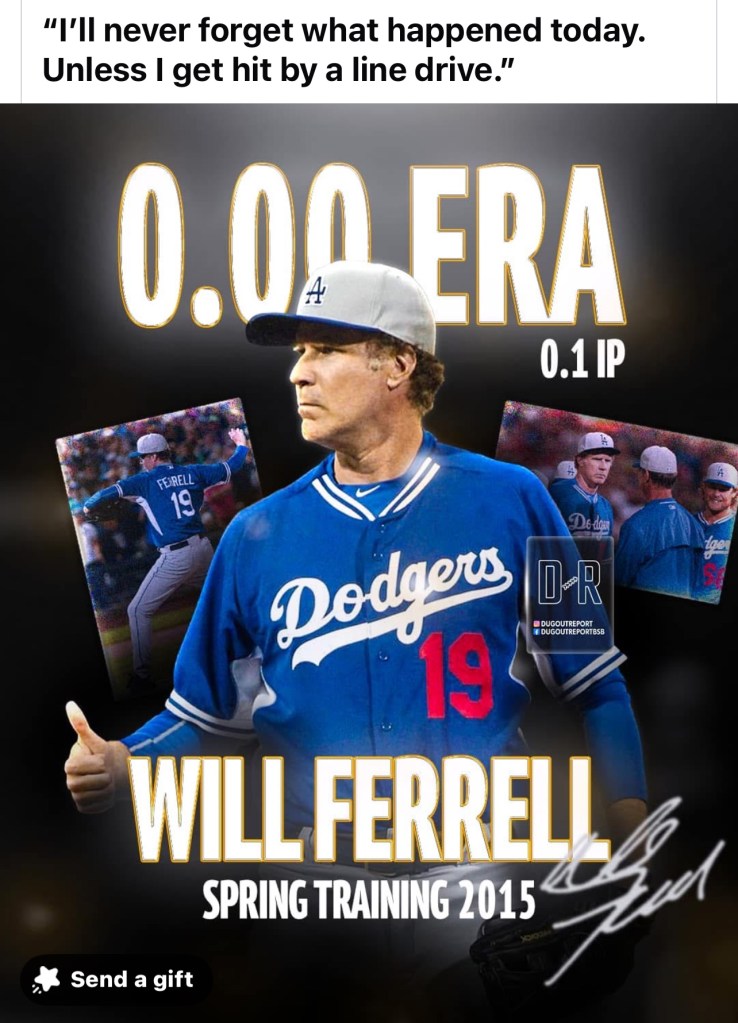
Official Baseball-Reference.com documentation for anyone needing verification: Will Ferrell, age 48, started and ended his Major League Baseball career as a player on March 12, 2015.
He was, for all intents and purposes, an pure exhibitionist.
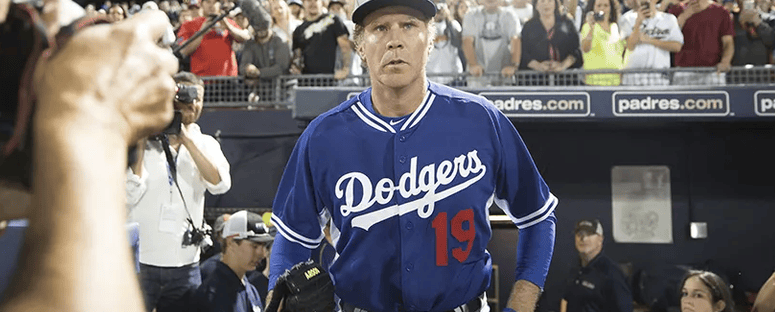
In a No. 19 jersey, Ferrall set out to play all 10 positions (including DH) in five Cactus League exhibition games around Arizona. In one day. The campy stunt was a way to pay homage to Bert Campaneris, who, some 50 years earlier in September of 1965, agreed to a promotional stunt by Kansas City Athletics owner Charles O. Finley. In a real game against the visiting Los Angeles Angels, 23-year-old Campaneris played all nine positions and even pitched both right- and left-handed in the eighth inning. Campaneris wore No. 19 during all but one of his 19 seasons in the major leagues, including a time as a California Angels shortstop from 1979 to 1981.
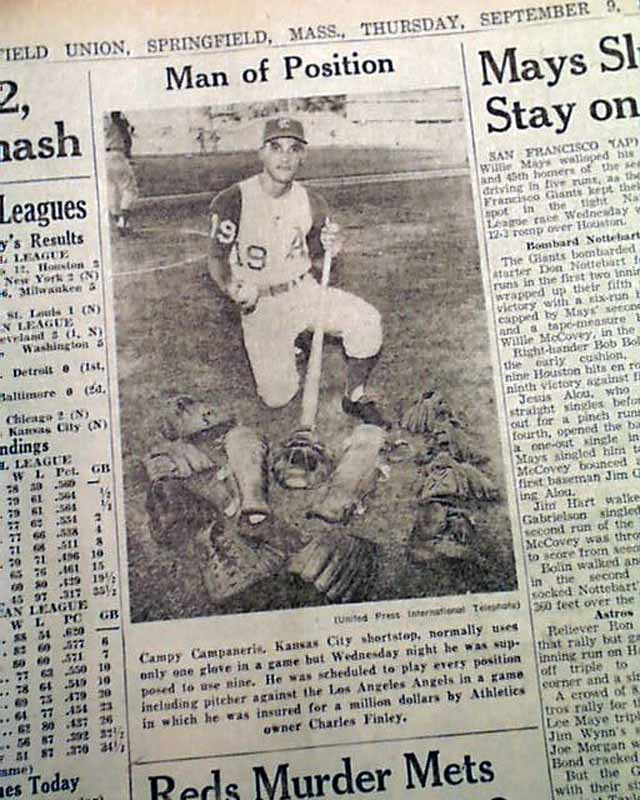
If Ferrell did any due diligence, he may have read that the end to “Campy Campaneris Night” came in the top of the ninth when he finally yielded to playing catcher. The Angels’ Ed Kirkpatrick leveled him trying to score from third base on a passed ball. Then the A’s lost in extra innings.
Personal glory sometimes supersedes team outcomes if it sells a few extra tickets.
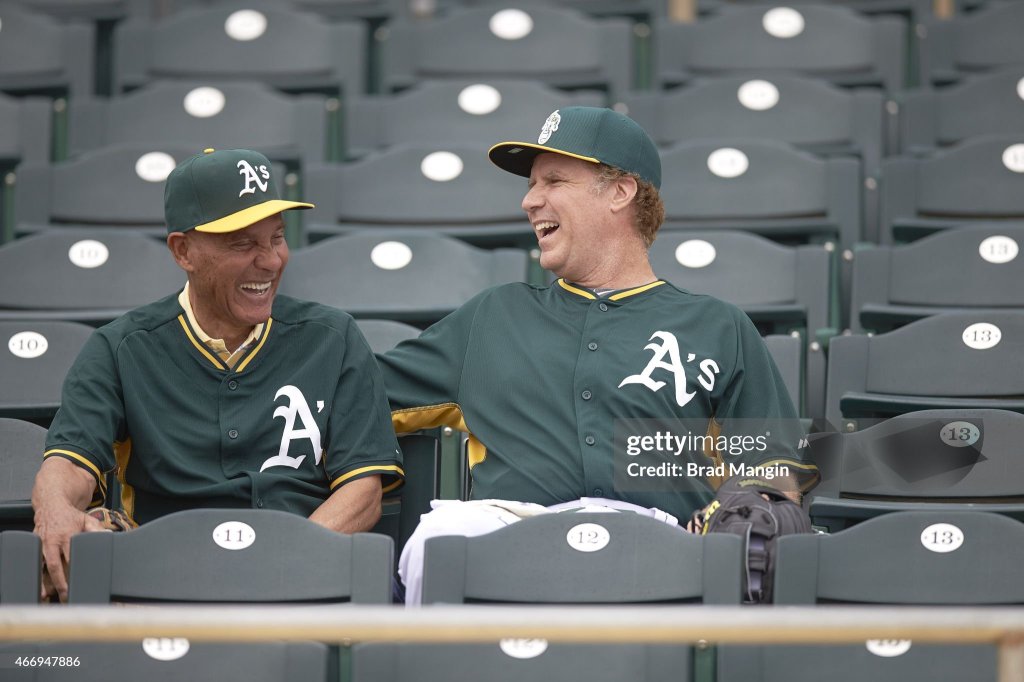
The Hollywood angle to all this was creating an HBO special, “Ferrell Takes the Field,” and Ferrell took it by storm. A lesser thespian/comic could have been derailed early on, not just by a sideways ad-lip script but by a pure failure to handle it all without pulling a groin. One has to be able to pull it off as a player without the audience groaning and booing. Ferrell, even at twice the age of Campaneris, had the tools.
The schedule went:
12:05 p.m. — Seattle Mariners at Oakland Athletics (HoHoKam Stadium, Mesa)
1:10 p.m. — Chicago Cubs at Angels (Tempe Diablo Stadium)
2:10 p.m. — Cincinnati Reds at Arizona Diamondbacks (Salt River Fields at Talking Stick)
4:05 p.m. — San Francisco Giants at Chicago White Sox (Camelback Ranch, Phoenix)
6:15 p.m. — Dodgers at San Diego Padres (Peoria Stadium)
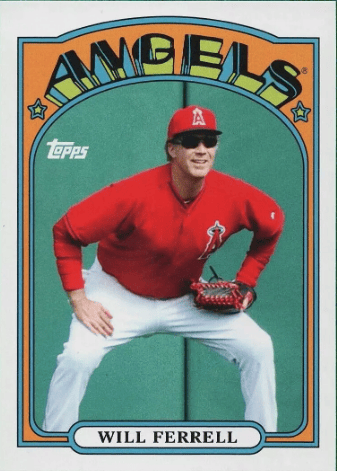
First, Ferrell notably played shortstop for Oakland to start the day, to honor Campaneris. Then, decked out in his all-red Angels’ jersey — the franchise he followed most growing up in Orange County — Ferrell went cross town and trotted onto the field and subbed in for Mike Trout as the center fielder in the top of the third. Who else gets to do that? Right away, he was forced to cleanly handle a line-drive hit at him by the Chicago Cubs’ Wellington Castro and hold him to a single.
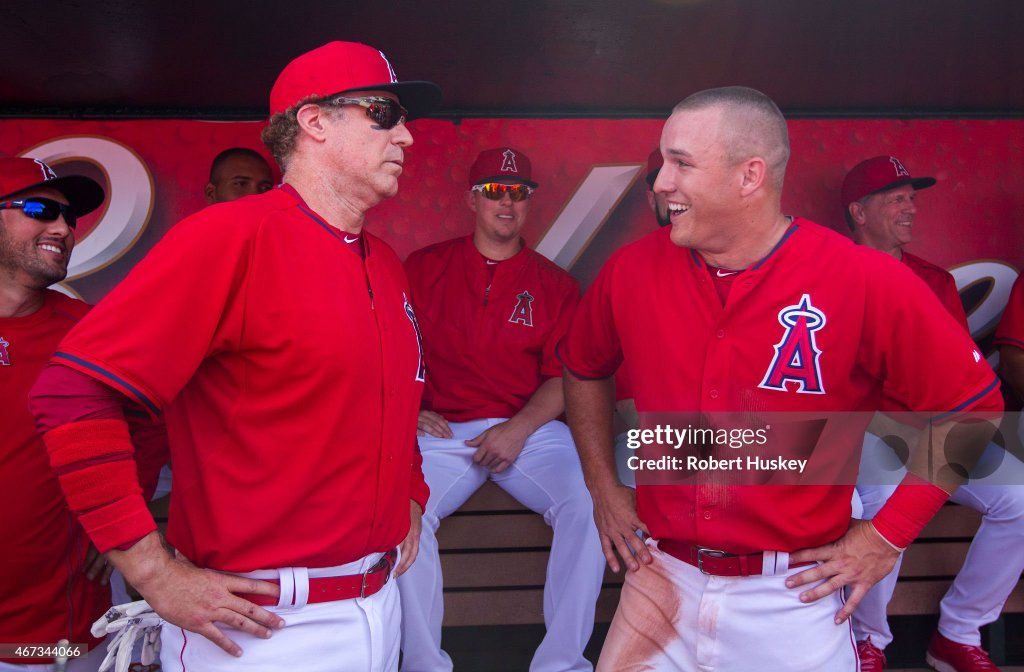
“He was trying to make people laugh the whole time,” Trout said.
Ferrell then switched uniforms, became the Cubs’ third-base coach and held up signs — actual, written signs, on cardboard. One said: “Swing as hard as you can.” Another read: “Remember, these games don’t count.”
It was also time for Ferrell to take a bat and hit. During a four-run inning for the Cubs, Angels manager Mike Scioscia came to the mound to remove pitcher Frank Herrmann and bring in minor-league right-hander Zach Stewart to face Ferrell. Three pitches, three strikes. The last one, swinging.
“I just threw heaters,” Stewart said. “I tried to blow his doors off. … It would’ve been cool if he had come out in character as Ron Burgundy, though.”
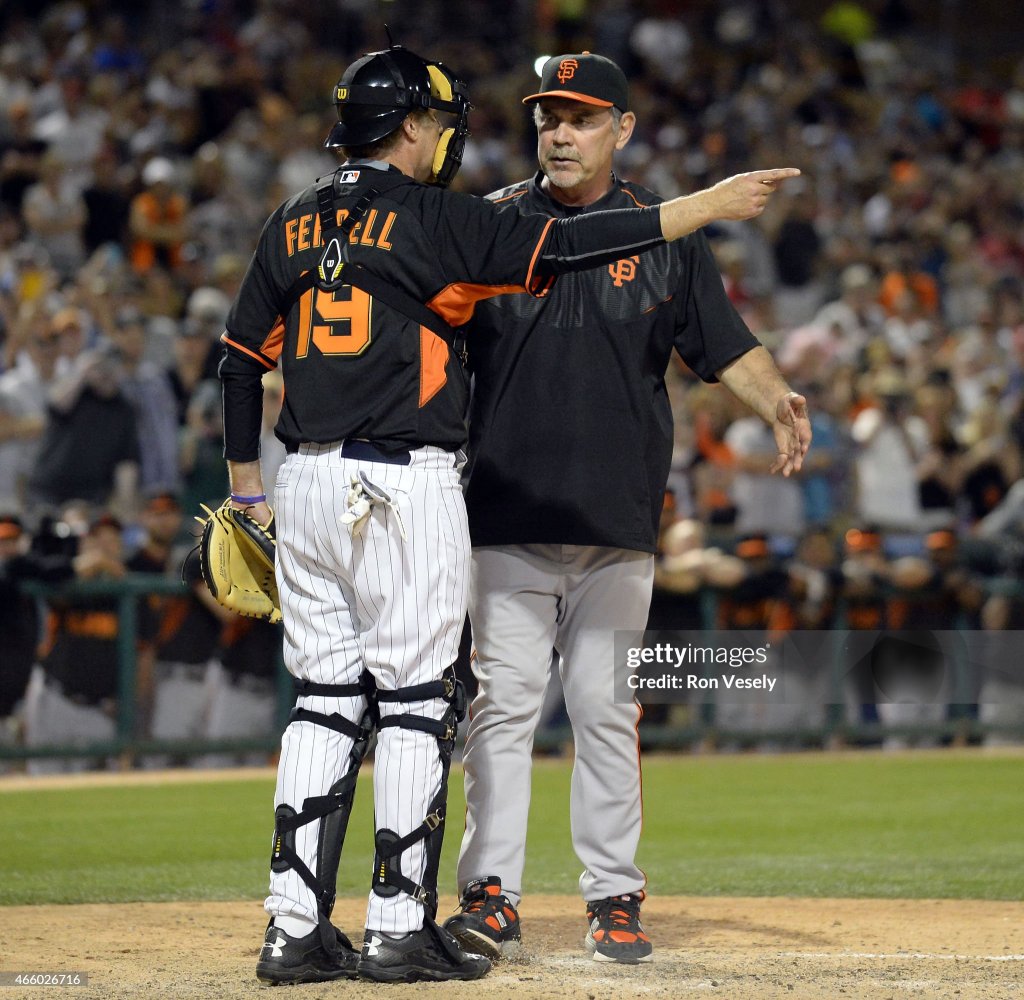
Later that afternoon, Ferrell also struck out later in an appearance for Chicago’s other team, the White Sox, as their DH. He managed to foul off a 92-mph pitch from the Giants’ Jean Machi. Again in a jersey swap, Ferrell played catcher for the Giants. Why not? He came out somehow injury free.
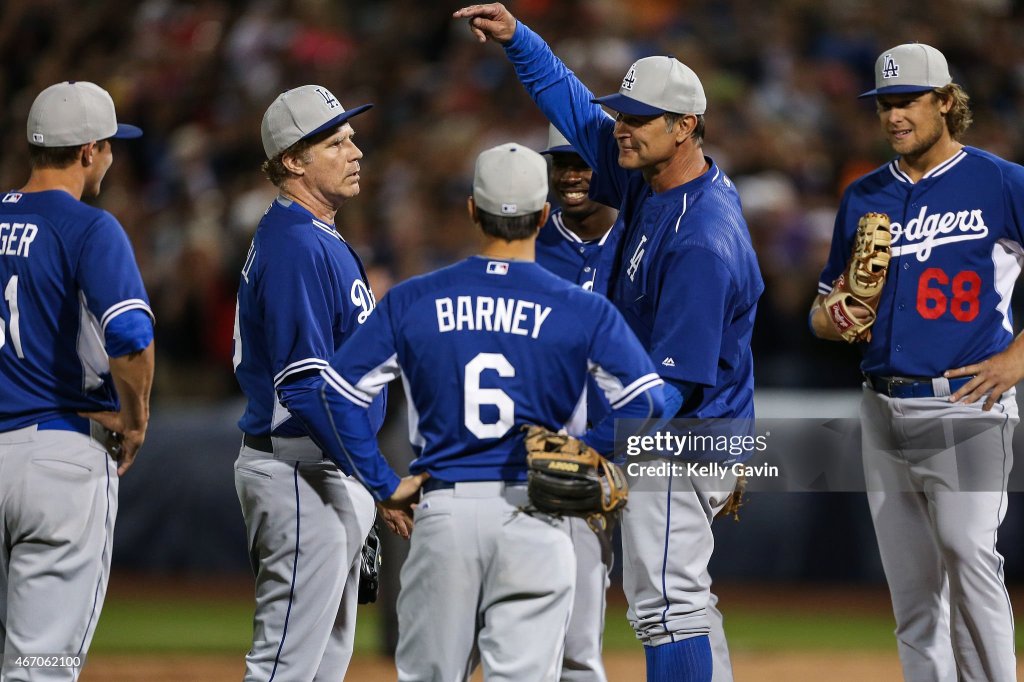
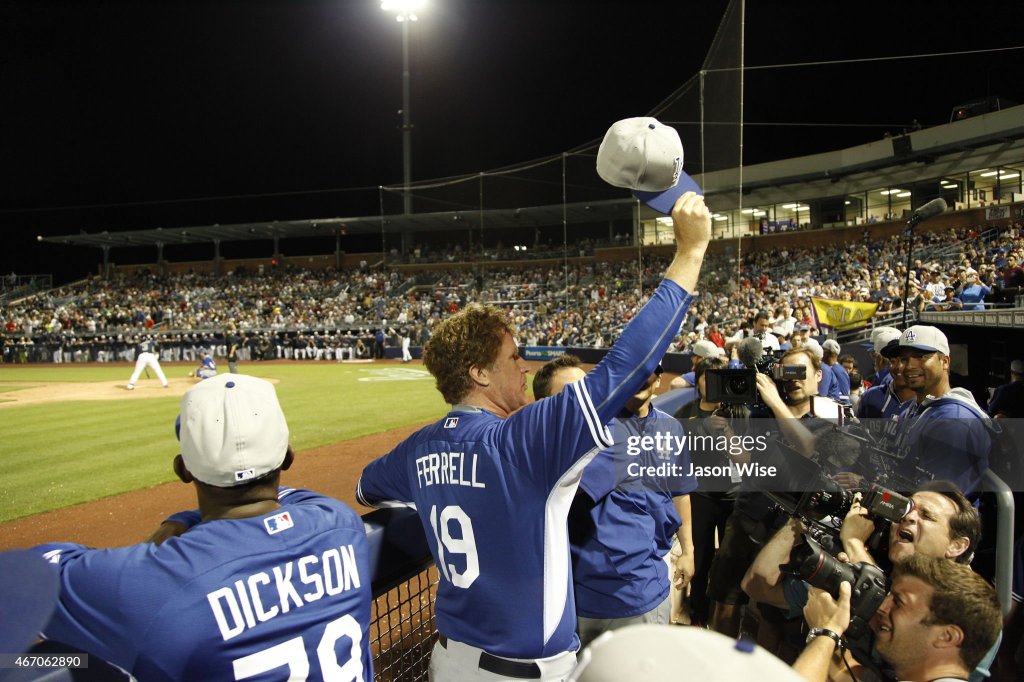
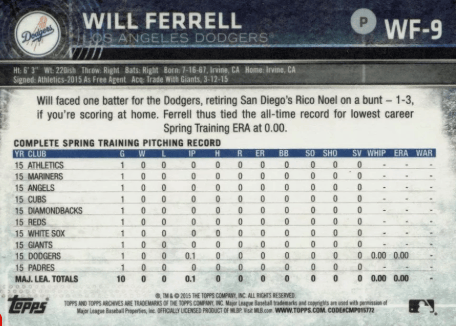
In the finale of his helicopter shuttle, Ferrell landed at the Peoria Sports Complex that night in time to play a relief pitcher for the Dodgers in the seventh inning. The Padres’ Rico Noel was sly. He tried to bunt. Ferrell deftly fielded it and threw him out. Dodgers manager Don Mattingly then came out and replaced him to cheers.
Ferrell’s final performance was playing right field for the Padres as a tribute to Tony Gwynn, and not wearing Gwynn’s No. 19, but switching out to No. 20. Yet, the Dodgers had allowed him to wear the No. 19 that they had retired years ago for Jim Gilliam.
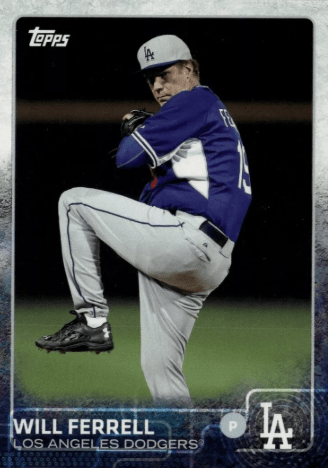
Farrell’s entrance and farewell as an MLB player included a set of Topps baseball cards to prove it happened.
This all was on brand with Ferrell. His improv nature. His athletic foundation. He had done some of this already in a half-dozen films he made that involved sports themes and his need to perform to some credibility.
All of it goes back to playgrounds of Orange County and the locker rooms at University High in Irvine.
Continue reading “No. 19: Will Ferrell”
