
Wrapping up the latest version of the annual spring baseball book review series, here’s how we decided it best shakes out:
Top exit velo:

Day 28: “The Last of His Kind: Clayton Kershaw And the Burden of Greatness” by Andy McCullough, along with an array of baseball player bios.
Day 9: “Schoolboy: The Untold Journey of a Yankees Hero” by Waite Hoyt and Tim Manners
Day 25: “Baseball: The Movie” by Noal Gittel and “Mike Donlin: A Rough and Rowdy
Life from New York Baseball Idol to Stage and Screen” by Steve Steinberg and Lyle Spatz
Day 10: “Frank Chance’s Diamond: The Baseball Journalism of Ring Lardner” by Ron Rapoport
Day 6: “The Dodger Collection: Richard Kee Photographs” by Richard Kee
Day 18: “Under Jackie’s Shadow: Voices of Black Minor Leaguers Baseball Left Behind” by Mitchell Nathanson
Nice cuts:

Day 3: “The Catch: A Novel” by Jon Weisman
Day 1: “The Bill James Handbook 1990-2023: Walk-Off Edition” by Bill James
Day 27: “Leave While the Party’s Good: The Life and Legacy of Baseball Executive Harry Dalton” by Lee Kluck
Day 29: ““The Wizard of College Baseball: How Ron Fraser Elevated Miami and an Entire Sport to National Prominence” by David Brauer; plus ““Cardinal Dreams: The Legacy of Charlie Peete and a Life Cut Short” by David Spewak
Day 13: “Charlie Hustle: The Rise and Fall of Pete Rose, and the Last Glory Days of Baseball” by Keith O’Brien
Day 22: “Lion of the League: Bob Emslie and the Evolution of the Baseball Umpire” by Larry R. Gerlach
Day 2: “Save Baseball: A Prescription for the Major Leagues” by Larry Hausner
Day 11: “Searching for Toothpick Sam: A Baseball Card Odyssey” by Jamie Selko; “When Baseball Was Still Topps: Portraits of the Game in 1959, Card by Card” by Phil Coffin; “Cramer’s Choice: Memoir of a Baseball Card Collector Turned Manufacturer” by Mike Cramer.
Ground rule double:
Day 4: “The Keystone Corner: Thomas Edison Turns Two” by J.B. Manheim

Day 8: “Let There Be Baseball: The 60-Year Battle To Legitimize Sunday Play” by Arthur G. Sharp
Day 7: “A Grand Slam For God: A Journey From Baseball Star to Catholic Priest” by Fr. Burke Masters
Day 12: “Baseball’s Great Expectations: Candid Stories of Ballplayers Who Didn’t Live up to the Hype” by Patrick Montgomery
Day 14: “Baseball Heaven: Up Close and Personal, What It Was Really Like in the Major Leagues” by Peter Goldenbock
Day 19: “Beisbol on the Air: Essays on Major League Spanish-Language Broadcasters” by Jorge Iber and Anthony R. Salazar
Day 20: “Team of Destiny Walter Johnson, Clark Griffith, Bucky Harris and the 1924 Washington Senators” by Gary Sarnoff
Day 21: “The New York Game: Baseball and the Rise of a New City” by Kevin Baker, with more so-so Yankees and Mets titles
Day 23: “Shakespeare and Baseball: Reflections of a Shakespeare Professor and Detroit Tigers Fan” by Samuel Crowl
Day 26: “The Baseball Vault: Great Writing From the Pages of Sports Illustrated”
Day 16: “Called Up: Ballplayers Remember Becoming Major Leaguers” by Zak Ford
Day 15: “715 at 50: The Night Henry Aaron Changed Baseball and the World Forever” by Randy Louis Cox; “Home Run King: The Remarkable Record of Hank Aaron” by Dan Schlossberg; ““Baseball’s Ultimate Power: Ranking The All-Time Greatest Distance Home Run Hitters” by Bill Jenkinson
Dribbler down the line:
Day 17: “The Fenway Effect: A Cultural History of the Boston Red Sox” by David Krell
Day 24: “Shadows of Glory: Memorable and Offbeat World Series Stories” by Dave Brown and Jeff Rodimer
Demoted:
Day 5: “Remembering Torn-Down Ballparks, Over a Cold Beer: A Beer Table Book Celebrating Lost Ballparks” by Ken Finnigan
More to consider
Among the titles we tried to include but ran out of time for this spring-time endeavor:
== “Standing Over Home: A Man’s Playbook to Heal Relationships Between Fathers and Sons,” by Dennis Powell (Gatekeeper Press/self published, 208 pages, $20, released April 5, 2024)

Powell, the former Dodgers starting and relief pitcher who came up as a 21-year-old in 1985 and carved out an eight-season MLB career, explains some of the principles he never received from his own father, believing in the idea that just as a batter stands over home when he’s up to hit or move the runner forward, so does a father stand over his home to provide for, guide, and protect his family, moving them ever forward. The interview he did with BallNine.com explains it all much better how he coped with the loss of a daughter, four brothers, and a nephew within the span of 13 months while an active player. “This is a book about fatherhood,” he says. “It’s about how to spend time and be there for your kids and how to balance things out.”
== “Finding America in a Minor League Ballpark: A Season Hosting for the Durham Bulls,” by Harris Cooper (Skyhorse Publishing, 208 pages, $35, released Feb. 6, 2024)
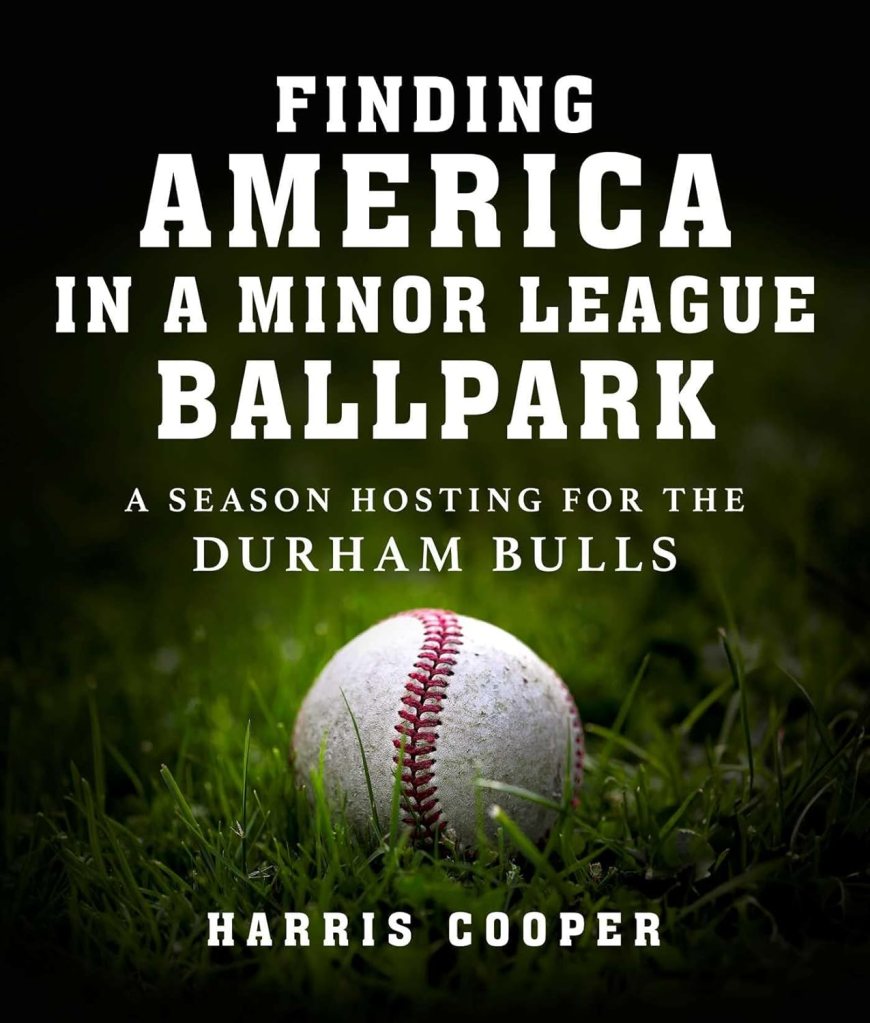
First off, in 2021, Cooper, a distinguished professor of psychology & neuroscience, Emeritus, at Duke University, wrote the book “American History Through a Whiskey Glass: How Distilled Spirits, Domestic Cuisine, and Popular Music Helped Shape a Nation.” Cheers. Cooper also took a job helping fans find their seats at Durham Park. That was a social science project into itself and he was there to document it.
== “The Uncommon Life of Danny O’Connell: A Tale of Baseball Cards, ‘Average Players,’ and the True Value of America’s Game,” by Steve Wiegand (Bancroft Press, 360 pages, $33, to be released July 11, 2024)
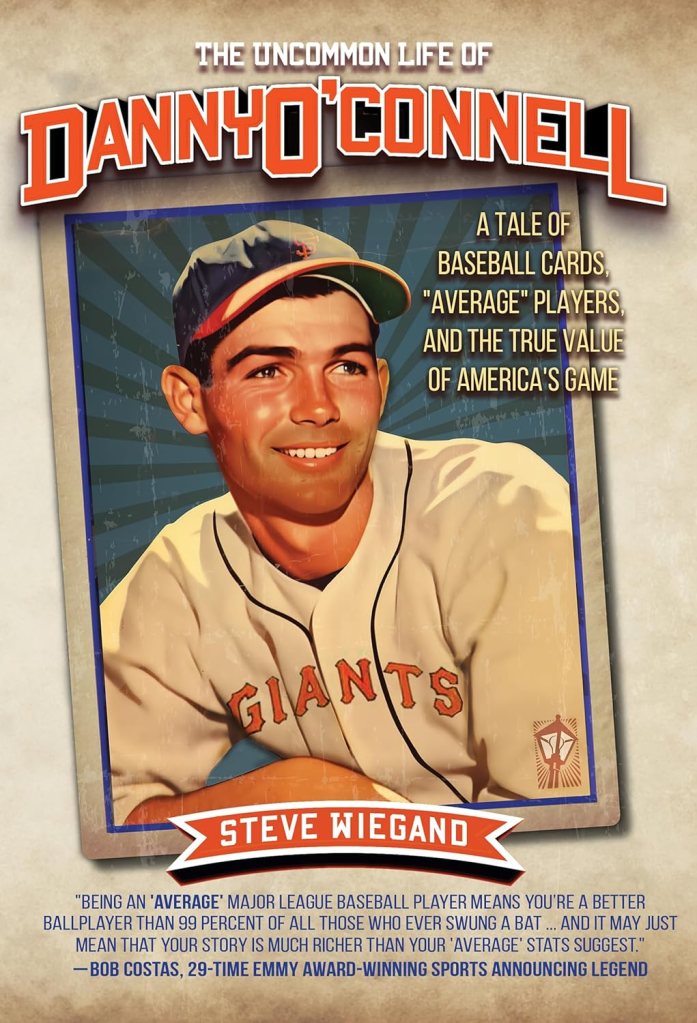
Weigand, who in the last few years has crafted books on U.S. History and the American Revolution in the “For Dummies” series, decided to create an appreciation of the life and times of O’Connell, a utility infielder for Pittsburgh, the Milwaukee Braves, both the New York and San Francisco Giants and finally the expansion Washington Senators between 1950 and 1962, including two years of military service in ’51 and ’52 at age 22 and 23. He died at age 40 from a heart attack just five after he left the game as a Senators’ first-base coach. His claim to fame: Scoring the first run in the first MLB game played on the West Coast — he drew a third-inning walk from the Dodgers’ Don Drysdale and scored on a sacrifice fly in the Giants’ 8-0 win. The “uncommon” title comes from how, in baseball card parlance, he was just a “common” in the pack that could have contained bigger names like Mickey Mantle or Willie Mays during his career. And sometimes, “common” is good enough to generate a compelling bio by the right writer, making him far more relatable to the reader. If the Topps 1952 No. 311 rookie card of Mantle drew $12.6 million in a 2022 auction, it’s notable that a Topps ’53 No. 107 card of O’Connell, marking his return from the service, isn’t going for much more than $7. But that’s what an everyday “hero” looks like.
== “The Enchanted Season: The Detroit Tigers’ Historic 1984 World Series Run and My Life as The Big Wheel,“ by Lance Parrish with Tom Gage (Triumph, 256 pages, $30, to be released June 11, 2024)
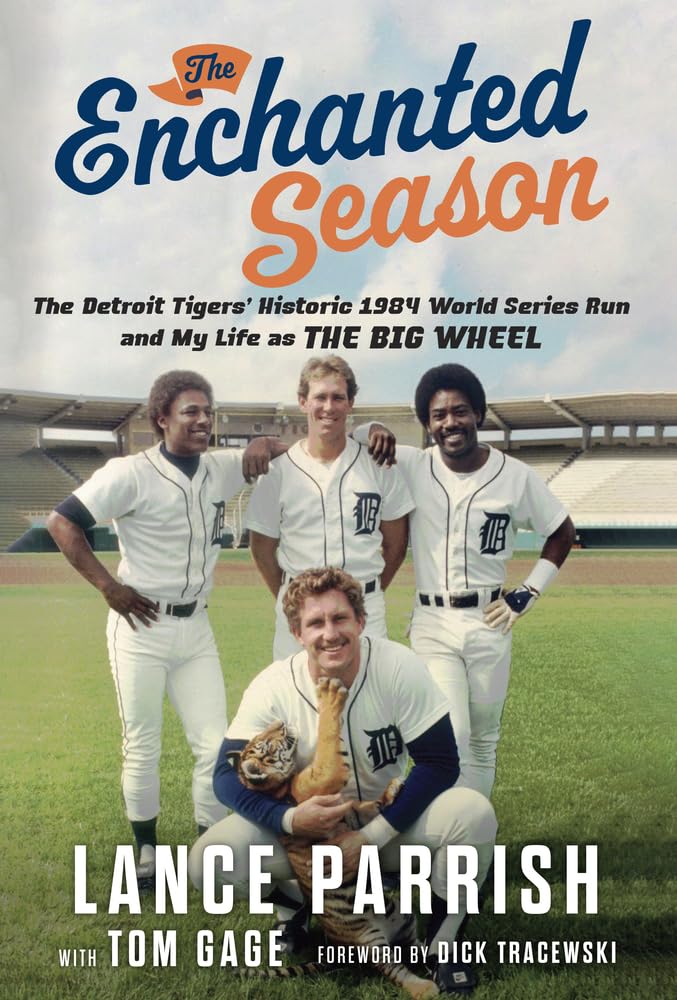
We were actually among the 57,000 who sat in the left-field bleachers and attended Game 2 of the ’84 World Series at Jack Murphy Stadium in San Diego — 72 degrees in early October — and saw the Padres capture their only win in the matchup against the Tigers, a 5-3 triumph thanks to a Kurt Bevacqua home run (who’d have guessed)? The bigger game was ahead — Kirk Gibson’s eighth-inning home run off Goose Gossage in Detroit (not even Gibson’s most famous World Series dinger), but that happened after Gossage gave up a seventh-inning homer to catcher Lance Parrish to make it 5-3 Tigers. Our further remembrance of Parrish, after his 10-year run in Detroit, was four years with the Angels (1989 to ’92), which included the last of his eight All-Star selections in 1990 (24 homers, 70 RBIs). The Dodgers actually signed him as well for the first few months of the ’93 season and he played 11 games at Triple-A Albuquerque as a 37-year-old trying to help a 21-year-old named Pedro Martinez find his bearings. What’s unique about this book is combining an autobiography type approach pinned on a memorable season. Maybe it’s so we again remember how much of an influence Parrish was on that title run (he had great teammates) but also how ridiculous it was that, in his first and only year of Hall of Fame voting, he only got 1.7 percent and was never on the ballot again. Really? If you measure him by the Bill James Hall of Fame Monitor, Parrish is in. His career can match up to Carlton Fisk (in his later years) as well as a Gary Carter. Hopefully this book revives the discussion again.
== “The Louisville Grays and the Myth of Baseball’s First Great Scandal“ by Wendell Lloyd Jones (McFarland, 194 pages, $35, released May 23, 2024)
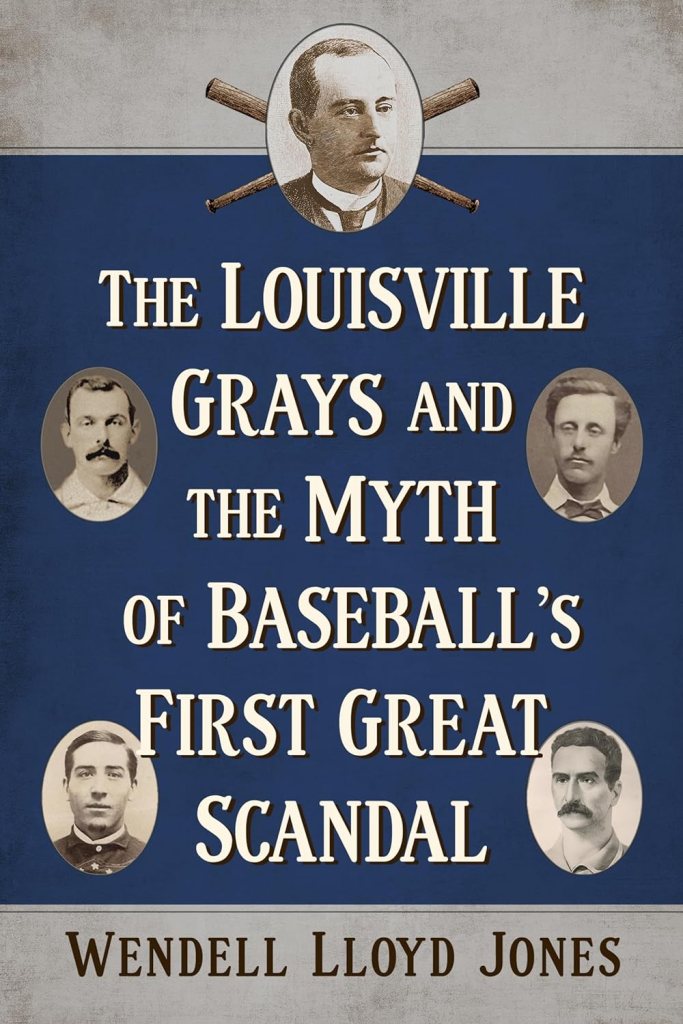
The story goes that the Louisville Grays sold out to gamblers in 1877, the second year of the National League’s existence, finishing 35-25 and seven games behind winner Boston (which had no nickname). Jones not only claims it’s not true, but he’s got more evidence to prove this event really had a lot of gray area. Jim Devlin was the team’s only pitcher — yes, he had the 35-25 record with a 2.25 ERA and 61 complete games. He was also among the team leaders with 27 RBIs. Jones is University of Louisville grad and an attorney since 1994, still living in Louisville.
== “Season of Shattered Dreams: Postwar Baseball, the Spokane Indians and a Tragic Bus Crash that Changed Everything” by Eric Vickrey (Roman & Littlefield, 208 pages, $34, released April 16, 2024)
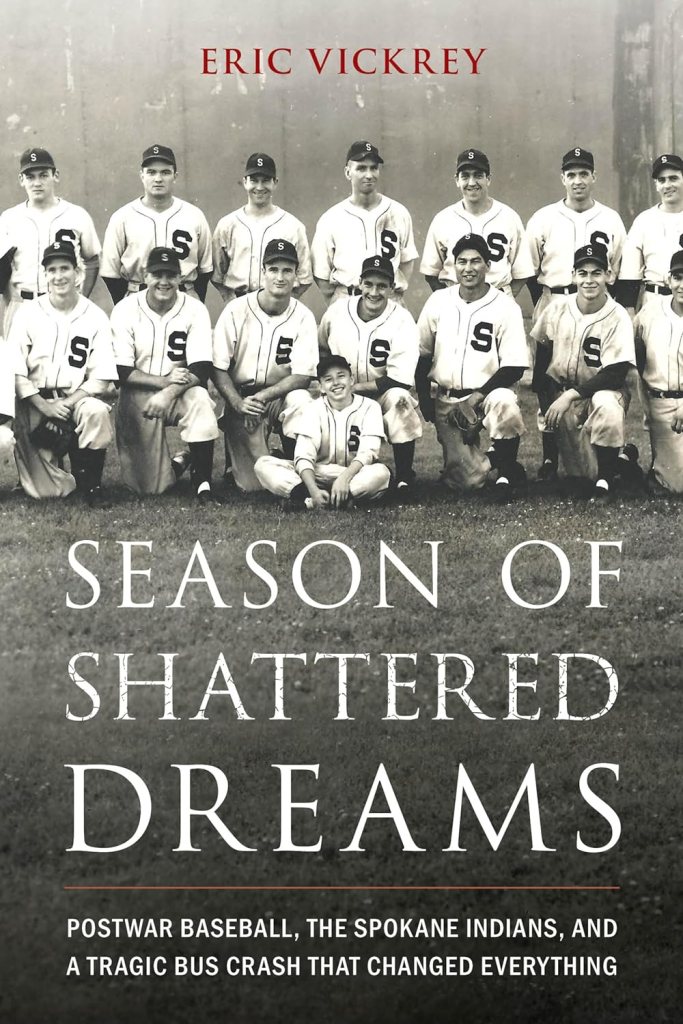
Nine members of the 1946 Western International League’s Spokane Indians died and the other six were injured in a June bush crash to the bottom of a ravine in the Snoqualmie Pass going through the Cascade mountains in Washington. It’s still the deadliest accident in the history of American professional sports. Absent from the bus were right-handed pitchers Milt Cadinha and Joe Faria, who had elected to drive separately with their wives. Also during a stop for lunch, third baseman Jack Lohrke received a message that he had been recalled by the San Diego Padres of the Pacific Coast League. He hitched a ride back to Spokane, and the rest of the team proceeded on without him. It reminded us of the bus crash the Angels went through in 1992 in New Jersey, when 13 were injured, including manager Buck Rogers. In this book, the journeys of three players who survived — Lohrke, Vic Picetti and Ben Geraghty — are also zeroed in as they were also impacted by the recent end of World War II.
== “Shine the Light: How Sandlot Baseball Connects People in a Disconnected World,” by Jim Matthews (Sports Publishing, 280 pages, $32.99, to be released June 11, 2024)
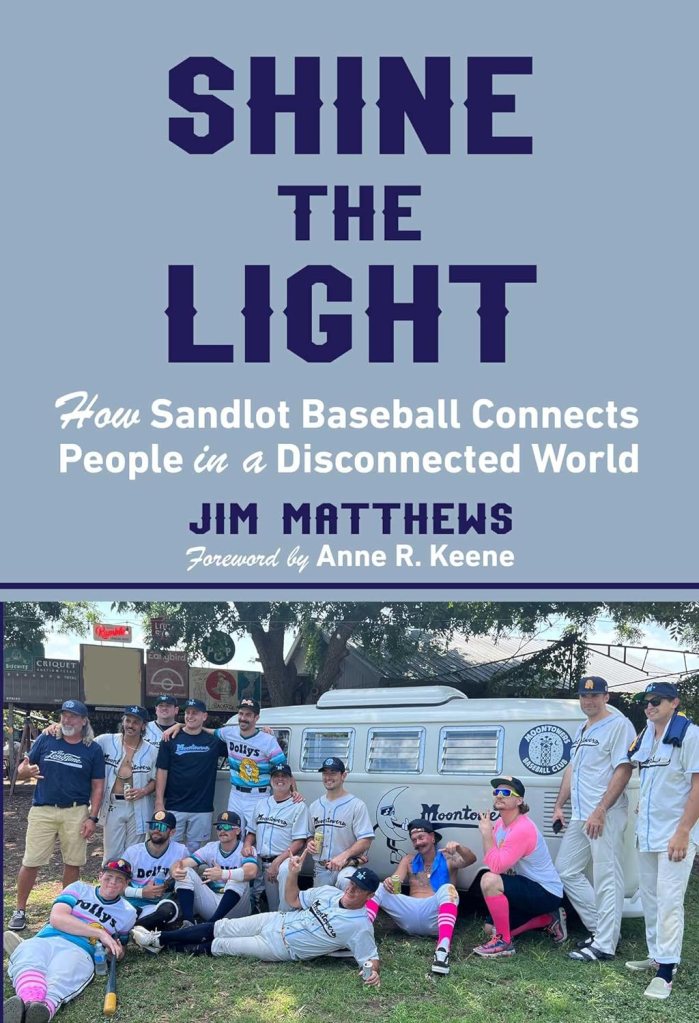
Behold the Austin Moontowers. It’s a so-called sandlot baseball team with its own website, advertising games against The Two-Steppers, The Dollys, The Yardbirds, The Parakeets and The Meat City Smoke. “Clutch” Matthews, the book’s author, founded the team with Elliott “Big E” Hill in 2021, two former high school teammates who have the stated goal of becoming “the truest representation of Austin sandlot baseball … hip, cool, zany and most importantly, welcoming and fun.” They even have a mission statement on their website and baseball cards created for guys like Casey “Spacecase” Dunn, Marshall “House” Newhouse and Austin “Tino” Hill. They have father-and-son pairings. They have arthritic knees and a hip replacements. They have a blast. And now they have a book
== “The Sodfather: An Extraordinary Journey In the Shadows of Sports Greatest Fields,“ by George Toma with Greg Handel (Big Kat Kreative LLC publications, 290 pages, $31.88, released May 1, 2024)

Kaufmann Stadium in Kansas City opened as Royals Stadium in 1973 with an AstroTurf surface, and kept it that way until 1994, when it finally switched to a Kentucky bluegrass and perennial ryegrass mix. Toma, who turned 95 last February, was still recruited as the expert in how to maintain the fake stuff based on his tenure with the NFL’s Kansas City Chiefs, who, also in ’73, moved into the new Arrowhead Stadium. Toma’s reputation had him named by the NFL to prepare the field for every Super Bowl from 1967 to the present, starting at the L.A. Coliseum. He officially retired in 1999, but continues to work as a consultant.
== “Work, Fight, or Play Ball: How Bethlehem Steel Helped Baseball’s Stars Avoid World War I” by William Ecenbarger (Temple University Press, 212 pages, $25, released Feb. 2, 2024)
== “The Gas and Flame Men: Baseball and the Chemical Warfare Service during World War I,” by Jim Leeke (Potomac Books, 232 pages, $32.95; released Feb. 1, 2024)

The first is about how players found jobs in the wartime industry so they avoided getting drafted into military duty. The shipbuilding giant Bethlehem Steel was a solid option in what was known as the Industrial League/ aka Bethlehem Steel League, which had six teams loaded with talent. The Chicago White Sox’s Shoeless Joe Jackson, for example, took a job as a painter with the company in 1918. A year later, well, maybe he was making license plates? After his Boston Red Sox defeated the Chicago Cubs in the 1918 World Series, Babe Ruth got a job with the Bethlehem mill in Lebanon, Pa., and played in a single exhibition game for the team.
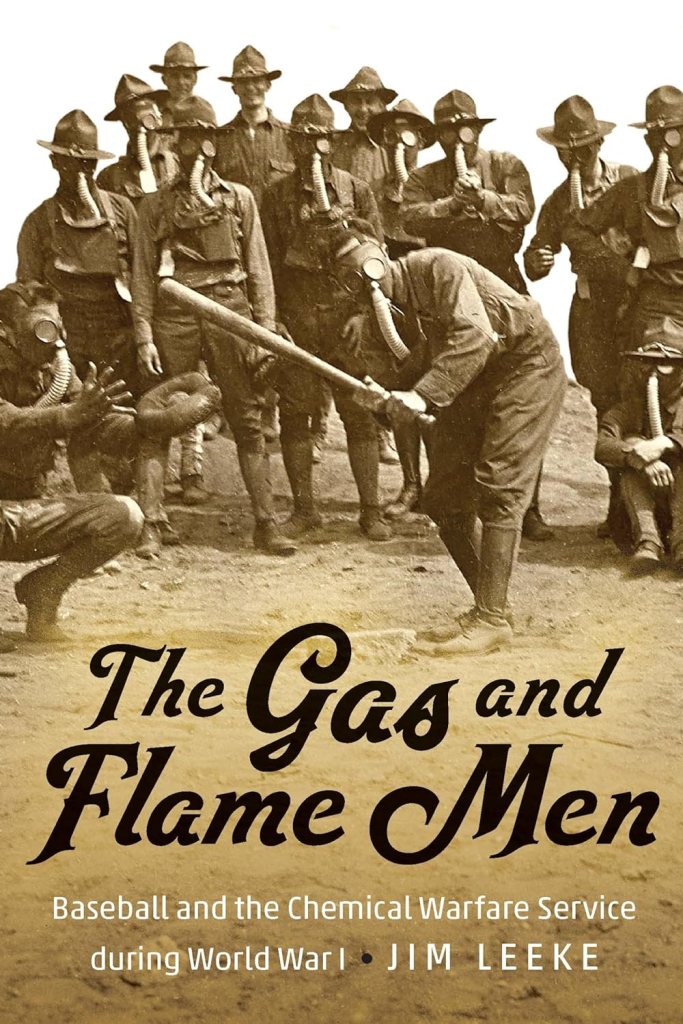
The second book was about those who couldn’t avoid serving, and paid a price because the U.S. wasn’t prepared well when they joined WWI in 1917 for the chemical warfare that the British, French and Germans had been engaging in since 1915. Four players, two club executives and a manager served in the hastily formed branch. Christty Mathewson, Branch Rickey, Ty Cobb, George Sisler and Eppa “Jeptha” Rixey ended up in the Baseball Hall of Fame. Others included Gabby Street and Boston Braves president (and a former Harvard football coach) Percy D. Haughton. Leeke goes deeper into the misperceptions surrounding Mathewson’s early death from tuberculosis in 1925, which had been attributed to wartime gas exposure.

 Tom Hoffarth's The Drill: More Farther Off the Wall
1 thought on “The 2024 baseball book review: Roll the closing credits, peace, out”