
The Universal Baseball Association, Inc.,
J. Henry Waugh, Prop.
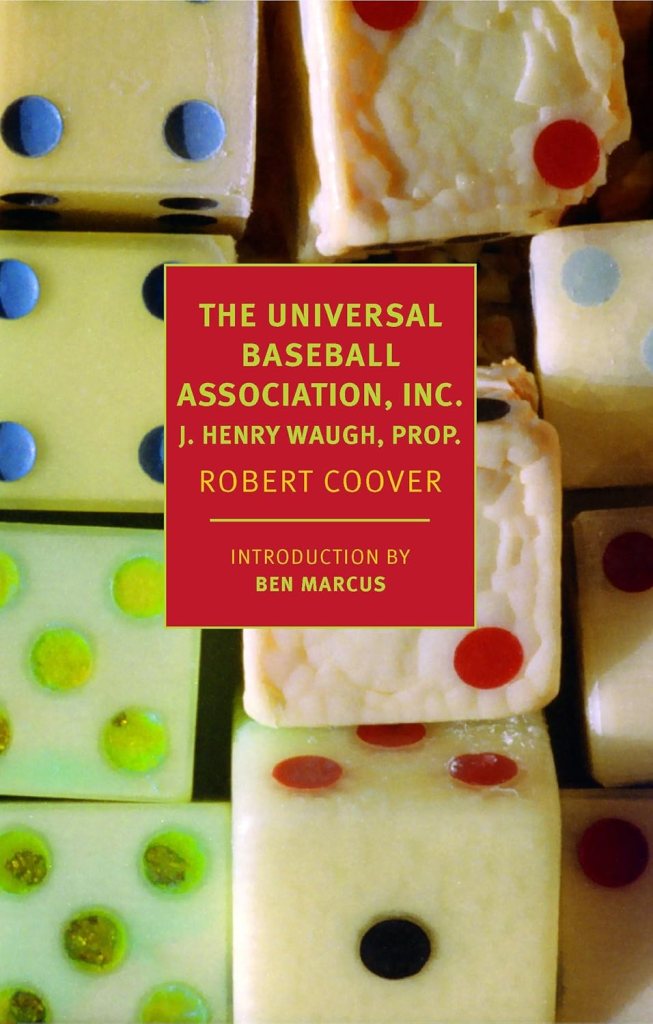
The author: Robert Coover, new introduction by Ben Marcus
The details: NYRB Classics, 264 pages, $18.95, originally released in 1968; newest re-release on March 17, ‘26
The links: The publisher, Bookshop.org
A review in 90 feet or less:
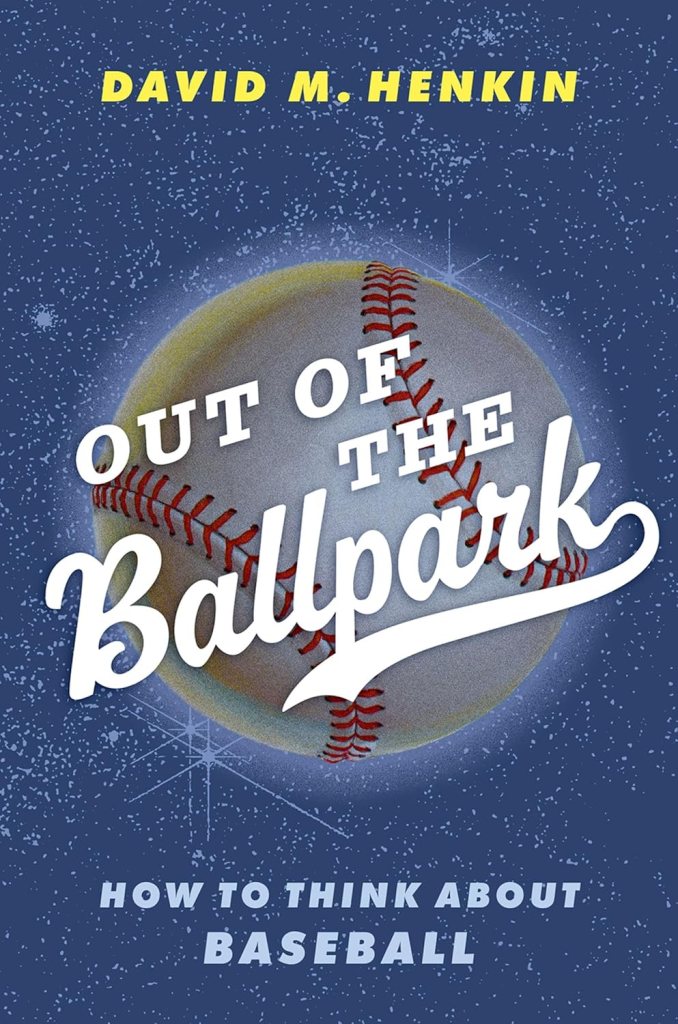
An efficiently written collection of essays by Cal-Berkeley history professor David M. Henkin, launched into the universe under the title “Out of the Ballpark: How To Think About Baseball,” (Oxford University Press, $18.99, 152 pages, released March 16, ’26) dedicates about a dozen chapters on enlightened questioning of philosophical and cultural issues surrounding the game. Among other things — its obsession with statistics quantifying reality.

“The division between scientific and literary, quantitative and verbal, or left-brain and right-brain approaches to baseball are misleading,” Henkin declares. “They bear some resemblance to the inaccurate portrait peddled by recent Hollywood movies of baseball talent evaluators, which pits the number crunchers and bean counters against scouts who can hear the break of a curveball with their eyes closed and can foretell a player’s prospects by instincts.” Hey, Brad Pitt’s portrayal of Billy Beane in the 2011 film “Moneyball” came out more than seven years after Michael Lewis’ “based on the true story” best-selling book, “Moneyball: The Art of Winning an Unfair Game.” Its publishers unflinching points out the book is “One of GQ’s 50 Best Books of Literary Journalism of the 21st Century.” And “the most influential book on sports ever written” declared by none other than People Magazine. So that that for what it’s worth.
But go on, Professor Dave …
“Much as scouts have always combined intuitive judgment against statistical reckoning, the same writers and fans who revel in poetic description and conjure imagined worlds of play tend to be conversant with statistics and are aesthetically compelled by probability.”
Hmmm… Probably right there. Where does that lead?
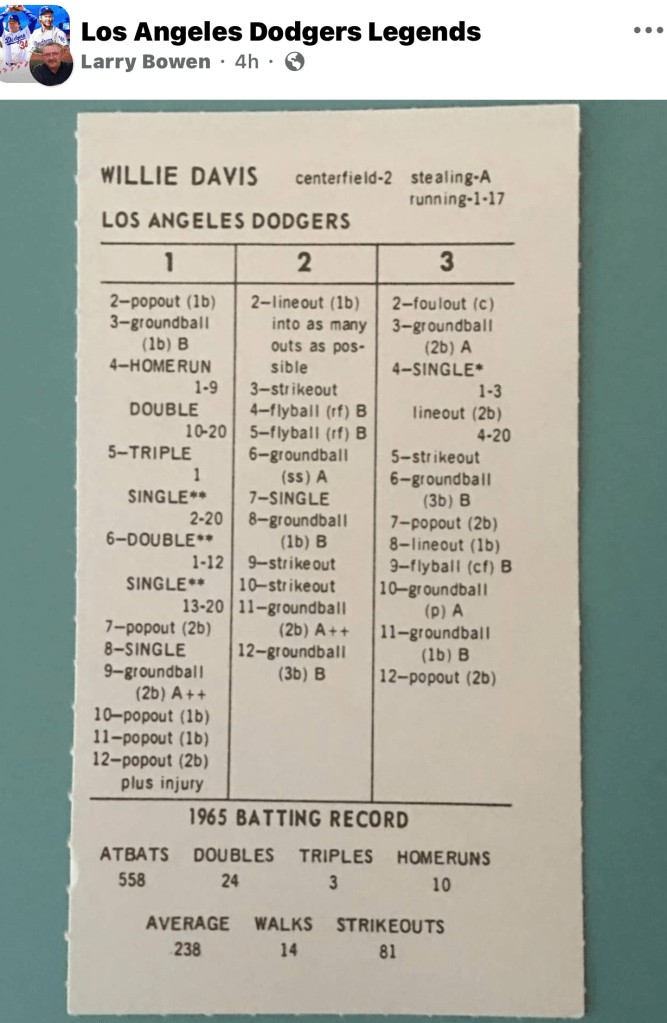
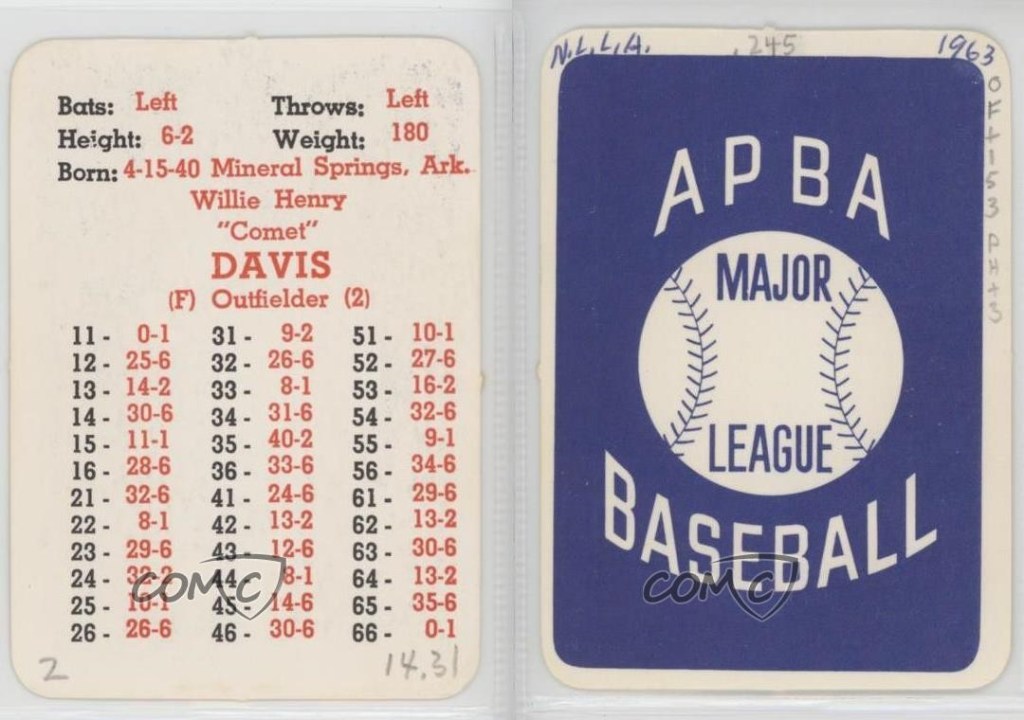
“Robert Coover’s celebrated novel, ‘The Universal Baseball Association, Inc.’ published three years before the founding of the SABR and the dawn of sabermetrics, brought into public view baseball’s twin obsessions with both literary imagination and strict bookkeeping. The novel’s protagonist, J. Henry Waugh, is an accountant. He is also a literary creator who spins elaborate stories behind closed doors about fictional baseball players but constrains those stories with statistics and probability by methodically and scrupulously using dice to simulate athletic competition.”
Henkin then has as a visual reference Figure 12.1, which may blow us away more than the Coover book reference.
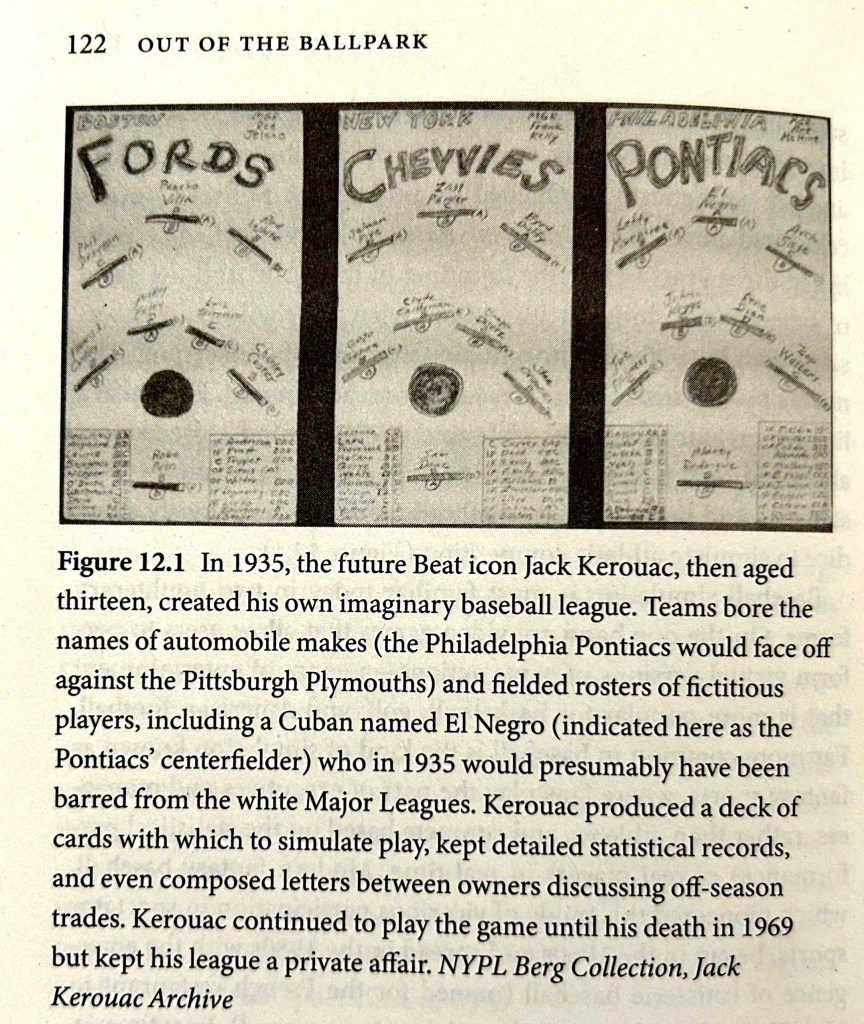
How do you explain that? Henkin tries.
“Traditionalists may bemoan the distortions that this introduces to the fan experience, but in many respects fantasy baseball extends projects that have long been central to the sport: attending to long-term statistical trends, apportioning credit and blame to individual players in a team sport and enlisting the spectator as an active, if vicarious, participant in some else’s athletic performance. All of these projects entail acts of radical imagination … fantasy seems only appropriate … fantasy baseball gratifies the longstanding literary impulse in baseball culture to imagine alternative universes … Baseball as we know it is at core commercial entertainment and projections of worker value have always been part of its discourse and spectacle … baseball has offered many people in various societies a complex and capacious space for thinking about such things as spectatorship, success, community, order and contingency in a modern world. And to the extent that baseball matters, that would be the reason why.”
Why, why, why … and, no, that’s not a reference to the left-fielder in the Abbott and Costello routine.

For those universally unfamiliar with Coover’s coveted and critically held book, you’ve been asked to invest in it during its latest incarnation as part of the New York Review Books’ Classic series “dedicated to publishing an eclectic mix of fiction and nonfiction from different eras and times and of various sorts.”

To reinforce the book’s classical worthiness, the New York Times Book Review section did a piece last March on this re-release, noting that Coover, “a sometimes difficult, always engaging writer” who published more than 20 books before he died in 2024, indeed saw the bizarre proliferation of Fantasy/Rotisserie Baseball expand to online gambling and insta-betting, but he somehow captured its distorting effect on the human mind long before all this technological craziness.
If you excavate the book’s original review in the New York Times review from July of 1968, writer Wilfrid Sheed gives the first glimpse of how Coover’s main character has the initials JHWH — a shorthand for Jahweh, which in the Hebrew Bible is the creator and supreme being. Sheed explained back then:

“Baseball and theology might seem to make strange bedfellows. But like a medieval schoolman who could make theology out of just about anything, Robert Coover has spliced the two together and produced a species of baseball scripture. His God is a lonely middle-aged accountant who has devised a dice-game that approximates the probabilities of baseball. That is all. Upon the void he projects the laws of chance, the percentages, what managers call, “the book.” … Waugh talks to himself in different voices as he plays, and these voices become independent people. God turns schizoid, giving up bits of himself that his creatures may live, and also that they may interest him.”

When new editions kept returning into the publishing world — in 2011, it was from a company called Overlook Press, a New York Times book review essay by Matt Weiland about the sport’s best literature of all time included Coover’s piece, in light of how a new Chad Harbaugh baseball novel, “The Art of Fielding,” was being sized up as the genre’s latest tour de force.
Weiland even referenced Kerouac:
“Right from the start the book nearly matches ‘On the Road’ for sheer electricity . . . Coover made baseball on the page seem three-dimensional, exulting in what he called the game’s ‘almost perfect balance between offense and defense.’ He captured what Philip Roth, in a 1973 New York Times essay on baseball, called ‘its longueurs and thrills, its spaciousness, its suspensefulness, its heroics, its nuances, its lingo, its ‘characters,’ its peculiarly hypnotic tedium’. . . The genius of the novel is in how Coover revels in the sun-bright vitality of the world Waugh has created, full of drink and lust and dirty limericks and doubles down the line – and yet brings Waugh face to face with its darkest truths.”
Continue reading “Day 12 of 2026 baseball books: Universally accepted abstract daydreaming”