The Magical Game:
The Spirit and History of
Baseball’s Superstitions, Rituals, and Curses
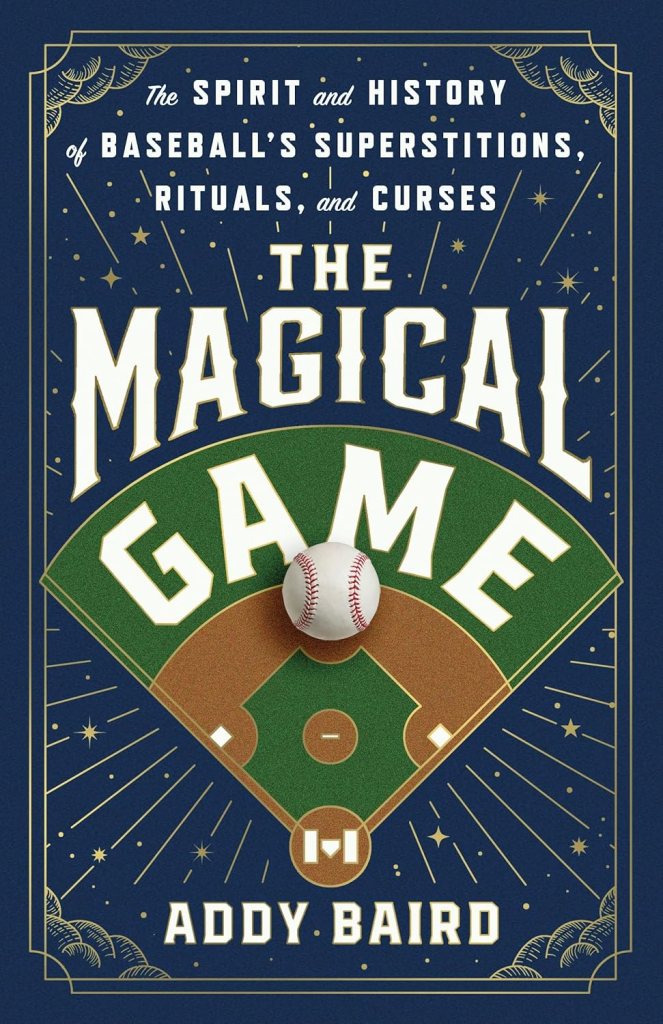
The author: Addy Baird
The details: St. Martin’s Press/MacMillian, 304 pages, $29, released June 2, ‘26
The links: The publisher, the author, Bookshop.org
A review in 90 feet or less:
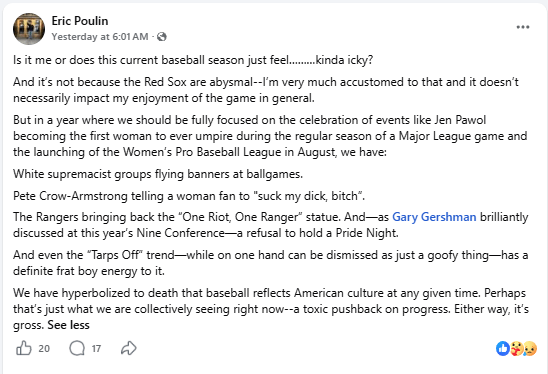
Eric Poulin’s recent Facebook post made us feel kinda icky, as much as the game was doing that to his own psyche.
It’s an interesting choice of words for someone who came out in 2025 with a book, “Here Comes the Pizzer: The Found Poetry of Baseball Broadcasts,” which caught our review series.
Poulin wasn’t finding it — no poetic justice in some of the things around the ball diamonds of an America charging into its 250th birthday celebration. If baseball holds a mirror up to the country, both might be in need of some magical cleansing.
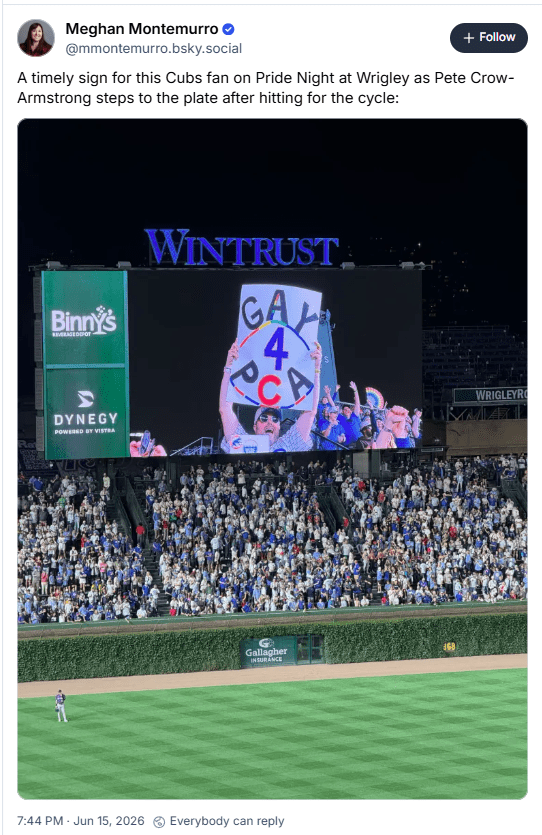
Poulin wrote this before more of the latest missteps made at various MLB pride nights — specifically by players. Then, opportunistic legislators in over their heads. It’s almost poetic that in Poulin’s referencing the Cubs’ PCA, who had already alienated the Los Angeles Dodgers’ fan base he grew up with, that he finds himself embraced this week at the Friendly Confines:
Comments to Poulin’s original post included:
== Bruce McClure, recently elected to the board of directors for the Society of American Baseball and the longtime SABR chair covering Maine and New Hampshire: “It’s inevitable that this de-evolution of American culture (and dare I say behavior) spill over into our great game. Baseball is so closely associated with our culture and fabric that the seeming nastiness of our daily lives has infiltrated major league stadia across the country. … With a little work, I can get around the $%^& that we are subject to nearly 24/7. … Eric, you’re spot on here.”
== Scott Lawson Pomeroy, a singer, guitarist and song writer from Hartford, Conn.: “Politically Correct currently means Woke to the majority of men today, and so the pushback against that is what the rest of the world views as the Ugly American. … I’m pretty grossed out by how over the top toxic the energy is these days too.”
== Jason Cost of Hickory, N.C.: “Saddest part is that the season may be the last we get for awhile with the imminent lockout.”
Yeah, there’s that, too.
As Eddie Brown wrote for the San Diego Union-Tribune: “Baseball is about to argue over payroll inequality while the rest of the country argues over rent, groceries, wages and gas prices. … Baseball keeps acting like nostalgia can (fix things). It can’t. Nostalgia is what you sell when the present stinks.” As Jim Bowden wrote for The Athletic: “The game is in a great place — embrace it, grow it and don’t ruin it” with a work stoppage.
My angst centers more on tweaks the game’s gatekeepers thrust into the flow, deciding things still needed to be sped up in concert with creating a product as perfect as possible.
Clocks and video-generated challenges seem necessary for half-hour TV game shows created by LeBron James’ friends. Not for baseball.
My perfectly cynical mindset sees these two elements merging the game’s psychology with its business functioning. Speeding up the action sure feels like it’s trying to keep up with the fever pitch of those now gambling legally on it. Instant gratification and impulsive wagering have no time for lulls. The waiting was the hardest part between what the next prediction prop bet comes up on the screen. It’s why we apparently also need to make sure a bang-bang play at first or a slide at second has no human element mucking things up. The betters need to know the game is trying to be as auto-correct as possible. No one wants to lose money based on an umpire’s eyesight.
If a pitched ball is less than 0.1 of an inch outside the imaginary batters’ box, and that technology is then displayed up on a scoreboard for 50,000 to anticipate a verdict, what’s to stop someone from placing another bet on what that outcome will be?
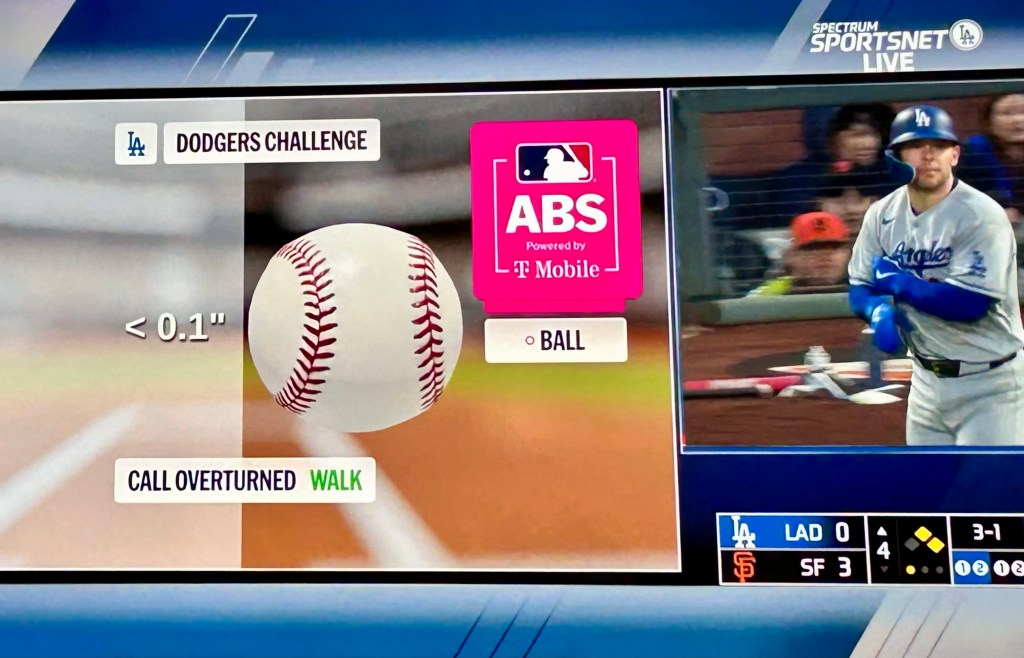
The questions fester: Has baseball’s aura been hijacked and misappropriated? Has its charm of imperfection been contaminated and reconstituted to fit the needs of financial, political or other outside forces that clash with communal pleasure? Have bookies and the sharps interrupted our pure, timeless enjoyment.
If there is indeed a growing enshittification of baseball, has it been maxed out, perhaps, by a misguided hex?
We want to exclaim: Did you see Ohtani did last night? Is he some kind of wizard?
And then you see what MLB’s capitalists do to authenticate anything remotely related to it. How cruel.
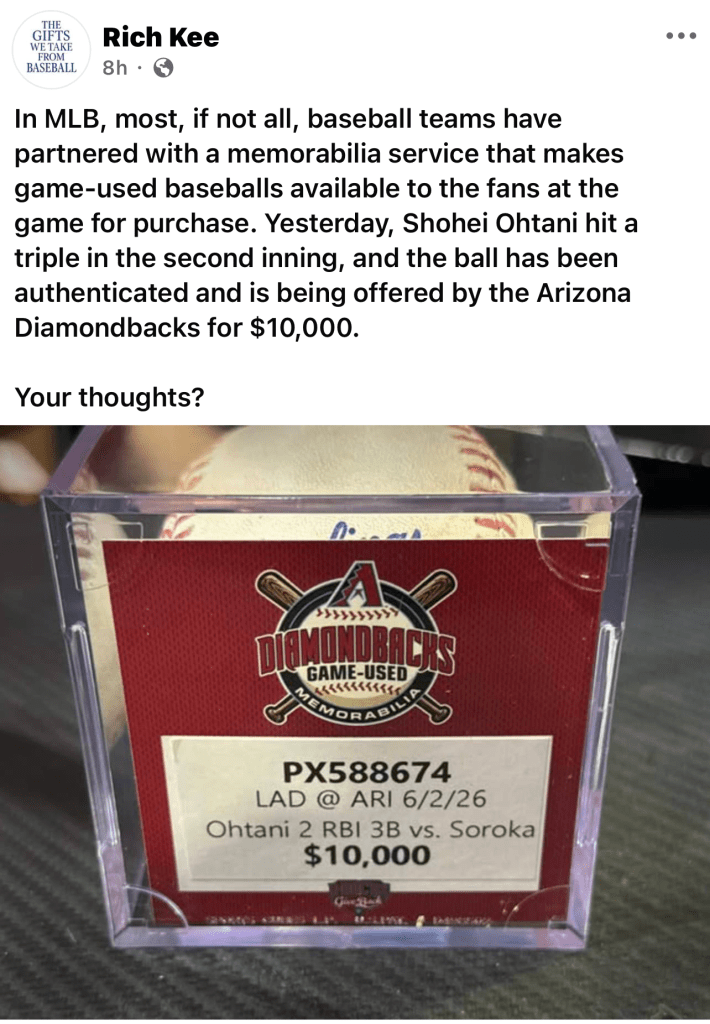
This current world of like, follow and subscribe leads us to verify the words of Addy Baird, a Salt Lake Tribune political reporter, New York Mets fan and self-assigned astrologer who has had these same questions and tries to align them with her own cosmic choreography of how the game brings her enjoyment.
She signs off on Chapter 8, “The Death of Magic,” with the reminder: “An unchanging thing is a dead thing.” It’s her fortune cookie response to spending the previous 30 pages wrestling with her own angst over the game’s re-calibration, which included better defining infield defensive shifts, larger bases and all those other clockings. It’s along the lines of what Jane Leavy nailed to the MLB front door with her “Make Me The Commissioner” petition. The church of baseball can’t be selling its sacred indulgences.
This is the break out part of Baird’s current events section.
She finds so many instances going back to the 1800s when writers were handwringing over baseball’s changes. She finds a fabulous Bill James’ line: “Until 1945, baseball did have a clock. It was called the sun.”
He also wrote in 2024: “The vast proliferation of (and fascination with) small measurements (exit velocity, pitch counts, pitch movement, launch angles, etc.) represents not the success of sabermetrics, but its failure. We have fallen back into details. It’s like our clothes have been caught in the machinery.”
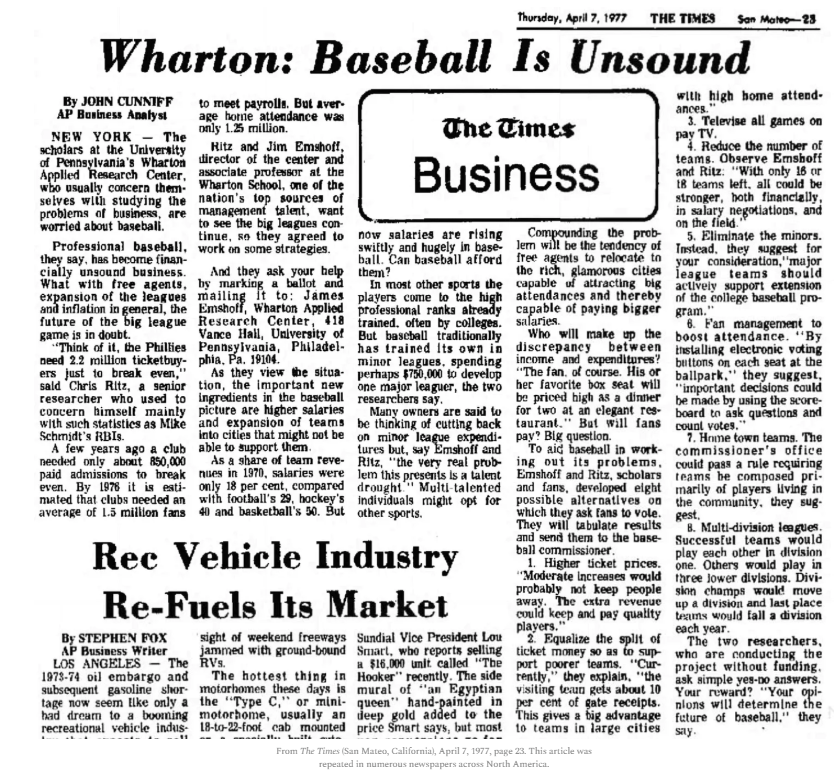
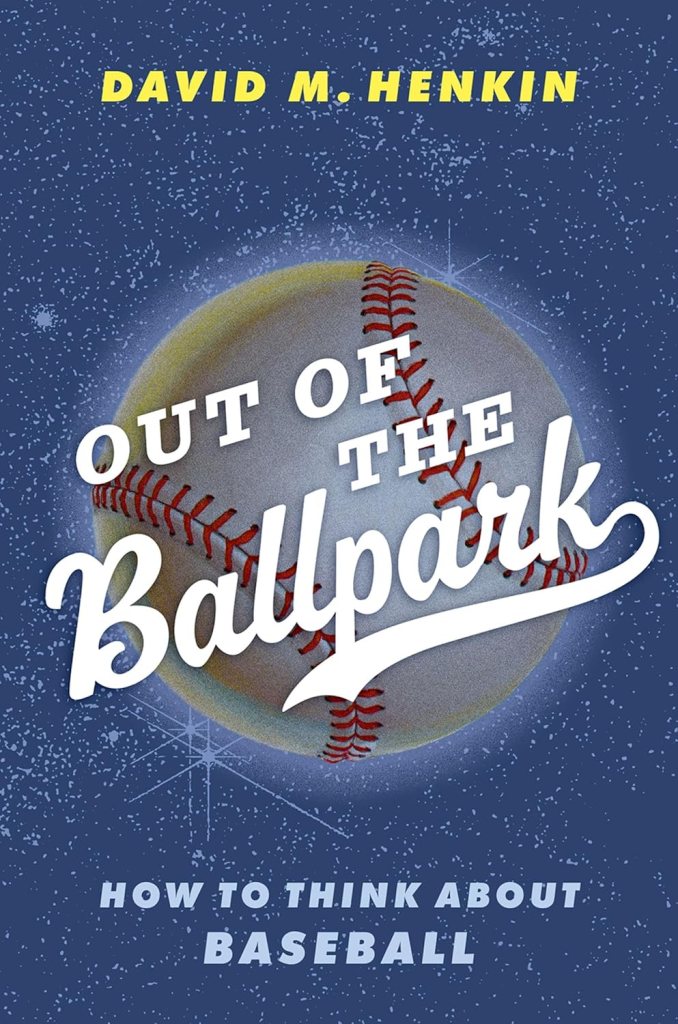
Reformation and enlightenment and adversity and people’s schedules have brought us to this moment, and maybe the magic is more nostalgia in our minds … and just what is nostalgia? Baird does a fabulous job of explaining that word’s origin and how it’s been twisted a bit. She also extracts, on page 223, how the MLB rulebook since 1901 had this: “The umpire shall call a ball on the pitcher each time he delays the game by failing to deliver the ball to the batsman for a longer period of 20 seconds.”
The rule had simply been unenforced. It was there to make sure the game was fun. It had “an excitement and vim about it.”
We do as well after soaking all this in.
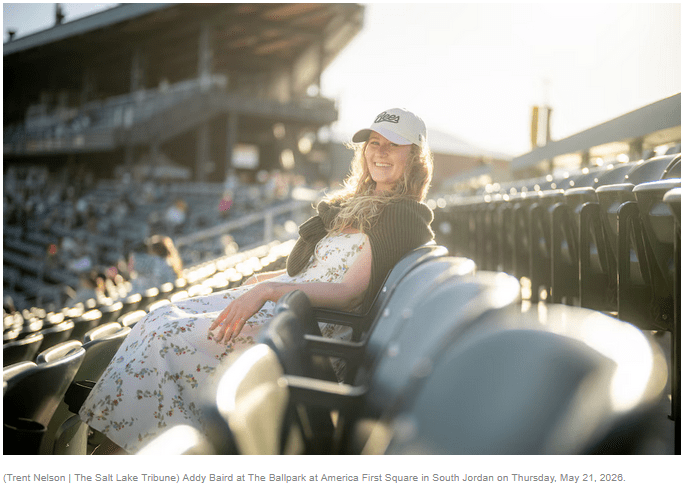
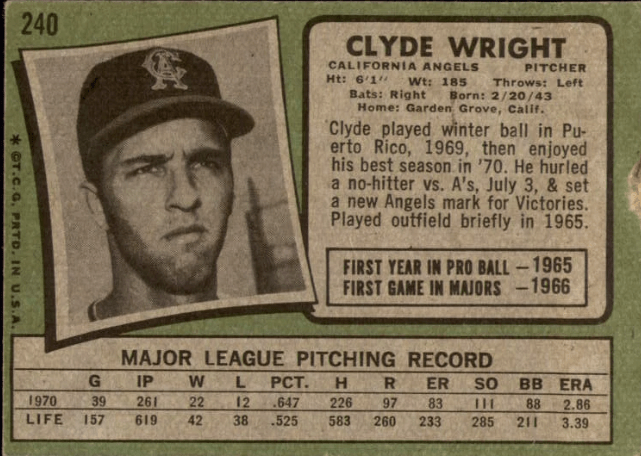
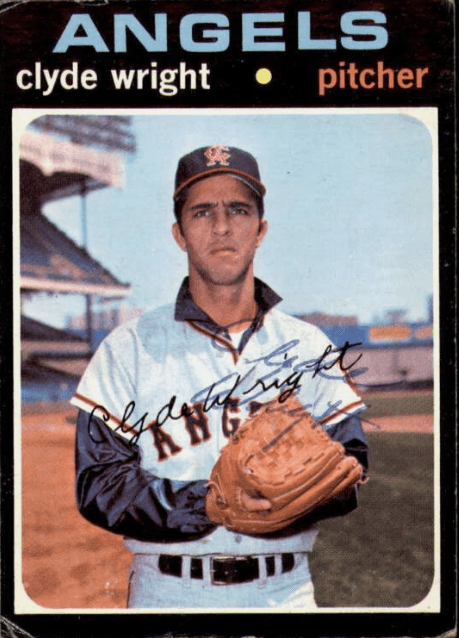
A day before her book’s official launch, she wrote a piece for the Trib that led off with a conversation she had in 2024 with former Angels pitcher Clyde Wright, trying to pick his mind as to whether or not the franchise he played for in Anaheim was, well, just plain doomed.
“It was a winding and special conversation, and it became one of my favorites among the dozens of interviews I did for my new book,” she wrote.
Wright’s conversation is embedded the start of Chapter 3 titled “The Jinx,” when he discusses how teammates tend to act goofy when a pitcher is in the middle of crafting a no-hit bid — which Wright succeeded with on July 3, 1970 against Oakland before just 12,000 on a Friday night in Anaheim. It makes one think how, 45 years later, the same sort of incredible thing could happen with just as few fans on a Fourth of July weekend.
As much as Wright added to this jinx discussion, we’re reminded of a spot-on assessment Vin Scully gave in a 1960 story that ran in the Los Angeles Times: “It’s insulting the listeners to make them think they’re silly and superstitious enough to believe my telling them that a no-hitter is going will affect the game. You see, no one expects a listener to hang on to every word for three hours. They leave the radio from time to time and this service must be rendered.”
Scully, who called three perfect games among his 20 no-hitters, as well as many that were spoiled late, absorbed that philosophy from Red Barber, who Baird quotes from his 1993 book saying: “This hoodoo business started in the dugouts with a fairly reasonable premise — fear of putting undue pressure on his pitcher, who just might be blissfully unaware … Then, before the radio came along, this hoodoo, or jinx, got up in the press box … it spread into the broadcasting booths. Not mine.”
Wright could have added to the discussion about this long-held belief that the Angels are a cursed franchise.
Continue reading “Day 19 of 2026 baseball books: What affects the Mojo Effect?”