The final post of 2026 new baseball book reflections, in a lineup posted between April 1 and June 16 covering more than 40 titles and leaving even more uncovered.
It leads us into this temptation to deliver baseball from its many evils. Instead of stewing, we read about its history, its culture, it’s pull on our psyche.
A few closing thoughts from a wanna-be set-up man and/or innings-eater who starts his day in the bullpen:
== Father’s Day gifts don’t always have to be the newest and shiniest books.
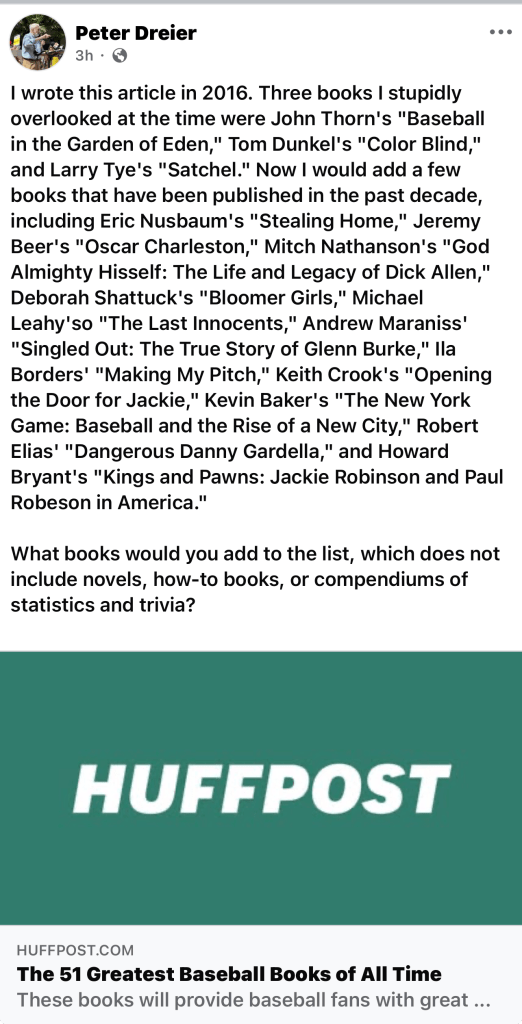
Ten years ago, Pete Drier pulled together what he believed to “The 51 Greatest Baseball Books of All Time” for the now-defunct Huffington Post. “These books will provide baseball fans with great enjoyment and food for thought,” the subhead read. “But readers with little interest in baseball will also discover much they didn’t know about American society through the lens of this fascinating sport.”
What books would I add to this list, if asked?
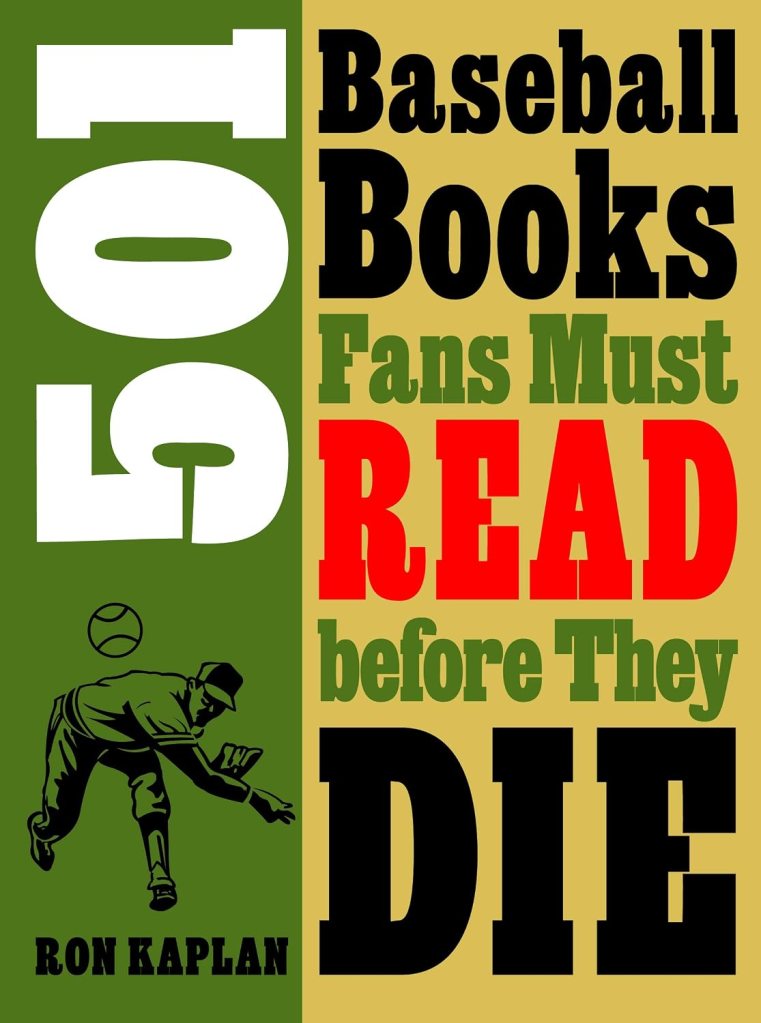
First, add a well-placed “0” to that “51,” and you’ve got Ron Kaplan’s “501 Baseball Books Fans Must Read before They Die,” released in 2013. It still has an impeccable shelf life, although Kaplan admits it’s worthy of a refresh. You go Ron. And thanks for the connection 13 years ago. Visit to his website, and he’ll send you an Excel checklist of all 501 books for you to knock out.
Admittedly, the newest releases keep us fresh on historical perspective, cultural trends, humanity, rules, trivia, Hall of Fame reconsideration. But our topics of interest keep evolving as well. I might do better now re-reading books I once reviewed. It’s healthy to see what we read years ago resonates differently now. It’s a newly-turned 65-year-old grandfather approach, I suppose. What do I want to pass along to the next generation? Start with kids titles, eh?
Reading, and writing reviews, and posting them with no charge is an honor. They are extended social media posts.
But what if the general flow of book reviews dried up? This annual exercise caused us to pause when the New York Times Book Review posted a piece last April titled “Where have all the book reviews gone? What the rise of A.I. and the gutting of books coverage across U.S. media will mean for literature.” It seemed to actually lament a competitor’s decision to shut down its review-centic publication:
“Only yesterday, it seems, nearly every American newspaper, dozens and dozens of them, even in midsize cities, ran book reviews by local critics. The alternative weeklies (I wrote for many of these) had feisty and clamorous and occasionally nutty book sections.
“Sometimes an off-the-wall review,” Norman Mailer said, “can be as nourishing as a wild game dinner” . . .
The recent shutting of The Washington Post’s Book World, one of the nation’s last free-standing books sections, feels like the end of something larger. It marks an inflection point in America’s literature, which can’t thrive without serious, fervent and quick-witted criticism: public talk, back and forth, between competing voices, in something like real time. The thin crust of American intellectual life, long flaking, has begun to show bald patches.”
From that came a response from the astute writer Craig Calcaterra: “It’s never been a mystery to me why newspapers and other outlets don’t really run substantive book reviews anymore. But it’s still a shame. There’s honor, utility and, sometimes, literary and intellectual merit in a well-written book review. A good book review is something that can nourish and inform readers in ways that a hell of a lot of stuff in the newspaper can only dream of providing. But there’s no money in it for the newspapers. And, honestly, not enough people care.”

I care. I feel a duty. I have a need. I also have no real data to back any of it up, except an occasional comment or email. Certainly, no data to show any consistent readings of these posts. It’s faith and a baseball community I hope generates some circulation. These are therapeutic to do in a set period of time at a point in time when some people just seem to be “settling.”
I sense a gradual erosion of mining the most accurate information, because it takes extra effort. Put in the work. Take the journey. Don’t AI this stuff.
In fact, curate a list like Ted Giola did here with “The Honest Broker.” It’s “A Reading List for the End of Civilization.” It’s a response to The Atlantic pinning him as “the ultimate source on the death of civilization.”
Don’t kill the messenger.
If you’re in search of a Father’s Day gift-gifting list, consider this 2026 spring selections, in order of enjoyment — and if the title is from the University of Nebraska, which eloquently provided the platform for “Perfect Eloquence: An Appreciation of Vin Scully” in ’24, the publisher is offering a 50 percent discount on its titles through July 31 with the 6SUMM26 discount code at the finish line. (Please, order them straight from the website and avoid the Amazon shitshow, even if it promises to deliver the order at 3 a.m.)
And before the next round of reviews: Could someone just make the typeface a little bigger?
Top of the lineup:
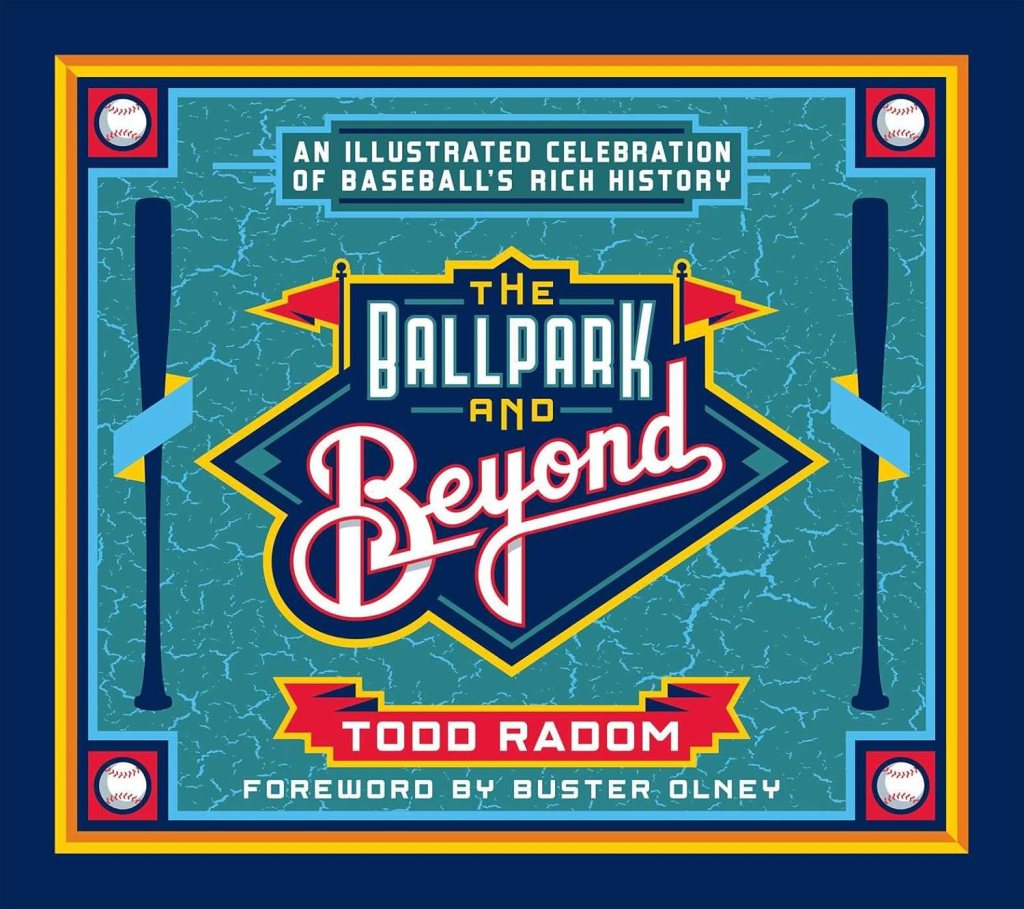
Day 15: “The Ballpark and Beyond: An Illustrated Celebration of Baseball’s Rich History” by Todd Radom (Sports Publishing/Skyhorse/Simon & Schuster, released May 26, ’26).
Also celebrated: “Art But Make It Sports: Where Art and Sports Collide,” by LJ Radar (Chronicle Books, released March 16, ’26.)
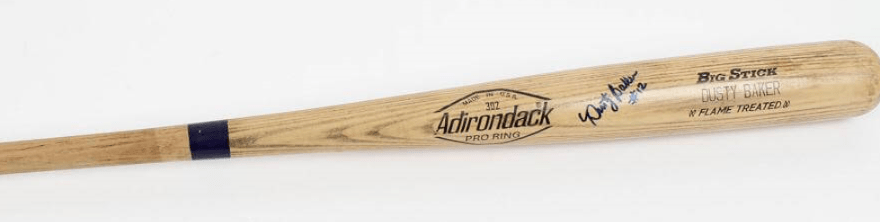
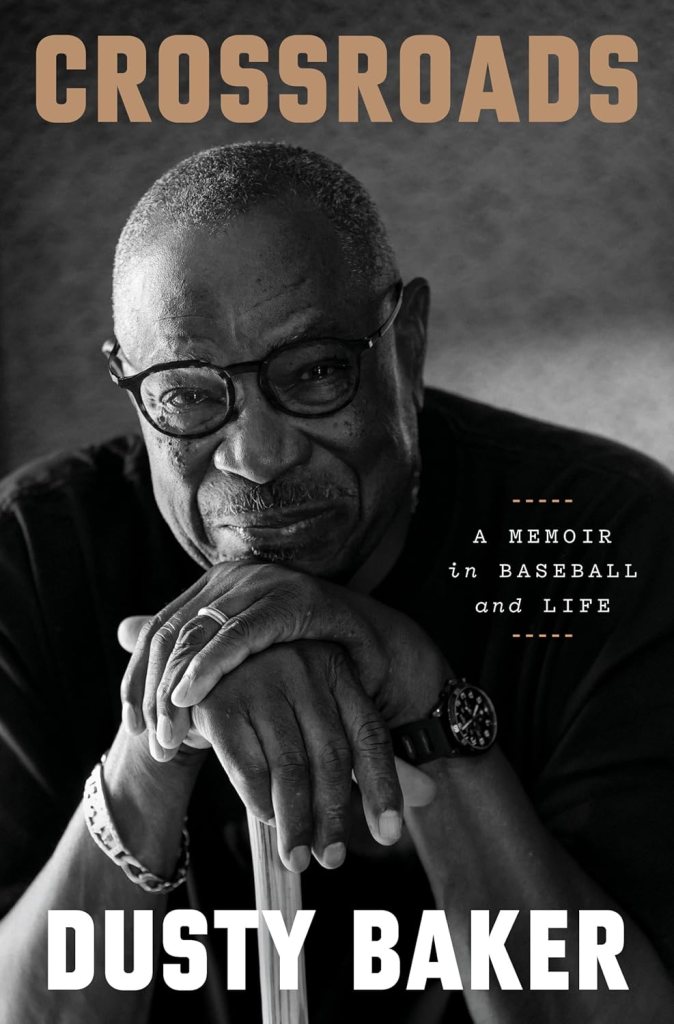
Day 18: “Crossroads: A Memoir in Baseball and Life” by Dusty Baker (Crown Publishing/Penguin Random House, released June 9, ‘26)
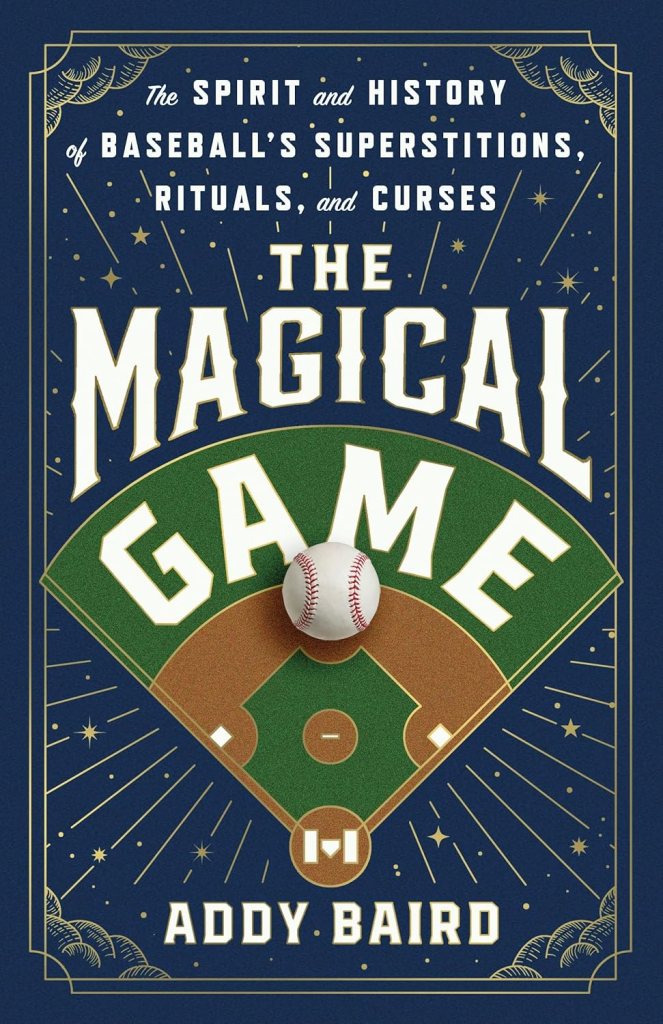
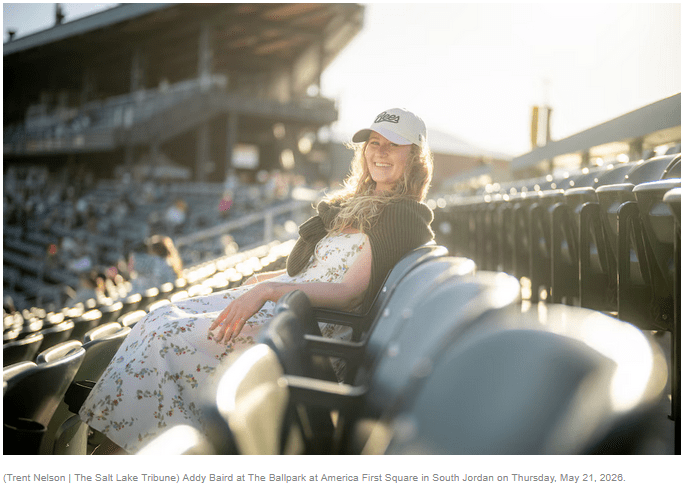
Day 19: The Magical Game: The Spirit and History of Baseball’s Superstitions, Rituals, and Curses” by Addy Baird (St. Martin’s Press/MacMillian, released June 2, ‘26)
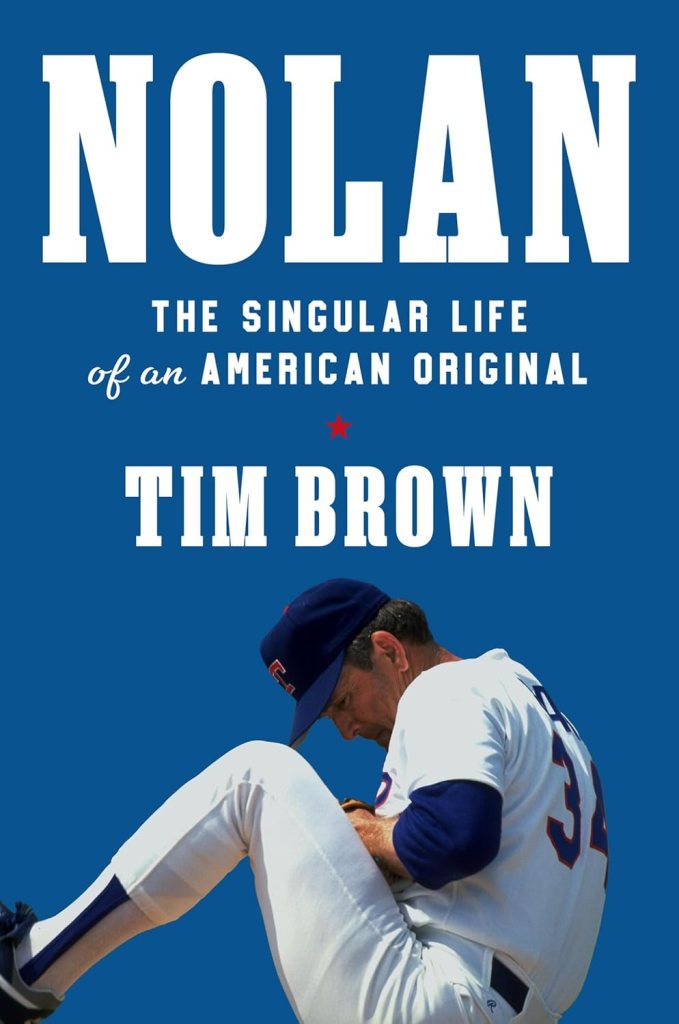
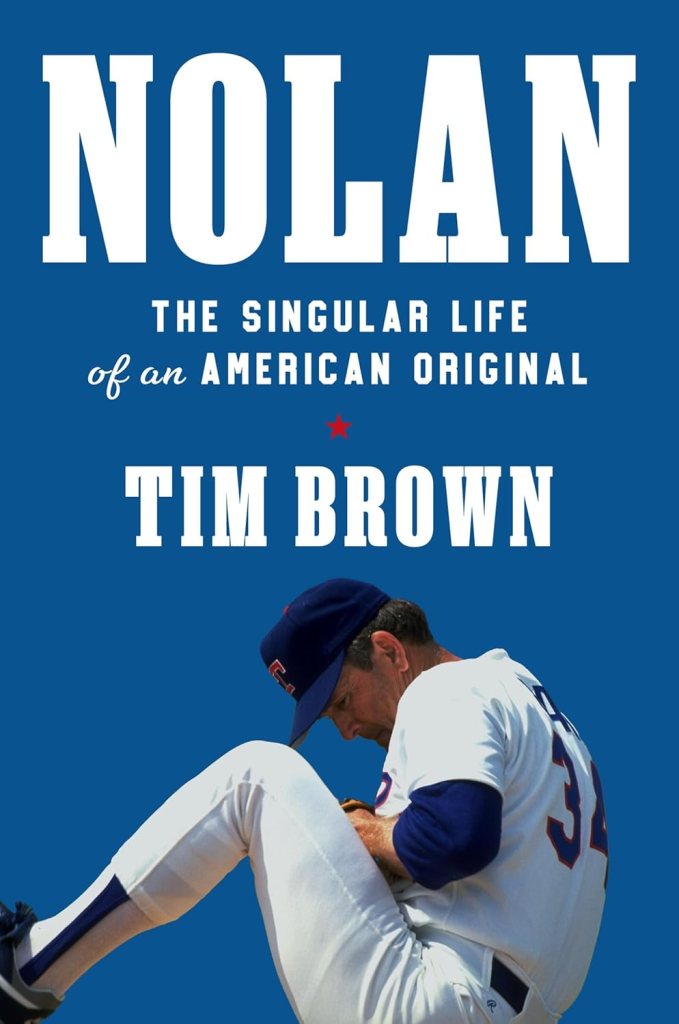
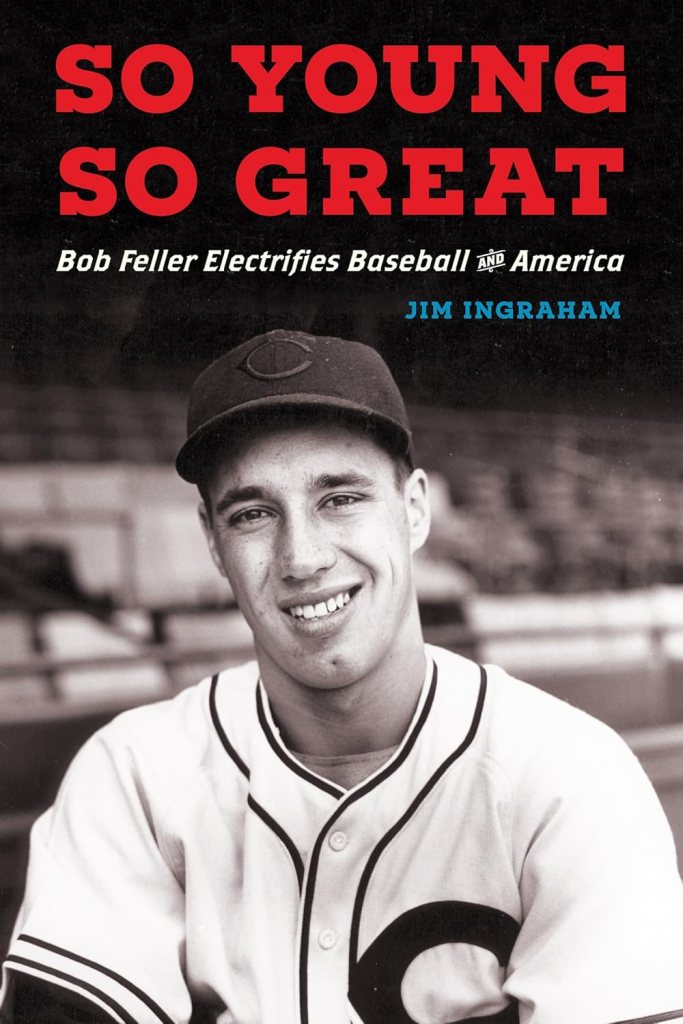
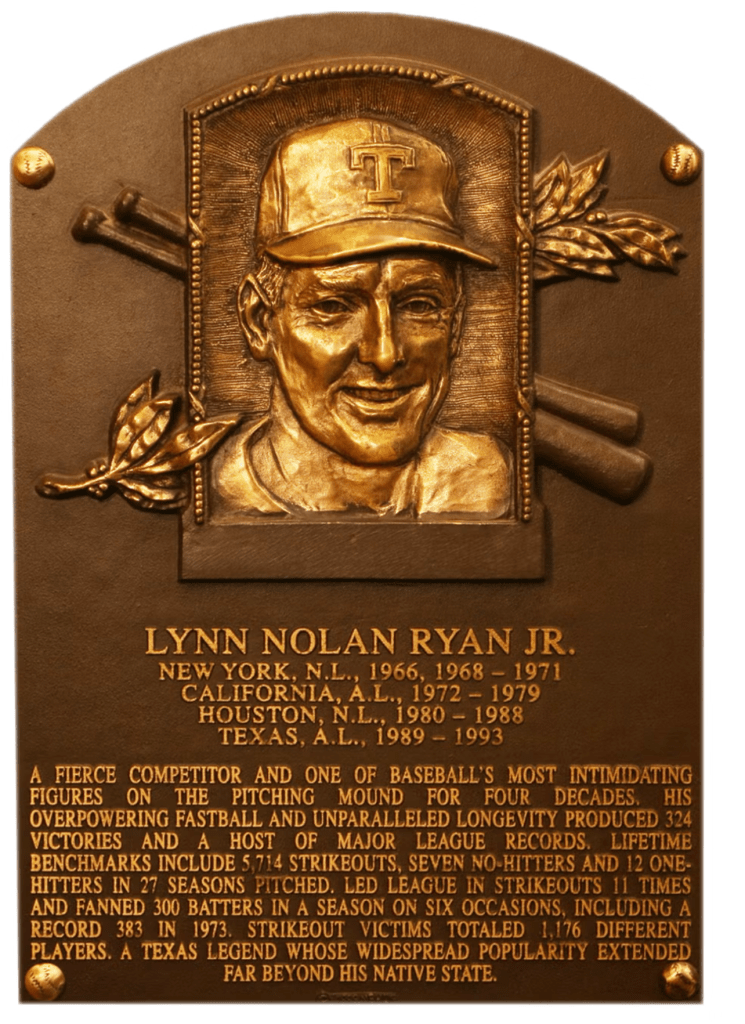
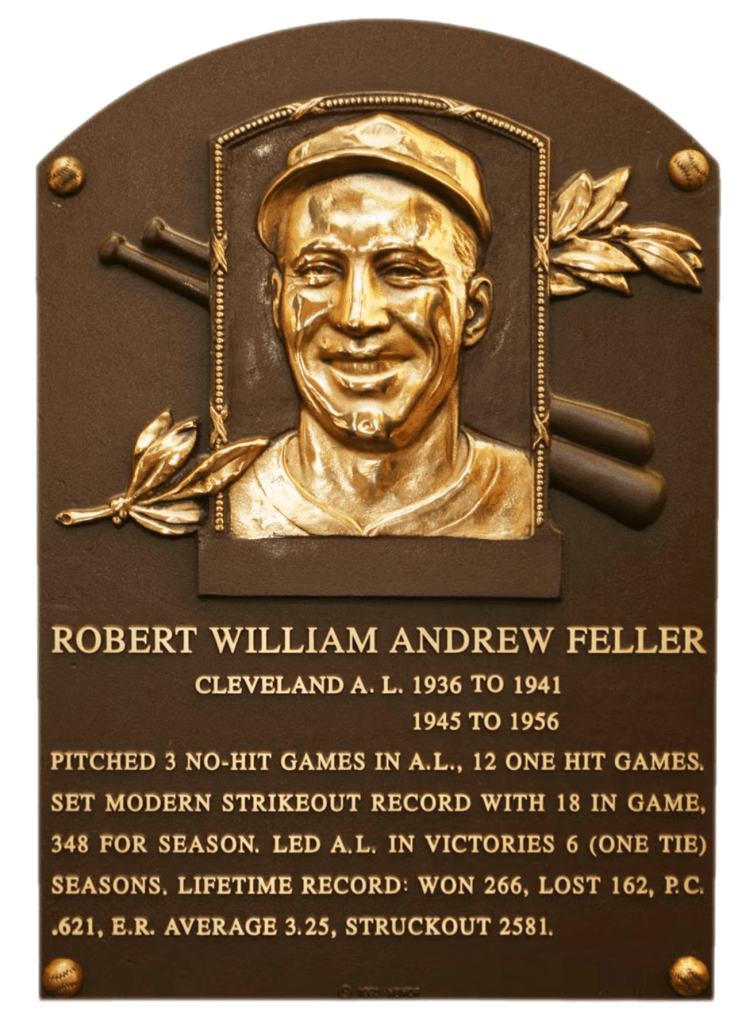
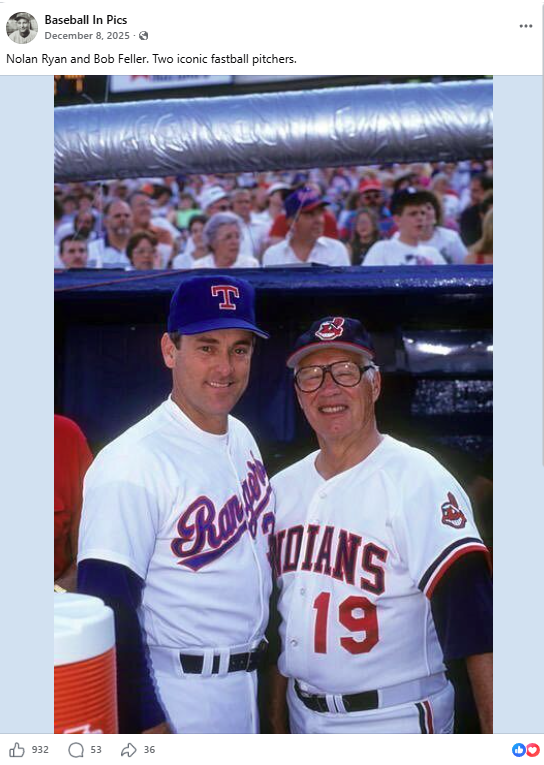
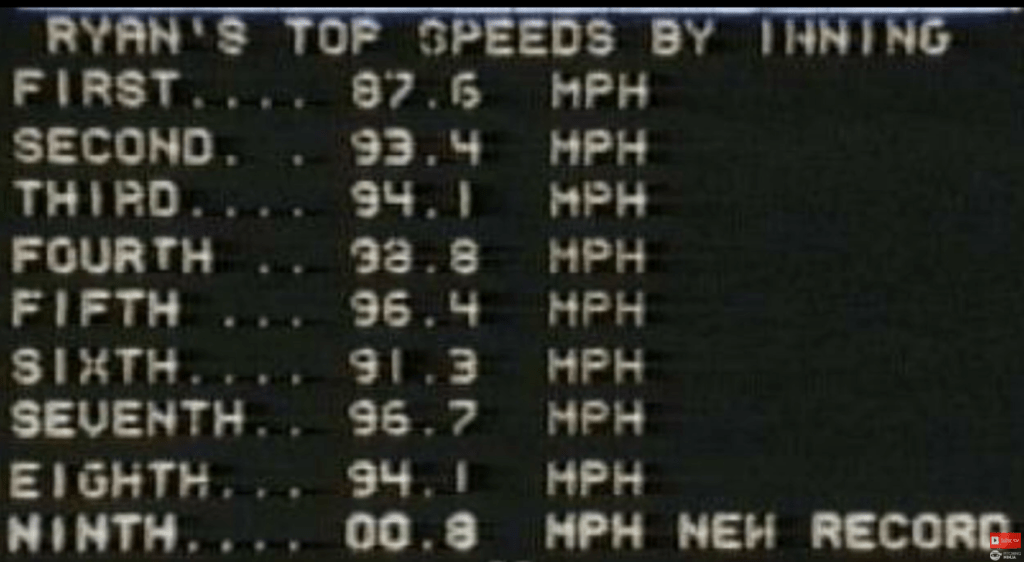
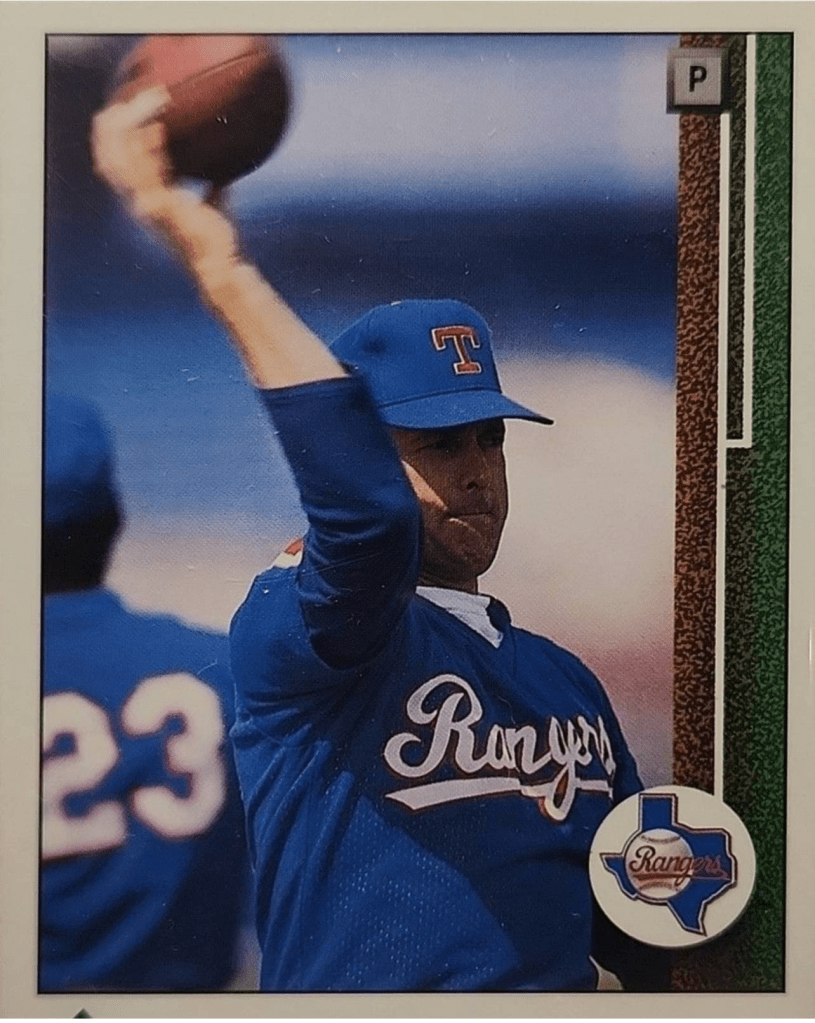
Day 16: “Nolan: The Singular Life of an American Original” by Tim Brown (Grand Central Publishing/Hachette, released May 19, ’26) and “So Young, So Great: Bob Feller Electrifies Baseball and America” by Jim Ingraham (University of Nebraska Press, released June 1, ’26).
Also mentioned: “Baseball As It Was: Building Champions Before Free Agency Changed Everything,” by John Ferling (Tatra Press, released April 26, ’26; $32)
Day 4: “Death in the Strike Zone: The Mystery of America’s First Baseball Hero” by Thomas W. Gilbert (David R. Godine Publishing, released March 24, ’26)
Heavy hitters:
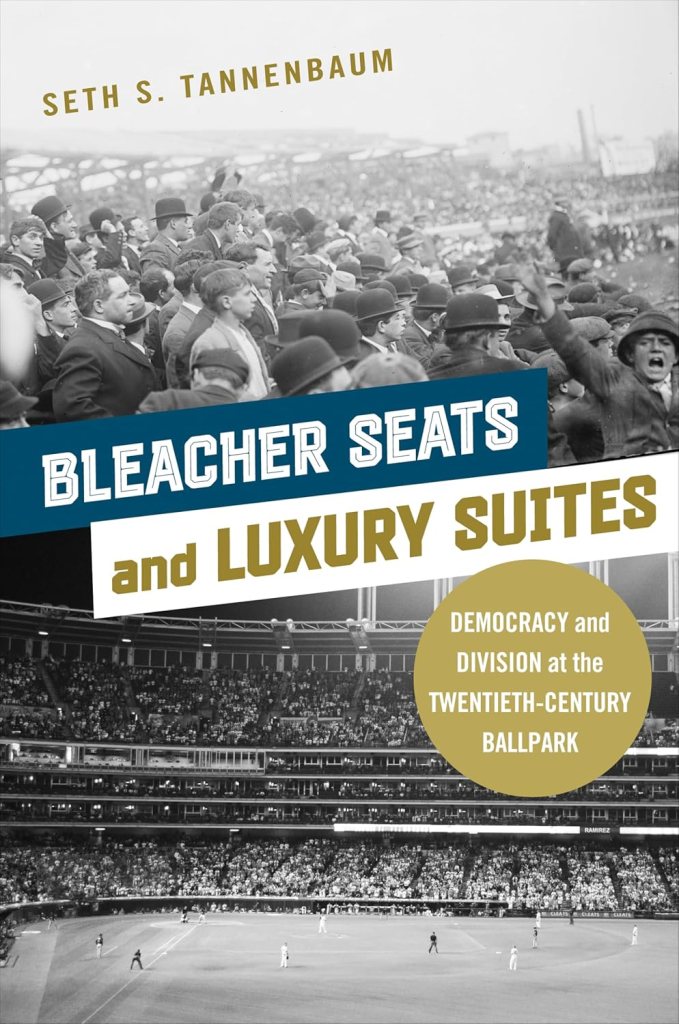
Day 14: “Bleacher Seats and Luxury Suites: Democracy and Division at the Twentieth-Century Ballpark” by Seth S. Tannenbaum, Ph.D. (University of Illinois Press, released March 31, ’26)
Day 13: “How Retrosheet Saved Baseball” by Jay Wigley (Wiglesius Press/self published, released April 3, ‘26)
Also celebrated: “Out of the Ballpark: How to Think About Baseball” by David L. Henkin (Oxford University Press, released March 16, ’26)
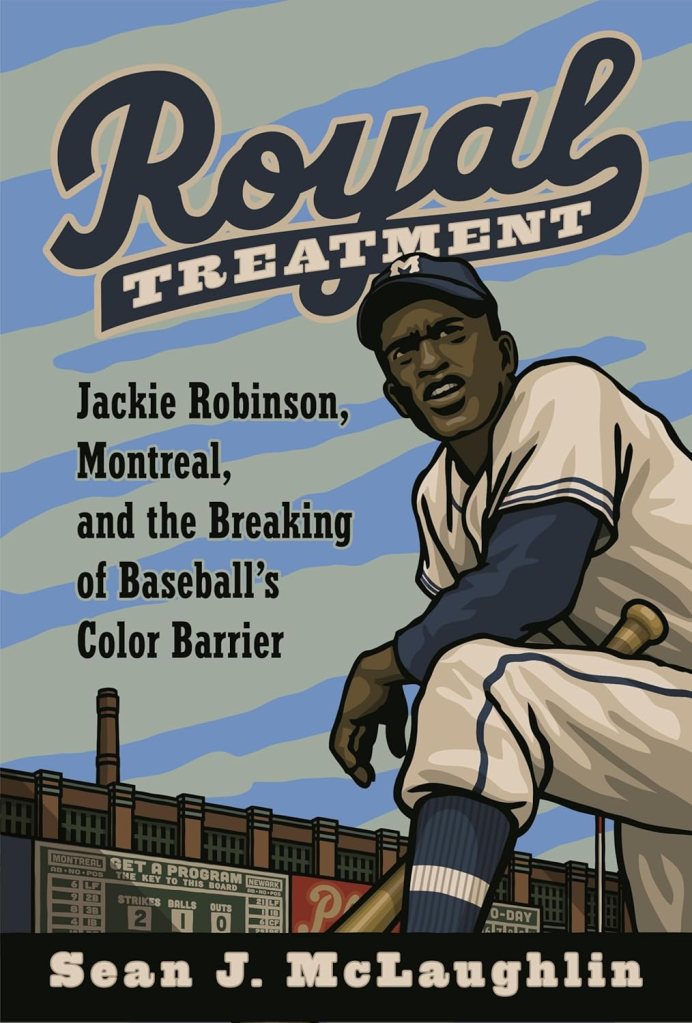
Day 6: “Kings and Pawns: Jackie Robinson and Paul Robeson in America” by Howard Bryant (Mariner Books/HarperCollins, released Jan. 20, ’26) and “Royal Treatment: Jackie Robinson, Montreal, and the Breaking of Baseball’s Color Barrier” by Sean J. McLaughlin/cover design by Gary Cieradkowski (University of Nebraska Press, released April 1, ’26)
Also celebrated: “Integration at Second Base: Jackie Robinson and the Quest for Black Citizenship” by Peter Eisenstadt (University of Virginia Press, released April 15, ’26); “Opening the Door for Jackie: The Untold Story of Baseball’s Integration” by Keith Evan Crook (McFarland, released Nov. 26, ’25); “Black Baseball’s Heyday: Capturing an Era in Art and Words,” by Denny Dressman; illustration by Anthony High (McFarland, released Dec. 4, ’25); “Simulating Satchel: A What-If History of Integrated Major League Baseball in 1934,” by John Graf (McFarland, released March 5, ’26)
Protecting the heart of the order:
Day 12: “The Universal Baseball Association, Inc., J. Henry Waugh, Prop.,” by Robert Coover, new introduction by Ben Marcus (NYRB Classics, originally released in 1968; re-release March 17, ‘26)
Also celebrated: “Out of the Ballpark: How to Think About Baseball” by David L. Henkin (Oxford University Press, released March 16, ’26)
Day 3: “Before They Wore Dodger Blue: Tommy Lasorda And the Greatest Draft Class in Baseball History” by Eric Vickrey (August Publications, released Dec. 7, ’25)
Also celebrated: “The Gifts We Take from Baseball: A Dodger Photographer Memoir,” by Richard Kee (Taylor Publishing, published Nov. 8, 2025); “The Ross Porter Chronicles: Vol. 1: The Dodgers Years,” by Ross Porter (with Mike Kunert, Halcyon Street Press, released Oct. 13, 2025)
Day 11: “Ford Frick: Baseball’s Third Commissioner And His Four Decades of Shaping the Game” by Dave Bohmer (University of Nebraska Press, released April 1, ’26) and “A League of His Own: A. G. Spalding and The Business of Baseball” by Mark A. Stein (Lyons Press, released Jan. 6, ’26)
Also celebrated: “Make Me Commissioner: I Know What’s Wrong with Baseball and How to Fix It,” by Jane Leavy (Grand Central Publishing/Hachette, released Sept. 9, ’25)
Day 10: “The First All -Star Game: Babe Ruth, FDR, and America at the Crossroads” by Randall Sullivan (Grove Atlantic, released June 2, ’26)
Role players:
Day 1: “Decoy Saves Opening Day” by Shohei Ohtani and Michael Blank/Illustrated by Fanny Liem (HarperCollins,released Feb. 3, ’26) and “Shohei Ohtani: A Little Golden Book Biography” by Nicole de las Heras/Illustrated by Toshiki Nakamura (Little Golden Book Biographies/Penguin/Random House, released March 3, ’26)
Day 9: “Baseball’s Most Outrageous Promotions: From Wedlock and Headlock Day to Disco Demolition Night” by Joseph Natalicchio (McFarland, released Dec. 4, ‘26)
Day 8: “Baseballisms: A Murders’ Row of Metaphors and Idioms” by Leonard Skonecki (McFarland, released May 22, ’26)
Day 2: “The Finest in the Field®: A History of Baseball Through 50 Iconic Gloves” by Ed Wheatley (Rizzoli USA Publishing, released March 24, ‘26)
Motion with the cupped hands over the ears …
Day 17: “The Complete Book of Baseball Trivia: Test Your Knowledge with 750 Questions” by Matt Chandler (Sourcebooks/Callisto publishing, released March 3, ‘26)
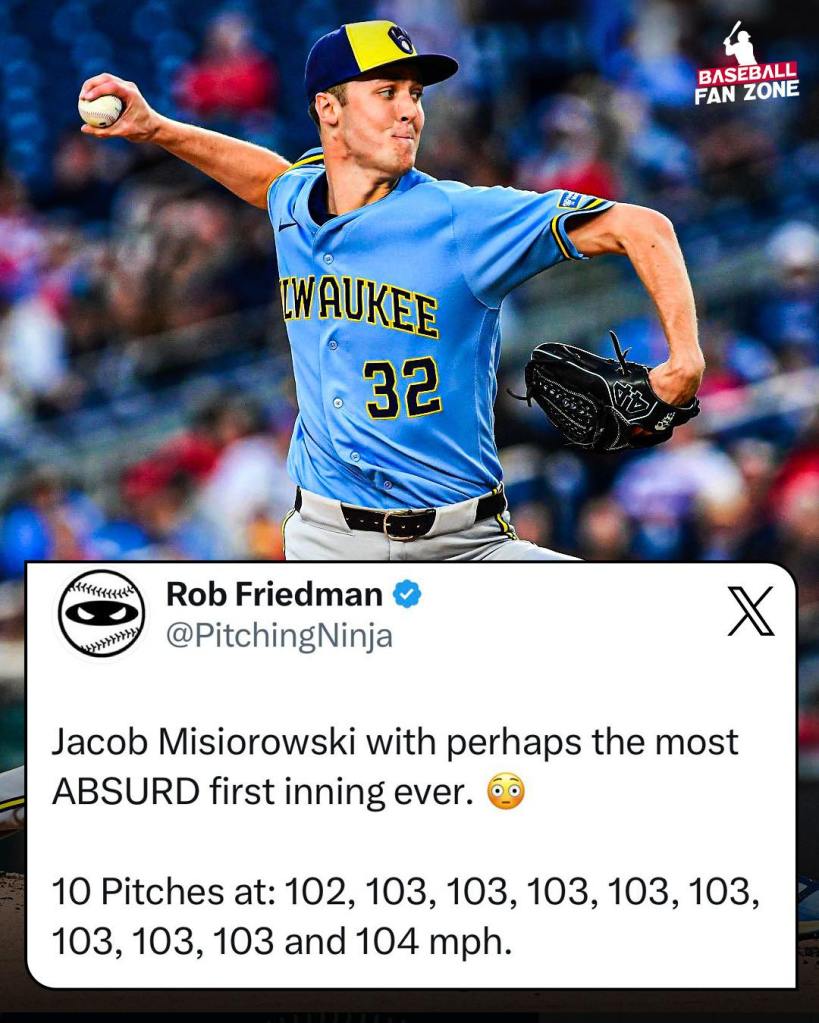
Day 7: “Unhittable: How Technology, Mavericks and Innovators Engineered Baseball’s New Era of Pitching Dominance” by Rob Freidman/aka Pitching Ninja (HarperCollins, released March 24, ‘26)
Day 5: “Metropolitans: New York Baseball, Class Struggle, and the People’s Team” by A.M. Gittlitz (Astra House, released March 31, ’26); “Willie, Duke, and Mickey: New York City Baseball’s Golden Age Amid Integration” by Robert Cottrell (Bloomsbury Academic, released Feb. 5, ’26); “The Subway Series: New York City’s Illustrious Baseball Tradition” by Rick Laughland (Lyons/Globe Pequot, released Feb. 3, ’26); “Mickey & Billy: The Glory and Tragedy of a Yankee Friendship” by Tony Castro (Diversion Books/Simon & Shuster, released Feb. 24, ’26); “7 Swings at 7: Mickey Mantle — Legend and Victim of American Culture” by Robert E. Weir (Summer Game Books, released November of ’25); “The Bosses of the Bronx: The Endless Drama of the Yankees Under the House of Steinbrenner” by Mike Vaccaro (HarperCollins, released March 24, ’26); “Hot Foot: My Hijinks and Upside-Down Life with the 1986 World Champion New York Mets” by Roger McDowell (with Doug Feldmann, Triumph Books, released March 24, ’26); “The 50 Greatest Players in New York Mets History” by Robert W. Cohen (Lyons Press/Globe Pequot,released March 3, 2026).
Reading the room going forward:
Regrets for those authors whose titles we haven’t been able to carve the time or attention to absorb in a way that’s up to our standards, but are worthy to post here for further research and consider as they sit atop the pile of next-up:
Dodgers, kids, grandpa fun:
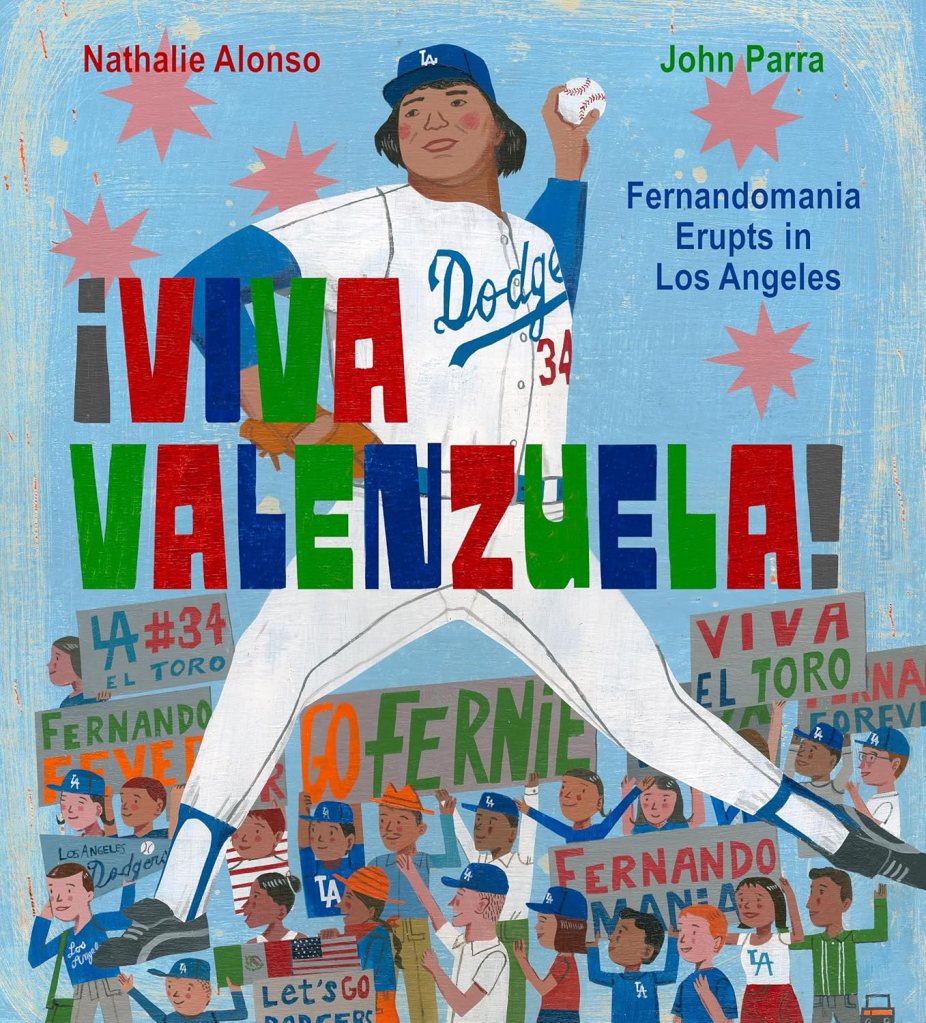
“¡Viva Valenzuela! Fernandomania Erupts in Los Angeles” by Nathalie Alonso/Illustrated by John Parra (Caulkins Creek Publisher/Penguin Random House, 40 pages, $19.99, age range 7-to-10 years, released on March 24, ‘26).
Available in English and Spanish. A wonderful piece of art and collectable for Dodgers’ fans. Young and young at heart. We still struggle to accept he’s gone. He’s the heart of our SoCal Sports History 101 bio project when it comes to sizing up No. 34. Astra Publishing House even has a download to print out a Valenzuela book coloring page. Alonso is a Cuban American bilingual writer and journalist working as a reporter and producer at MLB.com’s Spanish-language sister site, MLB Español. She also did “Call Me Roberto! Roberto Clemente Goes to Bat for Latinos.” Parra’s work includes “Frida Kahlo and Her Animalitos,” which drew a New York Times Best Illustrated Children’s Book Award.
Inspirational:
“The Talented Misters Hoy and Taylor: The Remarkable Journeys of Baseball’s Greatest Deaf Players” by Jim Reisler (The details: Lyons Press/Globe Pequot, 376 pages, $34.95, released May 12, ‘26)
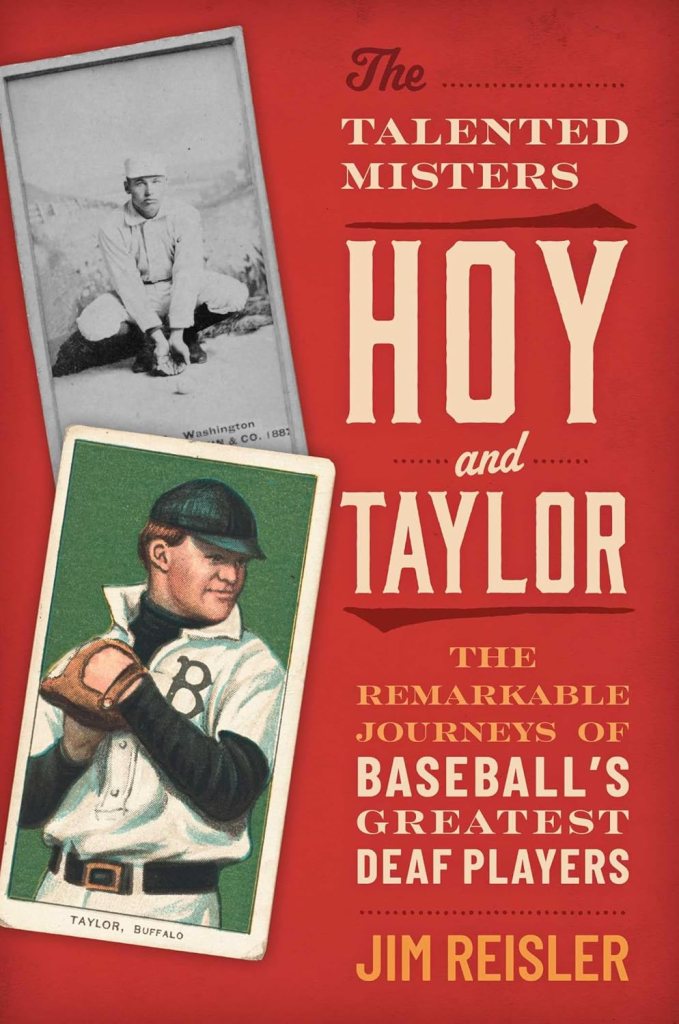
The review we pulled together on Curtis Pride’s 2025 book, “I Felt the Cheers: The Remarkable Silent Life of Curtis Pride” gave us a better window into this subject, as Pride described his connection to these players. The remarkable event is Hoy and Taylor once played against each other, in 1902. Here’s more from the SABR bio projects of Hoy and of Taylor. There a movement to get Hoy consideration for the Baseball Hall of Fame — Gallaudet University named its baseball field for him, he’s been the subject of two recent films, a documentary, at least three children’s books. Now, this. Taylor made.
War history buffering:
“Warm Summers and Cold Winters: How Baseball Survived the Korean War,” by Steven Gietschier (Bloomsbury, 288 pages, $36, released April 16, ’26).
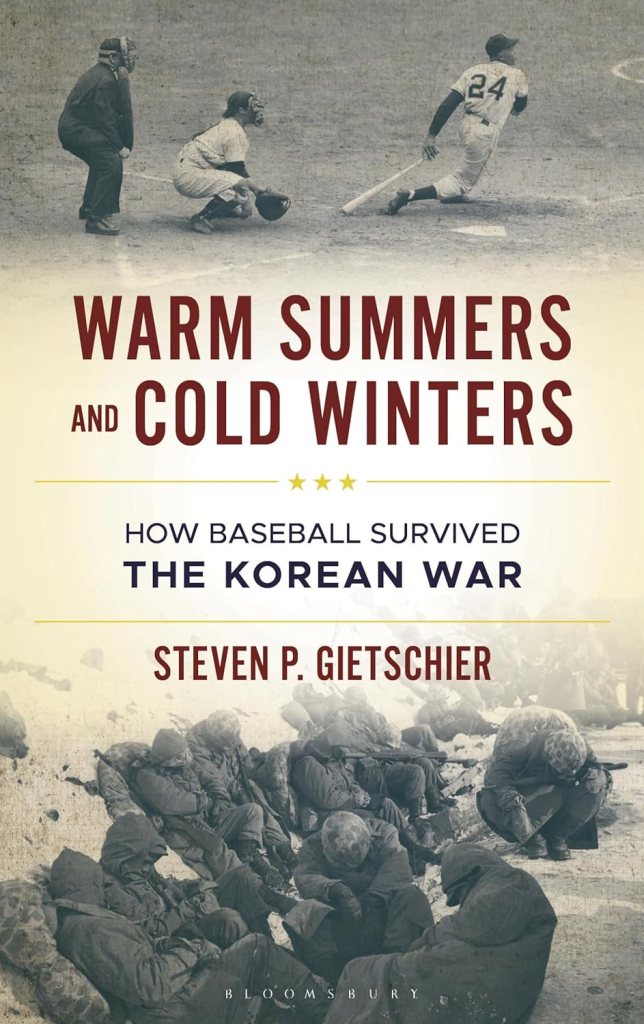
One of our favorite modern-day baseball historians — as we wrote about his 2023 epic, “Baseball: The Turbulent Midcentury Years,” which held our attention for 624 pages — so there’s a trust established. The Korean War came up on baseball as it was still trying to re-calibrate after World War II, so the seasons of 1950, ’51, ’52, and ’53 are now in the cross hairs. From our historic lens, that’s also when we got the debut of Sports Illustrated in 1954, sporting a cover that highlighted baseball. Gietschier notes that this period produced the Philadelphia Phillies’ Whiz Kids in 1950, the “Shot Heard ‘Round the World” in 1951, the debuts of Willie Mays and Mickey Mantle, and the final days of Bill Veeck owning the St. Louis Browns. How much could America, and baseball, afford to give to this conflict? It’s a conflicting time.
Side note I: Gietschier closed the 2024 NINE symposium of baseball writers in Arizona with a remark he said was once told to him and classmates by Father Ray Schroth, SJ: “Go forth in peace. Have courage. Hold on to what’s good.”
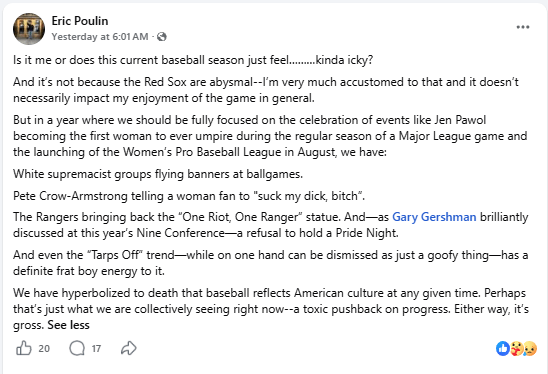
Side note II: Gietschier posted this recently on Facebook that resonated with us as well:
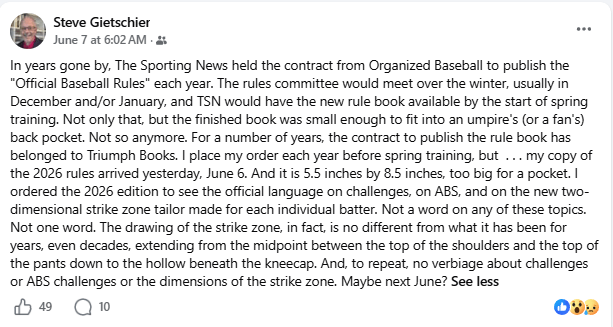
Former MLB umpire Dale Scott eventually responded: “It is ridiculous that the official rule book shows up when the season is halfway over. One of my biggest complaints when I worked for MLB.”
“Battlefields: The Chicago White Sox and the Great War,” by Jim Leeke (Bloomsbury, 280 pages, $32, released Feb. 19, ’26)
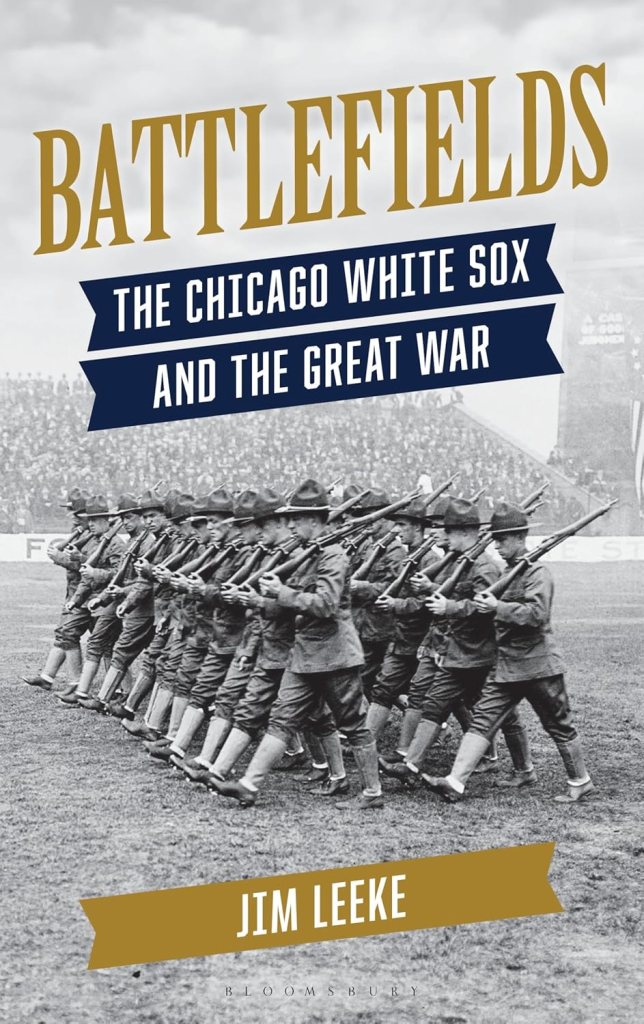
Leeke is another baseball historian with a significant track record of trust — we were last enamored with last year’s “Big Loosh: The Unruly Life of Umpire Ron Luciano,” which was a bit of a diversion from the previous dozen years of military themed baseball titles that include “The Gas and Flame Men: Baseball and the Chemical Warfare Service during WWI” in 2024; “The Best Team Over There: The Untold Story of Grover Cleveland Alexander and the Great War” in 2021; “From the Dugouts to the Trenches: Baseball During the Great War” in 2017; “Nine Innings for the King” in 2015; and “Ballplayers in the Great War: Newspaper Accounts of Major Leaguers in World War I Military Service” in 2013. If there’s more gas that needs to be added to the push to get Shoeless Joe Jackson into the Baseball Hall of Fame, why not add this to the mix.
Global interests:
“In the Japanese Ballpark: Behind the Scenes of Nippon Professional Baseball,” by Rob Fitts (University of Nebraska Press, 312 pages, $36.95, released November, 2025)
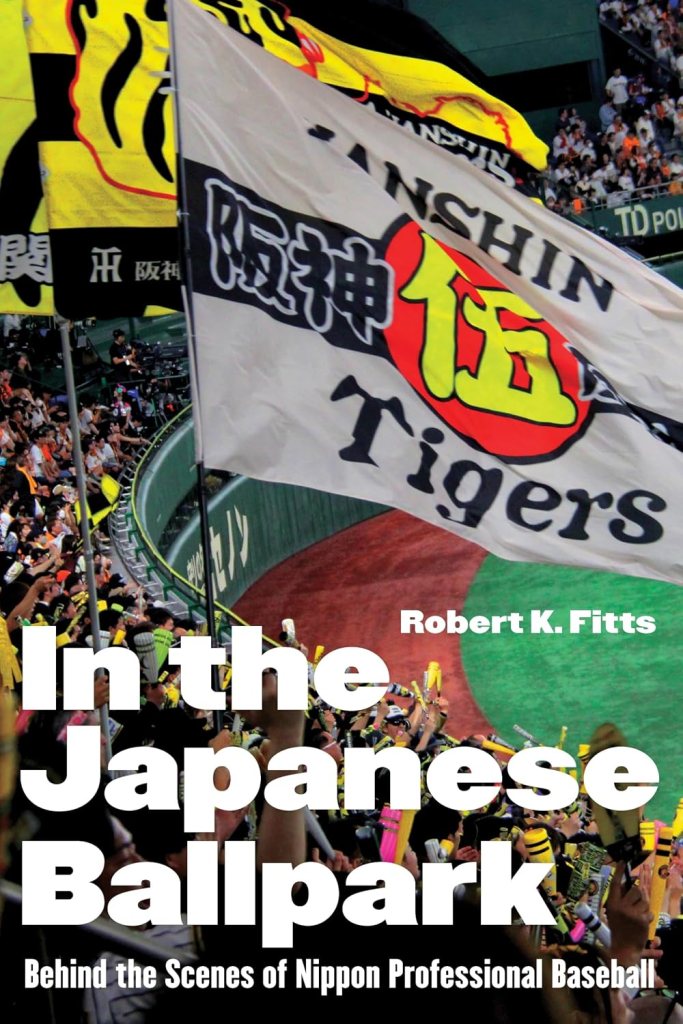
If watching from afar as the Dodgers and Cubs excited the masses at the Tokyo Dome to start the 2025 season still leaves an impression — what would it take to jet over to Japan to see a honest-to-goodness Nippon Professional Baseball League game? — here’s the background knowledge on why it matters. Fitts interviewed more than 20 people associated with the NPB to see what’s behind all the commotion. Seek out Fitts’ previous works that we have reviewed including the 2021 “Pioneers of Japanese American Baseball” and “Issei Baseball: The Story of the First Japanese American Ballplayers” from 2020. Also “Mashi: The Unfulfilled Baseball Dreams of Masanori Murakami, the First Japanese Major Leaguer,” from 2015. Here is a recent review from The Japan Times and an excerpt from SABRAsianBaseball.com and at Howard Cole’s Substack account.
Fitts, who later this year will be at the Baseball Hall of Fame, has a visit to Southern California on July 11:

“We Sacrifice Everything to Baseball: How the Czech Republic’s Amateur Underdogs Became World Baseball Classic Heroes,” by Michael Clair (University of Nebraska Press, 224 pages, $34.95; released April 1, ’26)
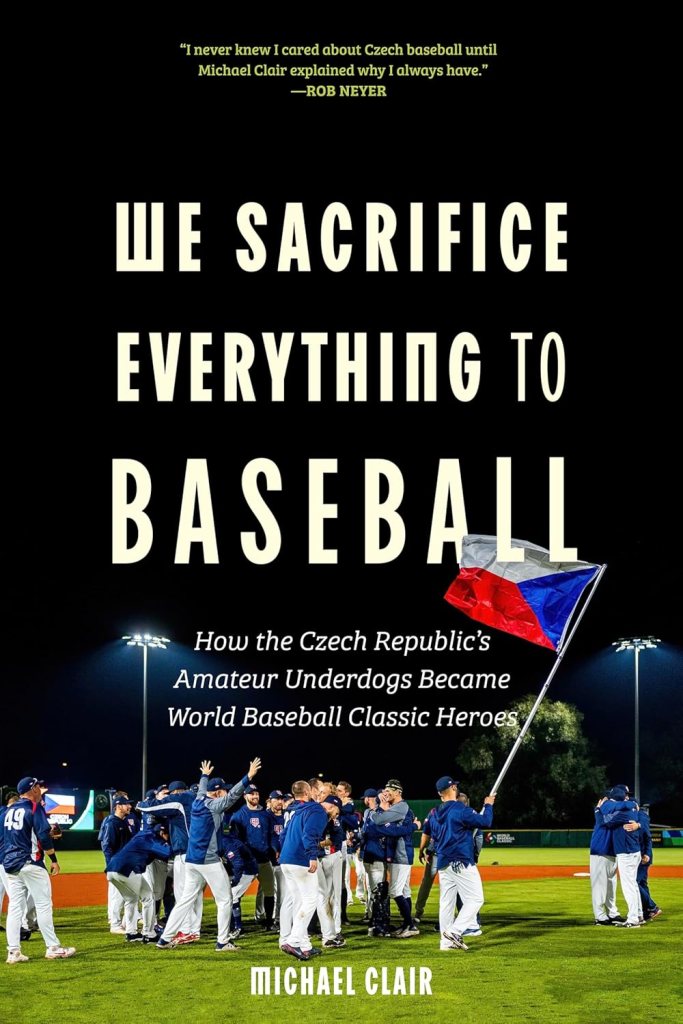
Check it out: Author Jay Jaffe recently posted on Facebook that Clair “is more passionate about international baseball than anyone else I know — his colleagues at MLB even gave him an award to that affect.” Jaffe calls this book “a great and touching account” about how the Czech Republic figured out a way to make it to the 2023 World Baseball Classic (the one that ended with Ohtani striking out Trout to win the title for Japan). The Czech team, making its WBC debut, had to scramble out of a preliminary tournament against Panama, Great Britain and Nicaragua to make it Pool B in Tokyo. The Czechs then outlasted China, 8-5, in its opener lasting nearly four hours, then lost to host Japan (10-2), South Korea (7-3) and Australia (8-3). Here is an excerpt of the book as well as a sample of what he does for the MLB.com International Beat Newsletter. One more plus for Clair: He lives in Brooklyn with his wife and plays in the punk band, The Subway Ghosts.
More SoCal connections:
“The Tragic Story of Willie Davis and Other Expos Vignettes” by Danny Gallagher (Dundurn Press, 288 pages, $19.99, released June 2, ‘26).
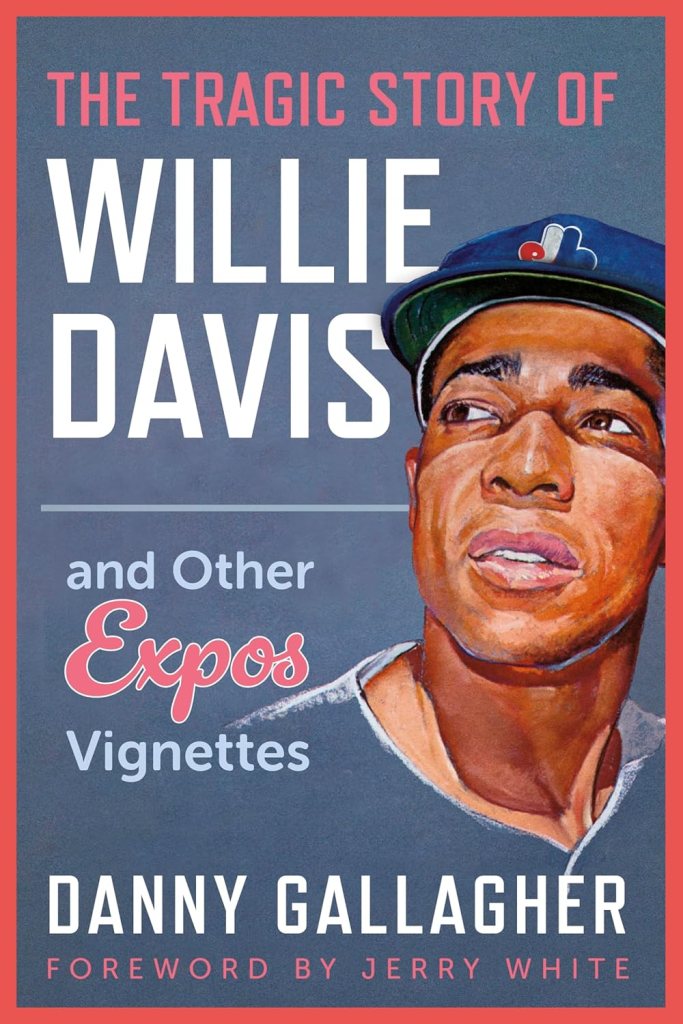
Aside from a beautiful cover illustration/image by Laura Boyle, the chapters Gallagher devotes to Davis as the lead to his latest Expos history project aren’t a real comfortable read. Our Davis infatuation stems from seeing him in the 1971 MLB All Star Game in Detroit, his first, and the lone Dodger represented in a contest better remembered for Reggie Jackson’s home run nearly leaving Tiger Stadium and the fact there were 22 future Hall of Famers (plus Pete Rose, and three more HOF managers and coaches) participating. That could have bode well for Davis. It didn’t. Davis came into that game in the bottom of the fourth to replace Willie Mays in center field — the game also included Willie McCovey and Willie Stargell — and Davis singled in his only at bat off Jim Palmer in the top of the fifth. We also snuck in a look at Davis’ Strat-O-Matic and ABPA cards from the board games from our youth in the mid 1960s during our recent review of “The Universal Baseball Association Inc.” reboot. We also did his obit for the L.A. Daily News in 2010 when he was 69. We included the graph about his financial issues in the piece with this quote: “I spent it as soon as I got it because I always knew there would be more,” Davis once told the Montreal Gazette. “I spent it on women, clothes, cars …”
“Destitute Darlings,” by Mel Proctor (self published, 91 pages, $15, released April 17, ’26).
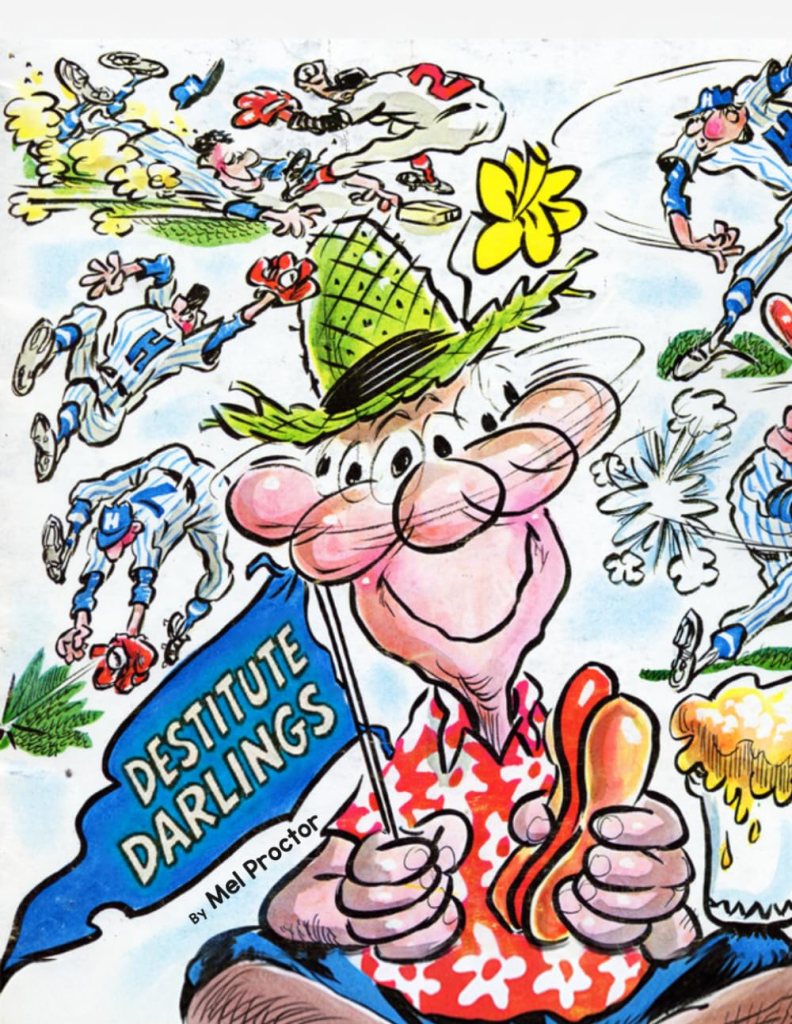
A chapter in his 2013 book titled “I Love the Work But I Hate the Business” gave the former Los Angeles Clippers’ play-by-play radio broadcaster a chance to explain that time in his life when he called games for the San Diego Padres’ Triple-A Hawaiian Islanders. This edition offers a stand-alone version of the team that in 1975 and 1976 that won back-to-back Pacific Coast League titles despite searching for a solid home base, essentially kicked out of the league, and buried in debt. There hasn’t been a team that can survive in Honolulu since the Islanders went under water in 1987 and moved to the mainland. “Destitute Darlings” was the name Proctor stamped on those teams, and this one might feel more like a magazine story inserted into a yearbook-sized publication to accommodate the new cover illustration.
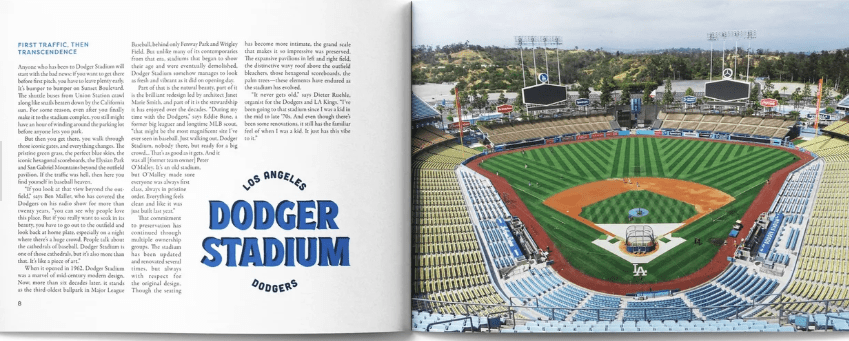
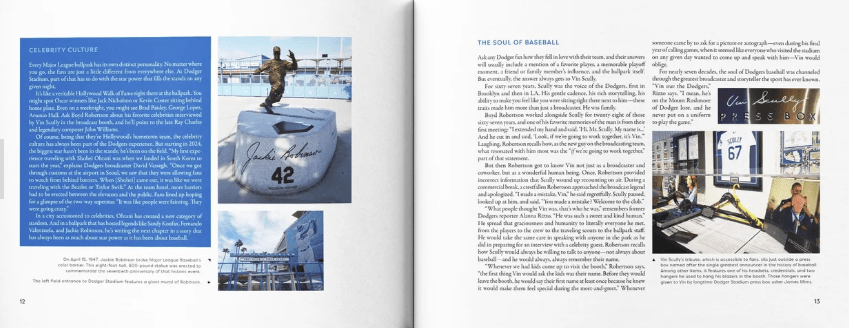
“Sacred Grounds,” by Robby Incmikowski with Kyle Fager (self published, 200 pages, $55): A lot of landscape to cover, and well done in this case. It’s just kind of an expensive whim purchase. Ah, what the heck. It’s dad we’re thinking about here:

“Big Fan: Two Friends, 82,490 Miles, and the Wild, Wonderful Sports We Love,“ by Mike Schur and Joe Posnanski (Penguin/Random House, 448 pages, $35):
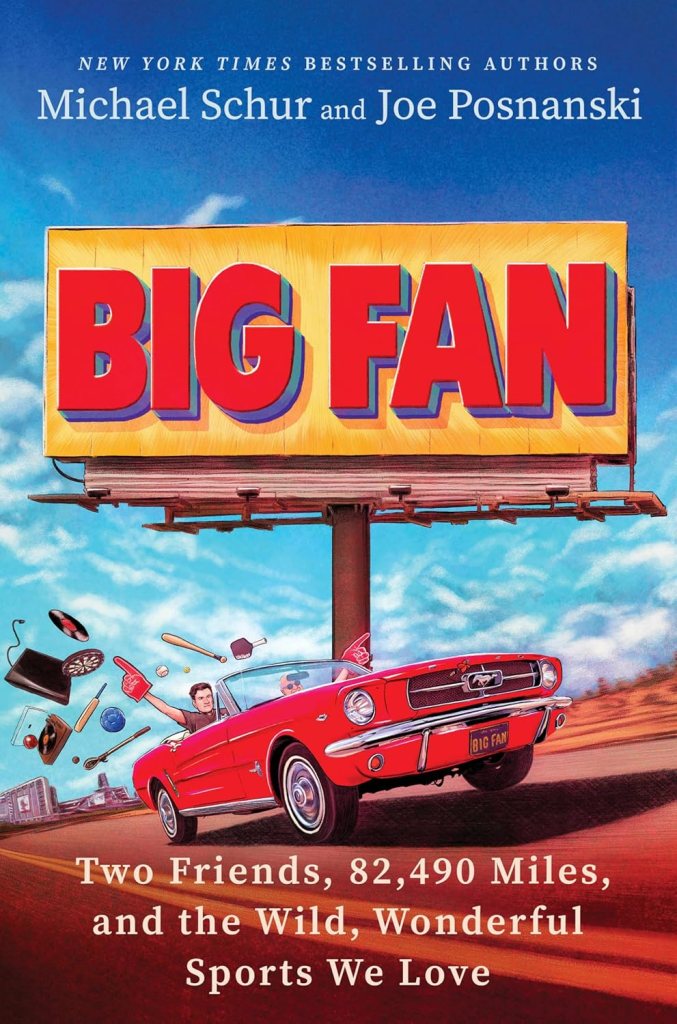
If you had a chance to see the two of them recently in Hermosa Beach — their only West Coast appearance in an abbreviated run — or heard them as guests on Mason & Ireland/KSPN-AM (710), that was enough to whet the appetite. The baseball hook to this: “How Is This Even Possible? Shohei Ohtani, Rocket Launcher,” starting on page 55, which explains the fandom related to the Dodgers’ two-way unicorn and the homer he hit over the right field roof at Dodger Stadium on July 21, 2024. Schur put in 12 miles of the 82,490 for that visit. With the notation: “Since the method of transportation is “driving to Dodger Stadium,” it takes like three hours.” Schur writes: “What has stuck with me the most about that home run – besides learning in that moment that the laws of gravity are mutable – was how it slightly changed my concept of fandom. A guy on the opposing team (he’s a Red Sox fan) hitting a monstrous home run ins generally thought of as ‘bad.’ But in that instant, I was happy. I was a Shohei Ohtani fan, a baseball fan, and I felt what fans always hope to feel at sporting events: joy, awe, reverence, the thrill of watching an athletic genius do what he does, as well as it can be done.” One more note: Pages 371-391 are reserved for a chapter called “The Great Mookie Hug Caper,” where they try to figure out a way to measure the greatness of getting a hug from Mookie Betts. Awwwwww. Are you sure you want to do this, Schur?
There’s also this nice review in America magazine, so if the Jesuits find joy in it, this has to be working on many levels. More from NPR’s Scott Simon, AwfulAnnouncing.com, Kirkus and “Late Night with Seth Meyers” below:
Midwest flavor:
“Baseball’s Outcast: The Story of Ron LeFlore,” by Adam Henig (Bloomsbury, 320 pages, $34, released April 2, ’26)
“Your Detroit Tigers: The Great, The Good, The Top 400,” by Tom Gage with Alex Avila (Triumph Books, 256 pages, $30, released March 31, ’26).
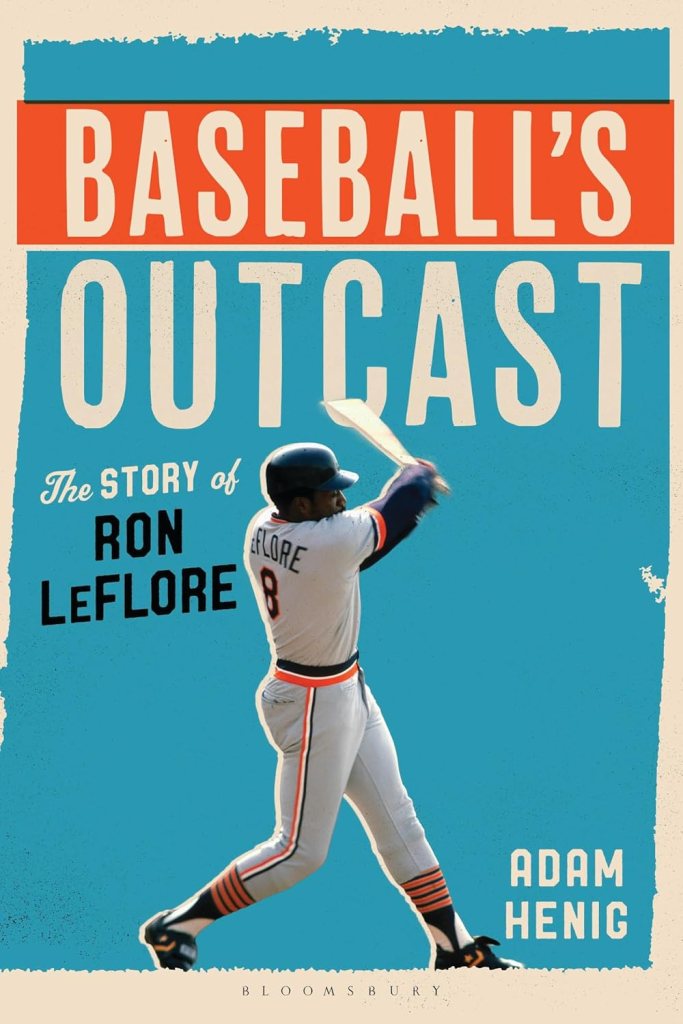
Henig let us know that he was able to make it to Los Angeles for the Baseball Reliquary’s Shrine of the Eternals induction last fall, as it included the celebration of LeFlore, who appeared despite some health challenges. “I finally got to meet Ron in-person, after speaking with him only by phone for the last five years,” Henig said. “It was a surreal experience.” It would have to be. The Detroit MetroTimes allowed Henig to promote the release of his book with this piece. In Kirkus Reviews, it notes that “Henig, an industrious author of books on Black history … has a solid biography” of a man LeVar Burton once portrayed in a 1978 TV movie called “One in A Million” after serving a three-years plus in a Michigan prison for armed robbery. The film was made as LeFlore, who led the AL with 68 stolen bases in ’78, topped that with 78 in ’79, and then led the NL with 97 during his only year in Montreal, was still amidst his nine-year career that started at age 26.
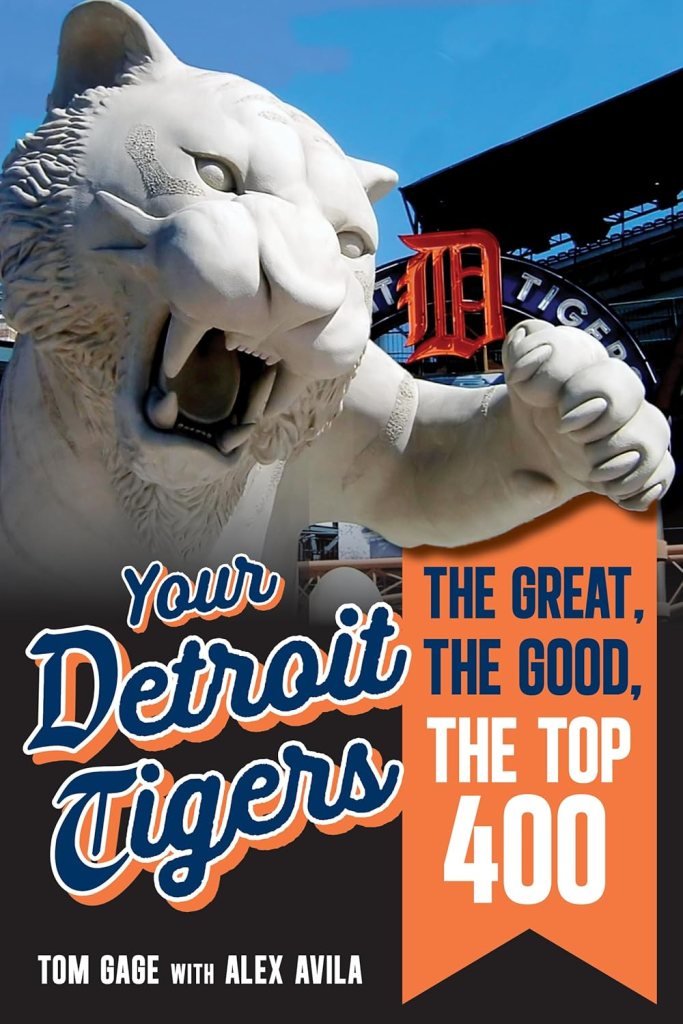
If you wonder about overlap with “Your Detroit Tigers”: A book that breaks the franchise down into the top 258 hitters and 142 pitchers slots LeFlore at No. 41 among the hitters, in between Bob Fothergill and three-time AL All-Star Pinky Higgins, and a bit ahead of Rocky Colavito. Every team should have a book like this one done on its history — and the Tigers, celebrating their 125th season this year, is prime for a roaring tribute. Longtime writer Tom Gage, who also did “Big 50: The Men And Moments That Made The Detroit Tigers” for Triumph Books in 2017, and “Joy in Tiger Town: A Determined Team, a Resilient City, and our Magical Run to the 1968 World Series,” for Triumph in 2017, screates 14 performance metrics for hitters and eight for pitchers before settling on this 400. So, where does Ernie Harwell land?
Academics:
“Segregation Games: Boston, Busing, and the Making of Red Sox,” by David Faflik (University of Massachusetts Press, 192 pages, $29.95, released May 1, ’26)
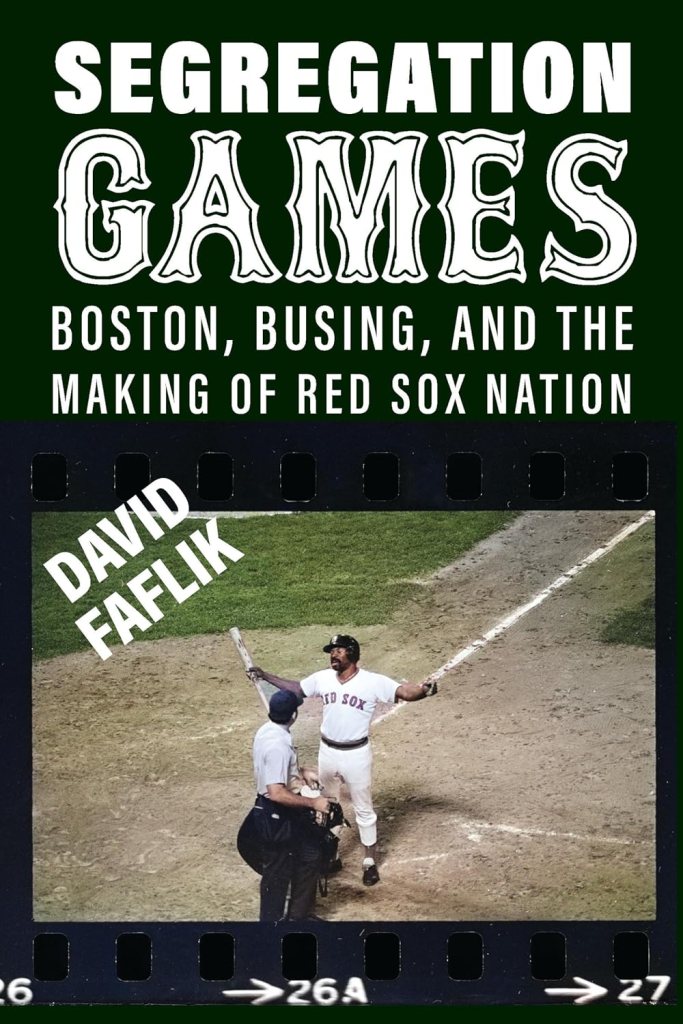
We found this listed in an advertisement amidst the May 28, 2026 issue of The New York Review of Books, featuring a publisher blurb about how Faflik “erases the lines between politics and sport, which routinely blurred in a city suffused with an anti-Black racism that was both deceptively subtle and fiercely overt.” However, says a review in Publishers Weekly: “Frequent instances in which ordinary objects are freighted with heavy racial symbolism — most notably the Red Sox’s official hot dog, the Fenway Frank, which the author says ‘became as deeply implicated in Boston’s contest over racial equality as any other aspect of the club’ — feel like a stretch. The result is more of a lofty thought experiment than a successful argument.” We also put trust in Charlie Beavis for BevisBaseballResearch.com when he concludes: “This is a solid foundation for future research (and book sequel) to follow-up on the book’s sub-title ‘the making of Red Sox Nation’ and Faflik’s conclusion that ‘the White haven that was the Boston Red Sox’ home stadium of Fenway Park in the 1970s proved to be as difficult to racially desegregate as the city’s schools.’ : Otherwise, Beavis calls this “a ground-breaking, illuminating examination of the intertwining of sport and society in Boston during the 1970s.”
Misc.:
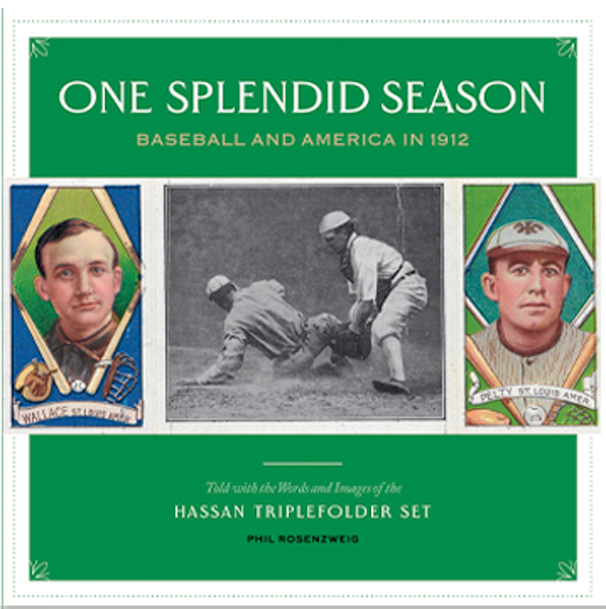
“One Splendid Season:” Baseball and America in 1912,” by Phil Rosenzweig (PMR Books, $32.50): The kind of publication best enjoyed with a nice glass of scotch and a Macanudo. The Hassan Triplefolder Set of baseball cards are here in a nice glossy presentation — the American Tobacco Company designed that famous 1911 T205 set and added another dimension to it that fit in a pack of Hassan Cork Tip Cigarettes. It includes Ty Cobb, Walter Johnson, Christy Mathewson, Tris Speaker, Napoleon Lajoie and Shoeless Joe Jackson.
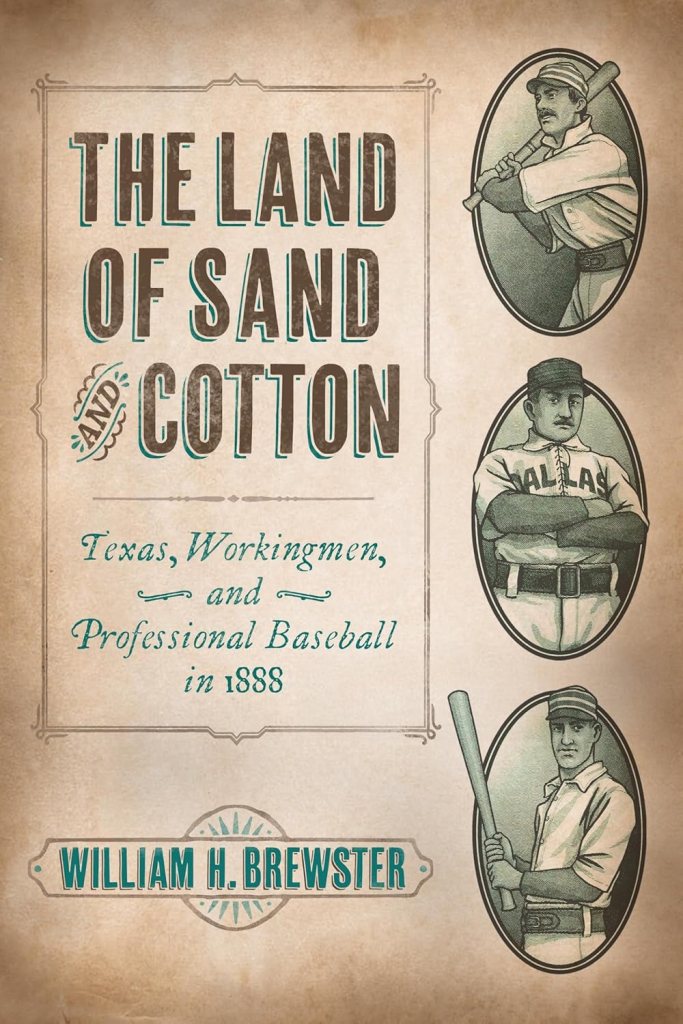
“The Land of Sand and Cotton: Texas, Workingmen, and Professional Baseball in 1888,” by Bill Brewster (University of Nebraska Press, 336 pages, $39.95, released April 1, ’26): Austin was just branded the capital of Texas when it joined Galveston, Houston, Dallas, Fort Worth and San Antonio, and Austin, where the new state capitol building had just opened when the Texas League was created. Enter cowboys, gunfighters, longhorns and wagon trains. Maybe even the first sighting of Nolan Ryan.
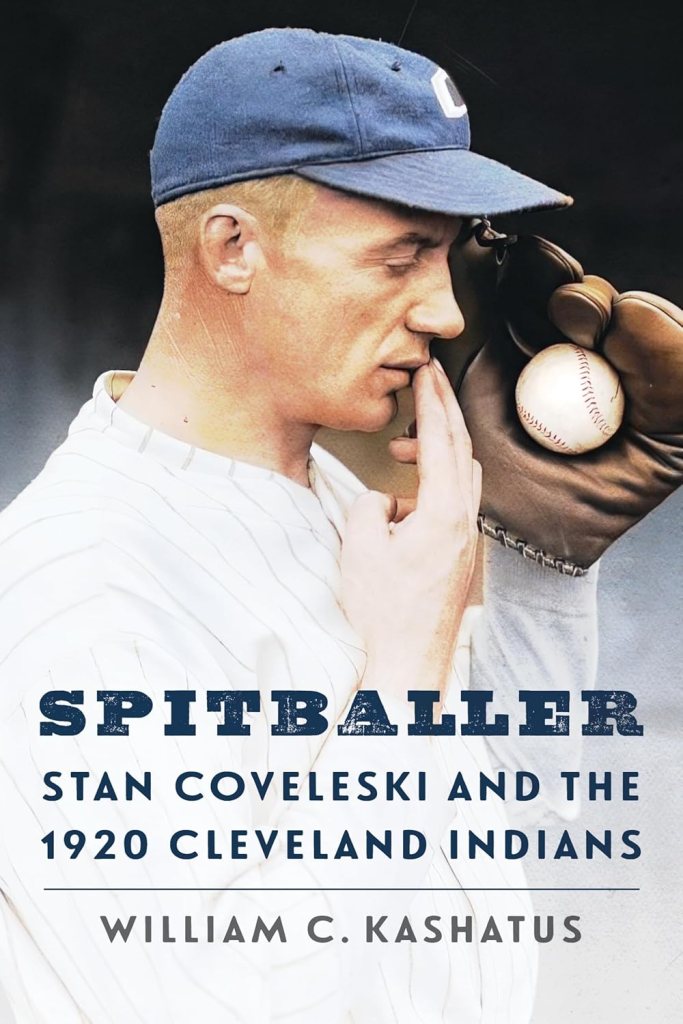
“Spitballer: Stan Coveleski and the 1920 Cleveland Indians,” by William C. Kashatus (University of Nebraska Press, 256 pages, $36.95, released May 1, ’26): Lickety split. Do we trust a Facebook post that someone named Edward Paul Gardner did for the Baseball Books platform: “(Spitballer) is solid and a quick read, but there wasn’t much to Coveleski outside of baseball. I recall his quote from ‘The Glory of Their Times’ (‘Baseball is a worrying thing’) and he’s a Hall of Famer who won a World Series in 1920, was grandfathered in to use the spitball. … Indians/Guardians fans will probably want to be sure it’s part of their library, but Coveleski’s SABR bio (written by Dan Levitt) will probably tell you as much as you need to know about him.” Thanks Ed.
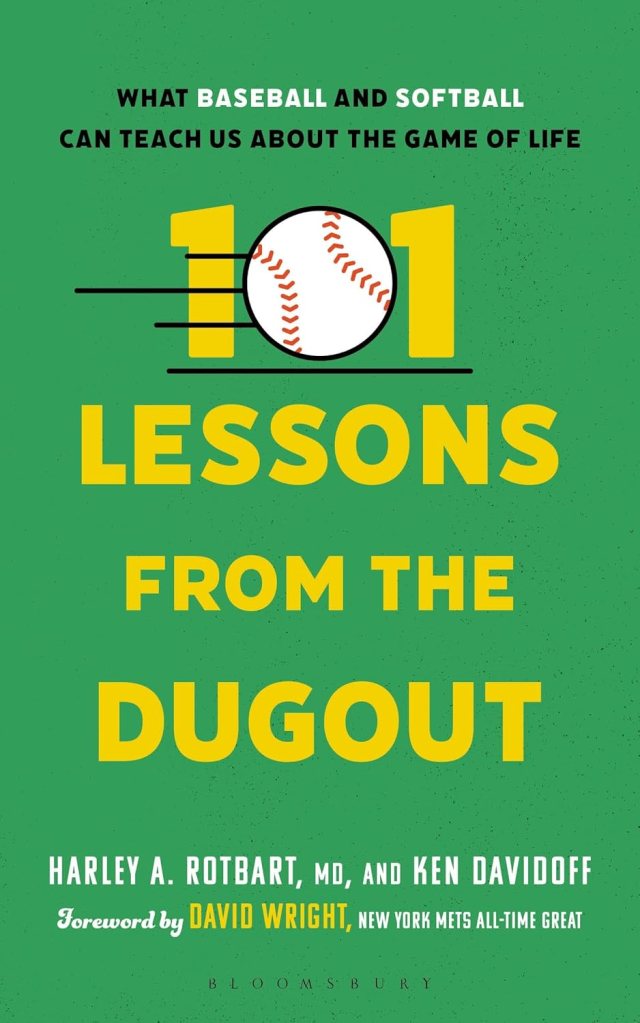
“101 Lessons From the Dugout: What Baseball and Softball Can Teach Us About the Game of Life,” by Harley A. Rotbart and Ken Davidoff (Bloomsbury Academic, 240 pages, $19.95, released Feb. 5, ’26): This seems to be an offshoot of Rotbart’s 2007 “The On Deck Circle of Life: 101 Lessons from the Dugout” (iUniverse Press). What lesson do we learn from that observation? Not sure but maybe there’s 100 more to go.
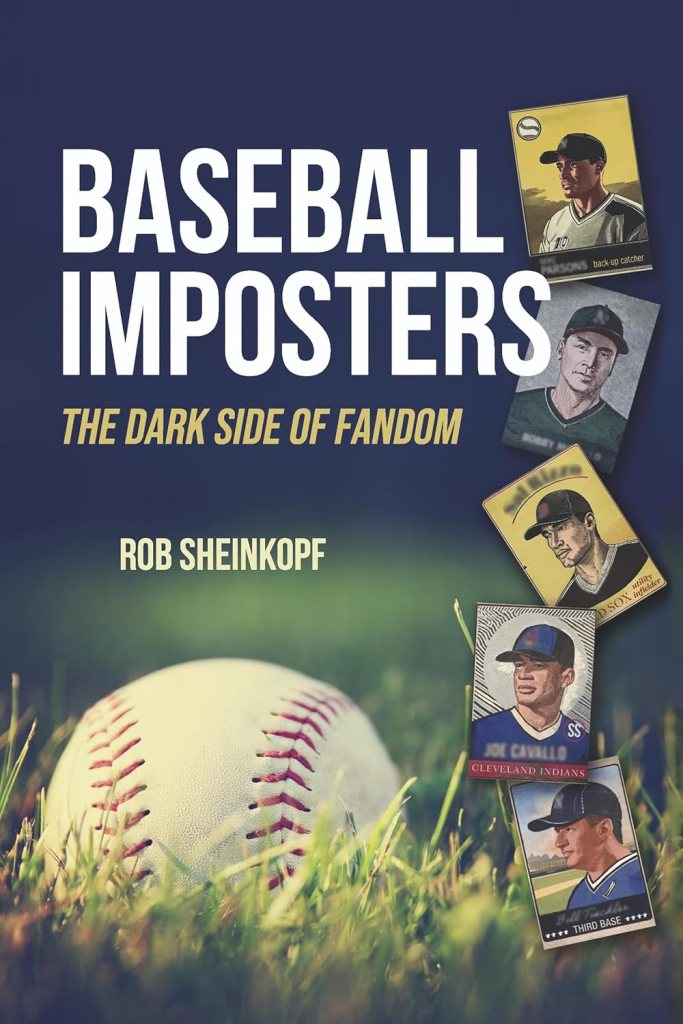
“Baseball’s Imposters: The Dark Side of Fandom” by Rob Sheinkopf (self published, 160 pages, $24.99, released March 26, ’26): It’s a nice idea, a fun one to bounce around in a group of baseball fans, probably worthy of an expanded magazine piece. Dig into what W.P. Kinsella once called “The Eddie Scissons Syndrome,” inspired by a character in his novel “Shoeless Joe,” which inspired the film “Field of Dreams.” Probably worth half as many pages devoted to this topic — or just the 53 pages he dedicated to a master’s thesis on the topic in 1985. The LA84 digital library also offers this document scanned.
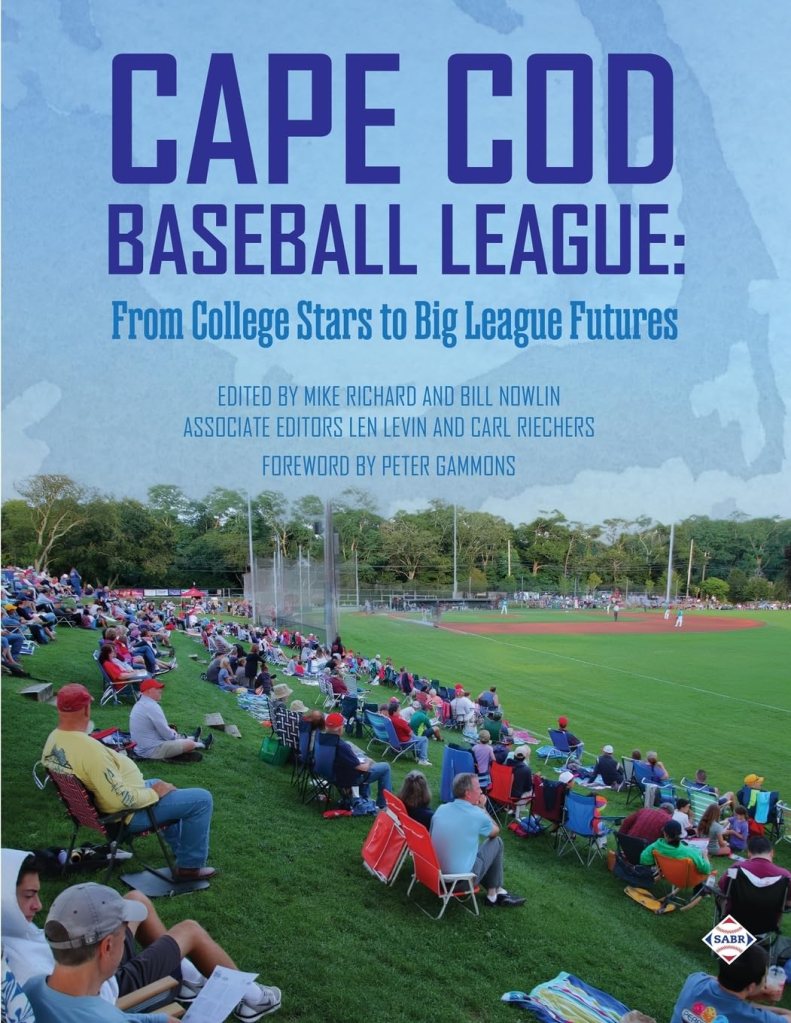
“Cape Cod Baseball League: From College Stars to Big League Futures,” (SABR publications, edited by Mike Richard and Bill Nowlin, associate editors Len Levin and Carl Riechers, forward by Peter Gammons, $29.95, released June 1, ’26): Formed in 1923, with roots back to 1885, the CCBL featuring top college players launched last week with 10 teams. Living more off the motto “Where the stars of tomorrow shine tonight,” there’s a SABR gang of 25 members wanted its own interpretation with analytical and historical pieces essays, plus biographies on players and teams. Editor Richard has been a CCBL historian since 2018.
Later this year:
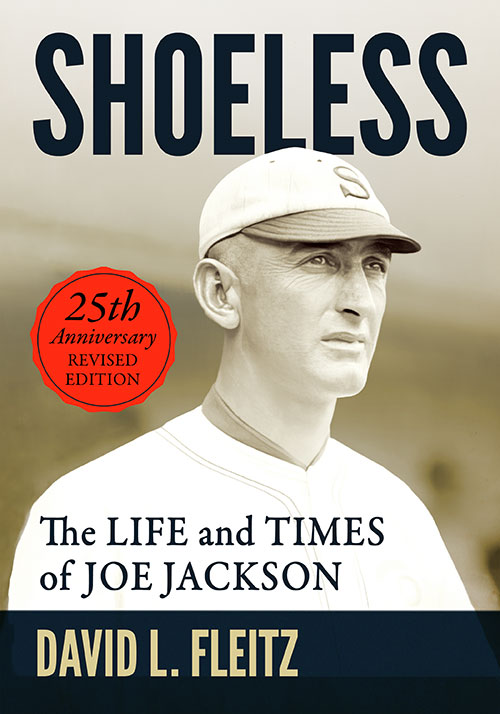
“Shoeless: The Life and Times of Joe Jackson, 25th Anniversary Revised Edition,“ by David L. Fleitz (McFarland, $39.95, to be released August, ’26). “Shoeless Joe’s” posthumous reinstatement to baseball’s good graces in 2025 warrants this re-issue as those who will clamor for his induction into the Baseball Hall of Fame, in spite of whatever part he had in the 1919 Black Sox Scandal that led to his expulsion.
“Touching All the Bases: A Story of Power, Purpose, and Surviving the Bronx” by Dave Winfield (with Alan Malmon, Matt Holt Books/Simon & Shuster, 288 pages, $30, to be released Sept. 15, ’26)
“You Gotta Love These Guys: Fifth Years of Seattle Mariners Baseball,” by David M. Schmidt (University of Nebraska Press, 456 pages, $39.95, to be released Nov. 1, ’26): Schmitz is a history chair emeritus at Whitman College in Walla Walla Washington who did bios about FDR and Richard Nixon in the past.